Palm Pellet Press Mill: Feedstock, Capacity & Cost Guide
News 2026-09-28
Palm Pellet Press Mill: Types, Feedstock, Capacity & Cost Guide
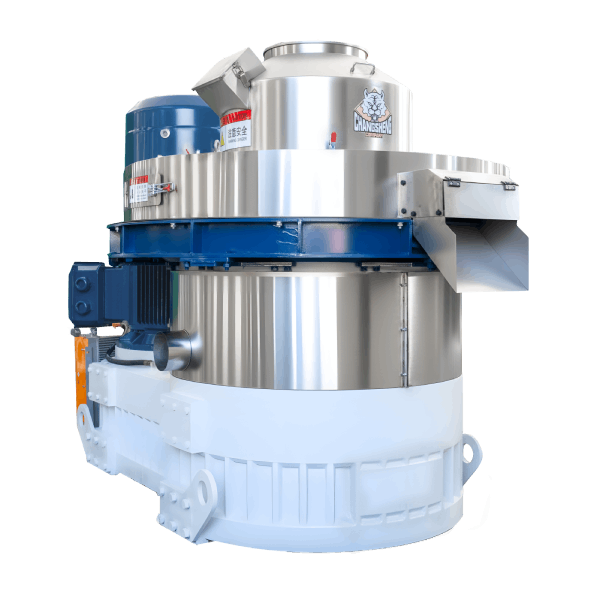
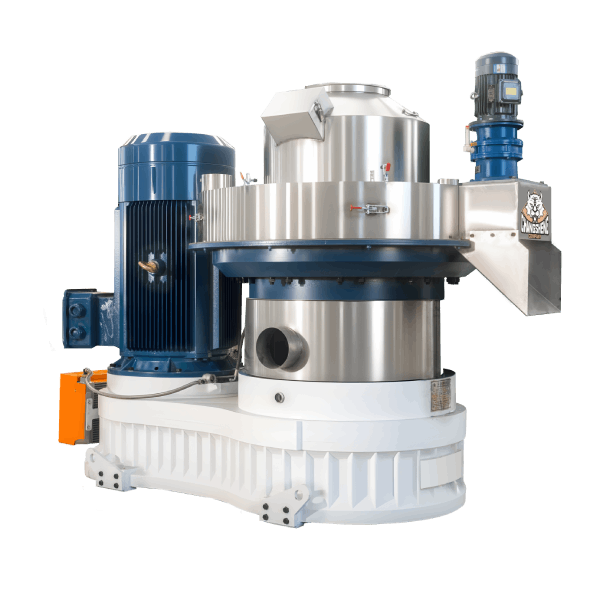
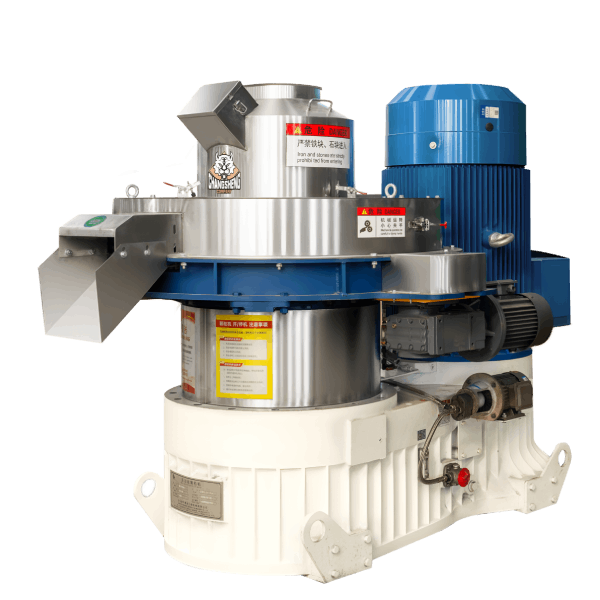
A palm pellet press mill is a pellet machine configured for palm biomass, including empty fruit bunch (EFB), palm kernel shell (PKS), palm fiber, palm frond, and palm trunk. Palm feedstock is more abrasive, more fibrous, and more variable than sawdust. A palm pellet press mill is therefore not simply a wood pellet machine with a different name. It is a machine selected for the specific fiber structure, oil content, moisture, and mineral contamination of your palm feedstock.
This guide is written for procurement managers, importers, EPC contractors, distributors, and end users in palm oil and palm biomass industries. It covers palm feedstock types, palm feedstock characteristics, oil content effects, moisture and contamination, preprocessing, machine configuration, die compression ratio, capacity, production process, pellet quality, cost and payback, maintenance, and a procurement checklist. For general pellet mill selection, see the separate pellet mill guide on this site. For ring die machine types, see the separate ring die pellet machine page on this site.
What Is a Palm Pellet Press Mill?
A palm pellet press mill is a pellet machine that compresses palm biomass into dense cylindrical pellets using pressure and friction heat. It is used in palm oil mills, palm biomass plants, and independent pellet producers to convert palm by-products into fuel pellets for industrial boilers, power generation, and export.
Unlike a sawdust pellet mill, a palm pellet press mill must handle longer fibers, higher oil content, more mineral contamination, and more variable moisture. These characteristics affect preprocessing, die selection, roller configuration, feeder design, and dust control.
Palm Feedstock Types
Empty Fruit Bunch (EFB)
EFB is the fibrous residue left after palm fruit bunches are stripped of fruit. EFB has high moisture, high fiber content, and variable mineral contamination. It is one of the most common palm feedstocks for pellet production.
EFB requires shredding before grinding, drying before pelletizing, and a die compression ratio suited to low-lignin, high-fiber material. Feeder design must prevent bridging and wrapping.
Palm Kernel Shell (PKS)
PKS is the hard shell remaining after palm kernel extraction. PKS is dense, hard, and abrasive. It is often used as a fuel directly, but can also be ground and pelletized with other palm material. PKS requires robust grinding and wear-resistant dies.
PKS is drier than EFB and fiber, and usually requires less drying. Die compression ratio should be selected for dense, hard material.
Palm Fiber
Palm fiber is the fibrous material separated from palm fruit during oil extraction. Palm fiber has high moisture and oil content. It requires drying and careful feeder design to avoid bridging and wrapping.
Oil content in palm fiber affects binding, causes sticky material in the feeder, and may reduce pellet durability. Preprocessing should include oil management as well as moisture control.
Palm Frond
Palm frond is the leaf material from palm pruning. It is fibrous, variable in moisture, and often mixed with other palm residues. Palm frond may require shredding before grinding.
Palm Trunk
Palm trunk is the woody material from felled palm trees. It is denser than EFB and frond, and requires chipping and grinding before pelletizing.
Palm Kernel Expeller (PKE) and Related Residues
Palm kernel expeller is the residue remaining after palm kernel oil extraction. It is not the same as PKS. PKE is softer and has different moisture and oil content. In some projects, PKE and related palm residues are blended with EFB or fiber for pellet production. Blending ratio should be consistent.
Palm Oil Mill Effluent (POME) Residue
POME is the liquid waste from palm oil extraction. After treatment, the solid residue may be mixed with fiber or EFB for fuel pellet production. POME residue has high moisture and requires drying. Handling and blending of POME residue should be confirmed with the supplier based on the specific project.
Palm Feedstock Characteristics That Affect Pelletizing
Fiber Length
Palm feedstock contains long fibers that tangle during handling and wrap around rotating parts. Shredding before grinding reduces fiber length and improves feeding stability.
Oil Content
Palm fiber and EFB may contain residual oil. Oil affects binding, causes sticky material in the feeder, and reduces pellet durability because oil reduces friction between particles. High oil content also increases the risk of die clogging and burning. Oil content should be measured and considered in preprocessing and die selection.
Moisture
Fresh palm feedstock moisture varies widely. EFB and palm fiber may have moisture above 40 percent. PKS and palm trunk are drier. Typical target moisture before pelletizing is around 12 to 15 percent. This range depends on feedstock type, oil content, die compression ratio, and machine configuration. The exact target should be confirmed with a pelletizing test.
Mineral Contamination
Palm feedstock often contains sand, soil, and small stones from field collection and processing. Mineral contamination accelerates die and roller wear. Cleaning and sand removal before grinding are strongly recommended.
Ash Content
Palm feedstock ash content varies by type. PKS has relatively low ash. EFB and palm frond may have higher ash, depending on contamination. Ash affects pellet energy value and boiler compatibility. Exact ash content should be confirmed by laboratory test for your specific feedstock.
Palm Feedstock Preprocessing
Collection and Storage
Palm feedstock should be collected and stored to minimize moisture and contamination. Covered, ventilated storage is recommended. Storage time should be minimized for high-moisture materials such as EFB and palm fiber.
Drying
Drying reduces moisture to the target range. A rotary dryer is commonly used. Dryer inlet temperature should be controlled to avoid burning the material. Drying cost depends on initial moisture, target moisture, fuel type, and dryer efficiency.
Shredding
Shredding reduces fiber length and improves feeding stability. It is required for long-fiber materials such as EFB, palm fiber, and palm frond. PKS and palm trunk require chipping before grinding.
Grinding
Grinding reduces particle size. A hammer mill with suitable screen size is used. Screen size and hammer condition affect particle size consistency and grinding energy.
Sand Removal
Sand removal is critical for palm feedstock. An air classifier or gravity table removes sand and stones before grinding. Air classification is the common method in commercial palm pellet lines because it handles fibrous material well. A gravity table may be used where heavy mineral separation is required. The choice depends on contamination level and material flow.
Magnetic Separation
Magnetic separators remove ferrous metal. Double-stage separation is common in commercial palm pellet lines.
Palm Pellet Press Mill Configuration
Ring Die
Ring die machines are used for commercial palm pellet production. Die hole diameter, taper, and compression ratio must be selected for palm feedstock, not for wood. Die material and heat treatment should be selected for abrasive and oily service.
Roller
Roller shells should be selected for high abrasion. Hardfacing or carbide overlay extends roller life. Roller clearance should be checked regularly.
Feeder
Palm feedstock is fibrous and may be oily, so feeder design must prevent bridging and sticking. A horizontal breaker shaft, variable pitch screw, and hopper vibrator may be required. Variable frequency feeding improves stability.
Hammer Mill
Hammer mill selection should match palm feedstock hardness, fiber length, and target particle size. Screen size, hammer type, and motor power all affect grinding performance and energy consumption.
Dryer
A rotary dryer is recommended when moisture is above the suitable range. Dryer inlet temperature should be controlled to avoid burning the material.
Cooler
Cooling hardens pellets and reduces fines. Cooling requirement depends on pellet diameter, initial pellet temperature, and ambient conditions.
Dust Collection
Palm feedstock dust is fine and poses both health and explosion risks. Dust collection with high-efficiency cyclone and filters is required. Explosion venting, spark detection, grounding, and where applicable ATEX-rated equipment are recommended for commercial lines. In regions where NFPA standards apply, reference should be made to the relevant NFPA combustible dust standards such as NFPA 652 for general combustible dust requirements and NFPA 664 for wood and biomass processing facilities. Local regulations should always be confirmed.
Die Compression Ratio for Palm Feedstock
Die compression ratio is the ratio of die hole length to die hole diameter. This is the common definition used in this guide. Some suppliers use effective length or taper-based definitions, so the definition should always be confirmed with the supplier before comparing dies.
Higher compression ratio increases pellet density but also increases power demand and die wear. Lower compression ratio reduces density and may cause soft pellets.
Palm feedstock usually requires a higher compression ratio than wood because of lower lignin content in EFB and fiber. PKS may require different compression ratio because of its density and hardness. The correct compression ratio should be confirmed with a pelletizing test.
Palm Pellet Press Mill Capacity
Capacity is usually expressed in kg/h or t/h. Required hourly capacity equals annual production target divided by annual operating hours.
Example: annual target 5,000 tons, operating hours 6,000 per year, required hourly capacity is about 0.83 t/h. This is an illustrative example, not a fixed industry value.
A capacity margin of about 20 to 30 percent is a practical starting point. The exact margin depends on palm feedstock consistency, operating hours, and maintenance planning.
Actual capacity depends on palm feedstock type, moisture, oil content, particle size, fiber length, pellet diameter, die specification, compression ratio, machine efficiency, and operating skill.
Palm Pellet Production Process
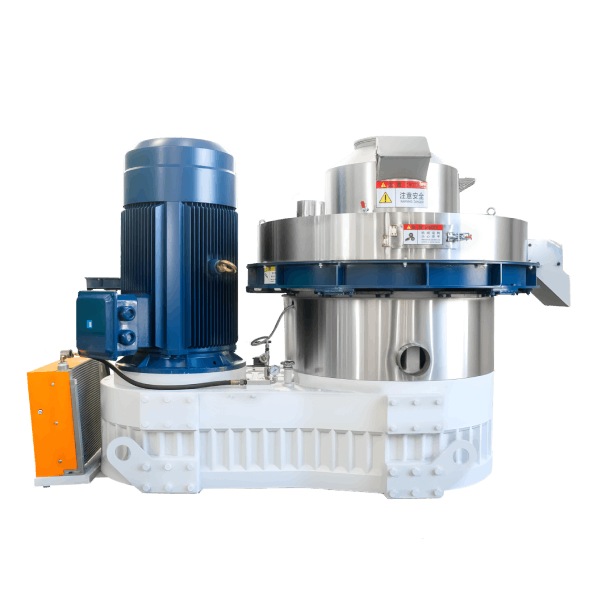
Palm pellet production typically follows this sequence: palm feedstock receiving, cleaning, drying, shredding, grinding, sand removal, pelletizing, cooling, screening, and storage.
Input: palm feedstock from mill or field.
Equipment: hopper, conveyor, storage.
Function: receive, inspect, and store material.
Control point: consistent supply and quality.
Input: raw palm feedstock with soil, stones, and metal.
Equipment: screening, magnetic separation.
Function: remove contaminants.
Control point: cleanliness before drying and grinding.
Input: cleaned palm feedstock with high moisture.
Equipment: rotary dryer.
Function: reduce moisture to target range.
Control point: final moisture before shredding and grinding.
Input: dried palm feedstock with long fibers.
Equipment: shredder.
Function: reduce fiber length.
Control point: fiber length suitable for grinding.
Input: shredded palm feedstock.
Equipment: hammer mill.
Function: reduce particle size.
Control point: particle size within range suitable for die.
Input: ground palm feedstock with mineral contamination.
Equipment: air classifier or gravity table.
Function: remove sand and stones.
Control point: mineral content within acceptable level.
Input: prepared palm feedstock.
Equipment: pellet mill.
Function: compress material through die to form pellets.
Control point: feed rate, die temperature, pellet quality.
Input: hot, soft pellets.
Equipment: counterflow cooler.
Function: cool and harden pellets.
Control point: pellet temperature and moisture after cooling.
Input: cooled pellets.
Equipment: vibrating screen.
Function: remove fines and oversize.
Control point: fines content within target.
Input: sized pellets.
Equipment: storage silo or packing machine.
Function: store or pack finished pellets.
Control point: moisture protection and self-heating prevention.
Each step is included for a specific reason. Skipping shredding, sand removal, or moisture control is a common cause of short die life and unstable output.
Palm Pellet Quality
Moisture
Finished palm pellets typically have moisture around 8 to 10 percent. Moisture above this range reduces fuel value and increases mold risk.
Density
Bulk density of palm pellets is typically in the range of about 1,000 to 1,200 kg/m³, depending on compression and feedstock. PKS-based pellets tend to be denser than EFB-based pellets.
Durability
Durability depends on lignin content, oil content, compression ratio, moisture, and cooling. High oil content reduces durability because oil reduces friction between particles. EFB and fiber pellets are generally less durable than wood pellets and should be handled accordingly.
Ash
Ash content varies by feedstock. PKS has relatively low ash. EFB and frond may have higher ash, depending on contamination. Ash affects boiler design and ash handling.
Pellet Diameter
Common pellet diameters are 6, 8, 10, and 12 mm, depending on boiler feeding system and application.
Fuel Performance
Palm pellets have calorific value in a range similar to wood, typically around 15 to 18 MJ/kg, depending on feedstock type, oil content, and ash content. Higher ash reduces fuel value. These values should be confirmed by laboratory test for your specific feedstock.
Palm Pellet Press Mill Cost and Payback
Cost Factors
Cost depends on machine type, capacity, motor power, die specification, die type, drive system, roller configuration, automation, drying requirement, shredding requirement, grinding requirement, sand removal, cooling, screening, packing, electrical system, and spare parts.
A complete palm pellet production line may include a shredder, hammer mill, dryer, pellet mill, cooler, screener, packing machine, and dust collection. Auxiliary equipment often represents a significant part of total project cost.
Indicative price ranges vary by configuration and market. A small palm pellet line and a complete industrial palm pellet plant are in clearly different price categories. The difference is driven mainly by capacity, motor power, die size and type, drive system, automation, and auxiliary equipment.
Payback Calculation Example
Calculate production cost per ton of pellets, including raw material, power, labor, depreciation, and maintenance. Compare with the local price of palm pellets or alternative fuel. The difference multiplied by annual output gives annual benefit. Divide total investment by annual benefit to get the approximate payback period.
Example: annual output 5,000 tons, local pellet price advantage 60 USD per ton, annual benefit 300,000 USD. If total investment is 900,000 USD, approximate payback is about 3 years. This is an illustrative example, not a guaranteed result. The example does not include transport, installation, import duty, or financing cost, which should be added for a full project evaluation. The actual payback period depends on palm feedstock supply, moisture, oil content, power price, and machine utilization rate. Use conservative data.
Palm Pellet Press Mill Maintenance and Wear Parts
Dies and rollers are wear parts. Their life depends on palm feedstock abrasiveness, mineral contamination, moisture, oil content, compression ratio, and operating conditions. Die life varies widely by feedstock type, so expected working hours should be confirmed with the supplier based on similar material, not assumed from a general figure.
Daily checks: lubrication, roller clearance, feeder condition, motor current.
Weekly checks: die and roller wear, belt tension, electrical connections.
Monthly checks: lubrication system condition, bearing temperature, gearbox oil condition, control panel inspection.
Seasonal checks: spare parts stock review, die replacement planning, electrical insulation check.
Keeping a maintenance log helps track die hours, power consumption, and output.
Palm Pellet Press Mill Procurement Checklist
Requirements: palm feedstock type, moisture, oil content, mineral contamination, target capacity, pellet diameter, power supply, operating hours, automation level.
Machine: die type (single-layer or double-layer), die diameter, compression ratio, motor power, roller configuration, drive system (gearbox or belt), feeder type, lubrication, control mode.
Auxiliary equipment: shredder, hammer mill, dryer, sand removal, cooler, screener, packing, dust collection.
Spare parts: die, roller, bearings, belts or gearbox spare parts, seals, with part numbers and recommended stock.
Supplier: factory capability, reference projects with palm feedstock, test run, inspection terms, warranty process.
Frequently Asked Questions
What is a palm pellet press mill?
A palm pellet press mill is a pellet machine configured for palm biomass, including empty fruit bunch, palm kernel shell, palm fiber, and palm frond, used to produce fuel pellets for industrial boilers and power generation.
What palm feedstock can be pelletized?
Empty fruit bunch, palm kernel shell, palm fiber, palm frond, palm trunk, palm kernel expeller, and treated palm oil mill effluent residue can be pelletized with appropriate preprocessing, drying, shredding, and grinding.
What is the difference between a palm pellet press mill and a wood pellet machine?
A palm pellet press mill is configured for palm feedstock, which is more abrasive, more fibrous, and more variable than sawdust. It requires different die compression ratio, feeder design, and wear-resistant components.
What moisture is suitable for palm pelletizing?
Typical target moisture before pelletizing is around 12 to 15 percent, depending on palm feedstock type, oil content, die compression ratio, and machine configuration. The exact target should be confirmed with a pelletizing test.
Does palm feedstock need drying?
In most cases, yes. EFB and palm fiber may have moisture above 40 percent. PKS and palm trunk are drier. Drying is required when moisture is above the suitable range.
Does palm feedstock need shredding?
Long-fiber materials such as EFB, palm fiber, and palm frond require shredding before grinding. PKS and palm trunk require chipping and grinding rather than shredding. The preprocessing method depends on feedstock type.
How do I remove sand from palm feedstock?
Screening, magnetic separation, and air classification are used. Air classification is the common method in commercial palm pellet lines. A gravity table may be used where heavy mineral separation is required.
Should I choose flat die or ring die for palm feedstock?
Ring die machines are generally used for commercial palm pellet production because of higher capacity and continuous operation. Flat die machines suit small or pilot projects. The choice depends on capacity, operating hours, and maintenance capability.
How do I choose the correct die for palm feedstock?
Die selection depends on palm feedstock type, moisture, oil content, and target pellet quality. A pelletizing test with your actual palm feedstock is the most reliable method.
How long do dies and rollers last?
Die and roller life depends on palm feedstock abrasiveness, mineral contamination, moisture, oil content, compression ratio, and operating conditions. Expected working hours should be confirmed with the supplier based on similar material, not assumed from a general figure.
How much does a palm pellet press mill cost?
Price depends on type, capacity, motor power, die specification, die type, drive system, automation, drying and grinding requirement, and scope of supply. A small palm pellet line and a complete industrial palm pellet plant are in clearly different price categories. Final price should be confirmed against a written scope of supply.
Do I need a complete palm pellet line?
It depends on palm feedstock condition and target pellet quality. Dry and uniform palm feedstock may need only a pellet mill and cooler. Wet, fibrous, or contaminated palm feedstock usually requires a complete line with drying, shredding, grinding, and sand removal.
Author Introduction
This article was prepared by a technical content specialist with over ten years of experience in industrial equipment, biomass processing machinery, and B2B export projects. The author has worked with palm pellet projects in palm oil and palm biomass industries, including empty fruit bunch, palm kernel shell, palm fiber, palm frond, palm kernel expeller, and treated palm oil mill effluent residue, and understands the practical challenges buyers face in preprocessing, oil content management, die selection, capacity planning, and international procurement.
The content reflects real engineering practice in palm pellet press mill selection, feedstock preparation, cost analysis, and project execution. It is intended to help procurement managers, importers, EPC contractors, distributors, and end users in palm oil and palm biomass industries make informed decisions and reduce purchase risk. The author is affiliated with Shandong Changsheng Machinery Co., Ltd.
Call to Action
If you are planning a palm pellet project and need help confirming machine type, capacity, die configuration, drive system, moisture control, oil content management, shredding requirement, sand removal, or spare parts plan, you can request a technical proposal based on your palm feedstock and required output. Share your palm feedstock type, moisture, oil content, mineral contamination level, target capacity, pellet diameter, local power supply, and operating hours, and a suitable configuration can be recommended.
You can also request a quotation for a palm pellet press mill, ask for a process flow diagram, request a spare parts list, or arrange a video factory inspection before making a final decision. If you have a palm feedstock sample, a pelletizing test can be arranged to confirm die selection and expected performance under your actual material conditions.