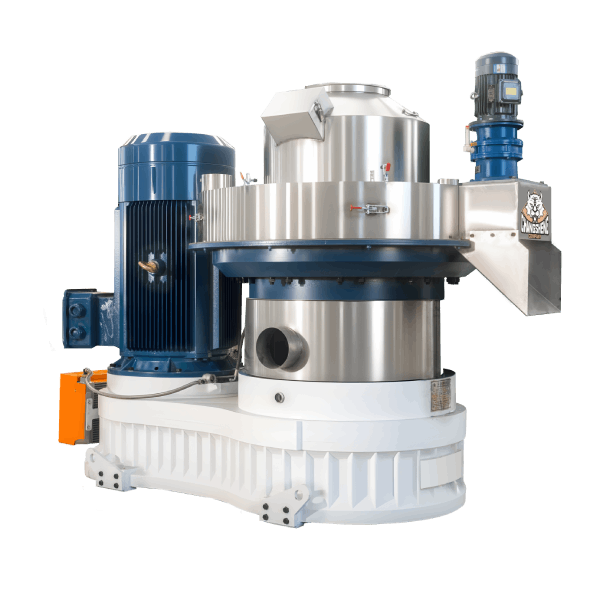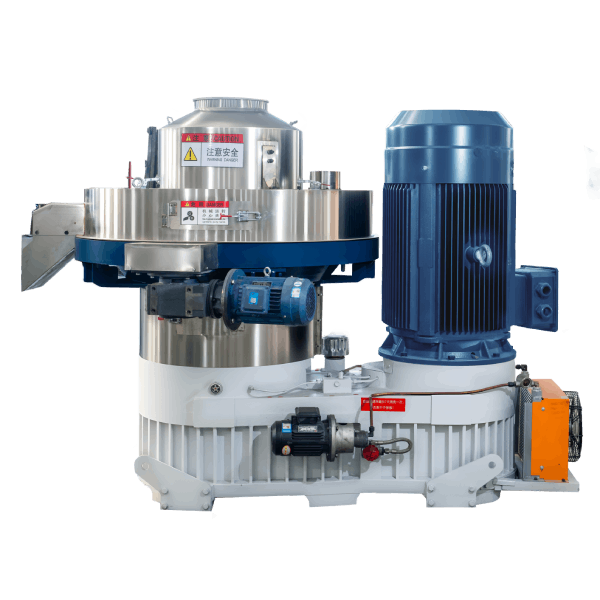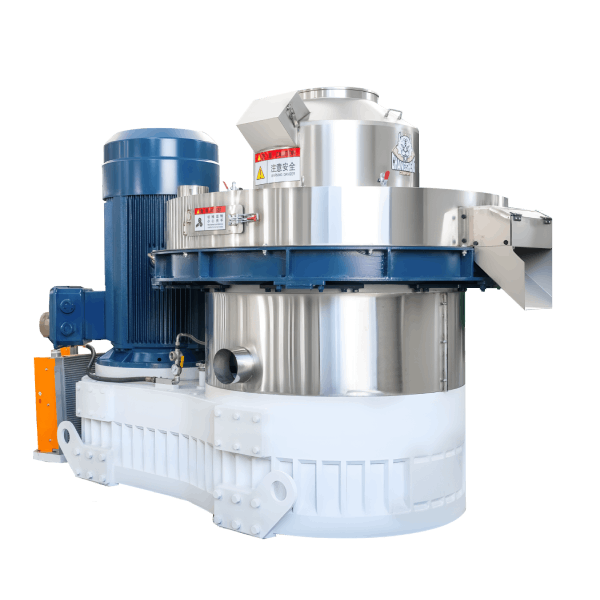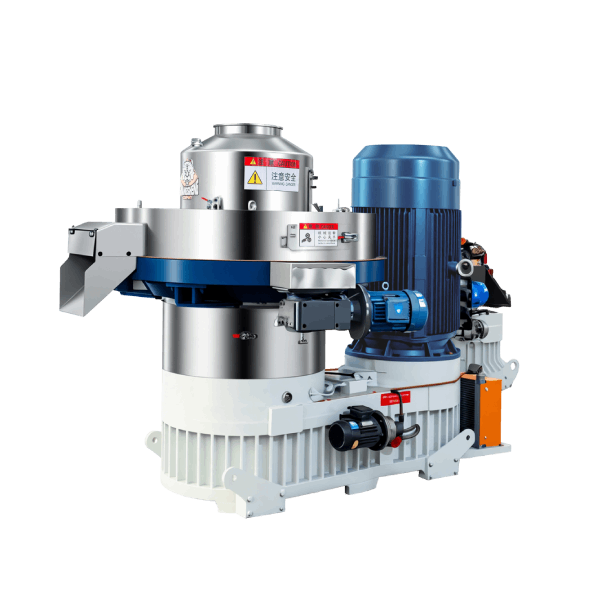
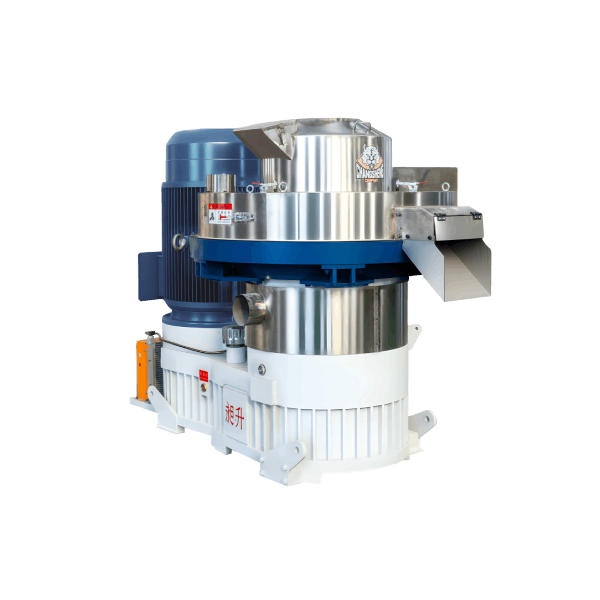
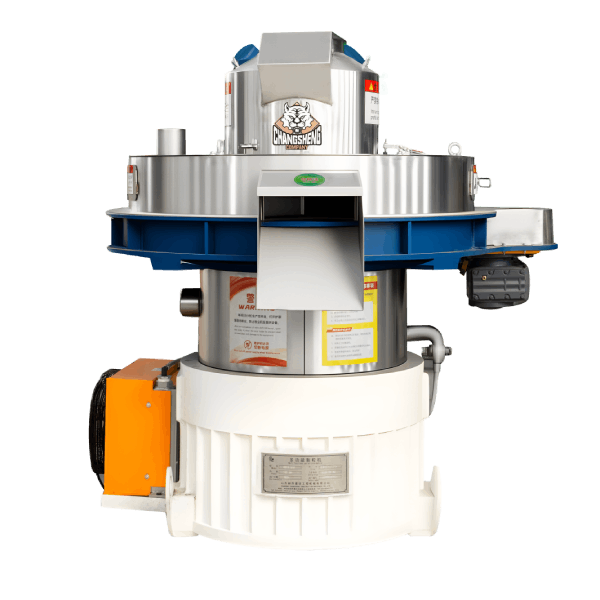
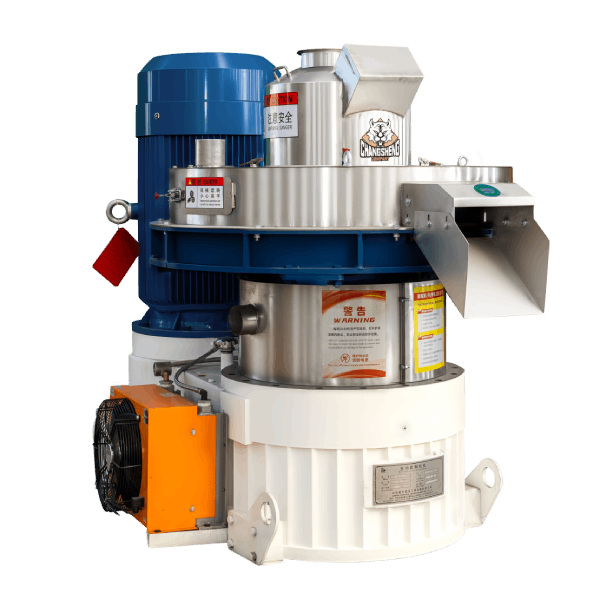
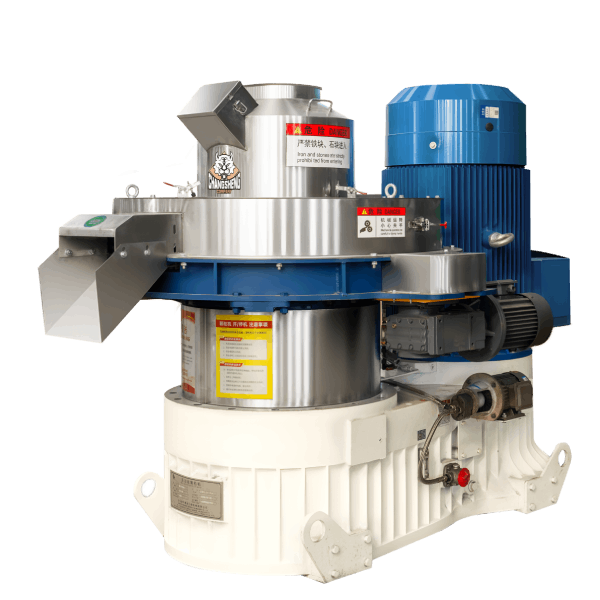
560 Pellet Mill
Brand: Changsheng
MODEL: 560
YIELD(T): 1.5-2T
POWER(KW): 132KW
MOLDAPERTURESIZE(MM): 4-12MM
PACKAGE SIZE(MM): 2680*1560*1770
WEIGHT(T):5.6
Category:Product one
Product Details
Tired of high maintenance costs and unplanned downtime on your pellet mill? The Changsheng GZLH560 heavy-duty pellet mill offers unparalleled durability and 24/7 stability. Request a FREE quote & material test now!
For plant managers and business owners in the biomass pellet industry, maximizing profitability often feels like a battle against two relentless enemies: escalating cost per ton due to frequent part wear, and revenue loss from unpredictable machine breakdowns. These operational headaches not only squeeze your margins but also jeopardize your ability to meet crucial delivery deadlines.
The Changsheng GZLH560 Pellet Mill is engineered to turn this battle in your favor. By integrating a heavy-duty construction that delivers over 50% longer lifespan for critical wear parts with a stable output capacity of 1 to 1.5 tons per hour, this machine is designed to be the most reliable and cost-effective workhorse in your production line. It directly tackles your core pain points by dramatically reducing maintenance intervals and ensuring consistent, uninterrupted production.
Technical Superiority: Engineered for Lower Cost Per Ton
Core Specifications at a Glance:
- Production Capacity: 1.0 – 1.5 TPH (Tons Per Hour)
- Main Motor Power: 90 kW
- Machine Weight: Approximately 6,500 kg
- Pellet Diameter Range: 4mm – 12mm (adjustable)
- Key Component Life (Die & Roller): 1,500+ operating hours
Comparative Advantage Table
| Feature Dimension | Our GZLH560 Pellet Mill | Industry Average Standard | Value for You |
|---|---|---|---|
| Component Life (Die & Rollers) | 1,500+ hours | 800 – 1,000 hours | Lower cost per ton, fewer downtime events for replacements |
| Design Reliability (Lubrication System) | Dual Independent Forced Lubrication (Separate for main shaft & rollers) | Single-line or manual greasing | Enables true 24/7 continuous operation, drastically reduces bearing failure risk |
| Raw Material Adaptability | Processes 12+ materials (Sawdust, various straws, husks, etc.) | Typically optimized for 3-5 materials | One-machine versatility to adapt to supply chain and market price changes, maximizing ROI |
How It Works:
The GZLH560 employs a vertical ring die and centrifugal feeding system. This design uses centrifugal force to distribute material evenly across the die surface, effectively preventing bridging and clogging—a common issue in horizontal die machines—ensuring smooth, continuous feeding and uniform pellet quality.
Versatile Applications & Proven Reliability
Ideal for Processing a Wide Range of Materials:
- Wood Waste: Sawdust, wood chips, shavings.
- Agricultural Residues: Rice husk, corn stalk, wheat straw, peanut shell.
- Other Biomass: Palm kernel shell, bamboo, energy grass.
Perfect for Industries: Biomass Fuel Plants, Wood Processing Facilities, Organic Fertilizer Producers, and Animal Bedding Manufacturers.
Building Trust Through Evidence:
- Certifications: Manufactured under a strict ISO 9001:2015 certified quality management system and complies with CE safety directives for the global market.
- Global Experience: Our pellet mills are trusted by clients across 6 continents in over 90 countries, proving their adaptability to diverse climates and operational conditions.
- Client Testimonials:
- Case A (Efficiency & Output): “A biomass fuel plant in Eastern Europe using the GZLH560 has maintained a stable output of 1.4 TPH for over 18 months, fully meeting their contract fulfillment goals.”
- Case B (Cost Savings): “A customer in Southeast Asia reported that their annual maintenance costs decreased by approximately 30% after switching to the GZLH560, thanks to the extended lifespan of the ring die and rollers.”
- Service Commitment: We provide a comprehensive 12-month warranty, 24-hour remote technical support with a 72-hour maximum response time for critical issues, and guarantee lifelong availability of genuine spare parts.
Interactive Hook: Not sure if your specific raw material is suitable? Contact our technical team for a FREE material testing service and receive a detailed pelletizing report.
Optimized for Your Searches & Queries
This content is structured to answer your most pressing questions. Here are direct answers to common operational queries:
- Q: How often do I need to replace the ring die and rollers on this machine?
A: Under normal operating conditions with standard biomass, our high-alloy die and rollers are designed to last 1,500 hours or more, which is significantly longer than the industry average, reducing your changeover frequency by over 50%. - Q: Can this machine run continuously?
A: Yes. The dual independent forced lubrication system is specifically engineered to cool and protect critical bearings during extended operations, making the GZLH560 capable of reliable 24/7 continuous production.
For more technical details, you can explore our dedicated pages on [ring die technology] and our comprehensive [global warranty policy].
Take the Next Step: From Inquiry to Optimized Production
- Download Our Guide: Gain immediate insights by downloading our practical “Guide to Biomass Pellet Production Efficiency & Cost Calculation.”
- Get a Custom Plan: Receive a Free, Customized Preliminary Plant Layout Design from our project engineers, tailored to your specific output goals and space.
- Move Forward with Confidence: Ready for a precise solution? Request a Formal Quotation & Apply for Your FREE Material Test Now! Our team will provide tailored recommendations and pricing to help you make an informed decision.
References & Industry Context
The drive for reliable pellet production is underscored by global energy trends. According to the International Energy Agency (IEA), demand for industrial biomass pellets is projected to grow steadily, placing a premium on equipment reliability and output quality to meet this rising demand sustainably. Furthermore, pellet quality standards such as ISO 17225 establish clear benchmarks for density and durability, which are directly influenced by the consistency and pressure achieved by machines like the GZLH560.
Frequently Asked Questions
A small home-use pellet mill (50-100kg/h) costs $1,000-$4,000. A commercial ring die machine (500-1000kg/h) ranges from $15,000 to $50,000. The final price depends on capacity, power (electric/diesel), and die type (flat/ring). For an exact quote, always specify your raw material (wood, feed, straw) and target hourly output.
For making wood pellets, a ring die pellet mill is best for commercial production (>300kg/h) due to higher output and durability. For home/small farm use (<300kg/h), a flat die machine is more cost-effective. Key factors: moisture content (<15%), material size (<3mm), and your required capacity.
Three main reasons: ① Incorrect moisture (too dry or wet – ideal is 10-15%). ② Worn die or rollers – replace if gap > 0.5mm. ③ Improper feeding – inconsistent or too fast. Always test with dry sawdust first and ensure material is finely crushed.
Pellet machines can process biomass (wood, straw, bamboo), animal feed (alfalfa, corn, soybean), and some organic waste. Wood is most common. Avoid materials with high sand, oil, or metal content. Each material requires specific die hole size and moisture adjustment.
- Market research – target local farms (feed) or homeowners (heating).
- Start small – begin with a 300-500kg/h machine (investment: ~$20k-$35k).
- Secure raw materials – local sawdust, agricultural waste.
- Focus on quality – produce high-density, low-ash pellets.
- Calculate ROI – average net profit: $30-$80/ton. A 500kg/h line can ROI in 12-18 months.