How to start a pellet production business: Technical & Cost Guide
News 2026-02-10
A pellet production business is an industrial operation that converts biomass or agricultural residues into standardized fuel or feed pellets through controlled mechanical, thermal, and compression processes. It requires integrated systems for material handling, drying, pelletizing, cooling, and packaging to achieve stable output and commercial-grade pellet quality.
Technical Parameters and Specifications
Key technical parameters typically considered when planning a pellet production business include:
Production capacity
1–3 t/h (entry level)
5–10 t/h (commercial scale)
15 t/h and above (industrial scale)
Raw material moisture (input)
20%–35% (after drying ≤12%)
Pellet diameter
Feed pellets: 3–5 mm
Fuel pellets: 6–10 mm
Installed electrical power
1–3 t/h: 120–250 kW
5–10 t/h: 600–1,200 kW
Thermal energy demand
1.2–3.5 MW depending on dryer size and material
Operating mode
Continuous operation, 16–24 hours/day
Annual utilization
6,000–7,500 hours
Structure and Material Composition
A pellet production plant is composed of the following core systems:
Raw Material Handling
• Steel belt or screw conveyors
• Storage silos with anti-bridging design
Size Reduction
• Hammer mill with alloy steel hammers
• Hardened steel screens
Drying System
• Rotary drum dryer (carbon steel shell)
• Hot air furnace (biomass or gas-fired)
• Cyclone and bag filter dust collectors
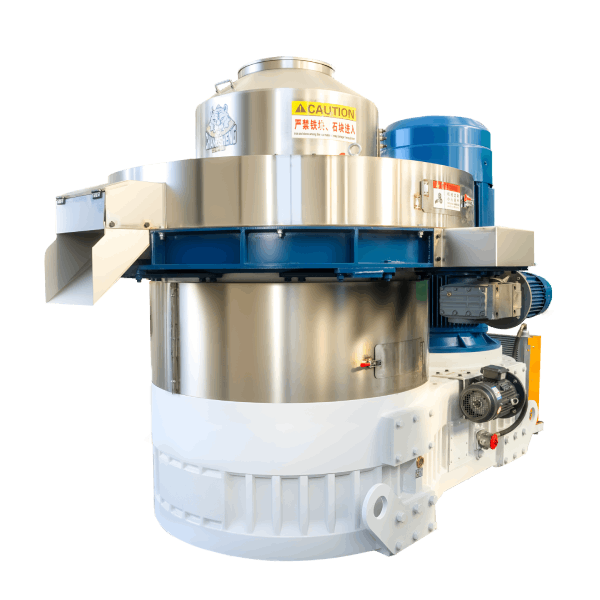
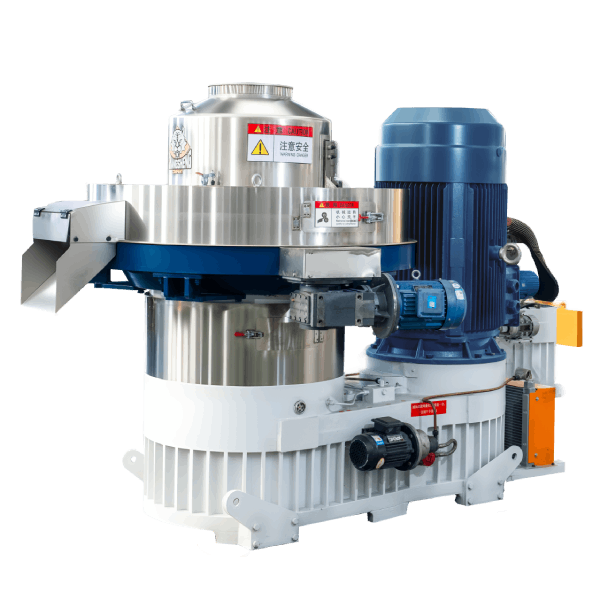
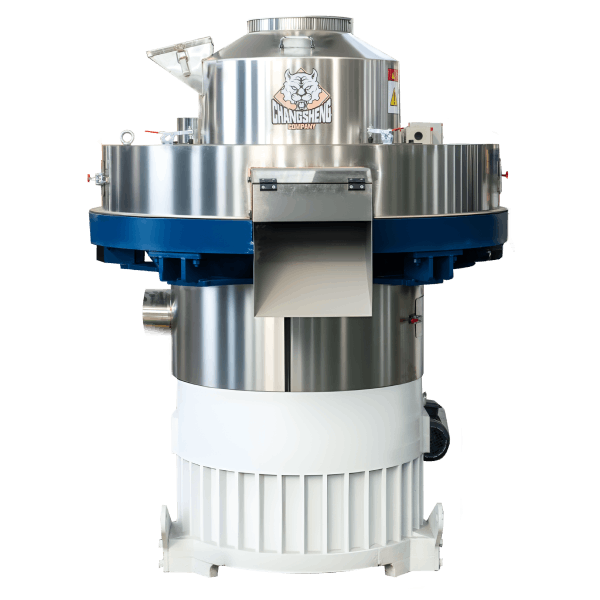
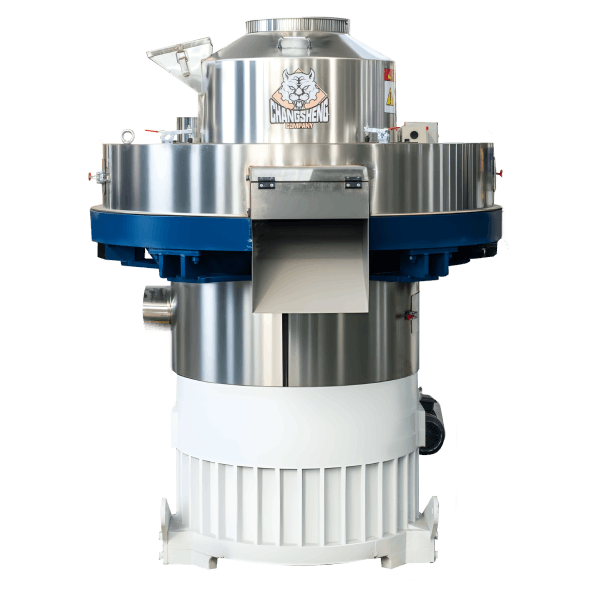
Pelletizing System
• Ring die pellet mill (alloy steel die and rollers)
• Automatic lubrication units
Cooling and Screening
• Counterflow pellet cooler
• Vibrating screening system
Packaging and Storage
• Automatic weighing and bagging units
• Finished pellet silos
Electrical and Control
• PLC-based control cabinet
• Frequency-controlled motors
Manufacturing Process (Engineering Workflow)
- Raw Material Preparation
Biomass or feedstock is stored, metered, and conveyed to ensure stable feeding conditions. - Crushing
Material is reduced to uniform particle size, typically ≤5 mm, to improve pellet density and die life. - Drying
Moisture is reduced to target range using controlled hot air flow, ensuring pellet strength and minimizing energy loss. - Conditioning and Pelletizing
Material is compressed through a ring die under controlled pressure and temperature to form pellets. - Cooling
Pellets are cooled from high forming temperature to ambient conditions to stabilize structure. - Screening and Recycling
Fine particles are separated and recycled back to the pellet mill inlet. - Packaging or Bulk Storage
Pellets are weighed, bagged, or stored in bulk for distribution.
Industry Comparison (Pellet Business vs Alternatives)
| Production Model | Capital Cost | Energy Efficiency | Product Stability | Scalability |
|---|---|---|---|---|
| Pellet Production | Medium | High | High | Strong |
| Briquette Production | Low | Medium | Medium | Limited |
| Loose Biomass Supply | Low | Low | Low | Weak |
| Charcoal Processing | High | Medium | High | Medium |
Pellet production offers superior logistics efficiency and market scalability compared to loose biomass or briquettes.
Application Scenarios
Distributors and Importers
• Centralized pellet supply for regional markets
• Export-oriented biomass fuel operations
EPC Contractors
• Turnkey biomass energy projects
• Industrial fuel conversion systems
Engineering Firms
• Waste-to-energy integration
• Industrial decarbonization initiatives
Core Pain Points and Solutions
Pain Point 1: Unstable Raw Material Supply
Solution: Secure multi-source feedstock contracts and design flexible feeding systems.
Pain Point 2: High Initial Investment
Solution: Start with modular capacity and scalable plant layout.
Pain Point 3: Inconsistent Pellet Quality
Solution: Use ring die pellet mills with precise moisture and pressure control.
Pain Point 4: Operational Downtime
Solution: Implement preventive maintenance and spare parts planning.
Risk Warnings and Mitigation Strategies
Raw material moisture variability can reduce output efficiency. Pre-testing is mandatory.
Under-designed dust control increases fire and explosion risk. Industrial filtration systems are essential.
Improper operator training leads to early equipment failure. Commissioning must include structured training programs.
Procurement and Selection Guide
- Define target market (fuel vs feed pellets)
- Analyze local raw material availability and cost
- Select appropriate plant capacity and scalability
- Request power balance and heat balance calculations
- Verify supplier experience with similar projects
- Evaluate lifecycle cost, not only purchase price
- Confirm after-sales support and spare parts availability
Engineering Case Example
A mid-scale investor in Eastern Europe launched a 5 t/h pellet production business using forestry residues. The plant operates two shifts per day with a biomass-fired dryer. Annual output exceeds 30,000 tons, supplying district heating plants and industrial users under long-term contracts.
FAQ
- How much capital is needed to start a pellet production business?
Depends on capacity; small plants require low six figures, industrial plants significantly more. - What is the minimum viable capacity?
Typically 1–2 t/h for local markets. - Can agricultural waste be used?
Yes, if properly dried and processed. - What pellet diameter is most common?
6–8 mm for fuel pellets. - Is pellet production energy intensive?
Moderately, but efficient systems offset energy cost. - How long does installation take?
Usually 2–4 months depending on scale. - What certifications are required?
Depends on local and export market standards. - Can the plant run continuously?
Yes, industrial systems are designed for continuous operation. - How many operators are needed?
Typically 3–6 per shift for mid-scale plants. - Is automation necessary?
Strongly recommended for quality and efficiency.
CTA
To receive a tailored feasibility study, equipment quotation, or technical documentation on how to start a pellet production business, request engineering data and configuration options from a qualified pellet production system supplier.
E-E-A-T Author Credentials
This article is authored by an industrial biomass systems engineer with over a decade of experience in pellet production plant design, EPC project assessment, and commissioning across Europe, Asia, and emerging markets, specializing in cost optimization and operational reliability.