Pellet Machine for Export Quality Pellets
News 2026-02-25
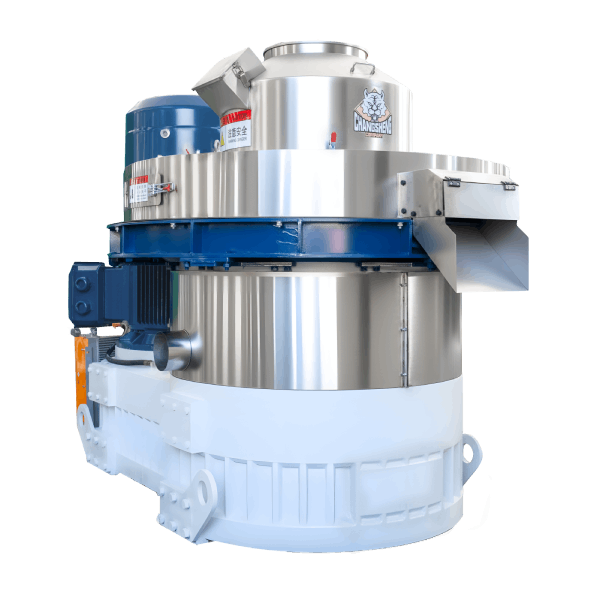
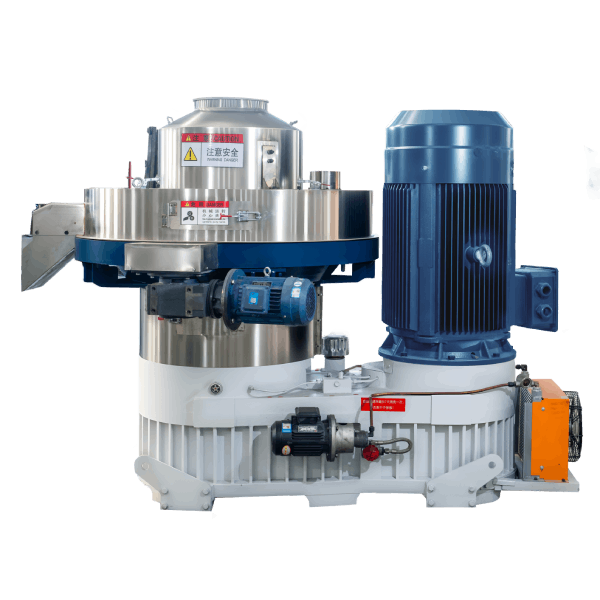
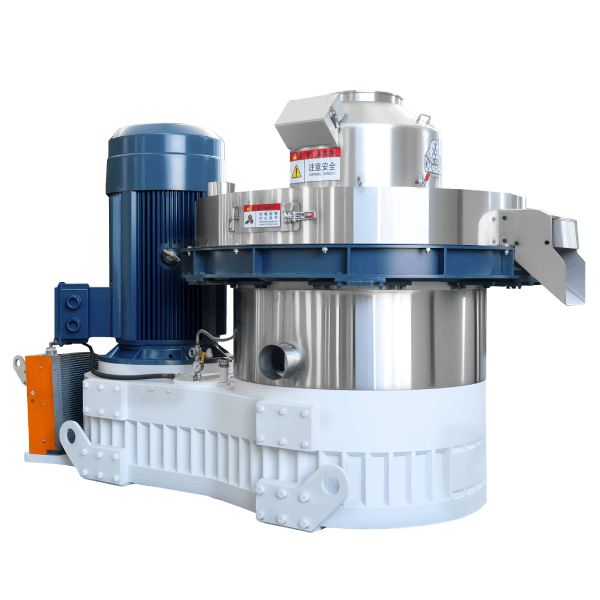
A pellet machine for export quality pellets is an industrial densification system engineered to produce biomass fuel pellets that meet international standards for durability, moisture, ash content, and bulk density. It integrates precision compression, controlled conditioning, and stable transmission to ensure consistent pellet quality suitable for overseas commercial and utility markets.
Technical Parameters and Specifications
Producing export-grade pellets requires tighter performance tolerances compared to domestic fuel production. A pellet machine for export quality pellets must ensure uniform density, low fines, and stable mechanical durability.
Typical Industrial Specifications
Rated capacity: 2–8 tons per hour
Main motor power: 132–315 kW
Ring die diameter: 520–760 mm
Pellet diameter: 6 mm or 8 mm (export standard)
Raw material moisture before pelletizing: 10–12%
Pellet durability index (PDI): ≥97.5%
Fines after cooling and screening: ≤1%
Bulk density: 600–750 kg/m³
Energy consumption: 75–95 kWh per ton
Main transmission: high-precision helical gear drive
Lubrication system: automatic centralized lubrication
Control system: PLC with load and temperature monitoring
For export contracts, pellet length uniformity (typically 10–30 mm) must also be controlled to meet shipping and handling requirements.
Structure and Material Composition
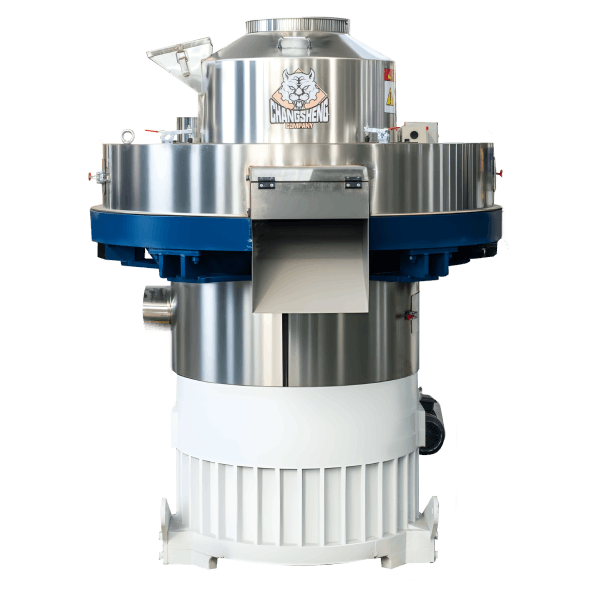
A pellet machine for export quality pellets must prioritize structural rigidity and wear resistance.
Core Components
• Alloy steel ring die with deep hole precision drilling
• Dual or triple press roller system with replaceable shells
• Hardened gearbox with forced oil circulation cooling
• Heavy-duty main shaft and bearing assembly
• Forced feeding system with anti-arching design
• Stainless steel or coated discharge chute to reduce contamination
• Vibration-isolated steel base frame
Material Engineering Considerations
• Die hardness: HRC 50–55 for extended life
• Roller shell surface treated for abrasion resistance
• High-grade bearings rated for continuous duty
• Sealed housing to prevent dust leakage
These structural features ensure dimensional stability and consistent pellet formation.
Manufacturing Process Flow
Export-grade production requires strict process discipline.
Step 1: Raw Material Screening
Magnetic separator removes ferrous particles. Vibrating screen eliminates oversized debris.
Step 2: Size Reduction
Hammer mill reduces biomass to 3–4 mm particle size for uniform compression.
Step 3: Drying
Rotary dryer reduces moisture to 10–12% to ensure optimal pellet strength.
Step 4: Conditioning (Optional Steam Addition)
Steam conditioner improves lignin activation and pellet durability.
Step 5: Compression in Pellet Machine
Rollers compress biomass through ring die under controlled pressure and temperature.
Step 6: Cooling
Counterflow cooler reduces pellet temperature to near ambient and stabilizes structure.
Step 7: Screening
Vibrating screen separates fines; recycled material returns to pelletizing stage.
Step 8: Packing
Automated weighing and bagging systems prepare pellets for container export.
A pellet machine for export quality pellets must maintain stable load conditions to prevent fluctuations in density and durability.
Industry Comparison Table
Parameter
Standard Domestic Pellet Machine
Pellet Machine for Export Quality Pellets
Feed Briquette Press
Pellet durability
92–95%
≥97.5%
Not applicable
Moisture tolerance
10–15%
10–12% (tight control)
Higher
Fines content
2–5%
≤1%
Higher
Application
Local heating
International trade
Industrial fuel blocks
Quality certification readiness
Limited
Designed for compliance
Limited
Continuous operation
Moderate
High stability
Variable
Export markets require consistent compliance with quality benchmarks, making the specialized pellet machine configuration essential.
Application Scenarios
Distributors and Exporters
Supply industrial boilers and power plants in overseas markets.
EPC Contractors
Design turnkey biomass plants for international pellet trade.
Engineering Consultants
Advise clients on compliance with durability and density standards.
Importers and Fuel Wholesalers
Require stable quality to avoid penalties under supply contracts.
A pellet machine for export quality pellets is typically integrated into medium-to-large production lines serving long-term international buyers.
Core Pain Points and Engineering Solutions
- Inconsistent Pellet Durability
Solution: Precision die machining and controlled moisture range. - High Fines During Transport
Solution: Improved compression ratio and optimized cooling stage. - Die Wear and Frequent Replacement
Solution: Heat-treated alloy die materials and correct raw material preparation. - Energy Cost Control
Solution: Proper motor sizing and stable feeding via variable frequency drive. - Export Compliance Risk
Solution: Laboratory testing of ash, moisture, and bulk density before shipment.
Each of these factors directly affects contract performance and shipping acceptance.
Risk Warnings and Mitigation Advice
• Excessive moisture leads to low durability and mold risk during shipping
• Under-dried material increases energy consumption
• Poor die alignment causes uneven pellet density
• Inadequate cooling results in structural cracking
• Lack of spare die inventory delays production during peak demand
Export producers should implement routine quality testing and preventive maintenance schedules.
Procurement Selection Guide
- Define target export market and quality requirements
- Conduct laboratory testing of raw biomass feedstock
- Determine required annual export volume
- Calculate electrical load and energy availability
- Request die material certification and hardness report
- Review gearbox brand and bearing specifications
- Evaluate automation level and control system integration
- Confirm availability of spare parts supply chain
- Assess after-sales commissioning and training support
A pellet machine for export quality pellets must be selected based on performance stability rather than lowest upfront cost.
Engineering Case Example
A biomass exporter planned to supply 40,000 tons of 6 mm wood pellets annually to an overseas industrial heating customer.
System Configuration
Two pellet machines for export quality pellets
Each rated at 4 t/h capacity
Ring die diameter: 560 mm
Main motor: 200 kW
Steam conditioning system integrated
Counterflow cooler capacity: 8 t/h
Operational Data
Average pellet durability: 98.2%
Fines after screening: 0.8%
Energy consumption: 88 kWh per ton
Daily operating time: 20 hours
The plant achieved stable monthly export shipments with minimal quality claims during the first operating year.
Frequently Asked Questions
- What pellet diameter is preferred for export?
6 mm and 8 mm are most common. - What durability index is required?
Typically above 97.5%. - Is steam conditioning mandatory?
Not mandatory but improves durability. - What moisture level is ideal before pelletizing?
10–12%. - How long does a ring die last?
3,000–6,000 operating hours depending on material. - What ash content is acceptable?
Depends on contract, commonly below 1.5%. - How is fines content reduced?
Through optimized compression and cooling. - Can agricultural waste be exported as pellets?
Yes, if meeting buyer specifications. - What is typical energy consumption?
75–95 kWh per ton. - How long is installation and commissioning?
Approximately 30–60 days depending on plant scale.
Call to Action
For detailed technical documentation, pellet quality test parameters, and a formal quotation for a pellet machine for export quality pellets, submit your target annual output, raw material analysis, and export market requirements for engineering evaluation.
E-E-A-T Author Credentials
This article is prepared by a biomass process engineer with over a decade of experience in pellet plant design, export-oriented fuel production systems, and international biomass project commissioning across multiple continents.