Page SEO Summary: This beginner’s guide answers whether you can make your own wood pellets—covering equipment needs, raw materials, costs, and whether DIY production is worth the investment.
If you have a wood stove, pellet stove, or simply want to reduce your heating costs, you might have wondered: can I make my own wood pellets? The short answer is yes. With the right equipment and materials, you can produce your own wood pellets at home or on your farm.
But is it worth it? What do you need? How much does it cost? This guide provides the answers you need to decide if DIY wood pellet production is right for you.
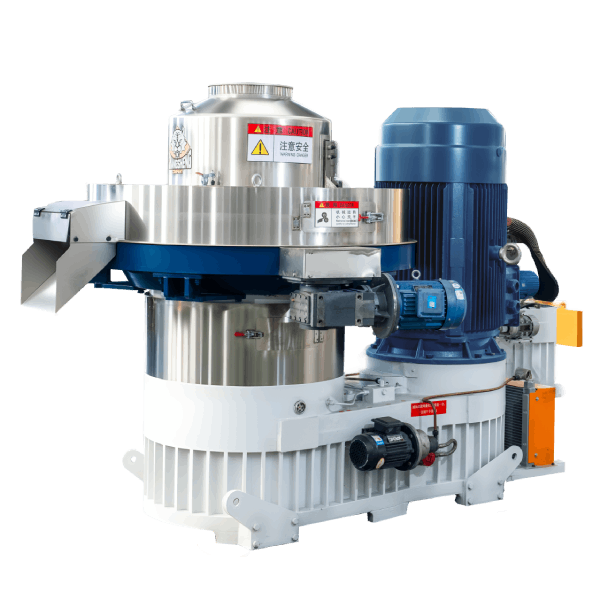
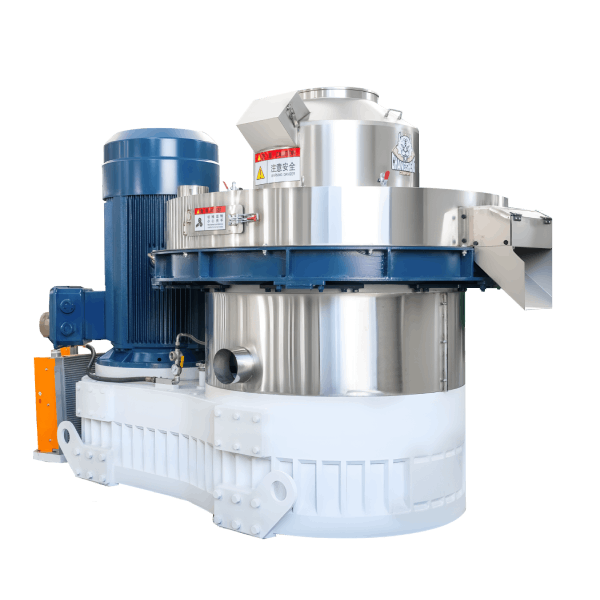
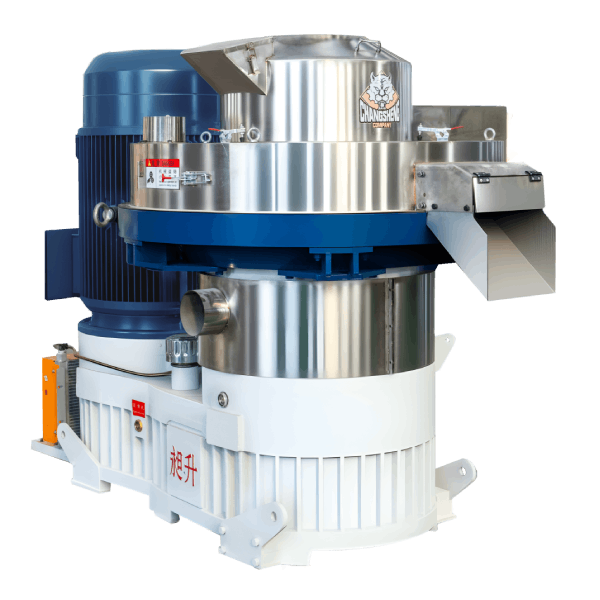
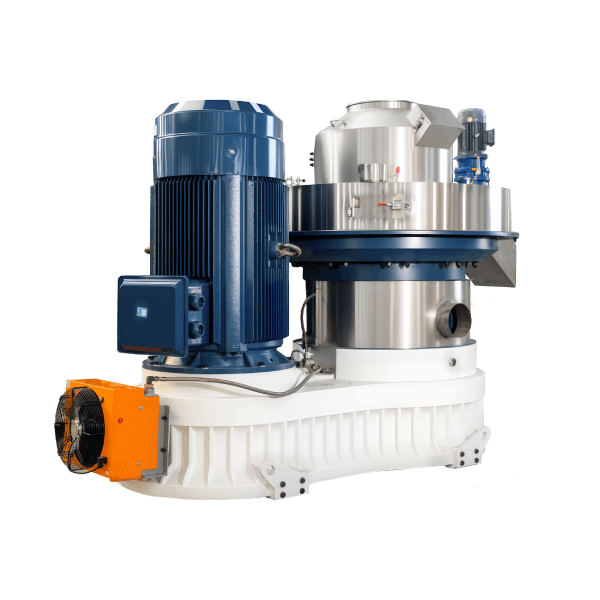
A small flat die pellet mill from a manufacturer like Shandong Changsheng Machinery Co., Ltd. is the most common choice for home and small farm production.
3. Space
Area
Requirement
Size
Machine area
Equipment footprint
2-5 m²
Work area
Operation space
5-10 m²
Storage
Material and pellets
10-20 m²
The Process: Step by Step
1. Prepare the Material
Step
Action
Details
1
Dry material
Reduce to 10-12% moisture
2
Grind material
Reduce to 2-5 mm particle size
3
Remove contaminants
No metal, stones
2. Pelletizing
Step
Action
Details
1
Start pellet mill
Warm up
2
Feed material gradually
Don’t overload
3
Monitor pellet quality
Check appearance
4
Adjust as needed
Feed rate, moisture
3. Cooling and Storage
Step
Action
Details
1
Cool pellets
Air cool
2
Remove fines
Screen if possible
3
Store in dry place
Protect from moisture
Cost Analysis
Equipment Investment
Item
Estimated Cost
Notes
Small pellet mill
$800-1,500
Entry level
Hammer mill
$300-1,000
If needed
Total equipment
$1,100-2,500
Operating Cost
Item
Cost per Ton
Notes
Raw material
$0-100
Free if waste
Electricity
$10-20
Machine operation
Maintenance
$5-15
Dies, rollers
Total cost
$15-135
Savings Comparison
Scenario
Cost per Ton
Annual Savings
Purchased pellets
$200-300
Reference
DIY (free material)
$15-35
$165-285/ton
DIY (purchased material)
$50-100
$100-250/ton
Example: 5 tons/year
Scenario
Annual Cost
Savings vs Purchased
Purchased pellets
$1,250
—
DIY (free material)
$175
$1,075/year
DIY (purchased material)
$375
$875/year
Is It Worth It?
Factors to Consider
Factor
When It’s Worth It
When It’s Not
Material cost
Free or very cheap
Expensive material
Usage volume
>3-5 tons/year
<1-2 tons/year
Time availability
Have time to process
Limited time
Equipment budget
Can invest
Cannot invest
Heating needs
High heating need
Low heating need
Break-even Analysis
Usage
Payback Period
Notes
2 tons/year
2-4 years
Marginal
5 tons/year
1-2 years
Good
10 tons/year
<1 year
Excellent
Common Challenges
Potential Issues
Challenge
Solution
Material too wet
Dry before use
Material too coarse
Grind finer
Poor pellet quality
Check moisture, particle size
Machine jamming
Feed slower, check material
Die wear
Replace when needed
Safety Considerations
Risk
Precaution
Dust inhalation
Use dust mask, ventilation
Fire hazard
Keep area clean, fire extinguisher
Moving parts
Guards, careful operation
Hot surfaces
Let cool before handling
Quality Considerations
What to Expect
Aspect
DIY Quality
Commercial Quality
Consistency
Variable
Uniform
Durability
Good
Excellent
Ash content
Variable
Consistent
Moisture
Variable
Consistent
Appearance
Less uniform
Uniform
Tips for Better Quality
Tip
Why
Use consistent material
Better quality
Maintain proper moisture
Essential
Keep die in good condition
Better pellets
Learn the process
Improvement over time
Procurement Checklist
Before Starting
□ Material source confirmed
□ Material moisture assessed
□ Equipment budget established
□ Space available
□ Time commitment understood
Equipment Selection
□ Pellet mill selected (flat die)
□ Additional equipment (grinder, dryer) assessed
□ Supplier verified
□ Budget confirmed
Decision
□ Cost-benefit analysis completed
□ Decision to proceed (or not)
Frequently Asked Questions
1. Can I really make my own wood pellets?
Yes. With a small flat die pellet mill and proper raw materials, you can make your own wood pellets at home or on your farm.
2. What equipment do I need?
The minimum is a flat die pellet mill. You may also need a hammer mill (for grinding) and a dryer (if material is wet).
3. Is it cheaper to make my own pellets?
Yes, especially if you have access to free or low-cost raw materials. Savings can be $100-285 per ton.
4. What materials can I use?
Sawdust, wood chips, wood shavings, and clean wood waste are the best materials.
5. How long does it take to make pellets?
Production time depends on the machine capacity. A small machine producing 50 kg/h can make 400 kg in an 8-hour day.
6. Are homemade pellets as good as commercial ones?
They can be, but consistency may be lower. With proper materials and technique, quality can be comparable.
7. What is the biggest challenge?
Moisture control is the biggest challenge. Material must be at 10-12% moisture for good pellets.
8. Is it worth the investment?
For users needing 3+ tons per year with access to cheap materials, yes. For small users, purchased pellets may be more practical.
Zhang Wei has over 12 years of experience in the biomass and feed pellet mill industry, with a background in mechanical engineering and international project execution. He has helped countless homeowners, farmers, and small businesses start their own pellet production.
With hands-on experience in both the manufacturing workshop and client-side operations, Zhang brings practical insights into successful DIY pellet production—from the factory floor to the home workshop.