Pellet Mill for Coir Pith Processing: Complete Technical Guide

News 2026-07-28

Page SEO Summary: This technical guide helps project developers and procurement professionals evaluate pellet mills for coir pith processing—covering material properties, unique challenges (salt, moisture, fiber), equipment specifications, and market opportunities for this coconut processing by-product.

Coir pith, also known as coco peat or coir dust, is the spongy, powdery by-product of coconut fiber processing. For every ton of coir fiber produced, approximately 1.5-2 tons of coir pith is generated. This material has long been used as a horticultural growing medium, but its potential as a biomass fuel is increasingly recognized.

Pelletizing coir pith offers a value-added opportunity for coconut processing facilities and bioenergy developers. However, coir pith presents unique challenges: high salt content, very high moisture, fine particle size, and low bulk density. Successful processing requires careful attention to pre-treatment and equipment selection.

This guide provides a comprehensive technical framework for evaluating pellet mills for coir pith processing applications.


Understanding Coir Pith

What Is Coir Pith?

AspectDetails
DefinitionFine, powdery by-product from coconut fiber processing
Production1.5-2 tons per ton of coir fiber
Annual global production5-8 million tons
Current useHorticultural growing medium; waste
PotentialFuel pellets; briquettes; soil amendment

Key Production Regions

CountryCoir Fiber ProductionCoir Pith Production
India300,000-400,000 tons450,000-800,000 tons
Sri Lanka100,000-150,000 tons150,000-300,000 tons
Philippines50,000-80,000 tons75,000-160,000 tons
Thailand30,000-50,000 tons45,000-100,000 tons

Physical and Chemical Properties

PropertyCoir PithWoodWheat StrawRelevance
Moisture (%)40-708-1210-20Very high
Ash content (%)3-10<1.55-10Moderate
Lignin (%)30-3525-3515-20Good binder
Cellulose (%)35-4540-5035-45Good fiber
Salt content (%)2-500Unique challenge
Calorific value (MJ/kg)15-1716.5-1815-16Good

Unique Characteristics

CharacteristicDetailImpact
High salt contentUp to 5% chloridesCorrosion; must be washed
Fine particle sizePowdery; 1-3 mmFeeding; dust control
High moisture40-70%Significant drying
Low bulk density120-180 kg/m³Feeding challenges
Spongy textureAbsorbentDifficult to dry

Unique Challenges of Coir Pith Pelleting

The Five Key Challenges

ChallengeCauseImpactSolution
Salt contentAbsorbed chloridesCorrosion; ash issuesWater washing
High moistureSpongy structureDrying costPressing + drying
Fine particlesPowdery natureDust; feedingBinders; special feeding
Low densitySpongy structureBridgingForce feeder
Variable qualityProcessing variationsInconsistentQuality control

Salt: The Critical Factor

AspectDetailImplication
Salt sourcesSea water absorptionCorrosive
Typical content2-5% chloridesMust be reduced
Washing requirementEssentialAdds process step
Water requirement2-3× pith weightSignificant water use
EffluentSalty waterEnvironmental concern

Processing Parameters

Optimal Conditions for Coir Pith Pelleting

ParameterRecommended RangeNotes
Moisture content10-15%Critical for binding
Particle size1-3 mmAlready fine
Temperature90-110°CGood lignin activation
Compression ratio (L/D)1:10 to 1:14Good binder content
Salt content<1%After washing
AdditivesMay be neededBinding if salt not removed

Effect of Moisture

Moisture LevelEffect
<10%Poor binding; high dust
10-15%Optimal range
15-20%Acceptable; reduced quality
>20%Steam issues; poor quality

Pre-Processing: The Critical Steps

Essential Pre-Processing Steps

StepEquipmentPurpose
1. WashingWashing tank; conveyorRemove salt
2. DewateringScrew pressReduce moisture to 30-40%
3. DryingRotary or belt dryerReduce to 10-15%
4. Compaction/FeedingForce feederHandle low density

Washing: The Salt Removal Step

ParameterRequirementNotes
Water typeFresh waterAvoid salt contamination
Wash water ratio2-3:1Water to pith
Residence time15-30 minutesAdequate salt removal
Final salt content<1%Acceptable for fuel
Effluent disposalEnvironmentalMust be managed

Drying: The Energy-Intensive Step

MethodAdvantagesConsiderations
Rotary dryerHigh capacityHigh energy
Belt dryerGentle; good qualityLower capacity
Screw pressMechanical dewateringReduces drying load

Equipment Requirements

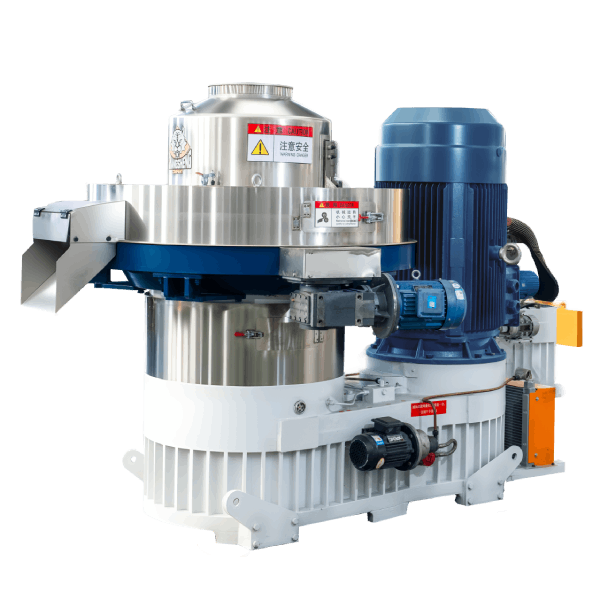
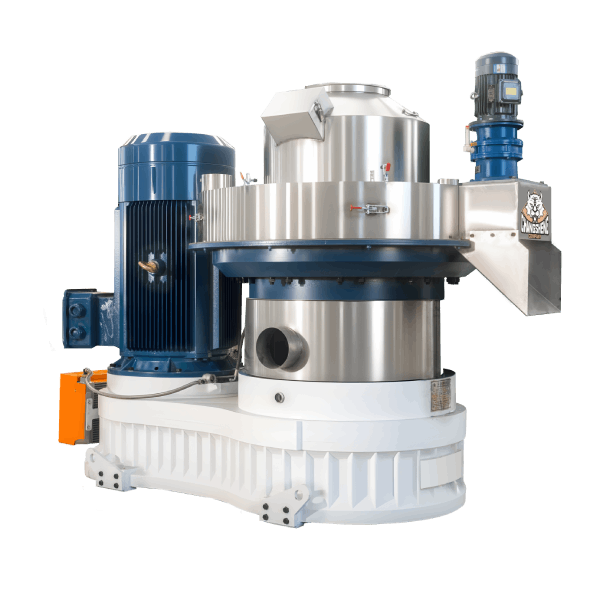
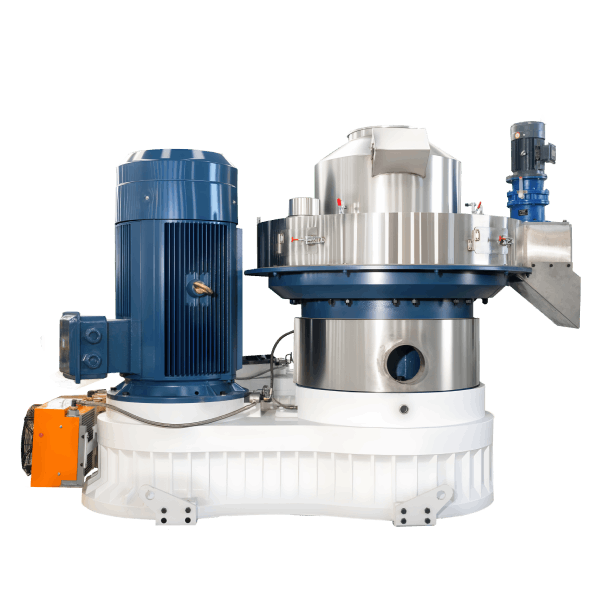
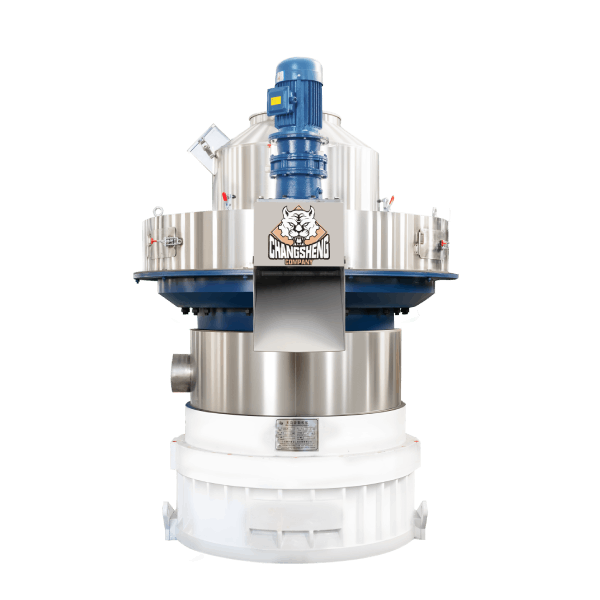
Pellet Mill Specifications for Coir Pith

SpecificationRecommendationRationale
Motor power1.1-1.3× standardFine material; compaction
Die materialPremium alloy (X46Cr13 or higher)Moderate wear
Die compression ratio1:10 to 1:14Good binder content
Feeder designForce feederLow bulk density
ConditionerRecommendedHeat activation
Roller materialHardenedModerate wear

Additional Equipment

EquipmentPurposeImportance
Washing systemSalt removalEssential
Screw pressDewateringEssential
DryerMoisture reductionEssential
Force feederMaterial feedingEssential

pellet machine

Complete Process Flow

Step-by-Step for Coir Pith Pellets

StageEquipmentParametersPurpose
ReceivingStorage; conveyorsRaw pith handling
WashingWashing tankFresh waterSalt removal
DewateringScrew pressReduce moistureMechanical water removal
DryingDryer10-15% moistureFinal moisture reduction
GrindingHammer mill (optional)If agglomerated
ConditioningConditioner90-110°CSoften; activate lignin
PelletizingPellet millModerate L/DForm pellets
CoolingCoolerAmbientStabilize pellets
ScreeningFines screenRemove fines
PackagingBaggingFinal product

Pellet Quality and Applications

Coir Pith Pellet Specifications

ParameterTypical ValueNotes
Calorific value15-17 MJ/kgGood
Moisture content8-12%Good
Ash content3-8%Moderate
Salt content<1%After washing
Durability (PDI)85-92%Good

Applications

ApplicationSuitabilityNotes
Industrial combustionGoodPrimary market
Power generationGoodGrowing
Horticulture (pellets)LimitedDifferent application
ExportModerateQuality dependent
Local heatingGoodRegional

Economic Analysis

Cost Factors

FactorAdvantage/Disadvantage
Raw material costVery low (waste)
Washing costSignificant cost
Drying costSignificant cost
Equipment costModerate

Investment Estimates

ScaleCapacity (t/y)Investment (Est.)
Small2,000-5,000$300,000-700,000
Medium5,000-10,000$700,000-1,500,000
Large10,000-20,000$1,500,000-3,500,000

Payback Analysis

ScenarioPayback Period
Good market, efficient operation3-5 years
Typical operation4-6 years

Procurement Checklist: Coir Pith Pellet System

Material Assessment

  • □ Coir pith availability and volume confirmed
  • □ Salt content measured
  • □ Moisture content measured
  • □ Ash content evaluated

Equipment Specifications

  • □ Washing system included
  • □ Dewatering press included
  • □ Drying system capacity matched
  • □ Force feeder included
  • □ Premium die material specified
  • □ Die compression ratio: 1:10 to 1:14

Process Parameters

  • □ Moisture target: 10-15%
  • □ Salt target: <1%
  • □ Temperature target: 90-110°C

Supplier Evaluation

  • □ Supplier experience with coir pith or similar
  • □ References from coir pith projects
  • □ Washing and drying expertise

Frequently Asked Questions

1. Can coir pith be pelleted?

Yes. Coir pith can be made into biomass pellets, but it requires washing (salt removal), dewatering, drying, and proper equipment. The processing is more complex than wood.

2. Why must salt be removed?

Coir pith contains 2-5% salts from sea water. If not washed, salts cause corrosion in boilers and increase ash content. Washing to <1% salt content is essential for fuel applications.

3. What moisture content is needed?

Coir pith must be dried to 10-15% moisture before pelleting. Raw pith can contain 40-70% moisture.

4. What is the optimal compression ratio?

Coir pith typically requires 1:10 to 1:14, which is similar to wood.

5. Are coir pith pellets suitable for residential heating?

Limited. The higher ash content (3-8%) makes them less suitable for residential stoves. Industrial boilers are the primary market.

6. How does coir pith compare to wood?

Similar calorific value, moderate processing difficulty. Slightly higher ash and salt content. The main difference is the washing requirement.

7. What are the main challenges?

Main challenges: salt removal, high moisture, low bulk density, and dust. These require significant investment in pre-processing.

8. Is coir pith pelleting economically viable?

Yes, particularly in coconut-producing regions. Low raw material cost makes it viable with proper scale. However, pre-processing costs (washing, drying) are significant.


About the Author

Zhang Wei – Senior International Sales Engineer, Shandong Changsheng Machinery Co., Ltd.

Zhang Wei has over 12 years of experience in the biomass and feed pellet mill industry, with a background in mechanical engineering and international project execution. He has managed pellet mill supply projects for clients across Southeast Asia, the Middle East, Africa, Europe, and Latin America, including extensive experience with agricultural residues and specialty feedstocks.

With hands-on experience in both the manufacturing workshop and client-side operations, Zhang brings practical insights into successful equipment procurement—from the factory floor to the customer’s production site.