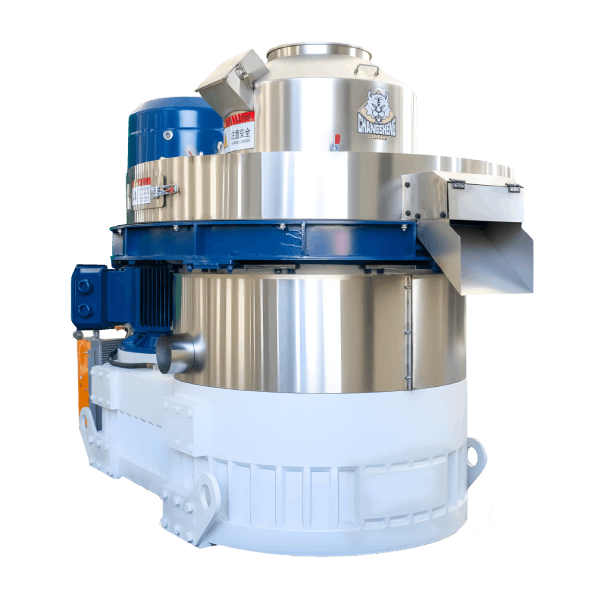
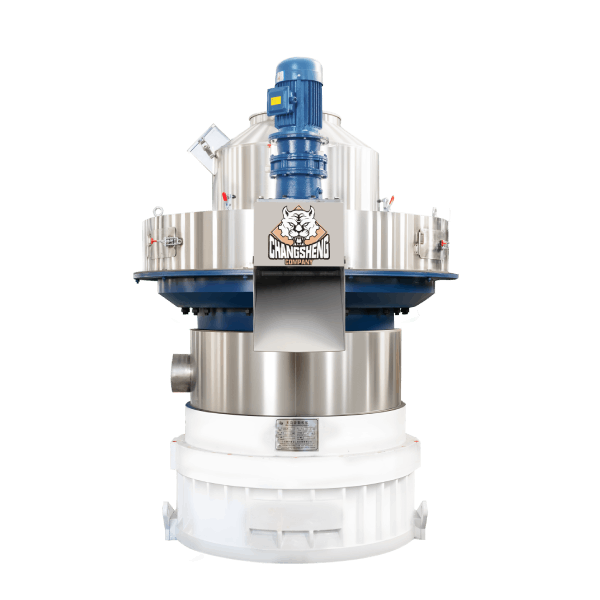
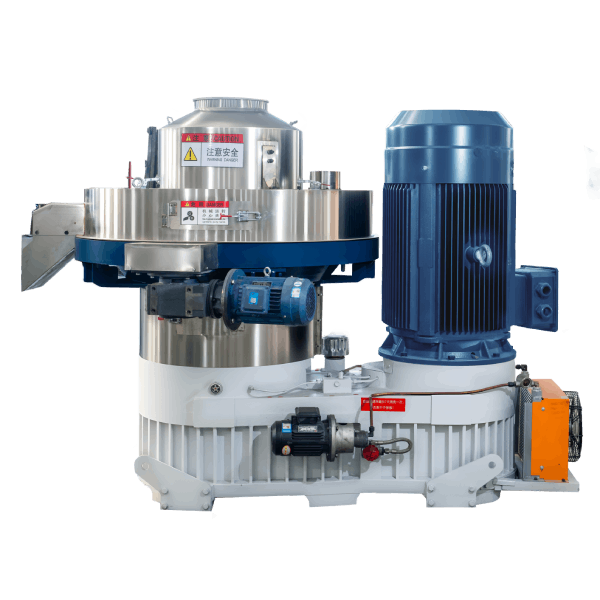
Pellet machine for softwood vs hardwood
News 2026-03-01
Pellet Machine for Softwood vs Hardwood: Engineering Comparison for Industrial Pellet Production
Product Definition
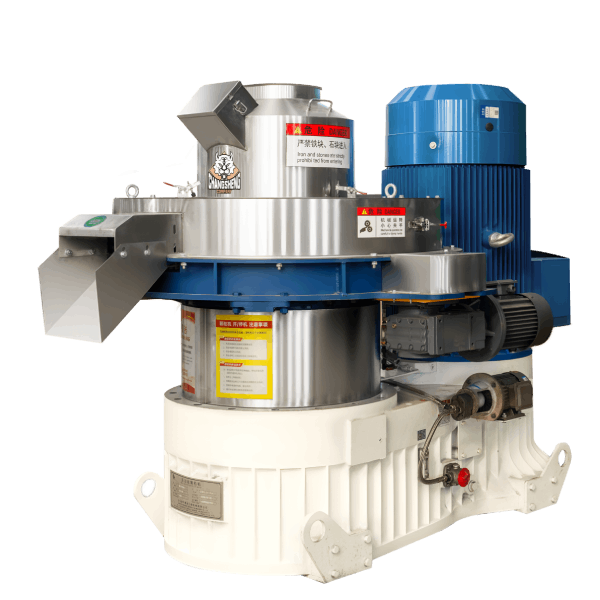
A pellet machine for softwood vs hardwood is an industrial biomass compression system engineered to process different wood fiber densities, resin content, and lignin structures. Equipment configuration, die design, and operating parameters must be adjusted to ensure stable pellet quality, optimal energy efficiency, and long component lifespan.
Technical Parameters and Operational Specifications
When evaluating a pellet machine for softwood vs hardwood, the core difference lies in material density, natural resin content, and fiber hardness. These properties directly affect compression pressure, die configuration, and power requirements.
Typical Material Characteristics
Softwood (pine, spruce)
• Bulk density: 180–250 kg/m³
• Lignin content: 26%–32%
• Natural resin: High
• Fiber hardness: Moderate
Hardwood (oak, beech, eucalyptus)
• Bulk density: 250–350 kg/m³
• Lignin content: 20%–25%
• Natural resin: Low
• Fiber hardness: High
Pellet Machine Technical Parameters
For Softwood
• Die compression ratio: 1:5 to 1:6
• Feed moisture: 10%–14%
• Main motor power (5–6 t/h line): 200–250 kW
• Die hole diameter: 6–8 mm
• Specific energy consumption: 80–95 kWh/t
For Hardwood
• Die compression ratio: 1:6 to 1:8
• Feed moisture: 9%–12%
• Main motor power (5–6 t/h line): 250–315 kW
• Die hole diameter: 6–8 mm
• Specific energy consumption: 95–120 kWh/t
A properly engineered pellet machine for softwood vs hardwood ensures stable output by adjusting compression ratio and motor load according to fiber characteristics.
Structure and Material Composition
The mechanical structure of a pellet machine for softwood vs hardwood remains similar, but component specifications differ.
Core Components
- Ring Die
• Alloy steel (20CrMnTi or equivalent)
• Vacuum heat treated
• Different effective compression length for hardwood - Press Rollers
• Wear-resistant surface hardening
• Adjustable roller gap - Main Shaft and Bearings
• Heavy-duty spherical roller bearings
• Reinforced shaft design for hardwood load - Feeding System
• Variable frequency controlled feeder
• Anti-bridging agitator - Lubrication System
• Automatic grease injection
• Temperature monitoring
For hardwood applications, higher hardness materials and thicker die walls are recommended.
Manufacturing Process and Engineering Workflow
Step 1: Raw Material Screening
Remove stones and metal contaminants to prevent die damage.
Step 2: Size Reduction
Hammer mill output size: 3–5 mm for both softwood and hardwood.
Step 3: Drying
Softwood target moisture: 11%–13%
Hardwood target moisture: 9%–11%
Step 4: Conditioning
Optional steam conditioning improves hardwood binding due to lower natural resin.
Step 5: Pelletizing
Softwood compresses more easily due to higher lignin and resin.
Hardwood requires higher pressure and stable feed rate.
Step 6: Cooling and Screening
Counterflow cooler reduces pellet temperature to near ambient.
Final moisture: 6%–9%.
Engineering optimization of a pellet machine for softwood vs hardwood focuses on maintaining stable amperage and avoiding sudden torque spikes.
Industry Comparison
Parameter | Softwood | Hardwood
Bulk Density | Lower | Higher
Lignin Content | Higher | Lower
Compression Difficulty | Moderate | High
Energy Consumption | Lower | Higher
Die Wear Rate | Moderate | Faster
Resin Contribution | Strong natural binding | Limited
In a pellet machine for softwood vs hardwood scenario, hardwood production typically results in 10%–20% higher energy demand.
Application Scenarios
Distributors
Must determine whether clients process softwood, hardwood, or mixed species before selecting equipment configuration.
EPC Contractors
Define pellet machine for softwood vs hardwood performance parameters in technical specifications to prevent commissioning disputes.
Engineering Consultants
Conduct load calculation based on wood density and annual production target.
Importers and Wholesalers
Evaluate pellet durability index (PDI) differences between softwood and hardwood pellets.
Technical Managers
Monitor die wear patterns and power load variation depending on feedstock type.
Core Pain Points and Engineering Solutions
- Excessive Energy Consumption with Hardwood
Cause: Inadequate compression ratio
Solution: Increase die effective length and optimize roller pressure. - Pellet Cracking in Softwood
Cause: Over-compression
Solution: Reduce compression ratio and stabilize moisture. - Rapid Die Wear
Cause: High-density hardwood fibers
Solution: Upgrade die material hardness and optimize lubrication. - Unstable Output Capacity
Cause: Mixed wood species without process adjustment
Solution: Install material blending control and adjust feeder speed. - Roller Slippage
Cause: Incorrect moisture range
Solution: Maintain consistent feed moisture within recommended limits.
Risk Warnings and Mitigation
• Mixing hardwood and softwood without recalibration may cause torque fluctuation.
• Insufficient motor power for hardwood can overload bearings.
• Excessive resin in softwood may increase die temperature.
• Incorrect compression ratio reduces pellet durability.
Mitigation Measures
• Conduct material lab testing before procurement.
• Ensure motor power margin of at least 10%.
• Monitor die temperature continuously.
• Replace worn rollers in scheduled intervals.
Procurement and Selection Guide
- Identify wood species ratio (softwood vs hardwood percentage).
- Test bulk density and moisture characteristics.
- Define required output capacity (t/h).
- Select motor power with sufficient torque margin.
- Confirm die compression ratio specification in contract.
- Verify supplier provides wear part lifecycle data.
- Evaluate energy consumption per ton during trial run.
- Review after-sales technical support capability.
Selecting the correct pellet machine for softwood vs hardwood prevents underperformance and excessive operational cost.
Engineering Case Example
Project: 8 t/h Export Pellet Line
Location: Southeast Asia
Raw Material Mix: 70% Rubberwood (hardwood), 30% Pine (softwood)
Configuration
• Two 315 kW ring die pellet mills
• Die compression ratio: 1:7
• Steam conditioning system installed
• Rotary dryer capacity: 3 t/h evaporation
Operational Data
• Average power consumption: 108 kWh/t
• Pellet durability index: 96%
• Die replacement interval: 1,200 operating hours
After adjusting compression ratio and conditioning parameters, the pellet machine for softwood vs hardwood achieved stable output and reduced downtime by 18%.
FAQ
- Is one pellet machine suitable for both softwood and hardwood?
Yes, with adjustable die and parameter configuration. - Which material consumes more energy?
Hardwood generally requires higher energy input. - Does softwood produce stronger pellets?
Often yes, due to higher natural resin. - Can mixed species be processed directly?
Yes, but parameter adjustment is required. - What compression ratio is ideal for hardwood?
Typically between 1:6 and 1:8. - Does hardwood increase die wear?
Yes, due to higher density. - Is steam conditioning necessary for softwood?
Usually not mandatory. - What motor power is recommended for 5 t/h hardwood line?
Around 250–315 kW depending on configuration. - How does moisture affect both materials?
Both require controlled moisture, but hardwood is more sensitive to over-drying. - Is pellet durability different between materials?
Softwood pellets often show slightly higher durability under similar conditions.
Request Technical Documentation or Quotation
For a detailed comparison report, energy consumption analysis, or customized engineering proposal for pellet machine for softwood vs hardwood applications, contact our technical department for formal project evaluation and pricing documentation.
Authoritative Technical Statement (E-E-A-T)
This article is prepared by an industrial biomass equipment engineering team with over 15 years of experience in pellet plant design, wood material performance analysis, and international commissioning projects. All specifications and operational ranges are based on practical industrial operation data and validated engineering standards used in commercial biomass pellet facilities worldwide.