Page SEO Summary: This comprehensive guide covers flat die pellet mills—working principles, advantages, disadvantages, and selection guidance for small-scale production.
The flat die pellet mill is the most common type of pellet mill for small-scale production. Its simple design, affordable price, and ease of operation make it the go-to choice for farmers, hobbyists, and small businesses entering the pellet production market.
This guide provides a complete overview of flat die pellet mills, helping you understand how they work, their advantages and limitations, and whether they are right for your needs.
What Is a Flat Die Pellet Mill?
Basic Definition
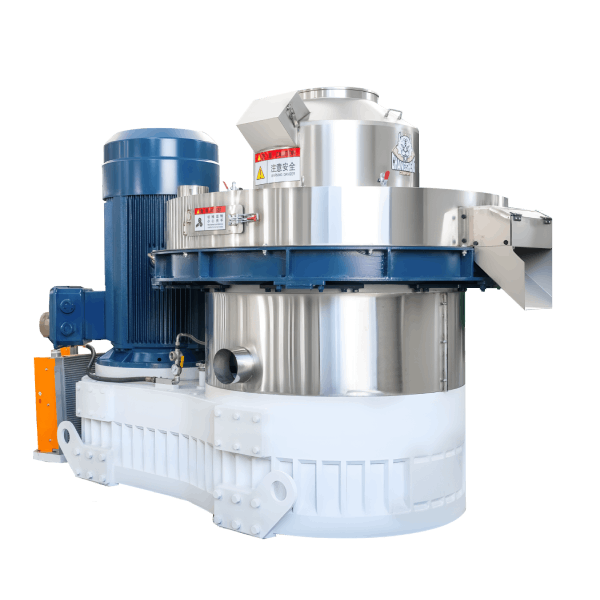
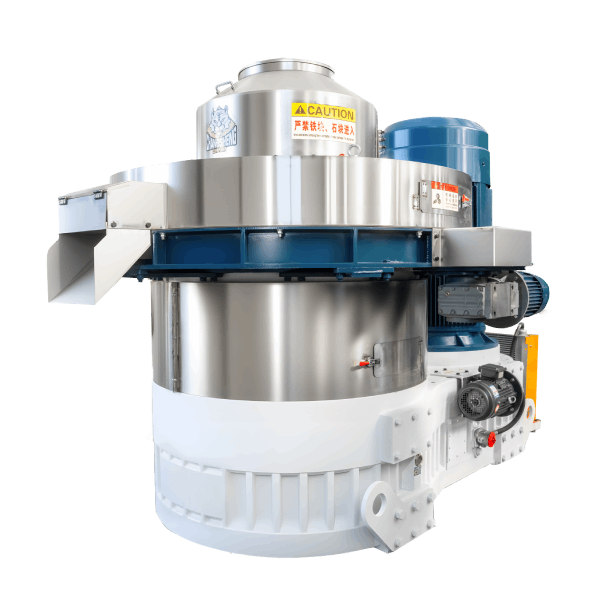
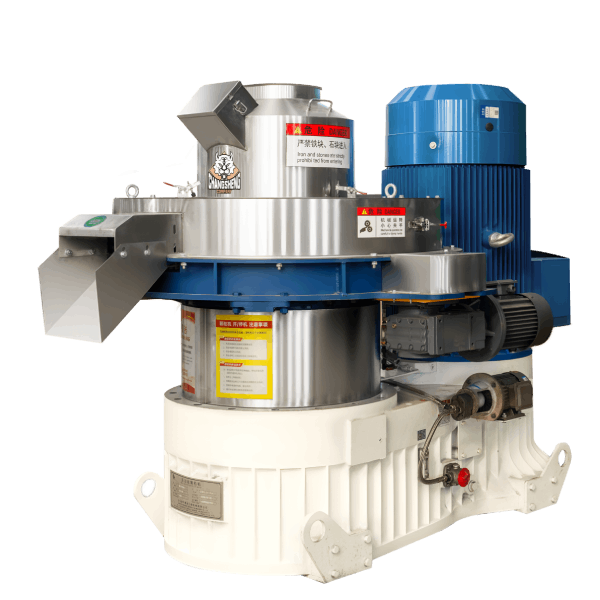
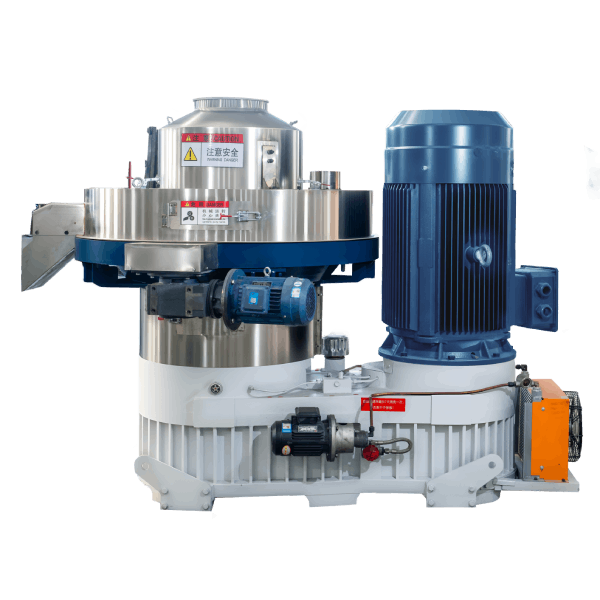
A flat die pellet mill is a machine that compresses material into pellets using a flat, horizontal plate with holes (the die) and rollers that rotate on top of it. Material falls onto the die surface, and rollers press it through the holes.
How It Works
Step
Description
1
Material falls onto the flat die surface
2
Rollers rotate, pressing material into die holes
3
Material compresses and extrudes through holes
4
Pellets emerge from the bottom of the die
5
Cutters trim pellets to length
Key Components
Component
Function
Die
Flat plate with holes, shapes pellets
Rollers
Press material through the die
Motor
Provides power
Feeder
Controls material input
Cutters
Trim pellets to length
Flat Die vs Ring Die
Quick Comparison
Aspect
Flat Die
Ring Die
Die shape
Flat, horizontal
Vertical ring
Roller position
Above die
Inside die
Capacity
30-300 kg/h
200-5,000+ kg/h
Cost
Lower
Higher
Pellet quality
Good
Excellent
Complexity
Simple
More complex
Best for
Small scale
Commercial
Which to Choose
If You Need
Choose
<200 kg/h capacity
Flat die
Limited budget
Flat die
Simple operation
Flat die
>200 kg/h capacity
Ring die
Highest quality
Ring die
Efficiency
Ring die
Advantages of Flat Die Pellet Mills
Lower Cost
Aspect
Flat Die
Ring Die
Machine price
$300-5,000
$5,000-80,000+
Die replacement
$50-200
$500-2,000+
Maintenance
Lower
Higher
Simplicity
Aspect
Advantage
Operation
Easy to learn
Maintenance
Simple repairs
Cleaning
Easy access
Training
Minimal required
Portability
Aspect
Advantage
Weight
50-300 kg
Footprint
1-3 m²
Mobility
Can be moved
Versatility
Aspect
Advantage
Materials
Handles various materials
Applications
Feed, wood, biomass
Users
Farms, hobby, small business
Limitations of Flat Die Pellet Mills
Capacity
Aspect
Limitation
Maximum capacity
~300-500 kg/h
Not suitable for
Large commercial production
Wear
Aspect
Limitation
Die life
Shorter (100-300 hours)
Cost per ton
Higher than ring die
Efficiency
Aspect
Limitation
Energy per ton
Higher than ring die
Output consistency
Good but lower than ring die
Applications
Primary Applications
Application
Description
Users
Animal feed
Poultry, pig, rabbit feed
Small farms
Wood pellets
Heating, fuel
Homeowners, farms
Biomass pellets
Agricultural waste
Farms, small business
Scale
Scale
Capacity
Typical Users
Micro
20-50 kg/h
Hobby, home
Small
50-150 kg/h
Small farms
Small-medium
150-300 kg/h
Small commercial
Choosing a Flat Die Pellet Mill
Key Factors
Factor
Consideration
Capacity
Match to your needs
Material
What will you process?
Power supply
Single-phase or 3-phase
Budget
How much to spend
Space
Available area
Capacity Selection
Application
Recommended Capacity
Home/hobby
20-50 kg/h
Small farm
50-100 kg/h
Small business
100-300 kg/h
Power Supply
Power
Available?
Machine Options
Single-phase 220V
Most homes
Small machines (under 5 kW)
3-phase 380V
Some farms/shops
Larger machines (5+ kW)
Price Overview
Price Ranges
Capacity
Price Range (USD)
20-50 kg/h
$300-800
50-100 kg/h
$800-1,500
100-150 kg/h
$1,500-2,500
150-250 kg/h
$2,500-4,000
250-300 kg/h
$4,000-5,500
Additional Costs
Item
Cost
Die replacement
$50-200
Roller replacement
$30-100
Maintenance
$100-300/year
Operation and Maintenance
Daily Operation
Step
Task
1
Prepare material (moisture, particle size)
2
Start machine
3
Feed material gradually
4
Monitor pellet quality
5
Clean after use
Maintenance
Task
Frequency
Clean die
After each use
Lubricate
Weekly
Inspect rollers
Monthly
Replace die
As needed
Procurement Checklist
Before Buying
□ Capacity requirement confirmed
□ Material type identified
□ Power supply confirmed
□ Budget established
□ Space available
During Evaluation
□ Multiple suppliers compared
□ Component quality reviewed
□ Warranty terms understood
□ Support capability confirmed
Final Decision
□ Best option selected
□ Supplier chosen
□ Order placed
Frequently Asked Questions
1. What is a flat die pellet mill?
A flat die pellet mill is a machine that compresses material into pellets using a flat, horizontal plate with holes and rotating rollers on top.
2. How does a flat die pellet mill work?
Material falls onto the flat die surface, rollers press it through the holes, and pellets emerge from the bottom of the die.
3. What is the capacity range?
Flat die pellet mills typically range from 20-300 kg/h, with some models up to 500 kg/h.
4. What is the price range?
Prices range from $300-5,500 depending on capacity and features.
5. Is flat die better than ring die?
Neither is universally better. Flat die is better for small scale, low budget, and simplicity. Ring die is better for commercial scale and higher quality.
6. What materials can be processed?
Animal feed, wood (sawdust, chips), agricultural residues, and many biomass materials.
7. What power supply is needed?
Small machines (under 5 kW) run on single-phase 220V. Larger machines need 3-phase power.
8. How long does a die last?
A flat die typically lasts 100-300 hours depending on material and usage.
Zhang Wei has over 12 years of experience in the biomass and feed pellet mill industry, with a background in mechanical engineering and international project execution. He has helped clients across Southeast Asia, the Middle East, Africa, Europe, and Latin America select flat die pellet mills for their small-scale operations.
With hands-on experience in both the manufacturing workshop and client-side operations, Zhang brings practical insights into successful equipment procurement—from the factory floor to the small farm.