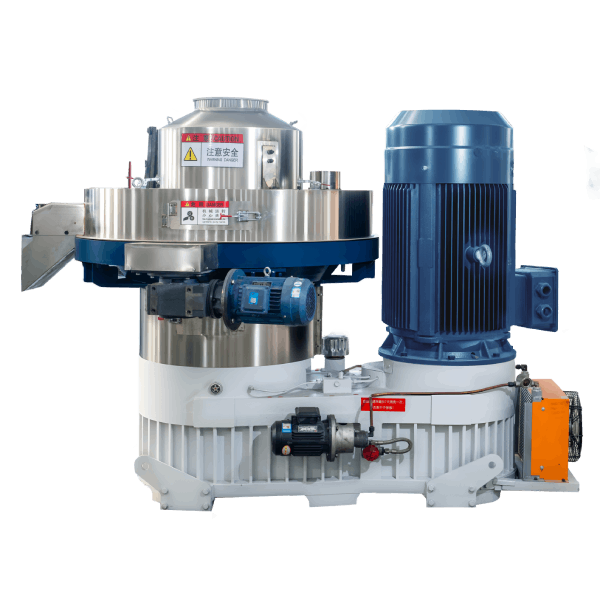
Pellet Die Cracks: Causes, Inspection and When to Replace
News 2026-10-29 45
A pellet die that cracks has usually been through a condition that the die was not designed for, and the crack is the visible end of a chain that started earlier. A material defect or a manufacturing defect can also produce an early crack, and the die record and the supplier docu...
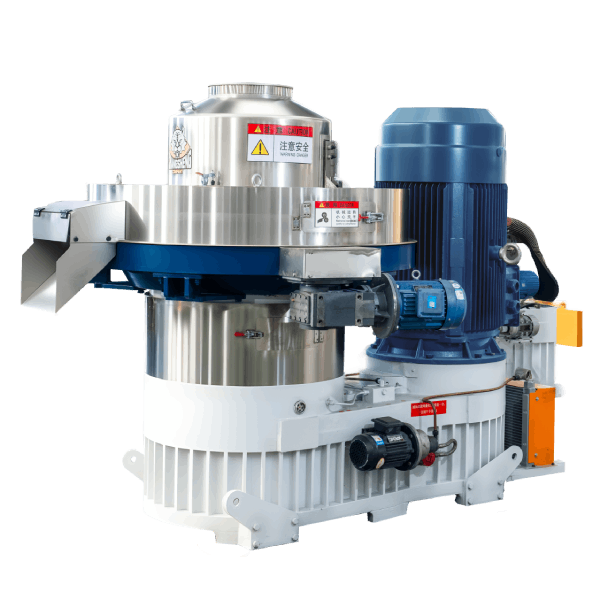
Pellet Mill Roller Worn Flat: Causes, Checks and Replacement
News 2026-10-29 51
A pellet mill roller that has worn flat is usually a wear problem, but the flat spot is usually a symptom of a condition that was present before the wear appeared. A foreign object impact and a sudden overload can also produce a flat spot, and the flat spot shape and the material...
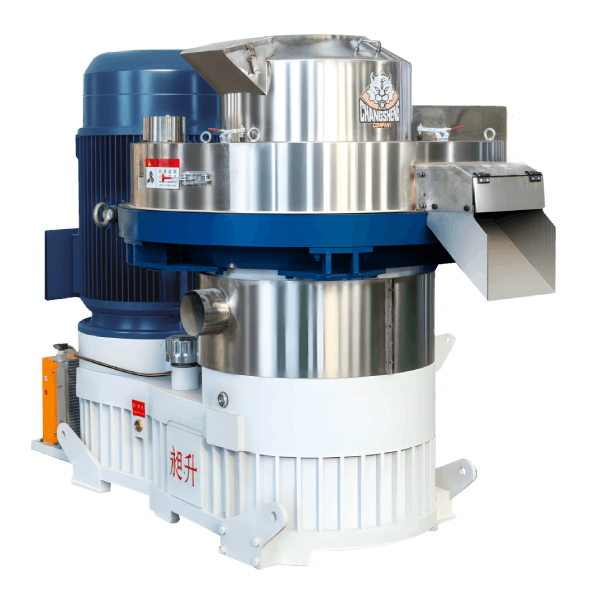
Pellet Die Worn Out Signs: How to Judge Wear and When to Replace
News 2026-10-28 49
A worn pellet die usually does not fail suddenly. It wears gradually, and the signs appear in the output, the pellet quality, the motor current, and the die surface before the die stops working. A sudden failure is also possible, through a die crack, a foreign object impact, or a...
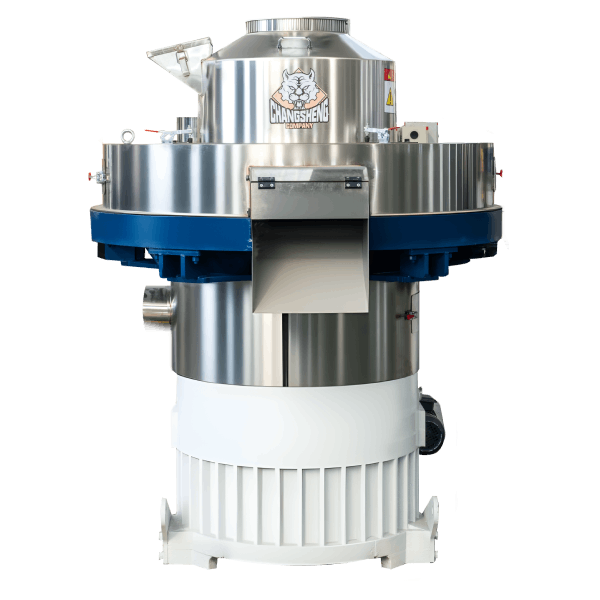
Pellet Machine Control Panel Not Working: Causes and Checks
News 2026-10-28 56
A pellet machine control panel that is not working is usually a power problem, a control circuit fault, or a panel failure, but a network fault, a safety circuit fault, and a software fault can produce the same symptom and must be ruled out. The panel is the interface between the...
Pellet Mill Emergency Stop Stuck: Causes and Safe Checks
News 2026-10-28 69
A pellet mill emergency stop that is stuck is usually a safety circuit problem, and it should be treated as a safety circuit problem before it is treated as a production problem. In a case where the button is only mechanically latched and the circuit itself is healthy, the proble...
Pellet Machine Power Fluctuation: Causes and Checks
News 2026-10-27 64
A pellet machine with fluctuating power is usually reporting a material or feed variation, but a supply voltage variation, a motor winding fault, or a protection setting that is too close to the running current can produce the same symptom and must be ruled out. The power draw fo...
Pellet Mill Running Slow: Causes, Diagnosis and Fixes
News 2026-10-27 71
A pellet mill running slow is usually a capacity problem, not a speed problem, but a wrong VFD setting, an abnormal motor speed, or a transmission slip can produce a speed problem that looks the same. The machine may be running at its set speed, and the output per hour is below w...
Pellet Machine Motor Burnt Out: Causes, Checks and Prevention
News 2026-10-27 56
A pellet machine motor that has burnt out has usually been overheated over time, but a phase-to-phase short, a lightning surge, or an insulation defect can also cause a sudden failure. The winding insulation breaks down when the winding temperature exceeds its class limit for lon...
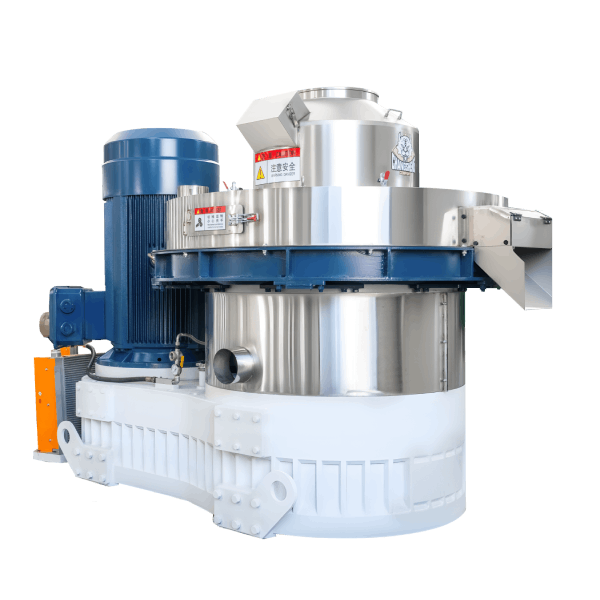
Pellet Mill Motor Won’t Start: Causes and Diagnostic Checks
News 2026-10-26 56
A pellet mill motor that won’t start is usually a supply fault, a control circuit fault, a motor fault, or a mechanical jam that prevents the motor from turning. These four groups cover most start failures, but a protection device that is misoperating, a loose connection, o...
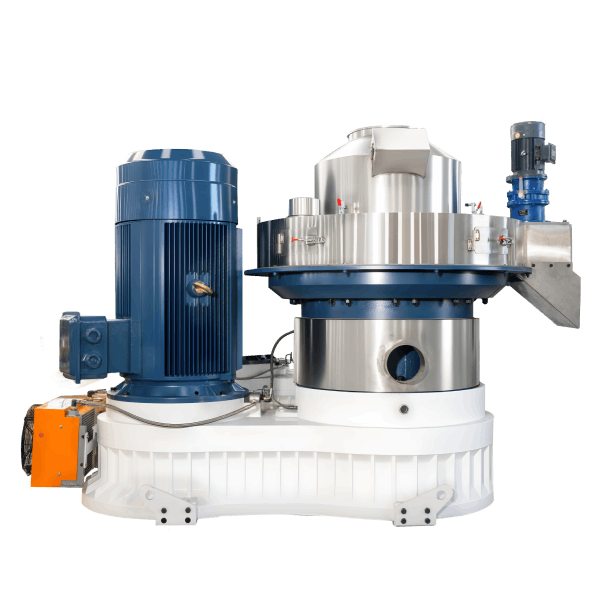
Pellet Mill Motor Keeps Tripping: Causes and Checks
News 2026-10-26 59
A pellet mill motor that keeps tripping is usually telling you one of three things: the motor is drawing more current than the protection allows, the protection is set lower than the motor’s actual load, or the motor or the supply has a fault that produces a current the pro...
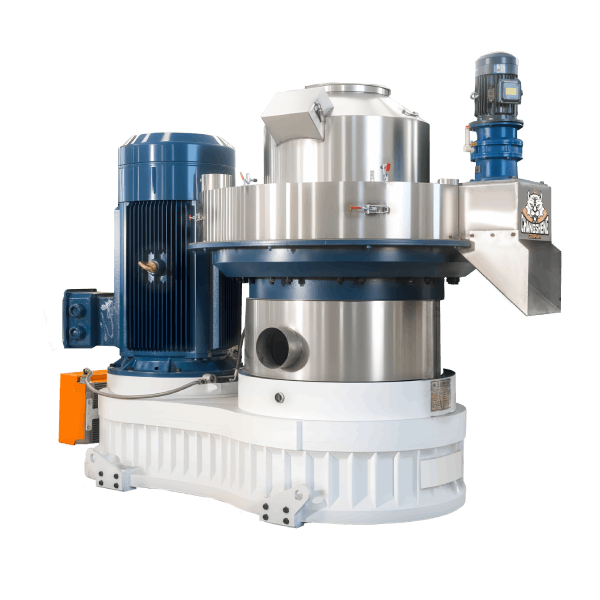
Pellet Machine Vibration After Startup: Causes and Checks
News 2026-10-26 54
A pellet machine that vibrates after startup is not automatically faulty, but it should not be assumed to be a normal startup transient until resonance and a faulty reading have been ruled out. Starting a loaded machine produces a vibration that settles as the die chamber fills a...
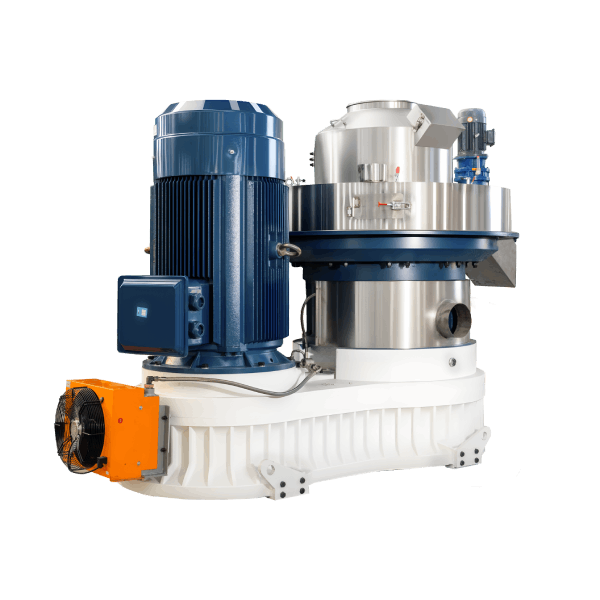
Pellet Mill Grinding Noise: Causes, Diagnosis and When to Stop
News 2026-10-24 68
A pellet mill grinding noise is the sound of two surfaces in contact that should not be in contact, or of material being crushed where it should be compressed. It is not the normal sound of material passing through the die. Normal operation produces a steady, loaded sound. Grindi...