Wood pellet machine price: cost factors and industrial buying guide
News 2026-03-09
Wood Pellet Machine Price: Engineering Cost Analysis and Procurement Guide
Product Definition
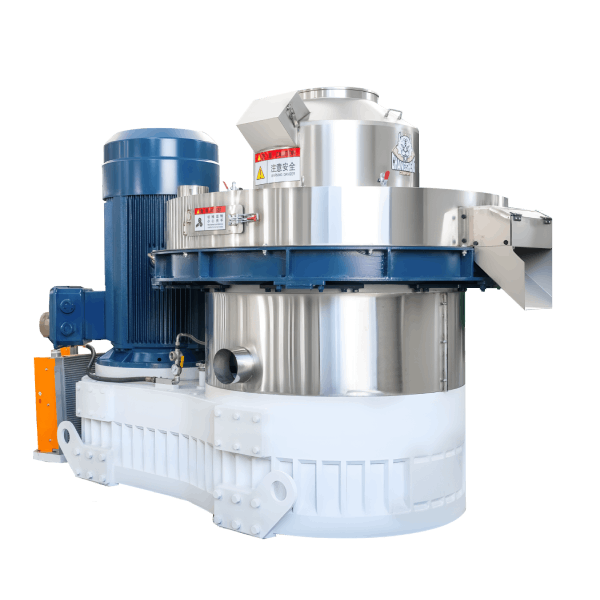
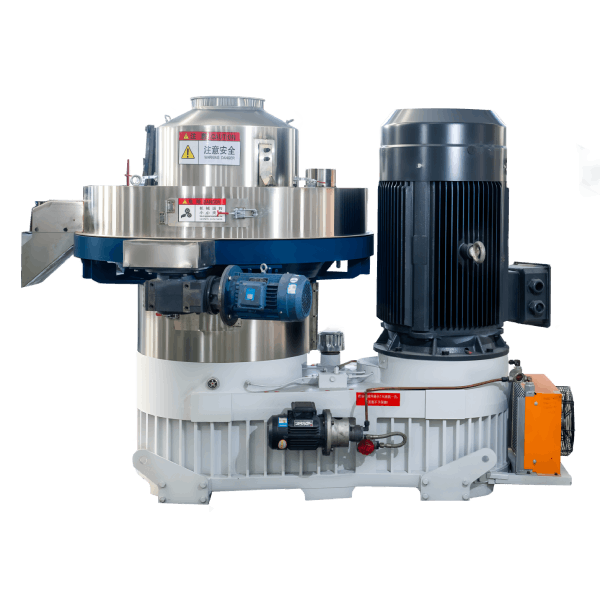
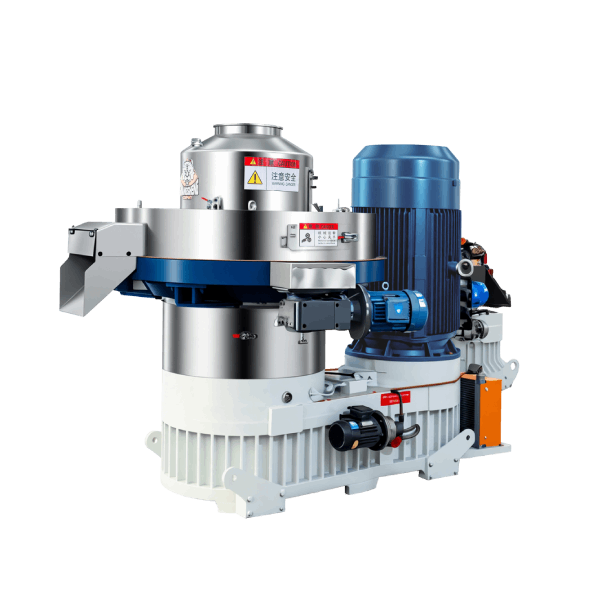
A wood pellet machine is an industrial system designed to compress wood waste such as sawdust, wood chips, and forestry residues into dense cylindrical fuel pellets. Understanding wood pellet machine price is essential for biomass energy developers, equipment distributors, and EPC contractors planning pellet production facilities.
The final equipment cost depends on production capacity, machine configuration, manufacturing quality, and automation level.
Technical Parameters and Specifications
The wood pellet machine price varies significantly depending on machine specifications and production capacity.
Typical technical parameters for industrial wood pellet machines include:
Production capacity: 1–6 tons per hour
Main motor power: 90–315 kW
Ring die diameter: 450–850 mm
Pellet diameter: 6–10 mm
Compression rollers: 2–3 units
Main shaft rotational speed: 300–450 rpm
Machine weight: 3–12 tons depending on model
Raw material moisture requirement: 10–15 percent
Operating temperature range: 75–95°C
Machines with larger capacity, stronger frames, and higher automation typically have a higher wood pellet machine price but offer better long-term production stability.
Structure and Material Composition
The structural design of a pellet machine directly influences equipment durability and price.
Main frame
Heavy-duty welded steel structure
Designed to withstand high compression loads
Ring die system
Heat-treated alloy steel die
Responsible for pellet shaping and density
Compression rollers
High chromium alloy steel rollers
Provide compression pressure
Main shaft assembly
Precision-machined alloy steel shaft
Transmits motor torque to pelletizing components
Bearing system
Heavy-duty industrial bearings
Support high-load continuous operation
Transmission system
Gearbox or belt drive
Regulates machine speed and torque
Higher-grade materials and precision machining increase the wood pellet machine price but significantly improve equipment lifespan.
Manufacturing Process
Industrial pellet machines are manufactured through several engineering steps to ensure performance reliability.
Step 1 Material preparation
High-strength structural steel and alloy steel components are selected.
Step 2 CNC machining
Key components including shafts, dies, and rollers are precision machined.
Step 3 Heat treatment
Components undergo quenching and tempering to increase wear resistance.
Step 4 Dynamic balancing
Rotating components are balanced to minimize vibration.
Step 5 Assembly and alignment
Mechanical systems are assembled with precision alignment tools.
Step 6 Operational testing
Machines are tested under load conditions to verify production stability.
Manufacturing quality and testing procedures are important factors affecting the final wood pellet machine price.
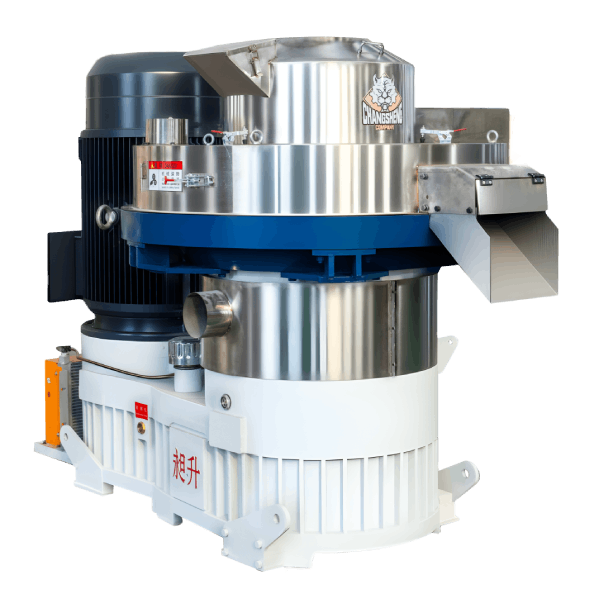
Industry Comparison
Equipment Type | Typical Capacity | Equipment Cost Level | Production Stability
Ring die wood pellet machine | High | Medium–High | Very stable
Flat die pellet machine | Small scale | Low | Moderate
Screw extrusion pelletizer | Medium | Medium | Lower durability
Hydraulic briquette press | Low | Medium | Stable but slower
Industrial pellet plants typically select ring die machines because they provide higher efficiency and more consistent pellet quality despite a higher wood pellet machine price.
Application Scenarios
Wood pellet machines are used in several industrial sectors.
Biomass fuel pellet plants
Producing wood pellets for heating and industrial fuel.
Forestry processing facilities
Utilizing sawdust and wood waste generated by timber operations.
Agricultural biomass processing plants
Converting crop residues into energy pellets.
Equipment distributors and EPC contractors
Supplying pellet production lines to biomass energy projects.
Pellet export facilities
Manufacturing pellets for international renewable energy markets.
In these industries, understanding wood pellet machine price is essential for investment planning and return analysis.
Core Pain Points and Engineering Solutions
Problem 1 Unclear equipment pricing
Cause
Price varies widely due to different machine configurations.
Solution
Evaluate equipment based on capacity, structural design, and included components.
Problem 2 High operating costs
Cause
Low-quality machines consume more energy and require frequent repairs.
Solution
Select machines with efficient motors and durable components.
Problem 3 Incomplete production line configuration
Cause
Some suppliers quote only the pellet machine without auxiliary equipment.
Solution
Confirm full production line scope including crushers, dryers, and conveyors.
Problem 4 Short equipment lifespan
Cause
Low-quality materials and poor manufacturing processes.
Solution
Select machines with certified heat treatment and high-grade alloy components.
Risk Warnings and Prevention Strategies
Choosing equipment based only on low wood pellet machine price can create long-term risks.
Potential issues include
Frequent equipment failure
High maintenance costs
Unstable pellet quality
Production interruptions
Higher energy consumption
Risk mitigation strategies include
Inspect manufacturer production facilities
Request equipment test reports
Verify material specifications
Confirm spare parts availability
Review long-term operating costs
Procurement and Equipment Selection Guide
Step 1 Define production capacity
Determine required output based on market demand.
Step 2 Evaluate raw material characteristics
Moisture content and particle size influence machine selection.
Step 3 Compare equipment configurations
Assess motor power, die diameter, and roller design.
Step 4 Analyze total production line cost
Consider crushers, dryers, cooling systems, and packaging equipment.
Step 5 Verify manufacturer engineering experience
Experienced manufacturers provide reliable technical support.
Step 6 Inspect manufacturing quality
Look for CNC machining, heat treatment, and dynamic balancing.
Step 7 Calculate lifecycle cost
Consider maintenance, spare parts, and energy consumption.
Engineering Case Study
A biomass energy company in Southeast Asia planned to build a wood pellet plant producing 4 tons of pellets per hour.
Initial equipment proposals varied widely in wood pellet machine price due to different configurations.
After technical evaluation, the company selected a ring die pellet machine with a 560 mm die diameter and a 160 kW main motor.
The production line included raw material crushing, drying, pelletizing, cooling, and packaging systems.
After installation, the plant achieved stable production of approximately 3.8 tons per hour with pellet durability exceeding industry standards.
The project demonstrated that evaluating engineering design and long-term operating costs is more important than focusing solely on wood pellet machine price.
FAQ
What determines wood pellet machine price
Capacity, motor power, die size, material quality, and automation level.
What is the typical price range
Industrial machines typically vary widely depending on capacity and configuration.
Do larger pellet machines cost more
Yes. Larger machines require stronger structures and more powerful motors.
Is ring die equipment more expensive
Yes, but it offers higher production efficiency and durability.
Does automation affect equipment price
Automatic feeding, lubrication, and control systems increase price but reduce labor costs.
Should buyers consider full production line cost
Yes. Crushers, dryers, and cooling systems are essential parts of pellet plants.
How long does a pellet machine last
Industrial pellet machines can operate for many years with proper maintenance.
Do spare parts affect operating cost
Yes. Availability and quality of spare parts influence long-term costs.
Is energy consumption important when evaluating price
Yes. Efficient motors reduce operating costs.
Can suppliers provide customized machines
Most industrial manufacturers offer customized configurations.
Request Technical Support
Procurement managers, project developers, and equipment distributors may request detailed quotations, engineering drawings, technical specifications, and pellet production line planning support for wood pellet production facilities.
E-E-A-T Author Expertise
This article was prepared by engineers with more than ten years of experience in biomass pellet equipment design, pellet plant engineering, and industrial pellet production systems. The technical information presented reflects practical industry experience supporting biomass fuel projects and international pellet equipment installations.