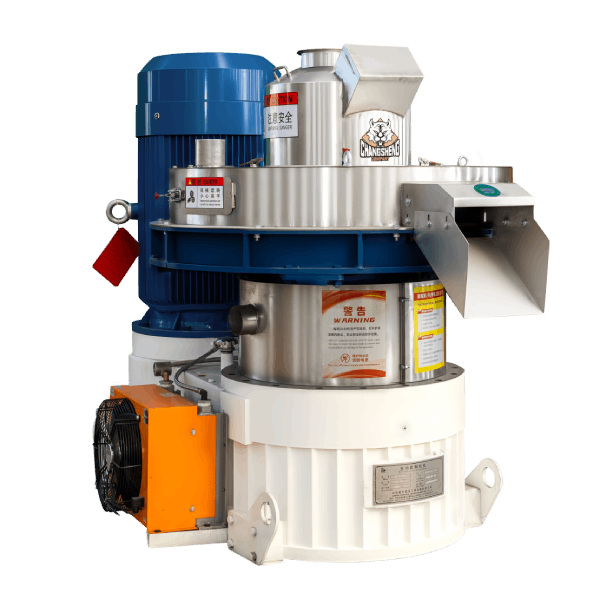
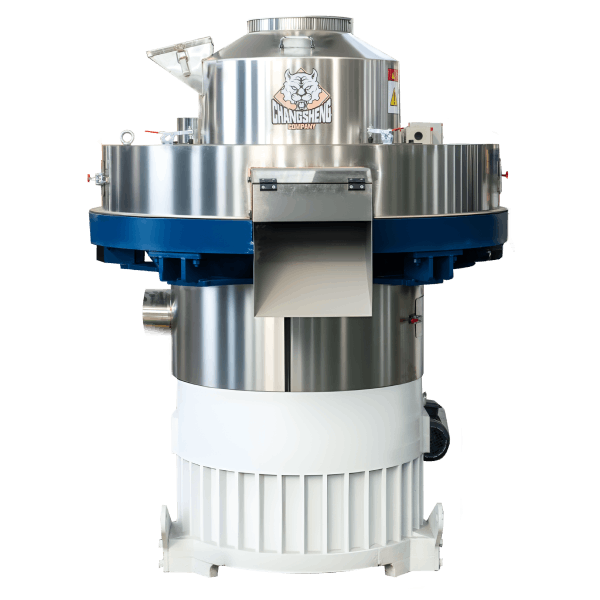
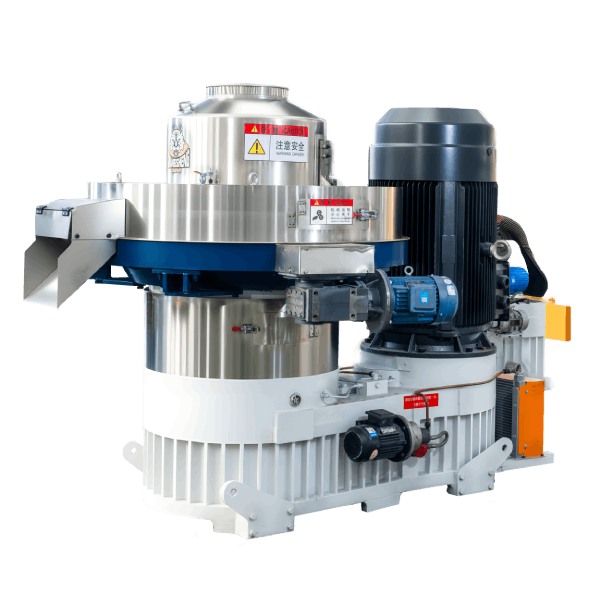
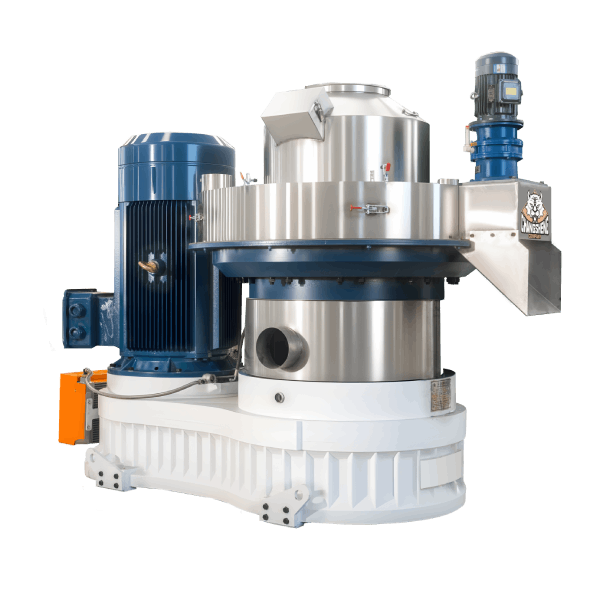
Page SEO Summary: This troubleshooting guide helps pellet mill operators diagnose and solve wood pellet machine vibration issues—covering causes, immediate solutions, and prevention strategies.
A wood pellet machine that vibrates excessively is not just annoying—it is a warning sign. Vibration accelerates wear, loosens fasteners, damages bearings, and can lead to catastrophic equipment failure. It also affects pellet quality and increases noise levels.
Understanding the difference between normal operating vibration and problematic vibration is essential for every pellet mill operator. This guide provides a systematic approach to diagnosing and solving vibration issues.
Is Your Vibration Normal or Abnormal?
Normal Vibration
Characteristic
Description
Level
Low, consistent
Frequency
Steady, predictable
Changes
Minimal during operation
Noise
Normal operating noise
Effect
No visible movement of machine
Abnormal Vibration
Characteristic
Description
Level
High, increasing
Frequency
Irregular, changing
Changes
Sudden or progressive increase
Noise
Unusual sounds (banging, grinding)
Effect
Visible movement, loose parts
Warning Signs
Sign
What It Indicates
Visible shaking
Significant vibration
Loose bolts
Vibration loosening fasteners
Unusual noise
Mechanical problem
Pellet quality decline
Process issue
Bearing temperature rise
Friction or misalignment
A wood pellet machine vibration issue from a manufacturer like Shandong Changsheng Machinery Co., Ltd. should be diagnosed systematically—starting with the most common causes.
Common Causes of Vibration
1. Rotating Component Imbalance
Cause
What It Means
Solution
Die imbalance
Die is not balanced
Balance or replace die
Roller imbalance
Roller is not balanced
Balance or replace roller
Shaft imbalance
Main shaft is not balanced
Balance or replace shaft
Coupling imbalance
Coupling is not balanced
Balance or replace coupling
2. Misalignment
Cause
What It Means
Solution
Motor misalignment
Motor not aligned with gearbox
Align motor
Gearbox misalignment
Gearbox not aligned with main shaft
Align gearbox
Coupling misalignment
Coupling not aligned
Align coupling
Bearing misalignment
Bearings not properly seated
Reseat bearings
3. Wear and Damage
Cause
What It Means
Solution
Worn bearings
Bearing play causing vibration
Replace bearings
Worn gears
Gear wear causing vibration
Repair or replace gearbox
Worn rollers
Roller wear causing imbalance
Replace rollers
Worn die
Die wear causing imbalance
Replace die
4. Looseness
Cause
What It Means
Solution
Loose foundation bolts
Machine not secured
Tighten bolts
Loose mounting bolts
Components not secured
Tighten bolts
Loose couplings
Coupling not tight
Tighten coupling
Loose bearings
Bearing not properly seated
Reseat or replace
5. Foundation Issues
Cause
What It Means
Solution
Weak foundation
Foundation not rigid enough
Reinforce foundation
Uneven foundation
Machine not level
Level machine
Vibration isolation missing
No vibration dampers
Install isolators
Foundation cracks
Structural damage
Repair foundation
6. Process Issues
Cause
What It Means
Solution
Uneven feed
Material distribution uneven
Improve feed
Die clogging
Partial clogging causing imbalance
Clean die
Material buildup
Material stuck on rotating parts
Clean machine
Roller gap incorrect
Uneven compression
Adjust gap
Quick Diagnosis: Where to Start
The Diagnostic Flow
Step
Check
What It Tells You
1
Visual inspection
Loose parts, visible damage
2
Foundation check
Loose bolts, cracks, level
3
Alignment check
Motor, gearbox, coupling
4
Bearing check
Play, noise, temperature
5
Die and roller check
Wear, balance, gap
6
Process check
Feed, moisture, temperature
Immediate Actions
Step
Action
Details
1
Stop the machine
Do not run with excessive vibration
2
Lock out
Follow lockout/tagout procedures
3
Inspect
Check for loose parts, damage
4
Tighten
Tighten all accessible bolts
5
Check alignment
Verify alignment
6
Restart
Monitor vibration
A wood pellet machine vibration issue from Shandong Changsheng Machinery Co., Ltd. can often be resolved by checking foundation bolts, alignment, and bearings—the most common causes.
Component Inspection Guide
Foundation and Mounting
Check
What to Look For
Action
Foundation bolts
Loose, missing, corroded
Tighten or replace
Mounting bolts
Loose, missing
Tighten or replace
Foundation condition
Cracks, unevenness
Repair or reinforce
Vibration isolators
Worn, damaged
Replace
Alignment
Check
What to Look For
Action
Motor alignment
Misalignment with gearbox
Align
Coupling alignment
Misalignment
Align
Gearbox alignment
Misalignment with main shaft
Align
Belt alignment
Misalignment
Align
Bearings
Check
What to Look For
Action
Bearing play
Excessive movement
Replace
Bearing noise
Grinding, squealing
Replace
Bearing temperature
Higher than normal
Inspect/replace
Bearing lubrication
Insufficient, contaminated
Re-lubricate or replace
Die and Rollers
Check
What to Look For
Action
Die balance
Uneven wear, damage
Replace
Roller balance
Uneven wear, damage
Replace
Roller gap
Incorrect setting
Adjust
Die installation
Properly seated
Reseat
Coupling
Check
What to Look For
Action
Coupling wear
Worn, damaged
Replace
Coupling alignment
Misaligned
Align
Coupling bolts
Loose, missing
Tighten or replace
Coupling lubrication
Insufficient
Re-lubricate
Solutions: How to Fix Vibration
Foundation Solutions
Problem
Solution
Loose bolts
Tighten to specified torque
Weak foundation
Reinforce with concrete
Uneven foundation
Level with shims or grout
Missing isolators
Install vibration isolators
Alignment Solutions
Problem
Solution
Motor misalignment
Use laser alignment
Coupling misalignment
Align with dial indicator
Gearbox misalignment
Align with laser or dial indicator
Belt misalignment
Adjust pulley alignment
Bearing Solutions
Problem
Solution
Worn bearings
Replace with premium bearings
Insufficient lubrication
Re-lubricate with correct grease
Contaminated lubrication
Clean and re-lubricate
Incorrect installation
Reinstall correctly
Die and Roller Solutions
Problem
Solution
Die imbalance
Replace die
Roller imbalance
Replace rollers
Incorrect roller gap
Adjust gap to 0.2-1.0 mm
Die misalignment
Reseat die
Process Solutions
Problem
Solution
Uneven feed
Improve feed distribution
Die clogging
Clean die
Material buildup
Clean machine regularly
Temperature issues
Optimize conditioning
Prevention: Maintaining Smooth Operation
Daily Checks
Check
Frequency
Purpose
Visual inspection
Daily
Detect loose parts
Unusual noise
Daily
Detect early issues
Vibration level
Daily
Detect changes
Bolt tightness
Daily
Detect loosening
Weekly Checks
Check
Frequency
Purpose
Foundation bolts
Weekly
Verify tightness
Coupling condition
Weekly
Check wear
Bearing temperature
Weekly
Detect issues
Alignment
Weekly
Verify alignment
Monthly Checks
Check
Frequency
Purpose
Bearing condition
Monthly
Detect wear
Coupling wear
Monthly
Detect wear
Die and roller condition
Monthly
Detect wear
Foundation condition
Monthly
Detect cracks
Annual Maintenance
Task
Frequency
Purpose
Full alignment
Annually
Comprehensive alignment
Bearing replacement
As needed
Based on condition
Coupling replacement
As needed
Based on wear
Foundation inspection
Annually
Comprehensive check
Case Study: Solving a Vibration Problem in a Wood Pellet Plant
The Situation
A wood pellet plant in Europe was experiencing excessive vibration on a 2 t/h pellet mill. The vibration was causing loose bolts, unusual noise, and declining pellet quality.
The Diagnosis
Investigation
Finding
Foundation bolts
Loose on one side
Motor alignment
Misaligned by 0.5 mm
Bearing condition
Worn main shaft bearings
Die condition
Uneven wear
Roller gap
Incorrect (1.2 mm)
Process
Inconsistent feed
The Solution
Action
Implementation
Foundation bolts
Tightened to specified torque
Motor alignment
Aligned with laser alignment
Bearings
Replaced with SKF bearings
Die
Replaced with new premium die
Roller gap
Adjusted to 0.3 mm
Feed system
Improved feed distribution
The Result
Metric
Before
After
Vibration level
High
Normal
Bolt loosening
Frequent
None
Pellet quality
Variable
Consistent
Bearing life
6 months
18+ months
A wood pellet machine vibration issue from Shandong Changsheng Machinery Co., Ltd. can be resolved through systematic diagnosis and corrective action.
Procurement Checklist: Vibration Prevention
Foundation and Mounting
□ Foundation designed for vibration
□ Foundation bolts torqued correctly
□ Vibration isolators installed
□ Machine leveled properly
Alignment
□ Motor aligned with gearbox
□ Coupling aligned correctly
□ Gearbox aligned with main shaft
□ Belt alignment checked
Components
□ Premium bearings installed
□ Die balanced and properly seated
□ Rollers balanced and properly adjusted
□ Coupling in good condition
Operation
□ Feed rate consistent
□ Material moisture controlled
□ Roller gap correct
□ Temperature optimal
Maintenance
□ Daily checks performed
□ Weekly checks performed
□ Monthly checks performed
□ Annual maintenance scheduled
Frequently Asked Questions
1. What causes wood pellet machine vibration?
Vibration is caused by rotating component imbalance, misalignment, worn bearings, loose bolts, foundation issues, and process problems.
2. Is some vibration normal?
Yes. Low, consistent vibration is normal. High, increasing, or irregular vibration is abnormal and requires investigation.
3. What is the most common cause of vibration?
Loose foundation bolts and misalignment are the most common causes. Worn bearings are also common.
4. How do I diagnose vibration?
Check foundation bolts, alignment, bearings, die and rollers, coupling, and process parameters. Start with the simplest checks.
5. How do I fix vibration?
Tighten loose bolts, align motor and coupling, replace worn bearings, balance or replace die and rollers, and correct process parameters.
6. Can vibration damage the machine?
Yes. Vibration accelerates wear, loosens fasteners, damages bearings, and can cause catastrophic failure.
7. How often should I check for vibration?
Daily visual inspection and vibration monitoring. Weekly checks of foundation bolts and alignment. Monthly checks of bearings and components.
8. What tools can help diagnose vibration?
Vibration meters, laser alignment tools, dial indicators, and thermal imaging cameras can help diagnose vibration.
9. Can I run the machine with vibration?
No. Excessive vibration should be investigated and corrected before running the machine. Running with vibration causes damage.
Zhang Wei has over 12 years of experience in the biomass and feed pellet mill industry, with a background in mechanical engineering and international project execution. He has helped clients across Southeast Asia, the Middle East, Africa, Europe, and Latin America diagnose and solve vibration issues.
With hands-on experience in both the manufacturing workshop and client-side operations, Zhang brings practical insights into successful troubleshooting—from the factory floor to the customer’s production site.