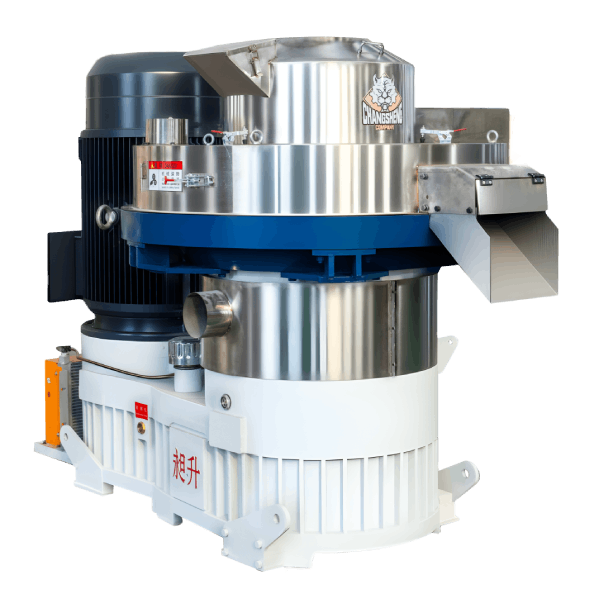
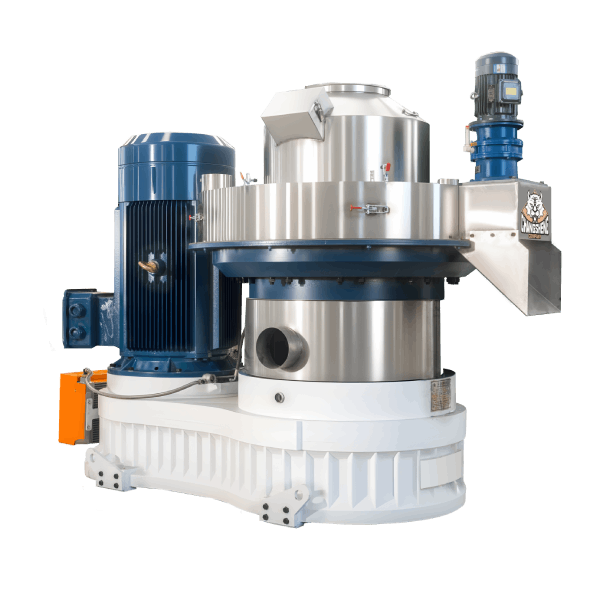
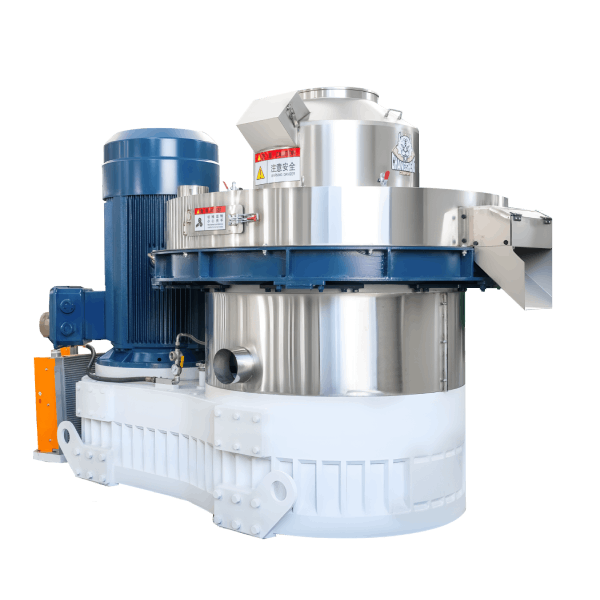
Wood Pellet Machine for Coconut Shell: Complete Technical Guide
News 2026-07-16
Page SEO Summary: This technical guide helps project developers and procurement professionals evaluate wood pellet machines for coconut shell processing—covering material properties, processing parameters, equipment specifications, and market opportunities for converting coconut waste into valuable biomass pellets.
Every year, the global coconut industry produces an estimated 20 million tons of coconuts, generating substantial quantities of coconut shells as by-product. These shells—hard, fibrous, and rich in lignin—represent both a waste disposal challenge and a significant opportunity for biomass energy production.
Coconut shells are among the most promising feedstocks for biomass pellets. With a high calorific value, excellent combustion characteristics, and low ash content, coconut shell pellets command premium prices in European and Asian biomass markets. However, the same properties that make coconut shells valuable—their hardness, density, and high lignin content—also make them challenging to process in standard wood pellet machines.
This guide provides project developers, engineers, and procurement professionals with a comprehensive technical framework for evaluating and specifying wood pellet machines for coconut shell processing applications.
Coconut Shell: Understanding the Feedstock
Coconut shell is a unique biomass material with properties that differ significantly from wood and other agricultural residues.
Physical and Chemical Properties
| Property | Typical Value | Impact on Processing |
|---|---|---|
| Bulk density (as received) | 400-450 kg/m³ | Moderate; affects handling and conveying |
| True density | 1,200-1,300 kg/m³ | Dense material; requires high compaction pressure |
| Moisture content (green) | 30-40% | Must be dried to <12% before pelletizing |
| Moisture content (dried) | 8-12% | Optimal for pelletizing |
| Ash content | 0.5-1.5% | Very low; excellent for combustion |
| Volatile matter | 70-75% | Good ignition characteristics |
| Fixed carbon | 20-25% | Good energy density |
| Lignin content | 36-45% | Higher than many biomass types; acts as natural binder |
| Hardness | Very high | Abrasive; increases wear on equipment |
Calorific Value Comparison
| Material | Lower Calorific Value (MJ/kg) | Comparative Advantage |
|---|---|---|
| Coconut shell pellets | 18-20 | High |
| Wood pellets (softwood) | 16.5-17.5 | Reference |
| Wood pellets (hardwood) | 17-18 | Moderate |
| Olive pomace pellets | 17-19 | Moderate |
| Rice husk pellets | 14-15 | Lower |
| Agricultural straw pellets | 15-16 | Lower |
Unique Characteristics
Coconut shells have several unique characteristics that affect the pelleting process:
| Characteristic | Effect on Pelleting |
|---|---|
| High lignin content (36-45%) | Acts as natural binder; reduces need for additives |
| High hardness and abrasiveness | Accelerates die wear; requires hardened components |
| Dense structure | Requires higher compaction pressure |
| Good heat release | Produces high-quality pellets with good combustion |
| Low ash content | Produces clean-burning pellets suitable for residential applications |
Critical Processing Parameters
Research on coconut shell pelletization provides guidance on optimal processing conditions.
Optimal Parameters for Coconut Shell Pelletizing
| Parameter | Optimal Range | Rationale |
|---|---|---|
| Particle size before pelletizing | 2-4 mm | Small enough for uniform pellet formation; large enough to minimize milling energy |
| Moisture content | 10-12% | Optimal for binding and pellet formation |
| Pellet mill temperature | 80-110°C | Heat softens lignin; improves binding |
| Compression ratio (die L/D) | 1:8 to 1:12 | Lower than wood; high lignin content provides binding |
| Feeder speed | Controlled by output | Match to mill capacity |
Achieving Target Pellet Quality
| Property | Target | How to Achieve |
|---|---|---|
| Pellet diameter | 6-8 mm | Use appropriate die hole size |
| Pellet density | >1.1 g/cm³ | Achieved through proper compression and lignin softening |
| Durability (PDI) | >95% | Achieved through optimal temperature and pressure |
| Moisture content (final) | <10% | Cooling and drying after pelletizing |
| Ash content | <1.5% | Raw material quality control |
Equipment Requirements: What Makes Coconut Shell Special
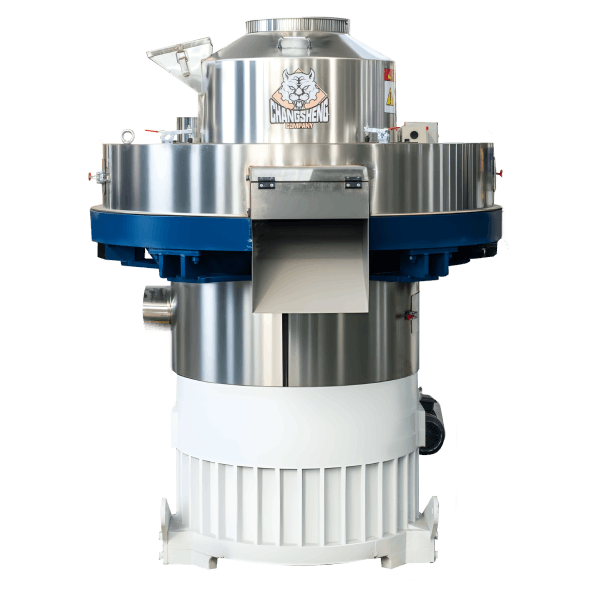
A wood pellet machine for coconut shell requires specific configurations that differ from standard biomass pellet mills.
Key Pellet Mill Specifications
| Specification | Recommendation | Rationale |
|---|---|---|
| Motor power | 1.2-1.5× standard wood requirement | Higher energy required for dense coconut shell |
| Die material | Premium alloy (X46Cr13 or equivalent) | Highly abrasive material accelerates wear |
| Die compression ratio (L/D) | 1:8 to 1:12 | Lower than wood due to high lignin content |
| Die hole diameter | 6-8 mm | Common for biomass pellets |
| Roller material | Hardened steel with wear-resistant coating | Extends service life |
| Roller design | Heavy-duty with larger diameter | Better compression and longer life |
Why Coconut Shell Is More Challenging Than Wood
| Challenge | Cause | Mitigation |
|---|---|---|
| Higher die wear | High silica content in shells | Use premium die materials; accept shorter die life as operating cost |
| Higher motor power | Dense material requires more compression | Specify higher motor power; 1.2-1.5× standard |
| Higher roller wear | Abrasive shell material | Specify hardened rollers with replaceable shells |
| Drying requirement | Green shells have 30-40% moisture | Include drying as part of the process line |
Pre-Processing Equipment
Coconut shells require significant preparation before pelletizing.
Complete Equipment List
| Equipment | Function | Critical Specification |
|---|---|---|
| Crusher (coarse) | Reduce whole shells to smaller pieces | High-power unit for hard shells |
| Hammer mill (fine) | Reduce to 2-4 mm particle size | Hardened hammers; wear-resistant screens |
| Dryer | Reduce moisture to 10-12% | Rotary or belt dryer; capacity matched to line |
| Hammer mill (pre-pelletizing) | Final size reduction | Hardened components for abrasive material |
| Screening | Remove oversize and undersize | Ensures uniform particle size |
| Magnetic separator | Remove tramp metal | Protects downstream equipment |
| Pellet mill | Form pellets | Heavy-duty configuration |
| Cooler | Cool pellets to ambient | Essential for storage stability |
| Packaging/Bagging | Final product handling | Dust control important |
Drying: A Critical Step
Coconut shells from processing facilities typically contain 30-40% moisture. Pelleting requires 10-12% moisture. Drying is a significant capital and operating cost.
| Dryer Type | Advantages | Disadvantages | Best For |
|---|---|---|---|
| Rotary drum dryer | High capacity; handles large particles | Higher heat loss; larger footprint | Large-scale operations |
| Belt dryer | Gentle drying; good quality | Lower capacity; higher capital cost | High-quality output |
| Flash dryer | Fast drying; compact | Limited moisture reduction; high energy | Low-moisture feed |
Complete Process Flow: From Coconut Shell to Pellets
Step-by-Step Process
| Stage | Equipment | Target Parameter | Purpose |
|---|---|---|---|
| Receiving | Intake, storage | — | Raw shell handling |
| Coarse crushing | Crusher | 5-10 cm pieces | Initial size reduction |
| Drying | Dryer | 10-12% moisture | Remove excess moisture |
| Milling | Hammer mill | 2-4 mm particle size | Achieve pelletizing size |
| Conditioning | Conditioner (if used) | 80-90°C | Heat to soften lignin |
| Pelletizing | Pellet mill | 80-110°C; proper compression | Form pellets |
| Cooling | Cooler | Ambient | Stabilize pellets |
| Screening | Fines screen | — | Remove fines |
| Packaging | Bagging system | — | Final product |
Coconut Shell Pellet Quality and Markets
Product Specifications
| Parameter | Typical Value | Market Requirement |
|---|---|---|
| Pellet diameter | 6-8 mm | 6 or 8 mm standard |
| Pellet length | 10-30 mm | Variable by customer |
| Moisture content | <10% | <10% required |
| Ash content | 0.5-1.5% | Excellent; exceeds most biomass |
| Calorific value | 18-20 MJ/kg | Very competitive |
| Durability (PDI) | >95% | Excellent |
| Bulk density | 650-750 kg/m³ | Good for transport |
Market Comparison
| Material | Calorific Value (MJ/kg) | Ash Content | Price (relative) |
|---|---|---|---|
| Coconut shell pellets | 18-20 | 0.5-1.5% | Premium |
| Wood pellets (softwood) | 16.5-17.5 | 0.5-1.0% | Reference |
| Wood pellets (hardwood) | 17-18 | 0.5-1.5% | Moderate premium |
| Olive pomace pellets | 17-19 | 4-7% | Moderate |
| Rice husk pellets | 14-15 | 15-20% | Lower |
Market Opportunities
| Market Segment | Potential | Quality Requirements | Price Premium |
|---|---|---|---|
| Residential heating (Europe) | High | ENplus A1 certified | Highest premium |
| Industrial combustion | High | Bulk pellets; lower quality tolerance | Moderate premium |
| Combined heat and power | Moderate | Bulk; consistent quality | Moderate premium |
| Local/regional market | Growing | Variable by region | Variable |
Economic Considerations
Production Potential by Country
| Country | Estimated Coconut Production | Potential Shell Pellet Output |
|---|---|---|
| Indonesia | 18 million tons | 2-3 million tons |
| Philippines | 15 million tons | 2-2.5 million tons |
| India | 12 million tons | 1.5-2 million tons |
| Sri Lanka | 3 million tons | 0.4-0.5 million tons |
| Vietnam | 1.5 million tons | 0.2-0.3 million tons |
| Thailand | 1 million tons | 0.15-0.2 million tons |
Cost Advantage Factors
| Factor | Advantage |
|---|---|
| Raw material cost | Often low-cost or negative (waste disposal) |
| High calorific value | Premium pricing potential |
| Low ash content | Preferred for residential and industrial boilers |
| High demand | Strong market in Europe and Asia |
| Sustainability | Renewable; waste utilization |
Procurement Checklist: Wood Pellet Machine for Coconut Shell
Material Assessment
- Coconut shell source identified
- Moisture content measured (green)
- Availability and volume confirmed
- Supply chain and seasonality understood
Equipment Specifications
- Crusher/hammer mill with hardened components
- Dryer capacity matched to production target
- Pellet mill with premium die material (X46Cr13 or higher)
- Higher motor power specified (1.2-1.5× standard)
- Die compression ratio specified for coconut shell
- Roller material specified for abrasion resistance
Process and Quality
- Target particle size: 2-4 mm
- Target moisture: 10-12%
- Target pellet quality: ENplus or ISO 17225
- Testing planned for material and product
Supplier Evaluation
- Supplier has experience with coconut shell or similar
- References from coconut shell projects
- Ability to provide complete line
- After-sales support and spare parts availability
Frequently Asked Questions
1. Can coconut shell be processed in a standard wood pellet machine?
Yes, but modifications are required. Coconut shell is harder and more abrasive than wood. It requires higher motor power (1.2-1.5× standard), premium die material for wear resistance, and proper die compression ratio. Standard machines may work for short-term testing but will experience accelerated wear.
2. What is the optimal moisture content for coconut shell pelletizing?
Coconut shell should be dried to 10-12% moisture before pelletizing. Green shells typically contain 30-40% moisture and require significant drying as part of the process.
3. What is the best die compression ratio for coconut shell?
Research indicates that a compression ratio (L/D) of 1:8 to 1:12 works well for coconut shell. This is lower than typical wood pellet ratios (1:12 to 1:16) because coconut shell has high natural lignin content that provides binding.
4. Why does coconut shell cause more wear on pellet mills?
Coconut shells have higher silica content than wood and are physically harder. This abrasive nature causes accelerated wear on dies, rollers, hammers, and screens. Premium materials (X46Cr13 steel dies, tungsten carbide rollers) are recommended.
5. What is the calorific value of coconut shell pellets?
Coconut shell pellets typically have a calorific value of 18-20 MJ/kg, which is higher than most wood pellets (16.5-18 MJ/kg). This higher energy density makes them attractive for both industrial and residential markets.
6. Are coconut shell pellets certified for European markets?
Yes, coconut shell pellets can be certified to ENplus standards. Their low ash content and high calorific value make them suitable for residential heating applications in Europe, provided they meet the specific quality requirements.
7. What is the ash content of coconut shell pellets?
Coconut shell pellets typically have ash content of 0.5-1.5%, which is generally lower than wood pellets and significantly lower than agricultural residues. This low ash content is a key selling point.
8. Is coconut shell pelletizing economically viable?
Yes, particularly in coconut-producing countries. The raw material is often low-cost waste, and the resulting pellets command premium prices in biomass markets due to their high quality. However, drying and milling costs must be carefully considered in the business model.
About the Author
Zhang Wei – Senior International Sales Engineer, Shandong Changsheng Machinery Co., Ltd.
Zhang Wei has over 12 years of experience in the biomass and feed pellet mill industry, with a background in mechanical engineering and international project execution. He has managed pellet mill supply projects for clients across Southeast Asia, the Middle East, Africa, Europe, and Latin America, including specialty applications for coconut shell, olive pomace, rice husk, and other agricultural residues.
With hands-on experience in both the manufacturing workshop and client-side operations, Zhang brings practical insights into successful equipment procurement—from the factory floor to the customer’s production site.