Wood Pellet Production in Chile: Equipment and Process Planning
News 2026-09-10
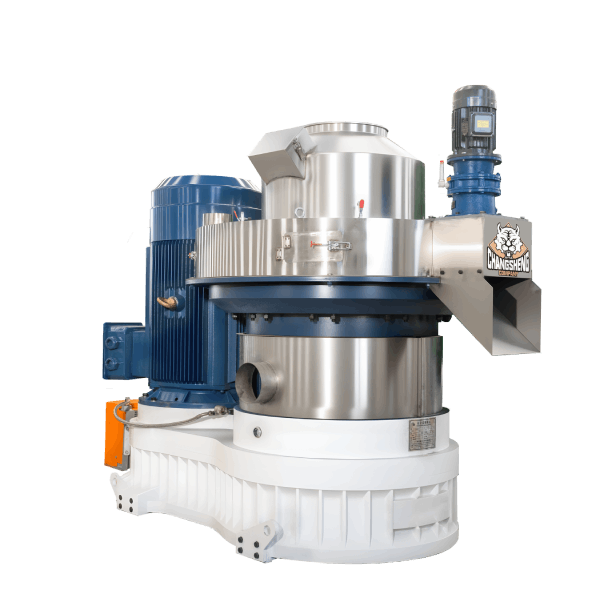
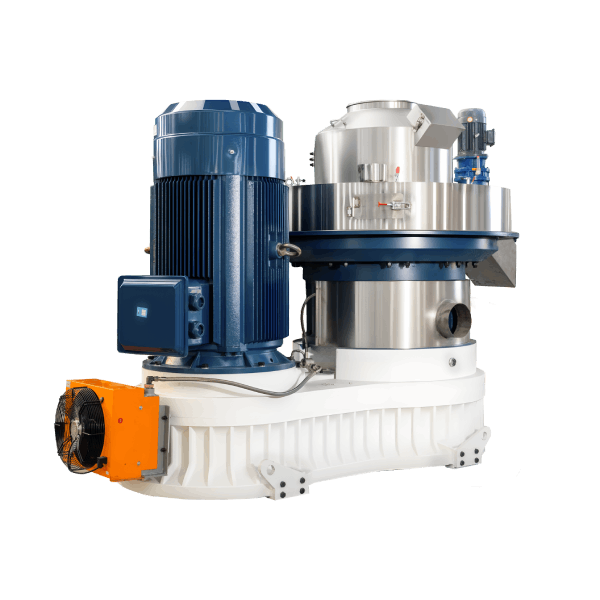
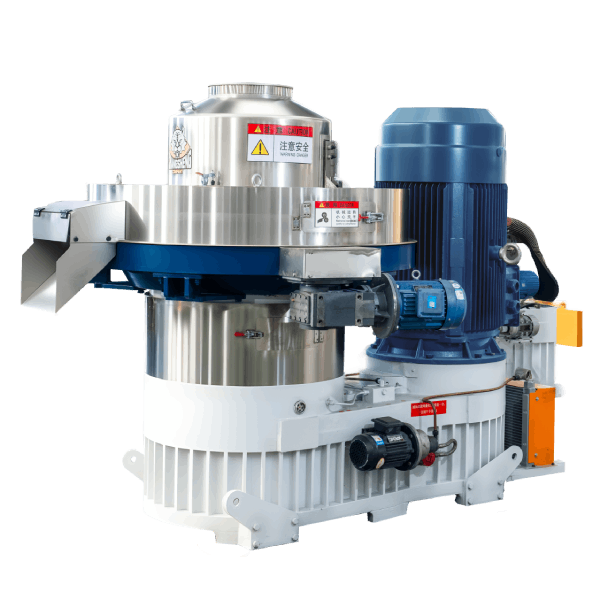
Wood pellet production in Chile is not a single machine decision. It is a project decision. The pellet mill is the core of the line, but the line also includes feedstock preparation, drying, grinding, pelletizing, cooling, screening, packing, and dust collection. For industrial wood pellet projects in Chile, the correct configuration depends on the wood residue available, the moisture, the particle size, the contamination level, the target capacity, and the target pellet quality.
The practical question for a buyer is not which wood pellet machine is the cheapest. The real question is which production line fits the specific wood residue available in Chile, and what must be confirmed before ordering.
This guide is written for sawmills, wood processing plants, forestry operators, pellet producers, and project investors planning commercial and industrial wood pellet production in Chile. It covers the wood pellet feedstock available in Chile, how to test feedstock, how to choose capacity, how to configure a complete production line, how moisture and particle size affect pellet quality, what determines line cost, and what to confirm with a supplier before ordering. Small household flat die machines are outside the scope of this page. For a comparison of Latin American sourcing options, see the Mexico page on this site.
Planning a Wood Pellet Project in Chile
A wood pellet project in Chile should be planned from the feedstock, not from the machine. The buyer should first define the wood residue source, the actual moisture and particle size, the target capacity, the target pellet quality, the site power supply, and the sales channel.
The sales channel usually falls into three categories: residential heating, industrial use, and export. Residential heating requires low-ash pellets with good durability and low fines. Industrial use accepts a wider ash range, depending on the boiler. Export requires pellet quality to meet standards such as ISO 17225, and in some markets certification such as ENplus or PFI. The target sales channel should be defined before equipment selection, because it affects die selection, cooling, screening, and packing.
Three concepts should be kept separate throughout the project.
Nameplate capacity is the capacity stated by the manufacturer under specified test conditions. It is only meaningful when the feedstock, moisture, particle size, and die specification are stated.
Actual capacity is the output achieved with the buyer’s actual feedstock under real operating conditions. It is usually lower than nameplate capacity because of moisture variation, particle size variation, and operator skill.
Line capacity is the capacity of the entire production line, limited by the smallest stage. A line may have a large pellet mill but a small dryer, and in that case the line capacity is limited by the dryer, not by the pellet mill.
Wood Pellet Feedstock Available for Industrial Projects in Chile
Chile has significant forestry resources, but resource availability alone does not confirm a viable project. The buyer should verify feedstock supply volume, purchase price, transport distance, and the stability of supply over the project life.
Sawdust from Sawmills
Sawdust is usually the easiest wood feedstock to pelletize because of consistent particle size and relatively high lignin content. Moisture varies by sawing process and storage condition. Sawdust from dry wood may not require drying; sawdust from green wood usually does.
Pine and Eucalyptus Residues
Pine and eucalyptus are the main forestry species in Chile. Pine residues, especially from Pinus radiata, usually pelletize easily because of higher lignin content and produce strong pellets. Eucalyptus residues are denser and more abrasive, and may require a higher compression ratio and more wear-resistant die and roller material. Sawmill residues from both species are usually suitable for pellet production when moisture and contamination are controlled.
Wood Chips, Shavings and Other Residues
Wood chips and offcuts require chipping and grinding before pelletizing. Shavings are longer and bulkier than sawdust and also require grinding. Bark increases ash content and abrasiveness. Sanding dust is usually fine and dry, and pelletizes well when mixed with other sawdust. Mix ratio should be consistent, because variable mix causes variable compression, feeding, and pellet quality.
Feedstock Scenarios and Equipment Implications
Feedstock Condition: Fresh sawmill sawdust
What to Verify: Actual moisture, particle size, supply volume
Impact on Equipment: Drying and particle size adjustment may be required
Feedstock Condition: Dry sawdust
What to Verify: Moisture stability, contamination, particle size
Impact on Equipment: Preprocessing may be reduced; a dryer may not be required
Feedstock Condition: Wood chips or large wood waste
What to Verify: Size, hardness, contamination
Impact on Equipment: Coarse crushing and fine grinding may be required
Feedstock Condition: Mixed-source residue
What to Verify: Mix ratio, moisture variation, ash content
Impact on Equipment: Feedstock testing and a pelletizing trial are required
The exact moisture target and particle size target should be determined by a pelletizing test on the actual feedstock, not by a single rule for all materials.
Feedstock Testing Before Equipment Selection
Feedstock should be tested before equipment selection. The following data should be collected for each candidate material. The buyer should provide the feedstock type, moisture, and a representative sample. The supplier should confirm ash, particle size, bulk density, and suitability for pelletizing, and should recommend die and roller configuration based on the test.
Feedstock type and mix ratio.
Moisture content as received.
Moisture content after drying.
Ash content.
Particle size distribution.
Bulk density.
Target pellet diameter.
Target capacity.
Operating hours per day or per year.
Available power supply.
A capacity figure without these conditions is not a technical commitment. Where possible, a pelletizing test should be run on the actual feedstock, either at the supplier’s test facility or at a third-party laboratory.
How to Choose the Right Wood Pellet Mill Capacity
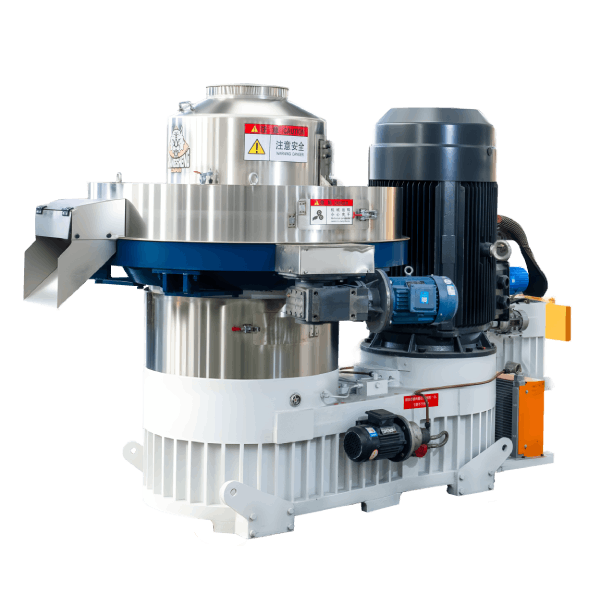
Capacity should be selected based on the target annual output, the daily operating hours, the annual operating days, and the actual feedstock conditions. The following capacity ranges are practical starting points for Chilean projects. Actual output depends on feedstock type, moisture, particle size, and die specification.
1 to 2 t/h Wood Pellet Projects
A 1 to 2 t/h line suits regional commercial projects. Annual output depends on operating hours and is typically in the range of about 3,000 to 12,000 tons per year. A single pellet mill is usually sufficient. Feedstock volume should be secured in advance, and drying capacity should be matched to the seasonal moisture of the feedstock.
3 to 5 t/h Production Lines
A 3 to 5 t/h line suits larger commercial and industrial projects. Annual output depends on operating hours and is typically in the range of about 12,000 to 30,000 tons per year. Multiple pellet mills may be used. Feedstock must be secured on a contract basis, and drying, cooling, storage, and packing capacity must be matched.
Higher-Capacity Industrial Plants
Lines above 5 t/h suit industrial projects with long-term feedstock contracts and confirmed offtake. Annual output depends on operating hours and typically exceeds 30,000 tons per year. This scale usually requires a dedicated site, full automation, and a planned spare parts and maintenance program.
Wood Pellet Production Process and Equipment
Wood pellet production in Chile usually follows this sequence.
Raw material receiving and storage.
Crushing or screening.
Grinding.
Drying if moisture is above the suitable range.
Conveying.
Pelletizing.
Cooling.
Screening.
Packing.
Each stage has a specific function. Receiving and storage should be covered and ventilated to prevent moisture regain. Crushing and screening remove oversize particles and contaminants. Grinding reduces particle size to the range suitable for the die. Drying reduces moisture to the target range. Pelletizing forms pellets. Cooling hardens pellets and reduces fines. Screening removes fines and oversize. Packing prepares pellets for storage or sale.
As an illustrative example, a line running on dry, fine sawdust may include only receiving, screening, pelletizing, cooling, screening, and packing. A line running on fresh sawmill sawdust may include receiving, screening, drying, grinding, pelletizing, cooling, screening, and packing. A line running on wood chips or large wood waste may include receiving, coarse crushing, fine grinding, drying, pelletizing, cooling, screening, and packing.
The production line is configured according to the feedstock, not according to a fixed template.
Moisture, Particle Size and Pellet Quality
Moisture is the most important variable in wood pellet production. If moisture is too high, compression is poor, the die may block, and throughput drops. If moisture is too low, binding is poor, pellets are weak, and fines increase. Typical target moisture before pelletizing is around 10 to 15 percent, but this range depends on wood species, die compression ratio, and machine configuration. The exact target should be confirmed with a pelletizing test.
Particle size affects feeding stability, compression, pellet density, and die wear. Target particle size is usually in the range of 2 to 5 mm, depending on die specification. If feedstock is too coarse, grinding is required. If too fine, bridging and die blockage risk increases. Moisture also affects how the material behaves during grinding, so particle size and moisture should be tested together.
Pellet quality depends on lignin content, compression ratio, die temperature, and cooling. Pine and eucalyptus residues differ in lignin content and density, and may require different die compression ratios to reach the same pellet durability. The correct die and process settings should be confirmed with a pelletizing test on the actual feedstock.
Wood Pellet Line Cost and Operating Considerations
A fixed price list for the Chilean market cannot be published because the price of a wood pellet line depends on many project-specific factors. The following factors determine the total quotation.
Line capacity and number of pellet mills.
Feedstock type, moisture, and particle size.
Drying requirement and dryer heat source.
Grinding requirement and hammer mill specification.
Die compression ratio and die material.
Roller shell material and hardness.
Drive system, gearbox or belt drive.
Automation level and control system scope.
Cooling, screening, and packing scope.
Dust collection and explosion protection scope.
Electrical system, voltage, phase, frequency, and transformer capacity.
Steel structure, civil works, and site installation.
Freight to Chile, insurance, and import charges.
Spare parts first order and commissioning.
A quotation that only lists machine price is not a complete project cost. Landed project cost includes equipment, freight, insurance, import charges, port charges, inland logistics, installation, electrical infrastructure, civil works, dryer heat source, spare parts, and commissioning.
Shipping, Installation and Technical Support in Chile
For buyers who choose to import from an overseas manufacturer, the following items should be confirmed in writing.
Scope of supply, including the machine, auxiliary equipment, and control system.
Equipment list with model, quantity, unit, specification, and remarks.
Packing method, shipping marks, case numbers, weight, and dimensions.
Shipping terms, insurance, and port of discharge.
Import documentation, including commercial invoice, packing list, bill of lading, and certificate of origin.
Installation supervision scope, whether remote or on-site.
Commissioning scope and first production record.
Spare parts first order with part numbers and quantities.
Warranty scope, wear part definition, and response process.
Acceptance test method and performance guarantee conditions.
Import procedures, customs classification, duties, and compliance requirements should be confirmed with a Chilean customs broker and with the relevant authority before shipment. Chilean compliance may include electrical safety requirements, and the applicable requirements depend on the equipment category, electrical configuration, and import and sale scenario.
How to Compare Wood Pellet Machine Suppliers
Supplier evaluation should focus on technical evidence and support capability, not on price alone.
Confirm whether the supplier can test your feedstock and recommend a die and roller configuration.
Confirm whether the supplier can state capacity with feedstock, moisture, particle size, and pellet diameter conditions.
Confirm whether the supplier can provide a scope of supply table, foundation drawing, electrical diagram, and spare parts list with part numbers.
Confirm whether the supplier can provide reference projects with similar feedstock, and whether the capacity test conditions are documented. Reference projects should include the machine model, motor power, feedstock conditions, pellet specification, and tested capacity.
Confirm whether the supplier allows pre-shipment test run and video inspection.
Confirm whether the supplier can support installation and commissioning in Chile, directly or through a local partner.
Confirm warranty scope, wear part definition, and response process.
Confirm die and roller life evidence under similar feedstock conditions.
Information to Provide for a Project Quotation
To receive a useful project quotation, the buyer should provide the following information. This information allows the supplier to recommend a suitable configuration and to state capacity with conditions.
Feedstock photos or a sample.
Expected hourly output in t/h.
Feedstock moisture content.
Target pellet diameter.
Project location.
Site voltage, frequency, and phase.
Whether a complete production line is required.
Whether installation supervision is required.
Frequently Asked Questions
Can sawdust be processed directly into wood pellets?
Sawdust can sometimes be fed directly to the pellet mill when moisture is within the suitable range, particle size is consistent, and contamination is controlled. Dry, fine sawdust from kiln-dried wood may require only screening and pelletizing. Sawdust from green wood usually requires drying, and sawdust containing chips or shavings usually requires grinding.
Does wood pellet production require a dryer?
Drying is required when feedstock moisture is above the suitable range for pelletizing. Dry sawdust may not require drying. Wet sawdust from green wood, wood chips, and bark-containing residues usually require drying. The exact requirement depends on the actual moisture content of the feedstock.
How do pine and eucalyptus residues affect pellet production?
Pine residues, especially from Pinus radiata, usually pelletize easily because of higher lignin content and produce strong pellets. Eucalyptus residues are denser and more abrasive, and may require a higher compression ratio and more wear-resistant die and roller material. The correct die and process settings should be confirmed with a pelletizing test on the actual feedstock.
What information is needed to size a wood pellet production line?
Provide feedstock type, moisture, particle size, ash content, target capacity, pellet diameter, operating hours, site voltage, phase, frequency, and automation requirements. This allows the supplier to recommend a suitable configuration and to state capacity with conditions.
How can buyers verify the capacity quoted by a supplier?
Request a factory acceptance test with the actual feedstock, or a pelletizing test at a third-party laboratory. The test should record the feedstock type, moisture, particle size, pellet diameter, running hours, output, pellet quality, and power consumption. A capacity figure without these conditions cannot be verified.