Wood Pellet Production Line: Complete System Planning Guide

News 2026-08-18

Page SEO Summary: This comprehensive system guide helps you plan a wood pellet production line—covering equipment components, process flow, capacity options, investment costs, and project implementation.

A wood pellet production line is a complete system that transforms wood raw materials into finished wood pellets. From receiving and grinding to drying, pelletizing, and packaging, each component must work together seamlessly to produce high-quality pellets efficiently.

This guide provides a comprehensive framework for planning, designing, and implementing a wood pellet production line.


What Is a Wood Pellet Production Line?

Definition

wood pellet production line is a complete system of equipment that processes wood raw materials (sawdust, chips, shavings) into finished wood pellets ready for sale or use.

Key Components

StageEquipmentFunction
Raw material handlingReceiving; conveyors; storageIntake and storage
PreparationScreening; drying; grindingMaterial preparation
PelletizingConditioning; pelletizingCore process
Post-processingCooling; screening; packagingFinishing
ControlControl systemAutomation

Complete Equipment List

1. Raw Material Receiving

EquipmentFunctionSpecifications
Receiving hopperAccept materialBased on delivery method
Conveyor beltMove materialCapacity match
Magnetic separatorRemove metalProtect equipment

2. Material Preparation

EquipmentFunctionSpecifications
Vibrating screenRemove debrisMatch capacity
Rotary dryerReduce moisture8-12% moisture
Hammer millGrind to size2-5 mm particle size

3. Pelletizing

EquipmentFunctionSpecifications
ConditionerAdd heat/moisturePre-pelletizing
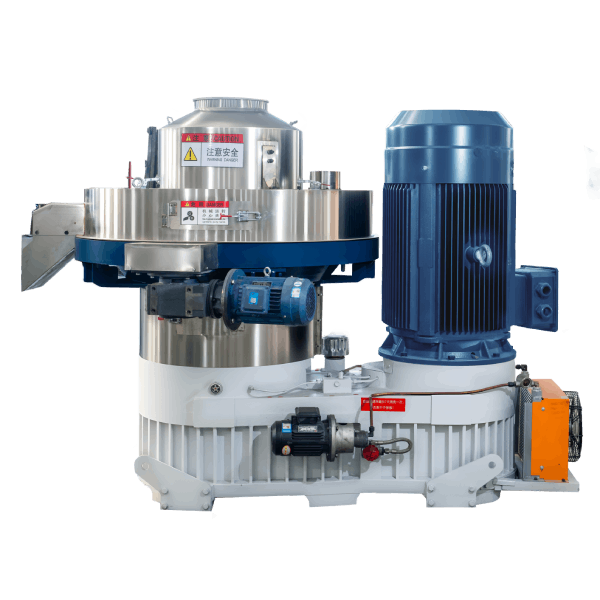
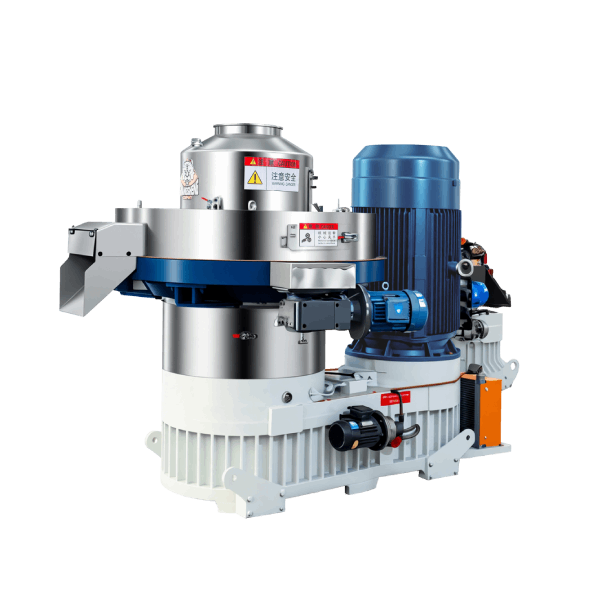
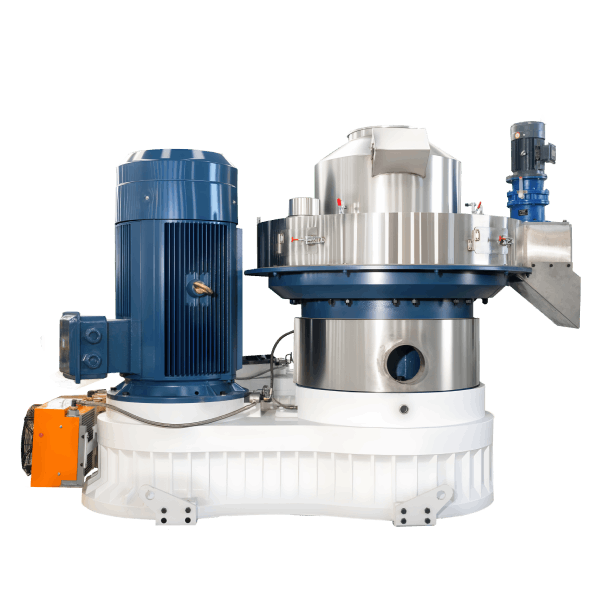
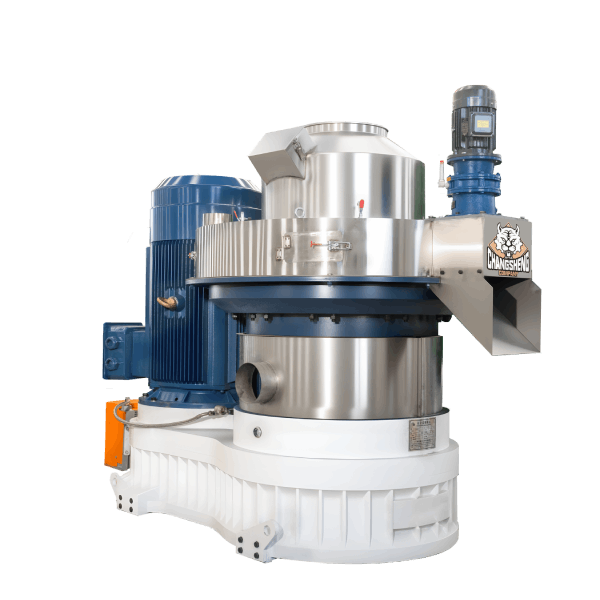
Pellet millForm pelletsRing die; match capacity
FeederControl feedVariable speed

4. Post-Processing

EquipmentFunctionSpecifications
Counterflow coolerCool pelletsAmbient temperature
Vibrating screenRemove finesFines return
Bagging systemPackage pellets15-50 kg bags
Bulk systemBulk loadingTrucks; containers

5. Control System

EquipmentFunctionSpecifications
Control panelCentral controlManual or PLC
PLC systemAutomationHMI interface
SensorsMonitoringTemperature; level; speed

Production Process

Complete Process Flow

StageEquipmentParametersPurpose
1. ReceivingHopper; conveyorRaw material intake
2. ScreeningVibrating screenRemove debrisProtect equipment
3. DryingDryer8-12% moistureReduce moisture
4. GrindingHammer mill2-5 mmSize reduction
5. ConditioningConditioner80-100°CHeat activation
6. PelletizingPellet millHigh pressureForm pellets
7. CoolingCoolerAmbientStabilize pellets
8. ScreeningFines screenRemove fines
9. PackagingBaggingFinal product

Material Flow

StageInputOutput
ReceivingWood raw materialClean wood
ScreeningWood with debrisClean wood
DryingWet wood (15-50%)Dry wood (8-12%)
GrindingWood piecesWood powder (2-5 mm)
PelletizingWood powderHot pellets
CoolingHot pelletsCool pellets
PackagingCool pelletsFinished product

Capacity Options

Production Line Sizes

ScaleCapacityAnnual OutputTypical Use
Small0.5-1 t/h1,000-3,000 tonsSmall commercial
Medium1-3 t/h3,000-9,000 tonsCommercial
Large3-5 t/h9,000-15,000 tonsIndustrial
Industrial5-10+ t/h15,000-30,000+ tonsLarge-scale

Equipment Capacity Matching

Production LinePellet MillDryerHammer MillCooler
Small (0.5-1 t/h)0.5-1 t/h1-2 t/h1-2 t/h1-2 t/h
Medium (1-3 t/h)1-3 t/h2-4 t/h2-4 t/h2-4 t/h
Large (3-5 t/h)3-5 t/h4-7 t/h4-7 t/h4-7 t/h
Industrial (5-10 t/h)5-10 t/h7-15 t/h7-15 t/h7-15 t/h

Space Requirements

Equipment Footprint

ScaleEquipment AreaStorage AreaTotal Area
Small50-100 m²100-200 m²150-300 m²
Medium100-200 m²200-400 m²300-600 m²
Large200-400 m²400-800 m²600-1,200 m²
Industrial400-800 m²800-2,000 m²1,200-2,800 m²

Height Requirements

EquipmentTypical HeightNotes
Receiving hopper3-5 mDepends on truck height
Dryer5-10 mRotary dryer
Pellet mill3-5 mRing die machine
Cooler4-8 mCounterflow design
Silos10-20 mStorage

Pellet Machine

Investment Cost Estimates

Equipment Cost by Scale

ScaleEquipment Cost (USD)Installation (USD)Total (USD)
Small (0.5-1 t/h)$50,000-100,000$15,000-30,000$65,000-130,000
Medium (1-3 t/h)$100,000-250,000$30,000-75,000$130,000-325,000
Large (3-5 t/h)$250,000-500,000$75,000-150,000$325,000-650,000
Industrial (5-10 t/h)$500,000-1,500,000$150,000-450,000$650,000-1,950,000

Cost Breakdown

Component% of Total Equipment Cost
Drying system20-30%
Pellet mill20-30%
Hammer mill10-15%
Cooling/screening10-15%
Conveying/handling10-15%
Control system5-10%

Project Planning

Implementation Timeline

PhaseActivitiesDuration
1. FeasibilityMarket; raw materials; business case1-3 months
2. DesignProcess design; equipment selection2-4 months
3. ProcurementSupplier selection; contracting1-2 months
4. ManufacturingEquipment production2-4 months
5. InstallationSite prep; equipment installation2-4 months
6. CommissioningTesting; start-up1-2 months
Total9-19 months

Key Milestones

MilestoneDescriptionSuccess Factor
Raw material securedSupply confirmedProject viability
Equipment orderedContract signedSupplier selection
FAT passedEquipment testedQuality assurance
Installation completeEquipment in placeProject progress
CommissioningProduction startsProject completion
Performance acceptedGuaranteed outputProject success

Supplier Selection

What to Look For

CriterionImportanceHow to Check
ExperienceHighCompleted projects
Technical capabilityHighEngineering team
QualityHighComponent brands
SupportHighAfter-sales service
PriceMediumCompetitive quote
TimelineMediumDelivery schedule

Questions to Ask

QuestionWhy Ask
“Have you built similar lines?”Experience
“What is your engineering capability?”Design
“What component brands do you use?”Quality
“What is your warranty?”Protection
“What is your timeline?”Planning

Procurement Checklist

Project Definition

  • □ Capacity target confirmed
  • □ Raw material type and source confirmed
  • □ Site identified and assessed
  • □ Budget established
  • □ Timeline defined

Equipment Planning

  • □ Complete equipment list developed
  • □ Capacity matched across all equipment
  • □ Space requirements confirmed
  • □ Utility requirements (power, water) confirmed

Supplier Evaluation

  • □ Multiple suppliers compared
  • □ References contacted
  • □ Factory visited/verified
  • □ Proposals evaluated

Project Management

  • □ Implementation timeline developed
  • □ Milestones established
  • □ Risk assessment completed
  • □ Communication plan created

Frequently Asked Questions

1. What is a wood pellet production line?

A wood pellet production line is a complete system that processes wood raw materials into finished wood pellets. It includes receiving, drying, grinding, pelletizing, cooling, and packaging equipment.

2. What equipment does a wood pellet production line include?

Receiving hopper, conveyor, dryer, hammer mill, conditioner, pellet mill, cooler, fines screen, and packaging system. Plus a control system.

3. What capacity do I need?

Small: 0.5-1 t/h. Medium: 1-3 t/h. Large: 3-5 t/h. Industrial: 5-10+ t/h. Choose based on your target annual production.

4. How much does a wood pellet production line cost?

Small lines cost $65,000-130,000. Medium lines cost $130,000-325,000. Large lines cost $325,000-650,000. Industrial lines cost $650,000-1,950,000+.

5. How much space do I need?

Small lines: 150-300 m². Medium: 300-600 m². Large: 600-1,200 m². Industrial: 1,200-2,800 m². Include storage.

6. What is the typical timeline?

From planning to production: 9-19 months depending on scale and complexity.

7. How do I choose a supplier?

Check experience, technical capability, quality (component brands), support, price, and timeline. Visit the factory if possible.

8. What is the most important equipment?

All equipment is important, but the pellet mill and dryer are the most critical. The dryer is often the highest cost component.


About the Author

Zhang Wei – Senior International Sales Engineer, Shandong Changsheng Machinery Co., Ltd.

Zhang Wei has over 12 years of experience in the biomass and feed pellet mill industry, with a background in mechanical engineering and international project execution. He has helped clients across Southeast Asia, the Middle East, Africa, Europe, and Latin America plan and implement complete wood pellet production lines.

With hands-on experience in both the manufacturing workshop and client-side operations, Zhang brings practical insights into successful project execution—from the factory floor to the customer’s production site.