Wood Pellet Production Line Supplier: Complete Procurement Guide
News 2026-08-14
Page SEO Summary: This comprehensive project guide helps buyers select wood pellet production line suppliers—covering system components, supplier evaluation, project planning, and risk management for successful plant projects.
A wood pellet production line is a significant capital investment. Choosing the right supplier is critical for project success—affecting equipment quality, installation, commissioning, and long-term operation.
This guide provides a comprehensive framework for selecting a wood pellet production line supplier and planning your project.
What Is a Complete Wood Pellet Production Line?
System Components
| Component | Function | Typical Specifications |
|---|---|---|
| Raw material receiving | Intake and storage | Conveyors; silos |
| Pre-cleaning | Remove debris | Magnetic separator; screener |
| Drying | Reduce moisture | Rotary or belt dryer |
| Grinding | Size reduction | Hammer mill |
| Conditioning | Prepare material | Conditioner |
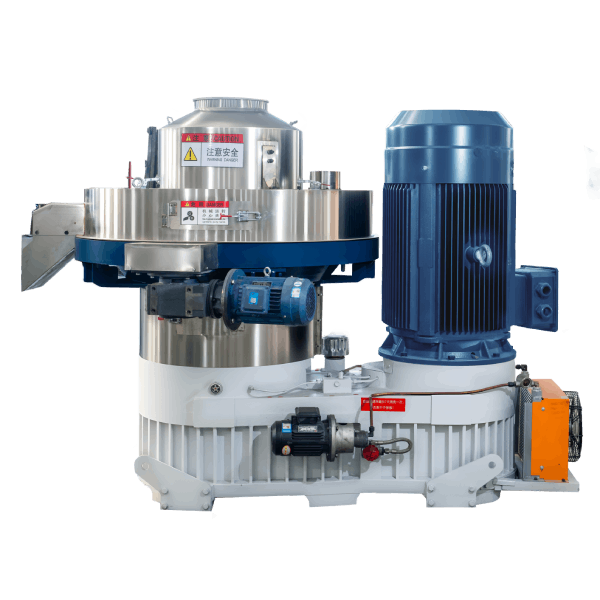
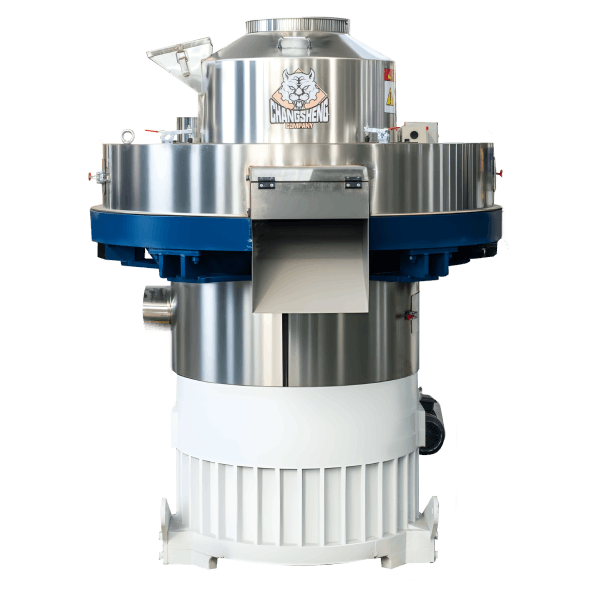
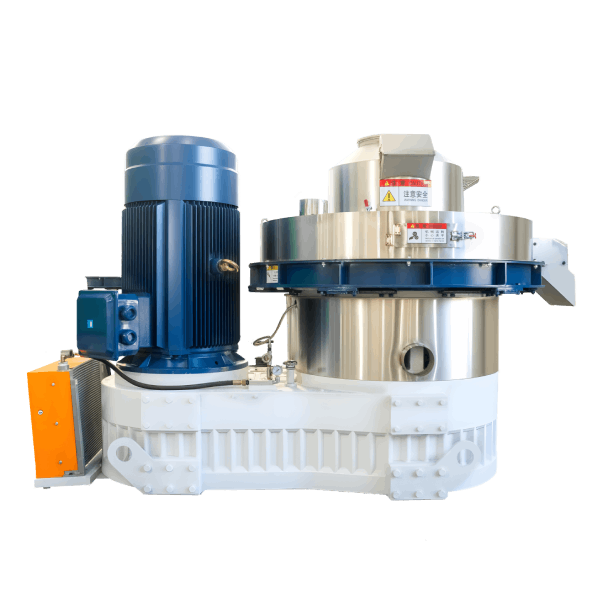
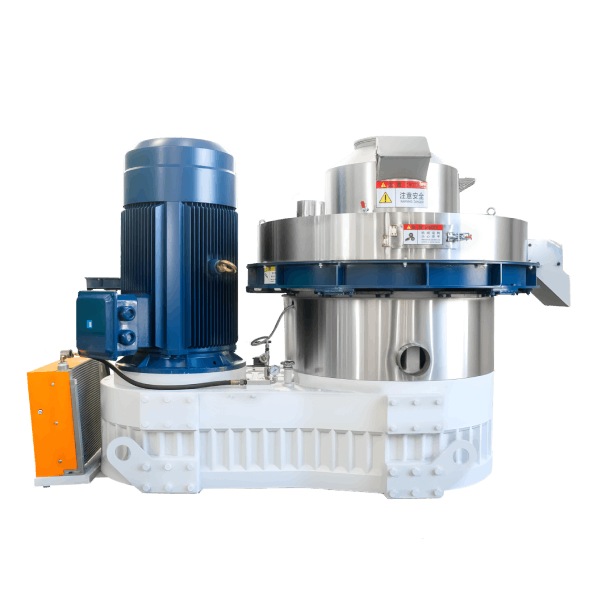
| Pelletizing | Form pellets | Pellet mill (ring die) |
| Cooling | Cool and dry pellets | Counterflow cooler |
| Screening | Remove fines | Vibrating screen |
| Packaging | Final product | Bagging or bulk system |
| Control system | Automation | PLC with HMI |
Production Line Scale
| Scale | Capacity | Typical Investment | Application |
|---|---|---|---|
| Small | 0.5-2 t/h | $50,000-150,000 | Small commercial |
| Medium | 2-5 t/h | $150,000-500,000 | Commercial |
| Large | 5-10 t/h | $500,000-1,500,000 | Industrial |
| Industrial | 10-20+ t/h | $1,500,000-5,000,000+ | Large-scale production |
Types of Suppliers
Supplier Classification
| Type | Description | Strengths | Considerations |
|---|---|---|---|
| Integrated manufacturer | Designs and builds complete lines | Full control; consistent quality; single responsibility | Higher price |
| System integrator | Assembles from multiple suppliers | Flexibility; best-of-breed components | Coordination complexity |
| EPC contractor | Engineering, procurement, construction | Full project management | Higher cost |
| Equipment supplier | Provides individual equipment | Lower cost | Buyer must integrate |
Which Type to Choose
| If You Need | Choose |
|---|---|
| Single responsibility, guaranteed performance | Integrated manufacturer |
| Best components from different sources | System integrator |
| Complete turnkey project | EPC contractor |
| Lower cost, manage yourself | Equipment supplier |
Evaluating Wood Pellet Line Suppliers
1. Technical Capability
| Criterion | What to Check | How to Verify |
|---|---|---|
| Line design expertise | Complete system capability | Review previous projects |
| Process engineering | Material flow; mass balance | Technical discussions |
| Equipment manufacturing | In-house vs sourced | Factory visit |
| Control system capability | PLC/HMI integration | Review control philosophy |
| Documentation quality | Technical manuals | Review samples |
2. Project Management Capability
| Criterion | What to Check | How to Verify |
|---|---|---|
| Track record | Completed similar lines | Reference calls |
| Schedule adherence | On-time delivery | Check references |
| Budget control | Cost management | Financial references |
| Communication | Responsiveness | Test during inquiry |
3. Installation and Commissioning
| Criterion | What to Check | How to Verify |
|---|---|---|
| Installation support | Supervision capability | Discuss scope |
| Commissioning team | Experience | Ask about team |
| Training | Operator training | Request details |
| Performance guarantee | Guaranteed output | Contract review |
4. After-Sales Support
| Criterion | What to Check | How to Verify |
|---|---|---|
| Service network | Local presence | Ask about service |
| Spare parts | Availability | Confirm |
| Warranty | Duration; coverage | Review terms |
| Response time | Commitment | Discuss |
Project Planning
Project Phases
| Phase | Activities | Duration | Key Deliverables |
|---|---|---|---|
| 1. Feasibility | Market study; raw materials; business case | 2-4 months | Feasibility report |
| 2. Design | Process design; layout; equipment selection | 2-4 months | Basic design |
| 3. Procurement | Supplier selection; contracting | 2-3 months | Contract |
| 4. Manufacturing | Equipment production | 3-6 months | Equipment |
| 5. Installation | Site preparation; equipment installation | 2-4 months | Mechanical completion |
| 6. Commissioning | Testing; start-up | 1-2 months | Operational line |
Key Milestones
| Milestone | Description | Success Factor |
|---|---|---|
| Raw material confirmation | Supply secured | Project viability |
| Design freeze | Final specifications | No scope creep |
| FAT (Factory Acceptance Test) | Equipment tested | Quality assurance |
| Mechanical completion | Installation done | Ready for commissioning |
| Performance acceptance | Guaranteed output | Project completion |
Comparing Supplier Proposals
What to Compare
| Aspect | What to Check |
|---|---|
| Scope of supply | What’s included/excluded |
| Capacity guarantee | Stated capacity vs requirement |
| Equipment specifications | Component brands; quality |
| Automation level | Control system features |
| Installation scope | What they provide |
| Commissioning support | Included or extra |
| Warranty | Duration; coverage |
| Price | Total cost; payment terms |
| Timeline | Delivery and installation schedule |
Proposal Evaluation Matrix
| Criterion | Weight | Supplier A | Supplier B | Supplier C |
|---|---|---|---|---|
| Technical completeness | 25% | |||
| Performance guarantee | 20% | |||
| Price | 20% | |||
| Timeline | 15% | |||
| Support | 10% | |||
| References | 10% |
Risk Management
Key Risks
| Risk | Impact | Mitigation |
|---|---|---|
| Supplier performance | Poor quality; delays | References; milestone payments |
| Scope gaps | Missing equipment | Detailed scope definition |
| Schedule delays | Project overrun | Clear timeline; penalties |
| Commissioning issues | Delayed production | Performance guarantee |
| Raw material changes | Production issues | Material testing |
| Regulatory compliance | Permits | Early permitting |
Contract Essentials
| Clause | Why Important |
|---|---|
| Clear scope | Defines responsibilities |
| Performance guarantee | Protects your investment |
| Liquidated damages | Penalty for delays |
| Payment milestones | Tied to progress |
| Warranty | Protection after delivery |
| FAT | Quality before shipment |
| Dispute resolution | Clear process |
Procurement Checklist: Wood Pellet Line
Project Definition
- □ Capacity target confirmed (t/h)
- □ Raw material type and source confirmed
- □ Pellet quality requirements defined
- □ Site and utilities assessed
- □ Budget established
Supplier Evaluation
- □ 3-5 suppliers shortlisted
- □ Technical capability assessed
- □ Project references contacted
- □ Factory verification completed
- □ Proposals evaluated
Contract Preparation
- □ Scope of supply clearly defined
- □ Performance guarantee included
- □ Payment milestones agreed
- □ Delivery schedule confirmed
- □ Warranty terms reviewed
Project Management
- □ Project manager assigned
- □ Timeline established
- □ Risk management plan
- □ Communication plan
Frequently Asked Questions
1. What is a wood pellet production line supplier?
A supplier that provides complete wood pellet production lines—from raw material handling to finished product packaging. They may be manufacturers, system integrators, or EPC contractors.
2. What does a complete production line include?
Raw material receiving, pre-cleaning, drying, grinding, conditioning, pelletizing, cooling, screening, packaging, and control systems. The exact equipment depends on capacity and raw materials.
3. How do I evaluate a supplier?
Check: technical capability, project management experience, installation and commissioning support, after-sales service, references, and financial stability.
4. What is the difference between a manufacturer and an EPC contractor?
A manufacturer produces equipment. An EPC contractor provides full engineering, procurement, and construction services, managing the entire project.
5. Should I choose a single supplier or multiple suppliers?
Single supplier (turnkey) offers single responsibility and guaranteed integration. Multiple suppliers can offer better components but require more management.
6. What performance guarantees should I request?
Capacity, pellet quality (durability, moisture, ash), power consumption, and emissions. Include liquidated damages for failure.
7. How long does a wood pellet line project take?
Typically 6-12 months from contract signing to commissioning, depending on scale and scope.
8. What is the most common project risk?
Scope gaps and schedule delays are the most common risks. Clear contracts and milestone payments help mitigate these.
About the Author
Zhang Wei – Senior International Sales Engineer, Shandong Changsheng Machinery Co., Ltd.
Zhang Wei has over 12 years of experience in the biomass and feed pellet mill industry, with a background in mechanical engineering and international project execution. He has managed complete wood pellet production line projects for clients across Southeast Asia, the Middle East, Africa, Europe, and Latin America.
With hands-on experience in both the manufacturing workshop and client-side operations, Zhang brings practical insights into successful equipment procurement—from the factory floor to the customer’s production site.