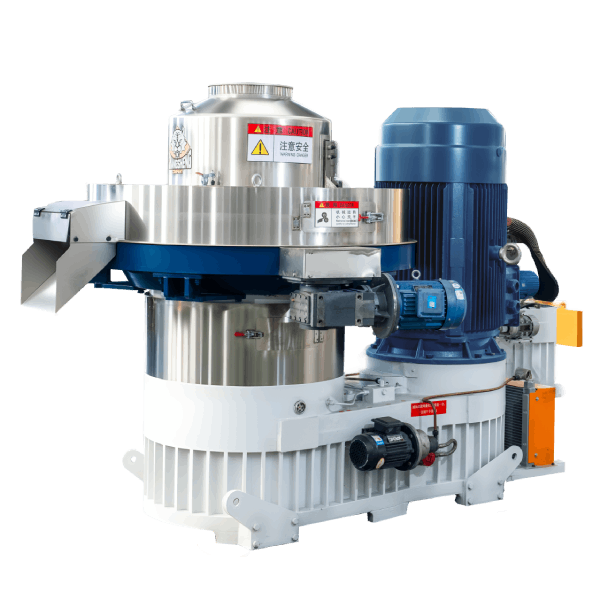
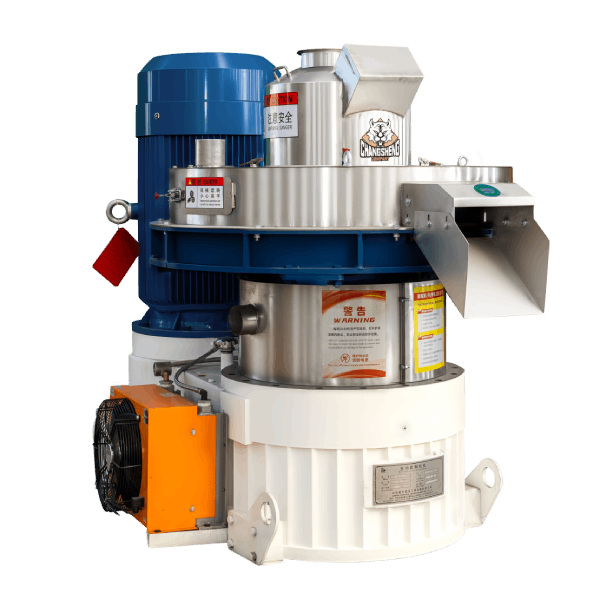
Biomass Pellet Plant | Engineering Guide & Solutions
News 2026-03-25
Product Definition
A biomass pellet plant is an integrated industrial system that converts agricultural residues, wood waste, or biomass into high-density fuel pellets through size reduction, drying, compression, and cooling processes. It enables efficient energy production with standardized pellet quality for commercial, industrial, and export markets.
Technical Parameters & Specifications
Typical industrial biomass pellet plant configurations vary based on capacity and raw material type. Below are standard engineering parameters:
| Parameter | Typical Range |
|---|---|
| Production Capacity | 1–20 tons/hour |
| Pellet Diameter | 6–12 mm |
| Final Pellet Density | 1.1–1.4 g/cm³ |
| Raw Material Moisture | 10–15% |
| Power Consumption | 75–250 kWh/ton |
| Pelletizing Temperature | 80–100°C |
| Compression Ratio | 1:6 – 1:10 |
| Plant Footprint | 800–5,000 m² |
Structure & Material Composition
A complete biomass pellet plant consists of the following modules:
- Raw Material Handling System
- Belt conveyors
- Storage silos
- Crushing Section
- Hammer mill (carbon steel housing, alloy hammers)
- Drying System
- Rotary drum dryer (Q235 steel + refractory lining)
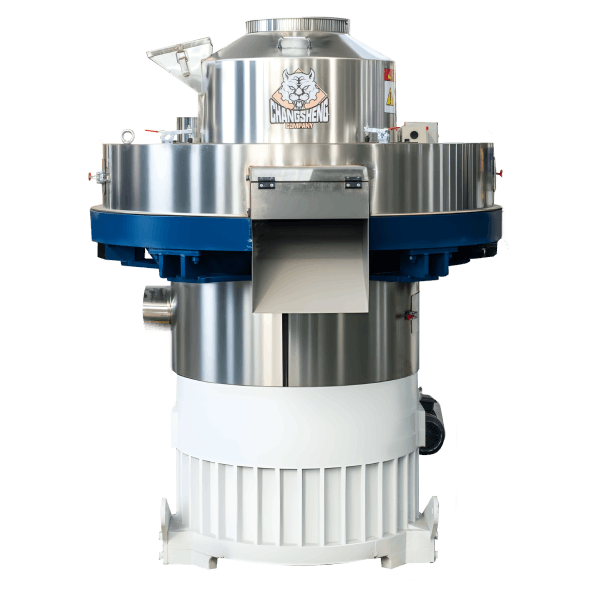
- Pelletizing Unit
- Ring die pellet mill (alloy steel die, hardened rollers)
- Cooling System
- Counterflow cooler (galvanized steel structure)
- Screening & Packing
- Vibrating screen + automatic bagging system
- Dust Collection
- Cyclone separator + pulse dust collector
Manufacturing Process (Engineering Workflow)
A standard biomass pellet plant follows these process steps:
- Raw Material Preparation
- Equipment: Shredder, conveyor
- Key point: Particle size ≤5 mm
- Drying
- Equipment: Rotary dryer
- Control moisture to 10–15%
- Grinding
- Equipment: Hammer mill
- Uniform particle size ensures pellet quality
- Pelletizing
- Equipment: Ring die pellet machine
- High pressure + temperature forms pellets
- Cooling
- Equipment: Counterflow cooler
- Reduce temperature to ambient ±5°C
- Screening & Packaging
- Remove fines, ensure uniform product
Industry Comparison
| Factor | Biomass Pellet Plant | Coal Processing | Briquette Line |
|---|---|---|---|
| Energy Efficiency | High | Medium | Medium |
| Environmental Impact | Low | High | Medium |
| Product Density | High | High | Medium |
| Automation Level | High | Medium | Low |
| Market Demand | Growing | Declining | Stable |
Application Scenarios
A biomass pellet plant is widely used by:
- Distributors / Importers
- Supply pellets to heating and power markets
- EPC Contractors
- Turnkey renewable energy projects
- Industrial Users
- Replace coal in boilers and furnaces
- Agricultural Enterprises
- Convert waste into commercial fuel
Core Pain Points & Solutions
1. Inconsistent Pellet Quality
- Cause: Moisture fluctuation, poor die design
- Solution: Install moisture sensors + optimize compression ratio
2. High Energy Consumption
- Cause: Inefficient grinding or drying
- Solution: Use variable frequency drives (VFD) and optimize airflow
3. Frequent Die Wear
- Cause: High silica content materials
- Solution: Use alloy steel dies with heat treatment
4. Dust Pollution
- Cause: Poor sealing and filtration
- Solution: Add pulse dust collectors and sealed conveyors
Risk Warnings & Mitigation
- Fire Risk in Drying System
- Install temperature monitoring and spark detection
- Overload in Pellet Mill
- Use automatic overload protection
- Raw Material Variability
- Conduct pre-processing and blending
- Improper Installation
- Require EPC-level commissioning and alignment
Procurement Selection Guide (≥6 Steps)
- Define Capacity Requirements
- Daily/annual output targets
- Analyze Raw Materials
- Wood chips, straw, rice husk, etc.
- Evaluate Energy Costs
- Electricity vs. biomass fuel drying
- Check Equipment Quality
- Die material, motor brand, gearbox design
- Assess Automation Level
- PLC control, remote monitoring
- Review Supplier Experience
- Export cases, EPC project references
- Calculate ROI
- Payback period typically 12–24 months
Engineering Case Study
Project: 5 T/H Biomass Pellet Plant in Southeast Asia
- Raw Material: Rubber wood + sawdust
- Installed Power: 850 kW
- Moisture Input: 35% → Output: 12%
- Final Pellet Diameter: 8 mm
Results:
- Output stabilized at 4.8–5.2 T/H
- Pellet durability >95%
- Payback period: 18 months
FAQ (Frequently Asked Questions)
1. What is the ideal moisture for pelletizing?
10–15% for stable pellet formation.
2. What raw materials can be used?
Wood, straw, rice husk, bamboo, agricultural waste.
3. How long does a die last?
Typically 800–1,500 operating hours.
4. What is the pellet density?
Around 1.1–1.4 g/cm³.
5. Is a drying system always required?
Yes, if raw material moisture exceeds 15%.
6. What is the typical plant lifespan?
10–15 years with proper maintenance.
7. How many operators are needed?
3–6 workers per shift depending on automation.
8. What is the power consumption per ton?
75–250 kWh/ton depending on configuration.
9. Can the plant run continuously?
Yes, designed for 24/7 industrial operation.
10. Is customization available?
Yes, based on raw material and capacity requirements.
Call to Action (CTA)
For detailed engineering layouts, technical specifications, or a customized quotation for your biomass pellet plant, contact Shandong Changsheng Machinery.
Request project design documents, ROI analysis, and sample testing to support your procurement decision.
E-E-A-T Authoritative Statement
This article is prepared by engineers with over 10 years of experience in biomass pellet equipment design and international EPC project delivery. The team has supported multiple large-scale biomass pellet plant installations across Asia, Africa, and South America, ensuring technically reliable and commercially viable solutions for industrial buyers.