Commercial Pellet Mill: Complete Buyer’s Guide

News 2026-08-21

Page SEO Summary: This comprehensive guide covers everything about commercial pellet mills—types, capacities, features, selection criteria, and investment guidance for commercial pellet production.

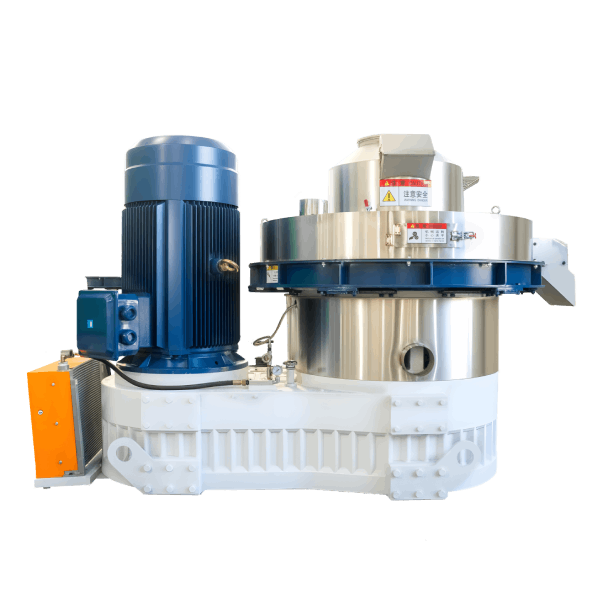
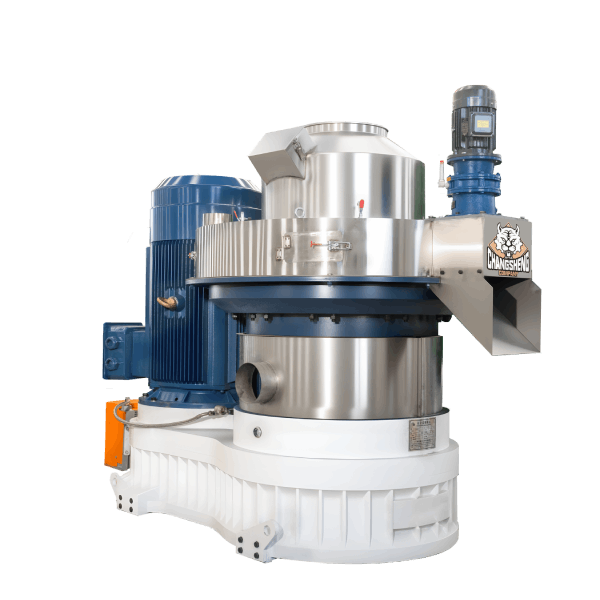
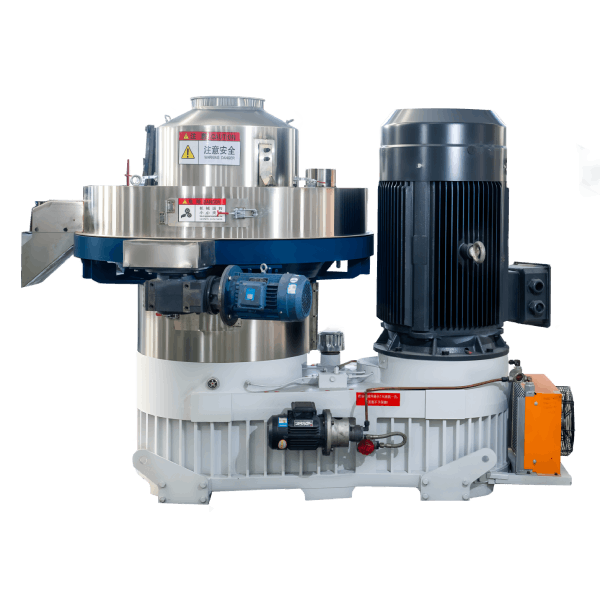
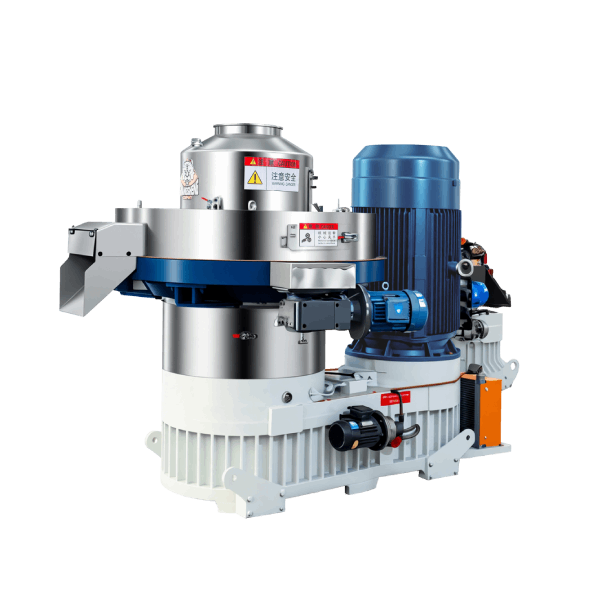
A commercial pellet mill is the core equipment for any business producing wood pellets, feed pellets, or biomass pellets for sale. Unlike hobby or farm-scale machines, commercial pellet mills are designed for consistent, high-capacity production that meets market demands.

This guide provides a comprehensive overview of commercial pellet mills, helping you understand what they are, how they work, and how to choose the right one for your business.


What Is a Commercial Pellet Mill?

Basic Definition

commercial pellet mill is a machine designed for business-scale pellet production. It features robust construction, reliable components, and capacities typically ranging from 200 kg/h to several tons per hour.

Who It’s For

User TypeCapacityApplication
Small business200-500 kg/hLocal pellet sales
Mid-size business500-1,500 kg/hRegional sales
Large business1.5-5 t/hCommercial production
Industrial plant5-20+ t/hLarge-scale production

Commercial vs Home/Farm

Comparison

AspectCommercialHome/Farm
Capacity200-5,000+ kg/h30-200 kg/h
OperationRegular/continuousIntermittent
ConstructionRobustStandard
Component brandsQualityBasic
AutomationSemi to fully automatedManual
Price$5,000-80,000+$500-5,000
Life expectancy10-15+ years3-8 years

When to Choose Commercial

If You NeedChoose Commercial
Regular productionDaily operation
Capacity >200 kg/hHigher output
Business operationFor sale
Quality consistencyCommercial standards
Professional supportAvailable

Types of Commercial Pellet Mills

By Die Type

TypeCapacityBest For
Ring die200-5,000+ kg/hMost commercial applications
Flat die50-300 kg/hSmall commercial

By Automation Level

TypeFeaturesBest For
Manual/SemiBasic controlsSmall operations
AutomatedPLC; monitoringMid-size operations
Fully automatedFull automationLarge operations

By Application

TypeMaterialBest For
Wood pellet millWoodBiomass fuel
Feed pellet millFeed ingredientsAnimal feed
Biomass pellet millMultiple materialsDiverse operations

Capacity Options

Production Capacities

SizeCapacity (kg/h)Annual OutputTypical Use
Small commercial200-500400-1,000 tonsLocal sales
Medium commercial500-1,5001,000-3,000 tonsRegional sales
Large commercial1.5-5 t/h3,000-10,000 tonsCommercial plant
Industrial5-20+ t/h10,000-40,000+ tonsLarge-scale plant

Capacity Calculation

StepCalculationExample
1Target production (tons/year)1,000 tons/year
2Operating hours/year2,500 hours
3Required capacity1,000 ÷ 2,500 = 0.4 t/h
4Add 20% margin0.48 t/h (480 kg/h)
5Select machine500 kg/h machine

Key Features

Commercial-Grade Components

ComponentCommercial StandardBenefit
MotorQuality brandReliability
BearingsQuality brandLong life
GearboxHeavy-dutyReliability
DiePremium alloyLonger life
RollersHardenedWear resistance

Automation Features

FeatureBenefit
PLC controlAutomated operation
HMI touchscreenEasy operation
Data loggingProduction tracking
Alarm systemIssue detection
Feed controlConsistent output

Support Equipment

EquipmentFunctionImportance
ConditionerPre-heat materialHigh
CoolerCool pelletsHigh
ScreeningRemove finesHigh
Dust collectionEnvironmental controlRequired

Price Overview

Price Ranges

CapacityPrice Range (USD)
200-500 kg/h$5,000-15,000
500-1,500 kg/h$15,000-35,000
1.5-5 t/h$35,000-80,000
5-10+ t/h$80,000-200,000+

Complete Line Cost

CapacityComplete Line Cost (USD)
200-500 kg/h$15,000-40,000
500-1,500 kg/h$40,000-100,000
1.5-5 t/h$100,000-250,000
5-10+ t/h$250,000-600,000+

Cost Factors

FactorImpact
CapacityLarger = higher price
AutomationHigher automation = higher price
Component qualityPremium = higher price
Die typeRing die > flat die

pellet machine

Selection Considerations

Key Questions

QuestionWhy Important
“What is your target capacity?”Sizing
“What material will you process?”Configuration
“What is your budget?”Investment capacity
“What is your power supply?”Motor specification
“What automation do you need?”Labor availability

Decision Matrix

If YouChoose
Need 200-500 kg/hSmall commercial ring die
Need 500-1,500 kg/hMedium commercial ring die
Need >1.5 t/hLarge commercial ring die
Have limited budgetSmaller commercial
Need full automationAutomated model

Business Considerations

Market Opportunities

MarketProductTypical Volume
Local heatingWood pelletsSmall-medium
FarmersFeed pelletsSmall-medium
ExportWood pelletsLarge
IndustrialBiomass pelletsLarge

Profitability Factors

FactorImpact
Raw material costHigh impact
Production efficiencyHigh impact
Market priceHigh impact
Equipment reliabilityMedium impact
ScaleMedium impact

Procurement Checklist

Requirements

  • □ Capacity confirmed (kg/h)
  • □ Material type identified
  • □ Power supply confirmed
  • □ Budget established
  • □ Space confirmed

Evaluation

  • □ Multiple suppliers compared
  • □ Component quality reviewed
  • □ Automation level confirmed
  • □ Warranty terms understood
  • □ Support capability confirmed

Decision

  • □ Best option selected
  • □ Supplier chosen
  • □ Order placed

Frequently Asked Questions

1. What is a commercial pellet mill?

A commercial pellet mill is a machine designed for business-scale pellet production, with capacities typically ranging from 200 kg/h to several tons per hour.

2. What is the difference between commercial and home use?

Commercial mills are built for regular operation with higher capacity (200+ kg/h), robust construction, and quality components. Home mills are for intermittent use with lower capacity.

3. What capacity do I need?

Calculate your annual production target and divide by operating hours. Add 20% margin. For 1,000 tons/year with 2,500 operating hours, you need ~480 kg/h.

4. How much does a commercial pellet mill cost?

Small commercial mills cost $5,000-15,000. Medium cost $15,000-35,000. Large cost $35,000-80,000+.

5. What is the best type for commercial production?

Ring die pellet mills are best for most commercial applications due to higher capacity, better quality, and efficiency.

6. What automation level do I need?

Semi-automated for small operations. Fully automated for larger operations with limited labor.

7. What is the typical lifespan?

With proper maintenance, a commercial pellet mill can last 10-15+ years.

8. What support equipment is needed?

Conditioner, cooler, screening, dust collection, and proper material handling equipment.


About the Author

Zhang Wei – Senior International Sales Engineer, Shandong Changsheng Machinery Co., Ltd.

Zhang Wei has over 12 years of experience in the biomass and feed pellet mill industry, with a background in mechanical engineering and international project execution. He has helped commercial clients across Southeast Asia, the Middle East, Africa, Europe, and Latin America start and grow their pellet businesses.

With hands-on experience in both the manufacturing workshop and client-side operations, Zhang brings practical insights into successful equipment procurement—from the factory floor to the customer’s commercial operation.