Page SEO Summary: This technical guide helps dairy farmers and feed producers evaluate cattle feed pellet mills—covering equipment types, capacity selection, investment considerations, and the special requirements for ruminant feed production.
The global dairy industry is increasingly recognizing the benefits of pelleted feed for cattle. Pelleted feed offers improved feed efficiency, reduced waste, better digestibility, and more consistent nutrition—all of which contribute to higher milk production and better herd health.
However, cattle feed is different from poultry or swine feed. As ruminants, cattle have a digestive system adapted to fibrous feedstuffs. Cattle feed pellets must consider fiber content, particle size, and the specific nutritional requirements of dairy cows. A cattle feed pellet mill for dairy farms must be selected with these unique requirements in mind.
This guide provides a comprehensive technical framework for understanding, selecting, and procuring cattle feed pellet mills for dairy farm applications.
Why Pelleted Feed for Dairy Cattle?
Benefits of Pelleted Feed
Benefit
Impact on Dairy Operation
Improved feed efficiency
More milk per unit of feed
Reduced waste
Less feed wasted; lower cost
Better digestibility
More nutrients absorbed
Consistent nutrition
Stable milk production
Easier handling
Less labor; simple storage
Reduced sorting
Cows eat all ingredients
Common Feed Forms
Feed Form
Advantages
Disadvantages
Total Mixed Ration (TMR)
Balanced; best for rumen health
Requires equipment; mixing
Pelleted concentrate
Easy feeding; efficient
Supplement only
Complete pelleted feed
Convenient; balanced
Cost; processing
Mash
Simple; cheap
Waste; sorting
Special Requirements for Cattle Feed
Ruminant vs. Monogastric Feed
Aspect
Cattle (Ruminant)
Poultry/Swine (Monogastric)
Dietary fiber
High requirement
Low requirement
Particle size
Larger (3-6 mm)
Smaller (2-4 mm)
Starch content
Limited (rumen health)
Higher
Pellet durability
Moderate
High
Additives
Buffers; yeasts
Enzymes; acids
Protein source
Bypass protein needed
Regular protein
Key Nutritional Considerations
Factor
Impact on Feed Formulation
Fiber (NDF)
Essential for rumen health; affects pellet binding
□ Feed type (complete pellet or concentrate) confirmed
□ Nutritional requirements identified
Equipment Specifications
□ Pellet mill capacity matched to herd size
□ Die compression ratio: 1:8 to 1:10
□ Pellet diameter: 4-6 mm
□ Motor power confirmed
□ Voltage/frequency match site supply
Complete System
□ Hammer mill included
□ Mixer included
□ Conditioner included
□ Cooler included
□ Conveying system included
Commercial
□ Equipment investment budgeted
□ Complete line cost estimated
□ Operating cost projected
□ Raw material cost calculated
□ Payback period estimated
Supplier Evaluation
□ Supplier experience with cattle feed
□ References from dairy operations
□ Spare parts availability
□ Warranty and support terms
Frequently Asked Questions
1. What is a cattle feed pellet mill for dairy farms?
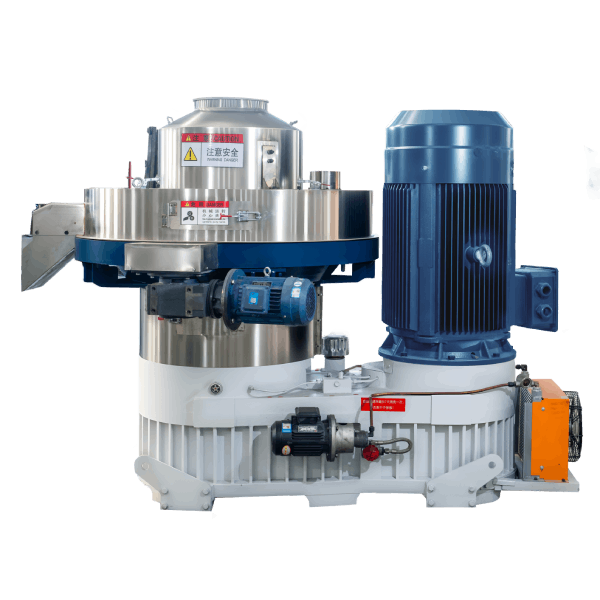
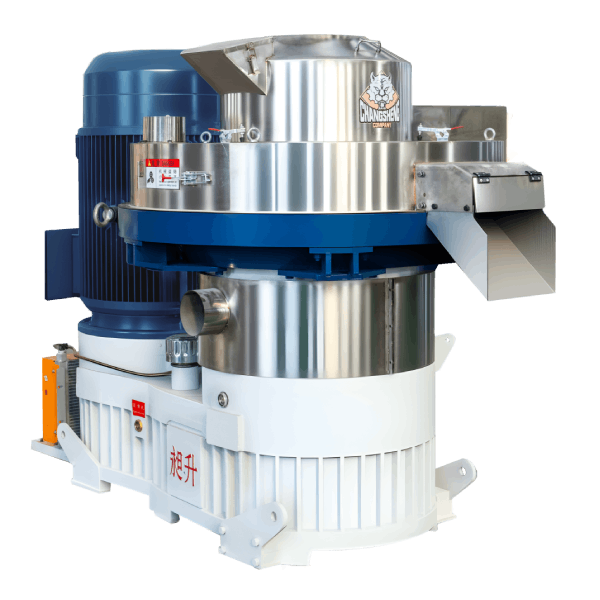
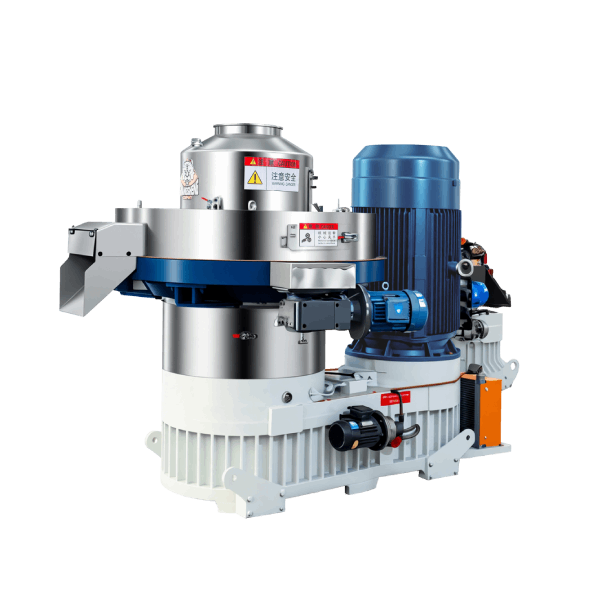
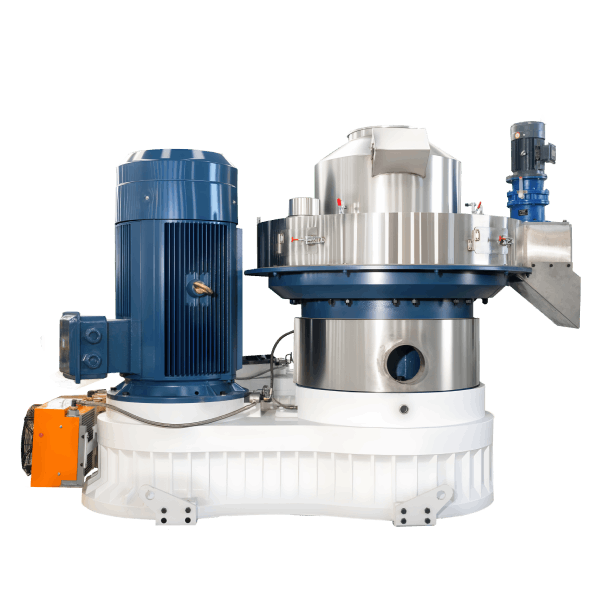
A cattle feed pellet mill is a machine that compresses ground feed ingredients into dense pellets suitable for dairy cattle. It uses a rotating die and rollers to form pellets, with a conditioner to improve pellet quality.
2. How is cattle feed different from poultry feed?
Cattle feed is formulated for ruminants, with higher fiber content, larger pellet size (4-6 mm vs. 2-4 mm), and lower starch content. Poultry feed is for monogastric animals with different nutritional requirements.
3. What capacity do I need for my dairy farm?
A 100-cow herd needs approximately 200-400 kg/h of feed. A 500-cow herd needs 800-2,000 kg/h. Match equipment to your herd size and expected feed consumption.
4. What is the optimal pellet size for dairy cattle?
Pellet diameter should be 4-6 mm for lactating cows and 5-6 mm for dry cows. Smaller pellets (3-4 mm) are suitable for calves and heifers. Appropriate size helps maintain rumen health and feeding behavior.
5. How much does a cattle feed pellet mill cost?
Equipment cost ranges from $5,000-120,000 depending on capacity. A complete line ranges from $15,000-300,000.
6. Do cattle feed pellets need high durability?
Cattle feed pellets need moderate durability (85-90% PDI) — not as high as poultry feed. This is because cattle feed is often consumed within days, not subjected to extensive transport.
7. Is it profitable to make cattle feed on-farm?
Yes, especially for larger herds. On-farm feed production can reduce feed costs by 10-20% compared to purchased feed. The payback period is typically 1-3 years.
8. What are the most important feed ingredients?
Key ingredients: corn (energy), soybean meal (protein), wheat bran (fiber), and minerals/vitamins. The specific formulation depends on the herd’s production stage and nutritional requirements.
Zhang Wei has over 12 years of experience in the biomass and feed pellet mill industry, with a background in mechanical engineering and international project execution. He has managed feed production projects for livestock, poultry, and aquaculture operations across Southeast Asia, the Middle East, Africa, and Latin America.
With hands-on experience in both the manufacturing workshop and client-side operations, Zhang brings practical insights into successful equipment procurement—from the factory floor to the customer’s feed production facility.