Electric vs Diesel Pellet Mill: Complete Comparison Guide

News 2026-08-11

Page SEO Summary: This comprehensive comparison guide helps you understand the differences between electric and diesel pellet mills—covering advantages, costs, applications, and selection criteria.

When choosing a pellet mill, one of the key decisions is the power source: electric or diesel. Each has its advantages and is suited to different operating conditions. The choice depends on power availability, location, mobility needs, and operating costs.

This guide provides a comprehensive comparison of electric and diesel pellet mills, helping you choose the right power source for your application.


Basic Definitions

Electric Pellet Mill

AspectDetail
Power sourceElectricity from grid or generator
MotorElectric motor
Typical voltage220V (single-phase) or 380V (3-phase)
Typical power3-200+ kW
Best forFixed installations with grid power

Diesel Pellet Mill

AspectDetail
Power sourceDiesel fuel
EngineDiesel engine
Typical power5-100+ HP
Best forRemote locations, mobile operations, no grid power

Detailed Comparison

Power Source

AspectElectricDiesel
Power availabilityGrid-dependentIndependent
Fuel sourceElectricityDiesel fuel
Energy costLowerHigher
Energy efficiencyHigher (motor efficiency)Lower (engine efficiency)
EmissionsNone (local)Exhaust emissions

Performance

AspectElectricDiesel
Power consistencyVery consistentConsistent
TorqueConstant torqueGood torque
Startup powerHigh inrushSmooth
Speed controlEasy (VFD)Limited
Noise levelLowerHigher

Installation

AspectElectricDiesel
InstallationRequires electrical connectionSelf-contained
MobilityFixed installationMobile possible
SpaceLess (motor)More (engine + fuel tank)
ComplexityLowerHigher

Advantages and Disadvantages

Electric Pellet Mill

Advantages

AdvantageWhy It Matters
Lower operating costElectricity cheaper than diesel
More efficientElectric motors are 85-95% efficient
Quieter operationLess noise pollution
No exhaust emissionsCleaner, indoor use possible
Lower maintenanceElectric motors need less maintenance
Simple installationNo fuel system needed
Better speed controlVFD for precise control

Disadvantages

DisadvantageImpact
Grid dependentCannot operate without power
Limited mobilityFixed installation
High startup currentMay need larger wiring
Power quality issuesSensitive to voltage fluctuations

Diesel Pellet Mill

Advantages

AdvantageWhy It Matters
Independent operationNo grid power needed
MobileCan be moved easily
Suitable for remote locationsWorks anywhere
Good torqueHandles tough materials
Quick startupNo electrical infrastructure

Disadvantages

DisadvantageImpact
Higher fuel costDiesel is expensive
Lower efficiencyDiesel engines are 30-40% efficient
NoiseLoud operation
Exhaust emissionsRequires ventilation
Higher maintenanceEngine maintenance required
Fuel storageNeed fuel storage

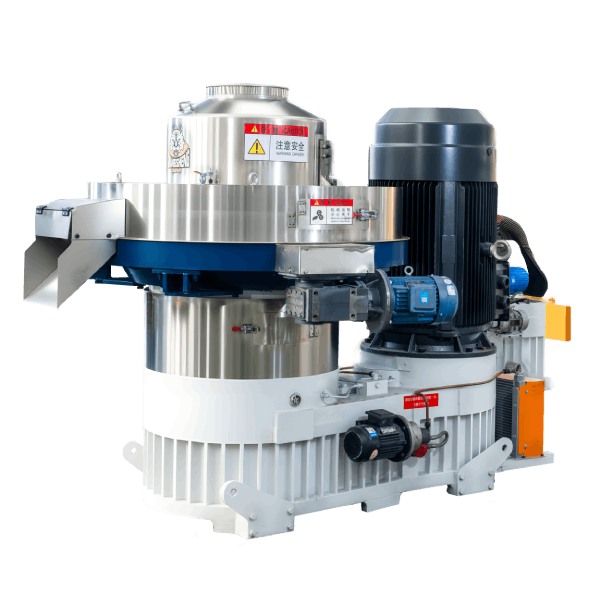
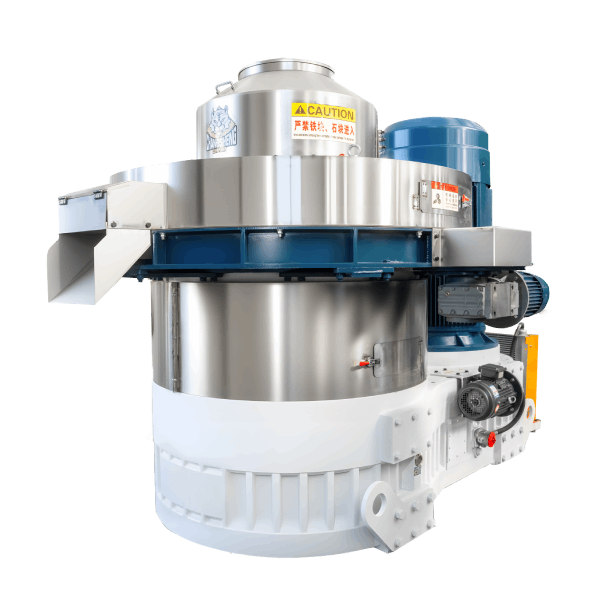
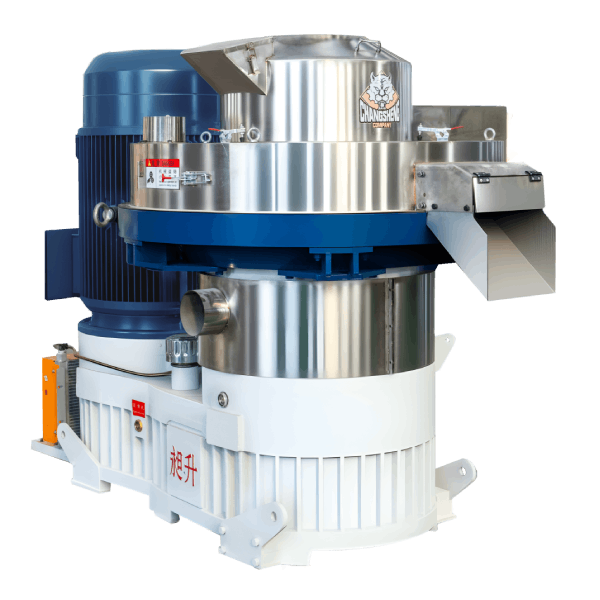
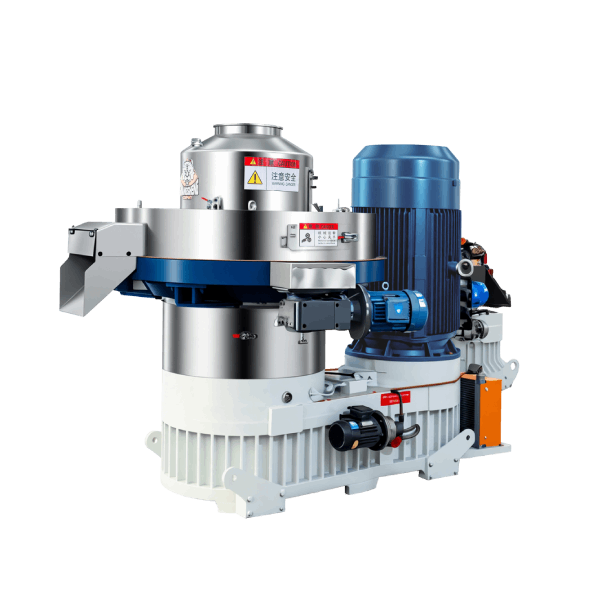
Changsheng 700 Biomass Pellet Machine heavy-duty wear-resistant ring die and rollers

Cost Comparison

Equipment Cost

ScaleElectricDieselDifference
Small (5-15 kW)$500-3,000$1,500-4,000Diesel +30-50%
Medium (15-30 kW)$2,000-8,000$3,000-10,000Diesel +30-50%
Large (30-75 kW)$8,000-25,000$12,000-35,000Diesel +40-60%

Operating Cost Comparison

Cost ItemElectricDiesel
Fuel/energy per hour$1-3$5-15
Cost per ton$5-15$15-40
Maintenance costLowerHigher
Annual operating costLowerHigher

1,000-Hour Operating Cost Example

Cost CategoryElectricDiesel
Energy cost$1,500-3,000$5,000-15,000
Maintenance$200-500$1,000-2,500
Total$1,700-3,500$6,000-17,500

Performance Comparison

Efficiency

AspectElectricDiesel
Motor/engine efficiency85-95%30-40%
Overall efficiencyHighLow
Energy cost per kWhLowHigh

Power and Torque

AspectElectricDiesel
Torque characteristicsConstant torqueGood torque
Overload capacityGood (with VFD)Good
Startup torqueHighVery high

Reliability

AspectElectricDiesel
ReliabilityVery goodGood
Maintenance frequencyLowHigh
Parts availabilityGoodModerate

Application Scenarios

Choose Electric When

ScenarioReason
Grid power availableMost economical
Fixed installationNo mobility needed
Indoor operationNo emissions
Lower operating cost neededElectricity cheaper
Quiet operation neededLess noise
Frequent operationLower running costs

Choose Diesel When

ScenarioReason
No grid powerRemote location
Mobile operationNeed to move machine
Temporary operationQuick setup
High starting torque neededTough materials
Emergency backupPower outage contingency

Common Applications

ApplicationRecommended
Farm with grid powerElectric
Remote farmDiesel
Mobile feed serviceDiesel
Fixed feed millElectric
Emergency useDiesel
Indoor operationElectric
Outdoor operationBoth possible

Decision Framework

Questions to Ask Yourself

QuestionWhy It Matters
“Is grid power available at your site?”Primary factor
“Will the machine be moved?”Mobility need
“What is your operating budget?”Cost difference
“Is noise a concern?”Environmental factor
“Is indoor operation needed?”Emissions
“What is your production scale?”Power requirement

Decision Matrix

ConditionChoose
Grid power available + fixed operationElectric
Grid power available + mobile needDiesel or electric with cable
No grid power + fixed operationDiesel (or generator + electric)
No grid power + mobile operationDiesel
Indoor operationElectric
Remote + temporaryDiesel
Cost-sensitive operationElectric

Hybrid and Alternative Options

Electric with Generator

AspectDetail
SetupElectric pellet mill + diesel generator
AdvantagesElectric efficiency, independent operation
DisadvantagesHigher equipment cost, two machines
Best forOccasional remote operation

Solar-Powered Electric

AspectDetail
SetupElectric pellet mill + solar panels
AdvantagesRenewable, low operating cost
DisadvantagesHigh initial cost, weather dependent
Best forSun-rich areas, low power needs

Procurement Checklist

Site Assessment

  • □ Grid power availability confirmed
  • □ Power quality assessed (voltage, frequency)
  • □ 3-phase vs single-phase determined
  • □ Space for machine confirmed
  • □ Ventilation considered (for diesel)

Needs Assessment

  • □ Mobility requirements defined
  • □ Operating hours per day confirmed
  • □ Production capacity required
  • □ Indoor vs outdoor operation
  • □ Noise constraints

Cost Assessment

  • □ Equipment investment budgeted
  • □ Operating cost projected
  • □ Total cost of ownership calculated
  • □ Fuel/electricity cost confirmed

Final Decision

  • □ Electric vs diesel decision made
  • □ Supplier selected
  • □ Order placed

Frequently Asked Questions

1. Which is cheaper: electric or diesel pellet mill?

Electric pellet mills are cheaper to operate over time. Electricity is generally less expensive than diesel fuel per unit of energy, and electric motors are more efficient.

2. Which is more powerful: electric or diesel?

Both can be equally powerful. The choice depends on the specific motor or engine size. Both can handle heavy-duty pelleting.

3. Can I run an electric pellet mill without grid power?

Yes, you can run an electric pellet mill with a diesel generator. This is a common solution for remote locations that still want electric efficiency.

4. Which is better for remote locations?

Diesel pellet mills are better for remote locations without grid power. They are self-contained and don’t require electrical infrastructure.

5. Which is quieter: electric or diesel?

Electric pellet mills are significantly quieter. Diesel engines produce much more noise.

6. Which requires more maintenance?

Diesel pellet mills require more maintenance (engine service, oil changes, fuel filters). Electric motors need only basic maintenance.

7. Is a diesel pellet mill more expensive?

The equipment cost is usually higher for diesel pellet mills. Operating costs are also higher due to diesel fuel costs and maintenance.

8. Can a diesel pellet mill be used indoors?

Diesel pellet mills are not recommended for indoor use due to exhaust emissions. Electric pellet mills are preferred for indoor operation.


About the Author

Zhang Wei – Senior International Sales Engineer, Shandong Changsheng Machinery Co., Ltd.

Zhang Wei has over 12 years of experience in the biomass and feed pellet mill industry, with a background in mechanical engineering and international project execution. He has helped clients across diverse locations—from grid-connected urban facilities to remote off-grid farms—choose the right power source for their pellet mills.

With hands-on experience in both the manufacturing workshop and client-side operations, Zhang brings practical insights into successful equipment procurement—from the factory floor to the customer’s site.