Page SEO Summary: This guide helps EPC contractors procure and manage pellet line projects—covering supplier evaluation, scope definition, project management, and risk mitigation.
For EPC contractors, a pellet line is more than a piece of equipment—it is a project deliverable that must meet specifications, stay within budget, and be delivered on time. Your reputation depends on the performance of the equipment you install, and your success depends on the partners you choose.
This guide provides a framework for procuring and managing pellet lines from an EPC perspective.
1. Understanding the EPC Role
EPC Responsibilities
Responsibility
Description
Engineering
Process design, detailed engineering
Procurement
Equipment sourcing, supplier management
Construction
Installation, civil works, commissioning
Key Success Factors
Factor
Why Important
Supplier reliability
Equipment performance
Schedule adherence
Project delivery
Cost control
Profitability
Quality assurance
Client satisfaction
Risk management
Project success
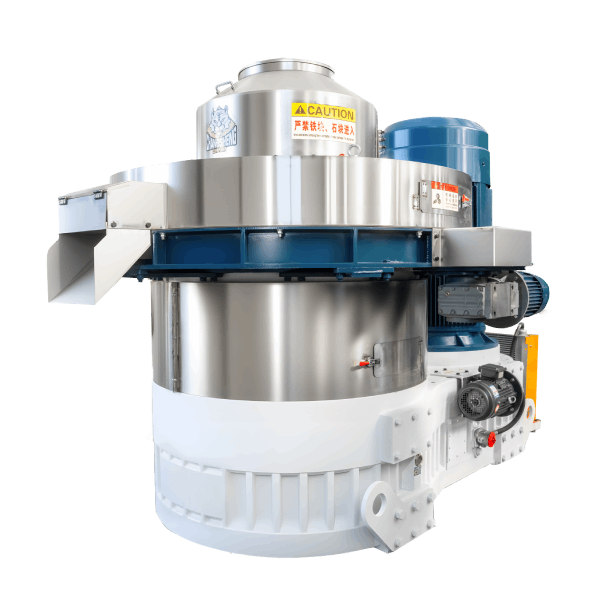
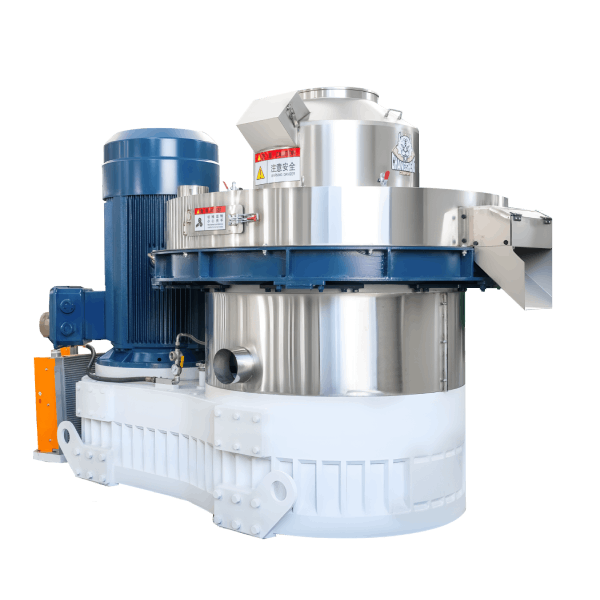
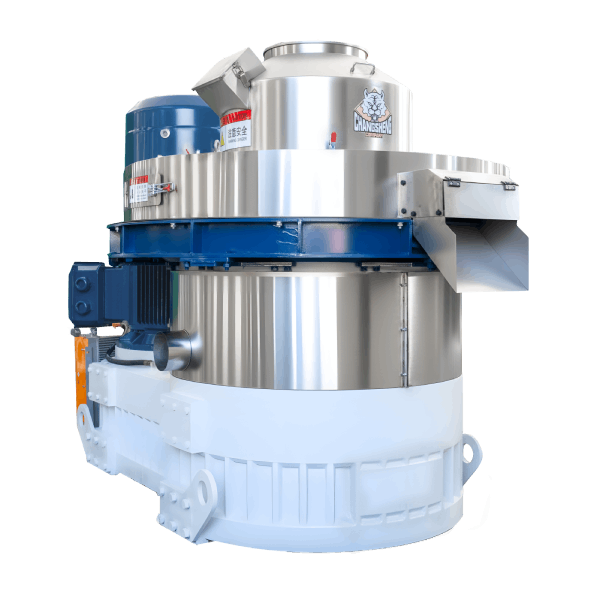
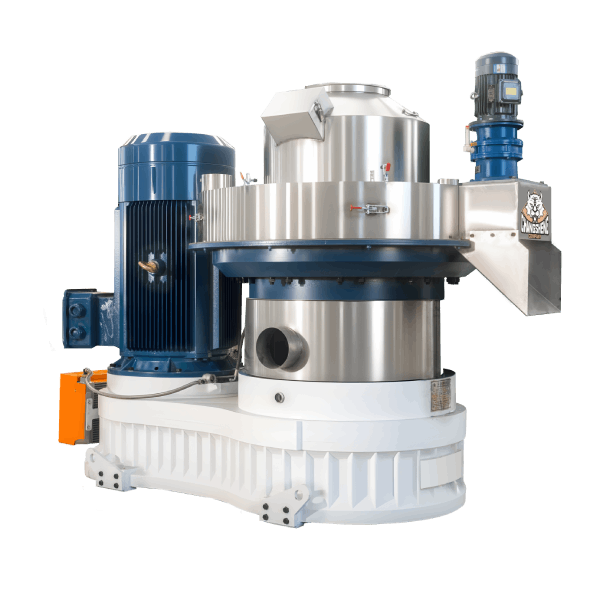
A pellet line for EPC contractor projects from a manufacturer like Shandong Changsheng Machinery Co., Ltd. should be evaluated not just on equipment quality, but on the supplier’s ability to meet project timelines and provide technical support.
2. Supplier Evaluation and Selection
Supplier Assessment Criteria
Criterion
Weight
What to Check
Track record
25%
Similar EPC projects
Technical capability
20%
Engineering, manufacturing
Quality
20%
Component brands, certifications
Schedule reliability
15%
On-time delivery history
Support
10%
After-sales, commissioning
Commercial terms
10%
Price, payment terms
Due Diligence Checklist
Item
What to Verify
EPC experience
Projects delivered under EPC contracts
Financial stability
Company health
Manufacturing capacity
Can meet schedule
Quality system
ISO, CE certifications
Reference projects
Contact previous EPC clients
Questions for Suppliers
Question
Why Ask
“What is your experience working with EPC contractors?”
Relevant experience
“What is your typical delivery time?”
Schedule
“Do you provide engineering support?”
Design coordination
“What is your commissioning process?”
Start-up support
“Can you provide references from EPC projects?”
Verification
3. Scope Definition and Responsibility Matrix
Clear Scope Definition
Scope Element
What to Include
Equipment
Complete equipment list
Engineering
Design, drawings
Manufacturing
Production, testing
Shipping
Incoterm, logistics
Installation
Supplier vs EPC scope
Commissioning
Supplier vs EPC scope
Training
Operator training
Responsibility Matrix
Activity
Supplier
EPC
Client
Process design
✓
Review
Approve
Equipment supply
✓
—
—
Civil works
—
✓
—
Equipment installation
Supervise
✓
—
Commissioning
✓
Support
—
Training
✓
—
—
Avoiding Scope Gaps
Strategy
How to Implement
Detailed scope document
Every item listed
Interface definition
Clear handover points
Regular coordination
Weekly meetings
Change order process
Clear procedures
4. Schedule Management
Project Phases
Phase
Activities
Duration
Design
Process design, equipment selection
2-4 months
Procurement
Supplier selection, contracting
2-3 months
Manufacturing
Equipment production
4-6 months
Civil works
Site preparation, foundations
2-4 months
Installation
Equipment installation
2-4 months
Commissioning
Start-up, testing
1-2 months
Critical Path Items
Item
Why Critical
Equipment order
Longest lead time
Civil works
Must be complete before installation
Commissioning
Final milestone
Supplier delivery
Follow-on tasks depend on it
Schedule Risk Mitigation
Risk
Mitigation
Supplier delay
Milestone payments, penalties
Civil delay
Early start, buffer
Commissioning issues
Extended support
5. Cost Management
Cost Components
Cost Category
What to Include
Control Strategy
Equipment
All line components
Fixed price
Civil works
Foundations, building
Competitive bidding
Installation
Labor, materials
Fixed price
Commissioning
Start-up, testing
Fixed price
Contingency
10-15%
Reserve
Cost Control Measures
Measure
Implementation
Fixed price contracts
Equipment, installation
Milestone payments
Tie to progress
Change order control
Formal approval
Regular cost review
Monthly tracking
6. Quality Management
Quality Requirements
Requirement
Implementation
Factory Acceptance Testing
Before shipment
Site Acceptance Testing
After installation
Performance testing
Guaranteed output
Documentation
Manuals, drawings
Quality Control Points
Stage
Control Point
Responsibility
Manufacturing
FAT
Supplier/EPC
Installation
Mechanical completion
EPC
Commissioning
Performance test
Supplier/EPC
Handover
Client acceptance
EPC/Client
7. Risk Management
Key Project Risks
Risk
Likelihood
Impact
Mitigation
Supplier performance
Medium
High
References, milestones
Schedule delays
Medium
High
Liquidated damages
Quality issues
Medium
High
FAT, inspection
Cost overruns
Medium
Medium
Fixed price contracts
Site readiness
Medium
Medium
Early assessment
Risk Mitigation Plan
Risk
Mitigation Action
Owner
Supplier delay
Milestone payments
EPC
Quality issues
FAT attendance
EPC
Cost overrun
Change order control
EPC
Scope gaps
Clear contract
EPC
8. Client Handover
Handover Deliverables
Deliverable
Purpose
Equipment
Complete, operational line
Documentation
Manuals, drawings
Training
Operator competence
Performance test
Guaranteed output
Warranty
Coverage
Acceptance Criteria
Criterion
Acceptance Standard
Capacity
Rated t/h achieved
Quality
Specifications met
Consumption
Within limits
Operation
Staff trained
Procurement Checklist: EPC Contractor Edition
Pre-Selection
□ Project requirements defined
□ Budget established
□ Timeline confirmed
□ Supplier shortlist created
Evaluation
□ Supplier capabilities assessed
□ References contacted
□ Site visits completed
□ Proposals compared
Contract
□ Scope clearly defined
□ Responsibility matrix agreed
□ Performance guarantee included
□ Milestone payments defined
□ Liquidated damages included
Execution
□ Schedule developed
□ Quality plan in place
□ Risk register created
□ Regular reporting established
Frequently Asked Questions
1. What is the role of an EPC contractor in a pellet line project?
The EPC contractor manages the entire project—engineering, procurement, construction, and commissioning—delivering a complete, operational facility to the client.
2. How do I evaluate a pellet line supplier?
Assess track record with EPC projects, technical capability, quality, schedule reliability, and after-sales support. Contact references from similar projects.
3. What is the most important contract clause?
Performance guarantee with liquidated damages is critical. It protects against non-performance.
4. How do I manage scope gaps?
Define scope clearly in the contract with detailed equipment lists and responsibility matrices. Use regular coordination meetings.
5. What is the typical timeline?
6-18 months from contract signing to commissioning, depending on scale and complexity.
6. How do I ensure quality?
Specify component brands, conduct Factory Acceptance Testing, and include performance guarantees.
7. What are the main risks?
Supplier performance, schedule delays, quality issues, and cost overruns are the main risks.
Zhang Wei has over 12 years of experience in the biomass and feed pellet mill industry, with a background in mechanical engineering and international project execution. He has worked with EPC contractors across Southeast Asia, the Middle East, Africa, Europe, and Latin America on pellet line projects.
With hands-on experience in both the manufacturing workshop and client-side operations, Zhang brings practical insights into successful project execution—from the factory floor to the completed plant.