Wear Resistant Alloy Pellet Die for Wood Pellets 0.5-5t/h | Supplier Guide
News 2026-07-08
Product Definition
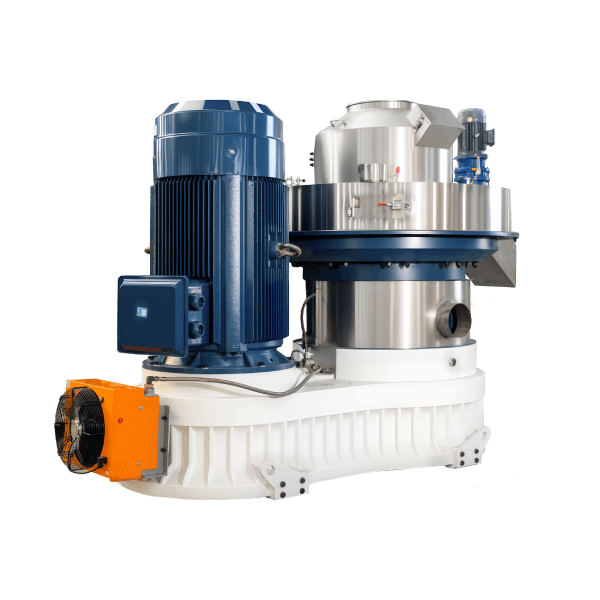
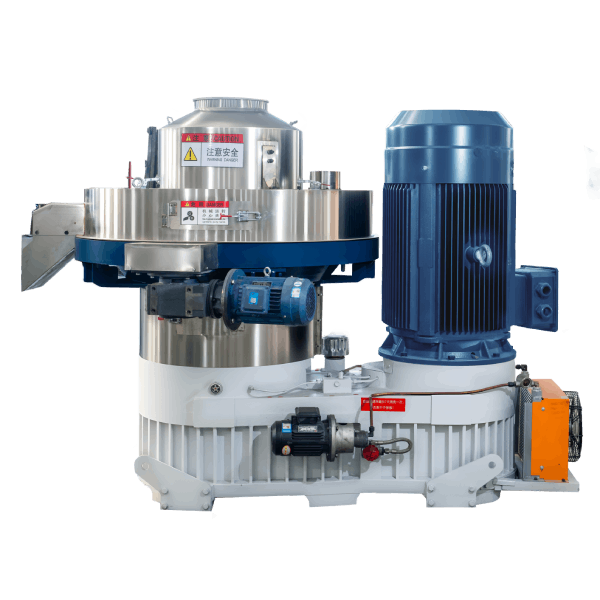
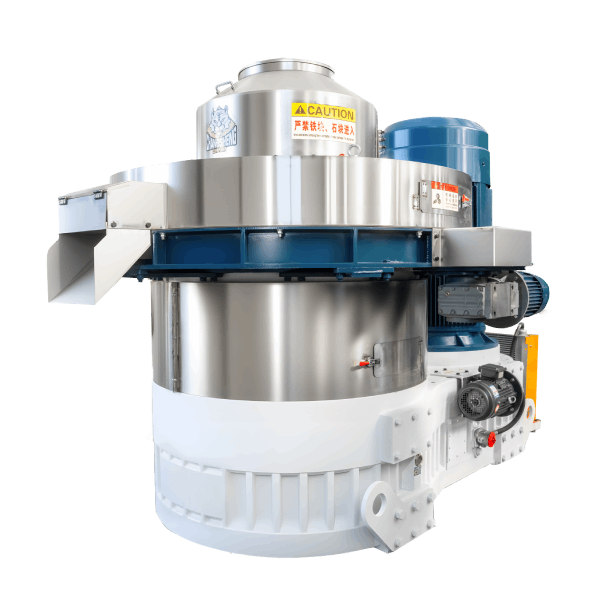
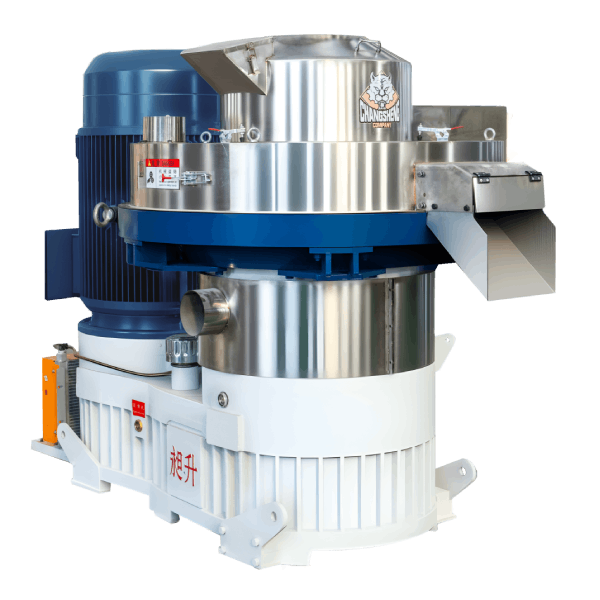
A wear resistant alloy pellet die for wood pellets is a ring die component manufactured from high-strength alloy steel, designed to withstand the abrasive and corrosive conditions of wood pellet production. The die forms sawdust and wood chips into dense fuel pellets under high pressure, with extended service life achieved through optimised material composition and heat treatment.
Technical Specifications & Performance Parameters
| Parameter | Value Range / Specification |
|---|---|
| Throughput capacity | 0.5 – 5.0 t/h (feedstock-dependent) |
| Main motor power | 55 – 160 kW |
| Ring die outer diameter | 300 – 1,200 mm |
| Ring die inner diameter | 200 – 900 mm |
| Die thickness (wall) | 15 – 100 mm |
| Pellet diameter | 6 – 12 mm (customisable) |
| Pellet bulk density | 600 – 750 kg/m³ |
| Raw material moisture | 12% – 18% (optimal: 14% – 16%) |
| Surface hardness | HRC 54 – 60 |
| Compression ratio | 1:4.5 – 1:8 (wood pellets) |
| Specific energy consumption | 26 – 35 kWh/t |
| Die service life (wood) | 1,200 – 2,000 hours |
| Hole tolerance | ±0.05 mm |
| Maintenance man-hours | 4 – 6 h / month |
Structural Composition & Material Selection
The wear resistant alloy pellet die comprises precision-engineered components with defined material grades:
Die Body Material (Alloy Steel)
- 20CrMnTi: Alloy structural steel with excellent comprehensive mechanical properties. Heat treatment hardness above HRC 50, high strength, and good wear resistance. Suitable for high-volume wood pellet production.
- 20MnCr5: Medium carbon alloy steel containing carbon (0.18%–0.23%), manganese (1.00%–1.30%), and chromium (0.90%–1.20%). Provides high tensile strength, toughness, and wear resistance.
- 40Cr / 35CrMo: Alloy steels with heat treatment hardness above HRC 50 and good wear resistance. Preferred for abrasive wood feedstocks.
Die Body Material (Stainless Steel)
- 4Cr13 / X46Cr13: High carbon, high chromium stainless steel with excellent wear and corrosion resistance. Heat treatment hardness above HRC 50. Longer service life in demanding conditions.
- 3Cr13: Martensitic stainless steel with rigid properties and good wear/corrosion resistance.
Die Hole Design
- Hole pattern: Concentric rings with staggered arrangement for uniform material flow
- Inlet taper: Optimised for wood fibre entry
- Compression ratio: 1:4.5 to 1:8 depending on wood species and moisture
- Die hardness: HRC 55–60 through vacuum quenching or high-temperature carbonising
Manufacturing Process – Engineering Workflow
Step 1 – Material Selection & Forging
High-quality alloy steel billets selected based on feedstock requirements. Forging refines grain structure and removes internal voids.
Step 2 – Rough Machining
Die blank machined to approximate dimensions. Hole positions marked and drilled.
Step 3 – Precision Drilling
CNC drilling creates hole pattern with ±0.05mm tolerance. Hole diameter, taper, and compression ratio matched to feedstock specification.
Step 4 – Heat Treatment
Vacuum quenching or high-temperature carbonising achieves uniform hardness HRC 54–60 across the die face. Multiple heat treatment stages ensure consistent hardness and reduce cracking risk.
Step 5 – Finish Machining & Hardness Testing
Final machining to dimensional specification. Hardness testing (HRC) verifies treatment quality. Dimensional inspection ensures hole tolerance.
Industry Comparison – Die Material Options
| Die Material | Wear Resistance | Corrosion Resistance | Hardness (HRC) | Typical Application |
|---|---|---|---|---|
| 20CrMnTi Alloy | High | Moderate | 54–60 | High-volume wood pellet production |
| 4Cr13 Stainless | High | High | 52–56 | Corrosive wood species, wet conditions |
| 40Cr / 35CrMo Alloy | Moderate-High | Moderate | 50–55 | General wood processing |
| X46Cr13 Stainless | High | High | 52–56 | Demanding biomass applications |
Differentiation (Shandong Changsheng Machinery):
Our wear resistant alloy pellet dies are manufactured from premium 20CrMnTi or 4Cr13 materials with vacuum heat treatment for uniform hardness HRC 55–60. Precision CNC drilling ensures hole tolerance ±0.05mm for consistent pellet quality. Custom compression ratios (1:4.5 to 1:8) available for different wood species and moisture conditions. Hardness certification provided with each die.
Application Scenarios by Buyer Role
Distributors / Importers
Focus on die material selection for local wood species. Require hardness certification and dimensional verification for customer orders.
EPC Contractors
Integrating wear resistant dies into pellet production lines. Need die specifications and compression ratio data for system design.
Engineering Consultants / Technical Advisors
Evaluate die life and wear patterns for different wood species. Require hardness and compression ratio data for performance modelling.
End-user Production Facilities
Wood pellet plants, sawmills, and biomass facilities. Demand extended die life and consistent pellet quality.
Core Pain Points & Engineering Solutions
Pain Point 1 – Short die life from abrasive wood species
Root cause: Hardwoods and bark-containing feedstocks accelerate die hole wear.
Solution: Premium 20CrMnTi alloy with HRC 58–60 hardness. Extended die life 1,200–2,000 hours.
Pain Point 2 – Corrosion from acidic wood species
Root cause: Some wood species (e.g., oak) contain acidic compounds that corrode standard alloy dies.
Solution: 4Cr13 stainless steel die with high corrosion resistance. Longer service life in corrosive conditions.
Pain Point 3 – Inconsistent pellet diameter from hole wear
Root cause: Non-uniform die wear causes hole enlargement and pellet diameter variation.
Solution: Precision CNC drilling with ±0.05mm tolerance. Uniform hardness across die face. Hole diameter measurement protocol.
Pain Point 4 – Low pellet durability from incorrect compression ratio
Root cause: Compression ratio not matched to wood species and moisture content.
Solution: Custom compression ratio selection: 1:4.5–1:6 for high-moisture wood, 1:6–1:8 for dry wood and hardwoods.
Critical Risk Warnings & Mitigation Measures
Risk 1 – Die cracking from thermal stress
Mitigation: Use dies with proper heat treatment. Avoid rapid temperature changes. Monitor die temperature during operation.
Risk 2 – Hole plugging from high-moisture feedstock
Mitigation: Maintain moisture at 14%–16%. Use recommended compression ratio. Regular die cleaning.
Risk 3 – Incorrect die installation causing damage
Mitigation: Follow die installation procedure. Use torque wrench for clamping bolts. Verify die orientation before operation.
Procurement Selection Guide – 7 Executable Steps
Step 1 – Analyse wood feedstock
Identify wood species, moisture range, abrasiveness, and corrosive potential. Hardwoods require higher hardness; softwoods may use standard alloy.
Step 2 – Select die material
20CrMnTi for standard wood pellet production. 4Cr13 stainless for corrosive wood species.
Step 3 – Determine compression ratio
1:4.5–1:6 for high-moisture wood. 1:6–1:8 for dry wood and hardwoods. Consult factory for specific recommendation.
Step 4 – Specify die diameter and thickness
Match to pellet mill model. Verify outer diameter, inner diameter, and wall thickness.
Step 5 – Confirm hole diameter
6mm, 8mm, 10mm, or 12mm depending on pellet specification.
Step 6 – Verify hardness specification
HRC 54–60 for wear resistance. Request hardness certification.
Step 7 – Establish die inspection schedule
Monthly die inspection. Hole diameter measurement. Replace die at 1,200–2,000 hours or when hole diameter exceeds tolerance.
Engineering Case Study – Wood Pellet Plant in Brazil
Project Background
A Brazilian biomass pellet plant processes wood chips and sawdust (pine and eucalyptus) at 3.5 t/h. Feedstock includes abrasive bark content and occasional acidic wood.
Initial Problem
Standard alloy dies failed at 800–1,000 hours – below target. Pellet diameter variation exceeded ±0.15mm. Die cracking occurred in 2 out of 10 dies.
Root Cause Analysis
Bark content (15%–20%) caused abrasive wear. Acidic eucalyptus compounds caused corrosion. Standard heat treatment insufficient for abrasive conditions.
Solution Implemented
Replaced with 20CrMnTi alloy dies with HRC 58–60 hardness. Vacuum heat treatment for uniform hardness. Compression ratio 1:7 for mixed wood species.
Final Data Results
| Metric | Before (Standard Die) | After (Wear Resistant Alloy Die) |
|---|---|---|
| Die service life | 900 h | 1,700 h (+89%) |
| Pellet diameter variation | ±0.18mm | ±0.05mm |
| Die cracking rate | 20% | 0% |
| Annual die cost | $12,600 | $6,700 |
Frequently Asked Questions (FAQ)
1. What is a wear resistant alloy pellet die?
A ring die manufactured from high-strength alloy steel with optimised heat treatment for extended service life in wood pellet production.
2. What materials are used for wear resistant dies?
20CrMnTi, 20MnCr5, 40Cr, and 35CrMo for alloy steel. 4Cr13 and X46Cr13 for stainless steel.
3. What hardness is required for wood pellet dies?
HRC 54–60. Higher hardness (HRC 58–60) for abrasive hardwoods and bark-containing feedstocks.
4. What is the expected die life for wood pellets?
1,200 – 2,000 hours depending on wood species, moisture, and operating conditions.
5. What compression ratio is recommended for wood pellets?
1:4.5 – 1:8 depending on wood species and moisture. Consult factory for specific recommendation.
6. How does stainless steel compare to alloy steel for dies?
Stainless steel (4Cr13) offers better corrosion resistance for acidic wood species. Alloy steel (20CrMnTi) provides higher wear resistance for abrasive conditions.
7. What is the hole tolerance of precision dies?
±0.05mm – achieved through CNC drilling. Ensures consistent pellet diameter.
8. How do I know when to replace the die?
Replace when pellet diameter exceeds specification, output drops >10%, or PDI drops below target. Typical replacement interval: 1,200–2,000 hours.
9. Can dies be reconditioned?
Limited reconditioning possible but reduces hardened layer depth. Factory reconditioning recommended.
10. What is the effect of wood moisture on die life?
Optimal moisture 14%–16%. High moisture (>18%) causes hole plugging. Low moisture (<12%) increases wear.
11. What is the storage condition for spare dies?
Store in dry area (RH <60%) with anti-rust coating. Avoid stacking heavy items on die face.
12. Can I use the same die for different wood species?
Yes – but die life and pellet quality may vary. Adjust compression ratio for different species.
Author & E-E-A-T Credentials
Author: Dr. Chen Wei
Title: Senior Mechanical Engineer, Pelletising Systems Division
Experience: 14 years in biomass densification and feed processing equipment design
Notable Projects:
- Commissioned 10+ wood pellet lines across Brazil, Finland, and Indonesia
- Developed die specification and wear reduction protocols for abrasive wood species
- Co-author of “Industrial Pellet Mill Maintenance and Optimisation” (Engineering Press, 2022)
Affiliation: Shandong Changsheng Machinery Co., Ltd.