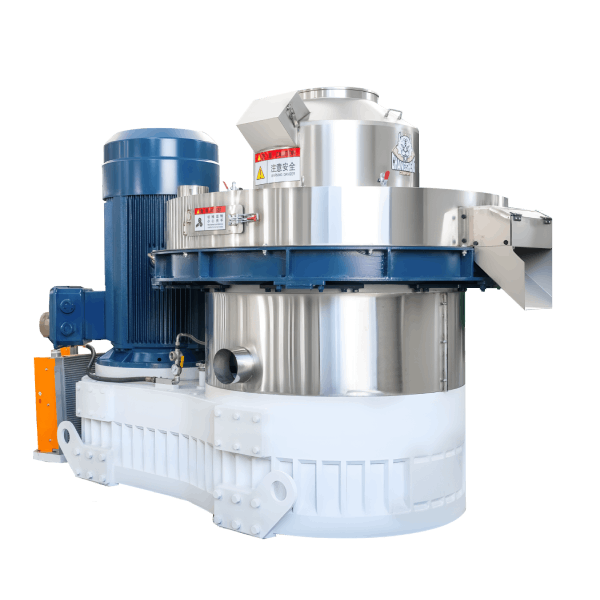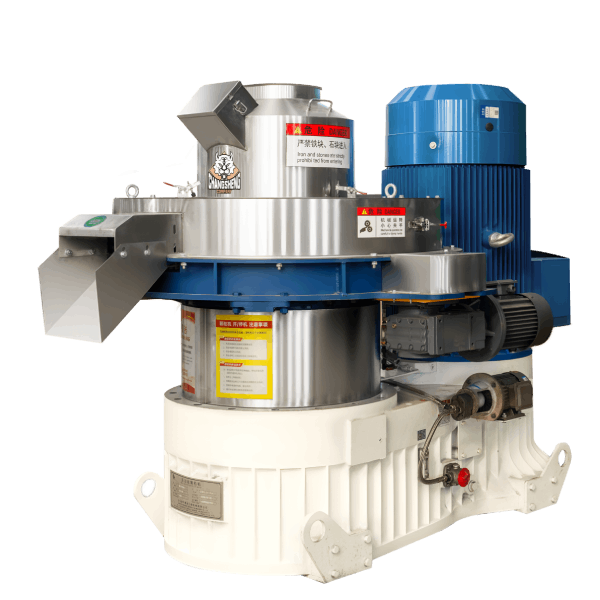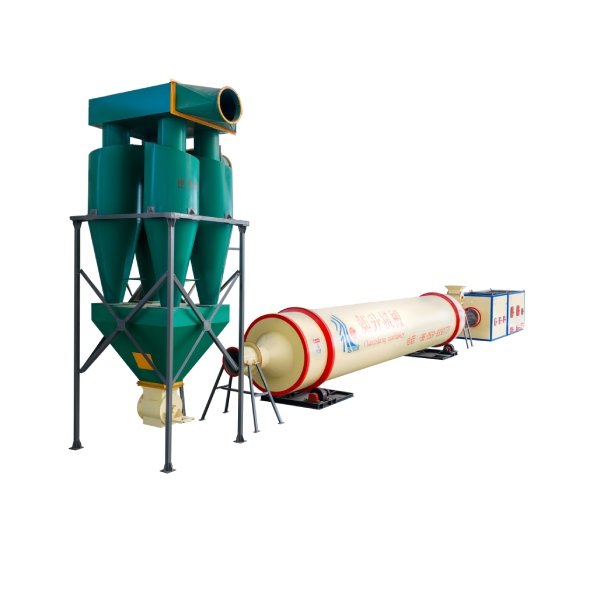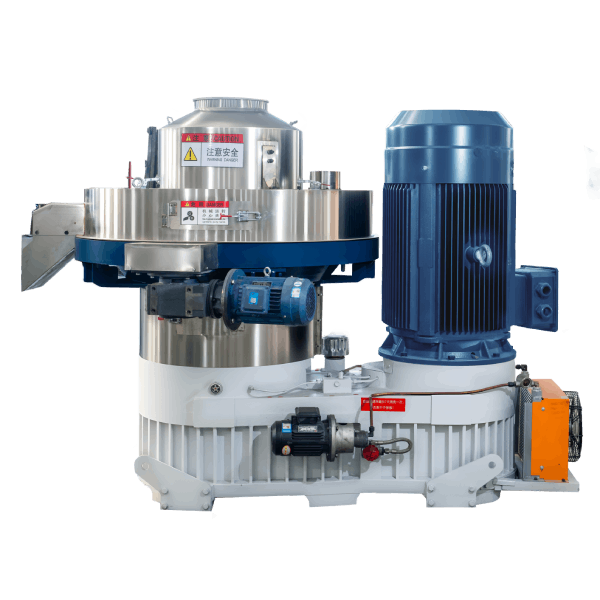
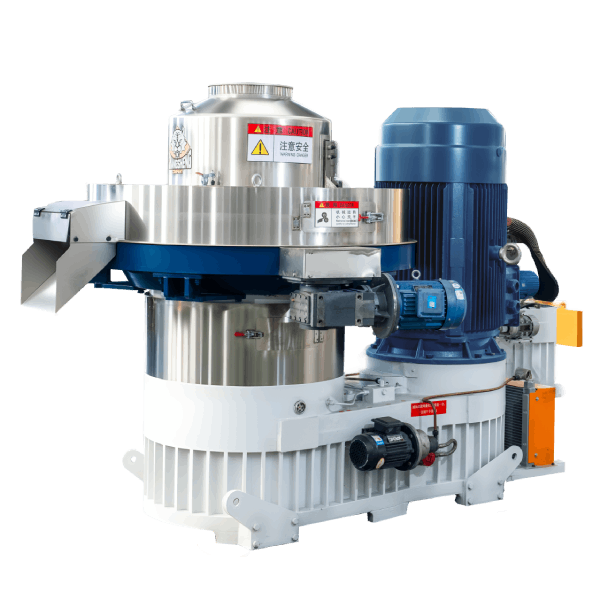
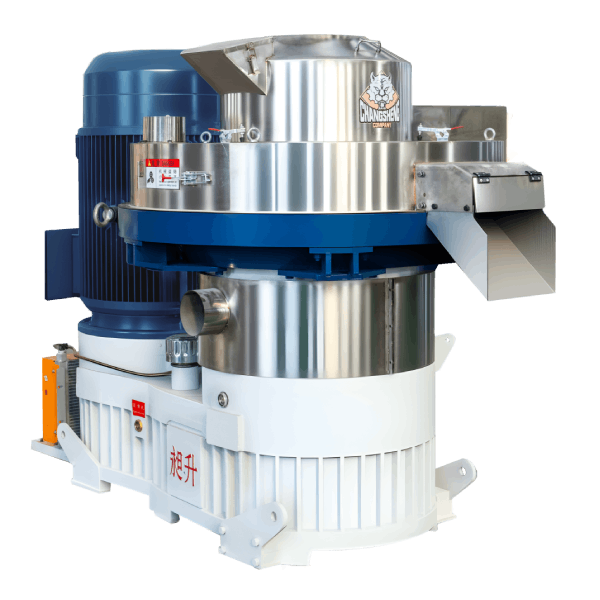
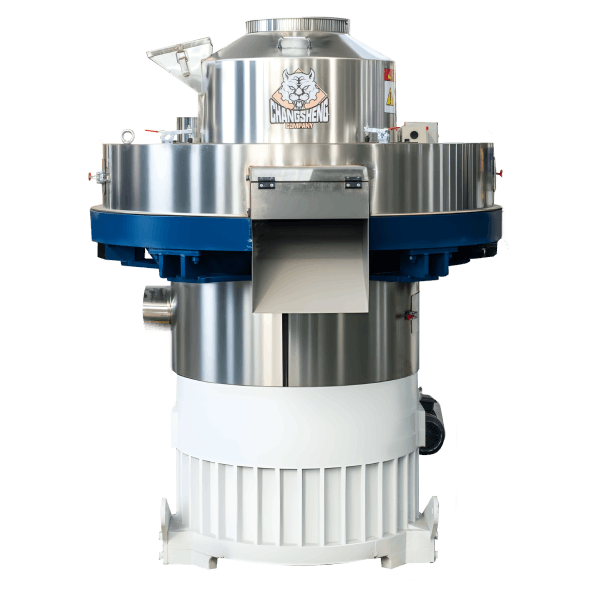
700 Biomass Pellet Machine
Brand: Changsheng
YIELD(T): 2-2.5T
POWER(KW): 160KW
MOLDAPERTURESIZE(MM): 4-12MM
PACKAGE SIZE(MM): 2560*1380*2020
WEIGHT(T): 7.2
Category:Product one
Product Details
Struggling with low output and high operating costs? The Changsheng 700 Biomass Pellet Machine delivers 2-2.5 TPH capacity and superior durability for maximum ROI. Request a free quote and material test today!
For owners and managers of mid-to-large-scale pellet plants, two challenges consistently threaten profitability: inadequate production capacity that caps revenue growth, and unsustainable operating costs driven by constant mechanical wear and energy-intensive operation.
The Changsheng 700 Biomass Pellet Machine is engineered to break through these limitations. By combining a heavy-duty drivetrain and wear system built for 24/7 operation with a high output of 2.5 to 3 tons per hour, this industrial pellet mill transforms your production line from a cost center into a reliable profit engine, directly addressing scalability and cost control.
Technical Superiority: Engineered for Volume and Endurance
Core Specifications at a Glance:
- Production Capacity: 2.0– 2.5 TPH (Tons Per Hour)
- Main Motor Power: 160 kW
- Machine Weight: Approximately 7,200 kg
- Pellet Diameter Range: 4mm – 12mm (adjustable)
- Key Component Life (Die & Roller): 1,200+ operating hours under heavy load
Comparative Advantage Table
| Feature Dimension | Our 700 Biomass Pellet Machine | Industry Average Standard | Value for Your Operation |
|---|---|---|---|
| Component Life (Die & Rollers) | 1,200+ hours (High-Alloy, Hardened) | 700 – 900 hours | Higher throughput per part, reduced downtime, lower cost per ton produced. |
| Design Reliability (Drive & Bearing System) | Forged Gearbox & L10 Rated Bearings | Standard cast gearbox, commercial bearings | Withstands peak load demands, enables true continuous 24/7 operation with minimal failure risk. |
| Power Efficiency | Optimized 160kW Drive for 3TPH | Often 185kW+ for similar output | Reduces energy consumption per ton, directly lowering your most significant operating cost. |
Operating Principle:
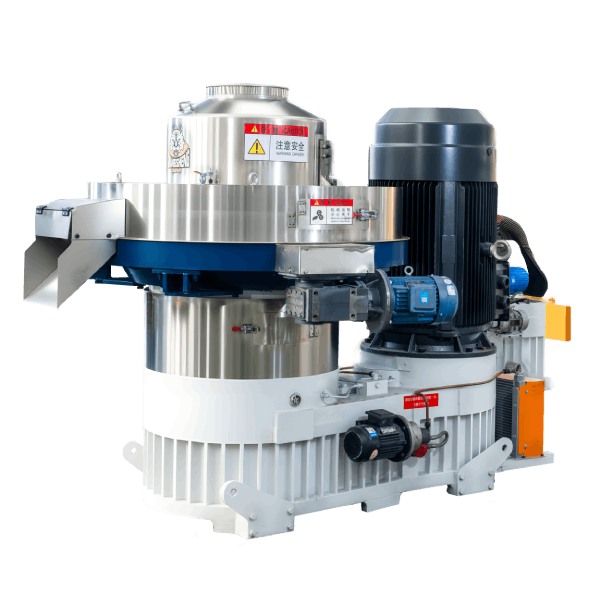
The machine utilizes a robust horizontal ring die system with a forced feeder. This ensures positive, consistent material intake into the compression chamber, overcoming bridging and delivering stable density even with variable or stringy biomass feedstocks.
Built for Demanding Industrial Applications
Designed for High-Volume Processing of:
- Forestry By-products: Sawdust, wood chips, hardwood shavings.
- Agricultural Waste: Corn stover, sunflower husks, nut shells.
- Dedicated Energy Crops: Miscanthus, switchgrass.
Ideal for: Large Biomass Fuel Plants, Industrial Wood Waste Processors, and Major Feed Mill operations requiring robust, high-capacity pelleting.
Trust Built on Global Proof & Commitment
- Certifications: Manufactured to ISO 9001:2015 standards and complies with essential CE Machinery Directive requirements for safety.
- Global Experience: Proven in demanding operations across North America, Europe, and Asia, serving clients who prioritize uptime and total cost of ownership.
- Client Testimonials:
- Case A (Efficiency & Output): “A wood pellet producer in Central Europe needed to fulfill a large contract. The Changsheng 700 unit consistently achieved 2.8 TPH, allowing them to meet delivery schedules reliably.”
- Case B (Cost Savings): “An operator in North America calculated that the extended die life and lower energy draw of the 700 model reduced their operating cost by an estimated $18 per ton compared to their previous machine.”
- Service Commitment: Backed by an 18-month warranty on the gearbox and main shaft, dedicated regional technical support, and a guaranteed stock of critical wear parts for fast shipment.
Interactive Hook: Maximize your investment certainty. Send us your raw material for a FREE full-scale pelletizing test and receive a detailed performance report.
Answers to Critical Operational Questions
- Q: What is the expected power consumption for this machine?
A: The optimized 160kW system is designed for high mechanical efficiency, typically consuming 15-20% less energy per ton of output compared to older or less refined designs with similar capacity, making it a leader in operational cost-efficiency. - Q: How is maintenance managed on such a large machine?
A: It features centralized grease points and easy-access panels for daily checks. Major components like the feeder and gearbox are designed as modular units for easier service. Learn more about our [engineered service access] and [predictive maintenance support programs].
Your Path to Higher Volume Production
- Download Our Guide: Get our technical whitepaper: “Calculating ROI for a High-Capacity Biomass Pellet Plant.”
- Get a Custom Plan: Schedule a consultation to receive a Free Preliminary System Layout tailored to your raw material and annual production goals.
- Move Forward with Confidence: Ready for a precise proposal? Request a Detailed Quotation & Arrange Your Free Material Test Now. Let’s define your project specifications together.
References & Industry Context
The business case for high-capacity, reliable pelletizing is clear. According to analysis from industry watchers like Hawkins Wright, the demand for industrial-grade biomass pellets continues to grow, driven by energy and decarbonization policies. This places a premium on production assets that offer not just high output, but also predictable operating costs and availability—exactly the engineering focus of the Changsheng 700 series.
Frequently Asked Questions
A small home-use pellet mill (50-100kg/h) costs $1,000-$4,000. A commercial ring die machine (500-1000kg/h) ranges from $15,000 to $50,000. The final price depends on capacity, power (electric/diesel), and die type (flat/ring). For an exact quote, always specify your raw material (wood, feed, straw) and target hourly output.
For making wood pellets, a ring die pellet mill is best for commercial production (>300kg/h) due to higher output and durability. For home/small farm use (<300kg/h), a flat die machine is more cost-effective. Key factors: moisture content (<15%), material size (<3mm), and your required capacity.
Three main reasons: ① Incorrect moisture (too dry or wet – ideal is 10-15%). ② Worn die or rollers – replace if gap > 0.5mm. ③ Improper feeding – inconsistent or too fast. Always test with dry sawdust first and ensure material is finely crushed.
Pellet machines can process biomass (wood, straw, bamboo), animal feed (alfalfa, corn, soybean), and some organic waste. Wood is most common. Avoid materials with high sand, oil, or metal content. Each material requires specific die hole size and moisture adjustment.
- Market research – target local farms (feed) or homeowners (heating).
- Start small – begin with a 300-500kg/h machine (investment: ~$20k-$35k).
- Secure raw materials – local sawdust, agricultural waste.
- Focus on quality – produce high-density, low-ash pellets.
- Calculate ROI – average net profit: $30-$80/ton. A 500kg/h line can ROI in 12-18 months.