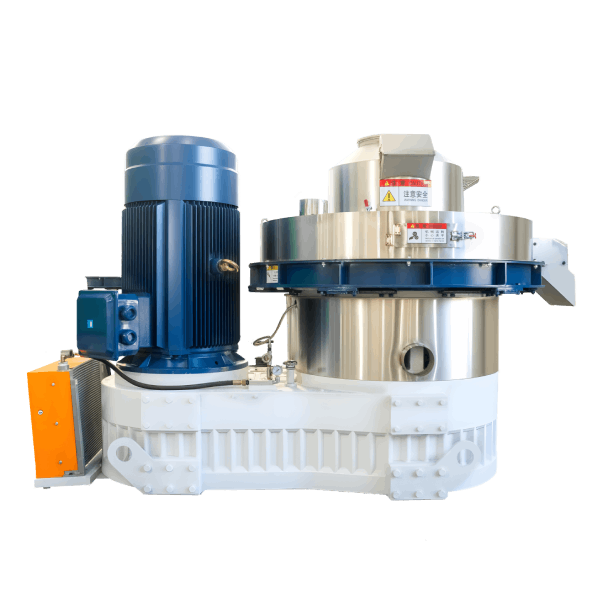
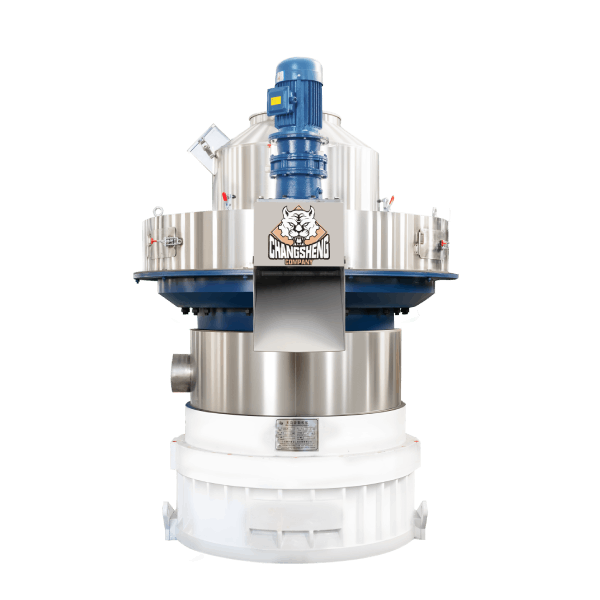
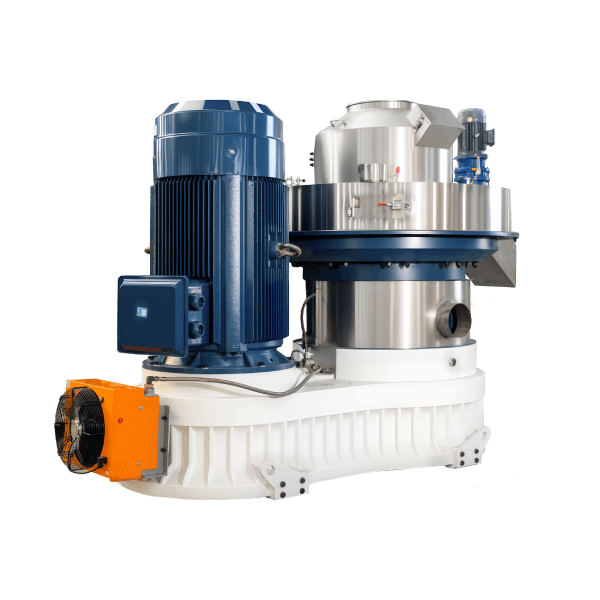
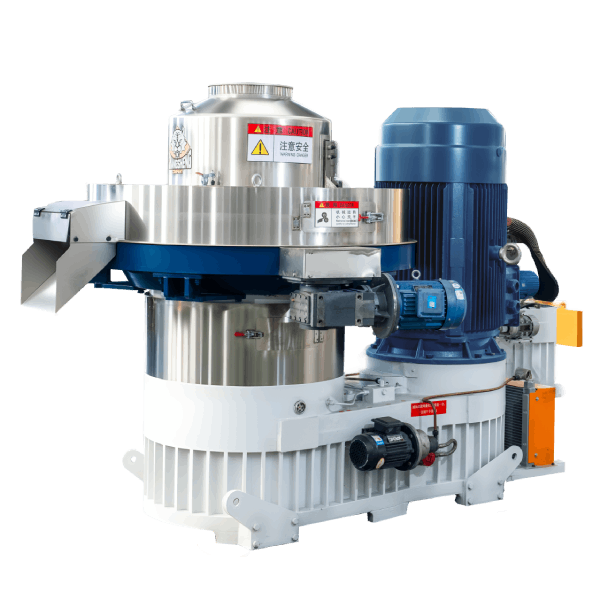
Page SEO Summary: This comprehensive guide helps buyers find the best pellet mill—covering quality evaluation criteria, key components, selection frameworks, and expert advice for making the right purchasing decision.
When searching for the “best pellet mill,” the answer is not a single product—it depends entirely on your specific needs. The best pellet mill for a small farm is very different from the best for an industrial pellet plant. Quality, reliability, performance, and value must be evaluated against your unique requirements.
This guide provides a comprehensive framework for evaluating and selecting the best pellet mill for your application, helping you avoid costly mistakes and make a confident investment decision.
What Does “Best” Mean?
The Best Pellet Mill Is Not a Single Answer
Perspective
Definition of “Best”
Performance
Highest output; best pellet quality
Reliability
Longest service life; minimal downtime
Value
Best performance per dollar
Ease of use
Simple operation; easy maintenance
Versatility
Handles multiple materials
For your needs
Matches your specific requirements
Defining Your “Best”
Question
Why It Matters
“What material will you process?”
Determines machine specifications
“What is your target capacity?”
Sizes the machine
“What is your budget?”
Defines options
“What is your skill level?”
Affects automation needs
“How often will you use it?”
Defines durability needs
Quality Evaluation Criteria
What Makes a Quality Pellet Mill?
Criterion
What to Look For
Why It Matters
Component quality
Premium brands for motors, bearings
Reliability and longevity
Material quality
High-grade steel; stainless steel options
Durability; corrosion resistance
Build precision
Tight tolerances; good finish
Performance; wear life
Die quality
Premium alloy; precise holes
Pellet quality; die life
Gearbox quality
Heavy-duty; precision gears
Reliability; power transmission
Control system
User-friendly; reliable
Ease of operation
Key Components to Evaluate
Component
What to Check
Best Indicator
Motor
Brand; efficiency class
Premium brands (ABB, Siemens, WEG)
Bearings
Brand; specifications
SKF, FAG, NSK
Gearbox
Construction; gear type
Hardened; precision ground
Die
Material; hole precision
Premium steel alloy
Control panel
Components; design
PLC with touchscreen
Quality Indicators
Positive Indicators
Indicator
Why It’s Positive
Premium component brands
Quality components = reliability
ISO 9001 certification
Quality management
CE marking
Meets European standards
Professional documentation
Engineering quality
Clear warranty terms
Supplier confidence
Long history in business
Stability; experience
Factory verification possible
Transparency
Red Flags
Red Flag
Why It’s Concerning
Generic components
Likely lower quality
Vague specifications
May hide quality issues
No factory address
May be trading company
Too low price
Quality likely compromised
No references
May be unproven
Unclear warranty
Support may be lacking
Key Components That Determine Quality
1. Motor
Factor
Best Option
Why
Brand
ABB, Siemens, WEG
Reliability; efficiency
Efficiency
IE3 or IE4
Lower operating cost
Protection
IP55
Dust and moisture resistance
Warranty
2+ years
Quality assurance
2. Gearbox
Factor
Best Option
Why
Type
Helical or planetary
Efficiency; reliability
Gear material
Hardened steel
Longer life
Bearing quality
Premium brands
Reliability
Cooling
Oil cooling
Extended life
3. Die
Factor
Best Option
Why
Material
Premium alloy
Wear resistance
Hole precision
High precision
Pellet quality
Compression ratio
Optimized for material
Performance
Surface treatment
Proper treatment
Extended life
4. Control System
Factor
Best Option
Why
PLC type
Siemens, Allen-Bradley
Reliability; support
HMI
Color touchscreen
Ease of use
Features
Auto start/stop; monitoring
Automation
Diagnostics
Troubleshooting support
Maintenance
Best by Application
Small Farm / Hobby
Factor
Best Option
Reason
Type
Flat die
Affordable; simple
Capacity
30-100 kg/h
Sufficient for small needs
Power
Single-phase
Most homes have this
Price
$500-2,000
Budget-friendly
Small Commercial (Farms, Small Mills)
Factor
Best Option
Reason
Type
Flat die or ring die
Capacity and quality
Capacity
100-300 kg/h
Moderate production
Power
3-phase preferred
Better performance
Price
$2,000-10,000
Investment for returns
Commercial / Industrial
Factor
Best Option
Reason
Type
Ring die
Highest output; quality
Capacity
300-2,000+ kg/h
Production scale
Power
3-phase
Required
Price
$10,000-80,000+
Significant investment
Premium / High-End
Factor
Best Option
Reason
Type
Ring die with automation
Efficiency; quality
Components
All premium brands
Reliability
Control
Full PLC automation
Precision
Price
Premium pricing
Long-term value
Price vs. Quality Balance
Understanding the Trade-offs
Price Level
Typical Quality
Value Proposition
Lowest price
Variable; often lower
Risk of quality issues
Mid-range
Good quality
Best value for most
Premium
Excellent quality
Best for critical operations
When to Invest More
Situation
Consider Premium
24/7 operation
Yes
High downtime cost
Yes
Long-term investment
Yes
Critical production
Yes
Limited maintenance
Yes
When Mid-Range Is Best
Situation
Consider Mid-Range
Intermittent operation
Yes
Budget constraints
Yes
Simple materials
Yes
First-time buyer
Yes
Choosing the Best Supplier
Supplier Evaluation Criteria
Criterion
What to Check
Experience
Years in business; export experience
Product quality
Component brands; finish quality
Service
After-sales support; spare parts
References
Previous customers
Certifications
ISO; CE
Communication
Responsiveness; clarity
Red Flags in Suppliers
Red Flag
What It May Mean
No verifiable factory
May be trading company
Vague answers to technical questions
Limited engineering capability
Pressure to buy
Product may be poor
No warranty details
Support may be lacking
Common Mistakes to Avoid
Mistake
Why It’s a Mistake
Better Approach
Choosing the cheapest option
Quality issues; high operating costs
Balance price and quality
Ignoring component brands
Hidden quality differences
Check component specifications
Not considering operating costs
Higher long-term cost
Include total cost of ownership
Buying from unverified supplier
Risk of fraud or poor quality
Verify supplier thoroughly
Overlooking spare parts
Future downtime
Order spares upfront
Ignoring after-sales support
Limited help when needed
Confirm support before buying
Procurement Checklist: Best Pellet Mill
Requirements Definition
□ Material type and characteristics identified
□ Target capacity (kg/h) confirmed
□ Pellet size (mm) determined
□ Operating hours per day estimated
□ Budget established
Quality Evaluation
□ Component brands reviewed (motor, bearings)
□ Build quality assessed
□ Die material and quality checked
□ Control system features reviewed
□ Quality certifications verified
Supplier Evaluation
□ Multiple suppliers compared (3-5)
□ Factory verification (video or visit)
□ References checked
□ Warranty terms reviewed
□ Spare parts availability confirmed
Total Cost Evaluation
□ Equipment price compared
□ Shipping cost calculated
□ Installation cost estimated
□ Operating cost projected
□ Total cost of ownership calculated
Final Decision
□ “Best” for your needs confirmed
□ Decision documented
□ Contract signed
□ Payment schedule confirmed
Frequently Asked Questions
1. What is the best pellet mill brand?
There is no single “best” brand—different brands serve different markets. The best pellet mill for you depends on your capacity needs, material type, budget, and application. Focus on quality components rather than brand names.
2. How do I know if a pellet mill is good quality?
Check: component brands (motors, bearings), build quality, die material, control system, warranty terms, and supplier reputation. Premium components (SKF bearings, Siemens motors) indicate quality.
3. Is a cheaper pellet mill worth it?
Not if quality is compromised. Cheap machines often use lower-quality components that wear out faster, leading to higher operating costs and downtime. Balance price with quality.
4. What is the best pellet mill for a small farm?
For small farms (50-100 animals), a flat die pellet mill with 50-100 kg/h capacity is usually the best choice. Look for reliable components and good customer support.
5. What is the best pellet mill for commercial production?
For commercial production, a ring die pellet mill with appropriate capacity is recommended. Premium components, automation, and reliable support are key considerations.
6. How much should I spend on a pellet mill?
Spending depends on your needs. Small flat die machines cost $500-2,000. Ring die machines cost $5,000-80,000+. For commercial use, invest in quality for long-term reliability.
7. Does the “best” pellet mill have the highest capacity?
Not necessarily. The best pellet mill is the one that matches your specific needs—the right capacity for your production, the right configuration for your material, and the right quality for your budget.
8. How can I find the best pellet mill for my needs?
Define your requirements (capacity, material, budget), compare multiple suppliers, check quality indicators, verify suppliers, and consider total cost of ownership. This guide provides a framework for your evaluation.
Zhang Wei has over 12 years of experience in the biomass and feed pellet mill industry, with a background in mechanical engineering and international project execution. He has helped hundreds of clients across Southeast Asia, the Middle East, Africa, Europe, and Latin America find the right pellet mill for their specific needs.
With hands-on experience in both the manufacturing workshop and client-side operations, Zhang brings practical insights into successful equipment procurement—from the factory floor to the customer’s production site.