Pig Feed Pellet Machine Small Scale: Complete Selection Guide
News 2026-07-30
Page SEO Summary: This technical guide helps small farmers and entrepreneurs evaluate small scale pig feed pellet machines—covering equipment types, capacity selection, investment considerations, and profitability analysis.
The global pork industry is dominated by large commercial operations, but small-scale pig farming remains vital in many regions. For small farmers, feed costs represent the largest operating expense. Producing feed on-farm can significantly reduce costs and improve profitability—even on a small scale.
A small scale pig feed pellet machine makes feed production accessible to farmers with 50-500 pigs. These machines are designed to be affordable, simple to operate, and capable of producing high-quality pellets from locally available ingredients.
This guide provides a comprehensive framework for understanding, selecting, and procuring small scale pig feed pellet machines.
Why Small Scale Pig Feed Production?
Benefits of On-Farm Feed Production
| Benefit | Impact |
|---|---|
| Lower feed cost | 10-20% savings vs. purchased feed |
| Ingredient control | Know what goes into feed |
| Flexible formulation | Adjust for different pig stages |
| Fresh feed | Better quality; no long storage |
| Reduced waste | Pellets reduce feed waste |
| Business diversification | Additional income stream |
Ideal Scale for Small Production
| Pig Operation | Feed Need (kg/h) | Machine Size |
|---|---|---|
| 50-100 pigs | 20-40 | 50-100 kg/h |
| 100-200 pigs | 40-80 | 80-150 kg/h |
| 200-500 pigs | 80-200 | 150-300 kg/h |
| 500-1,000 pigs | 200-400 | 300-500 kg/h |
What Is a Small Scale Pig Feed Pellet Machine?
Definition
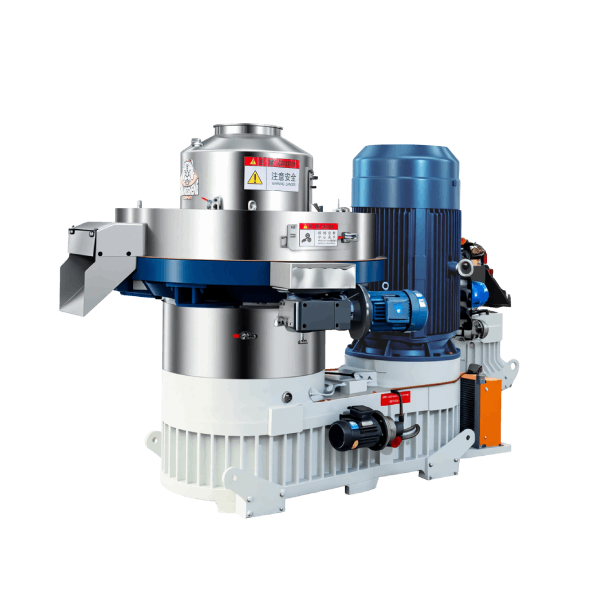
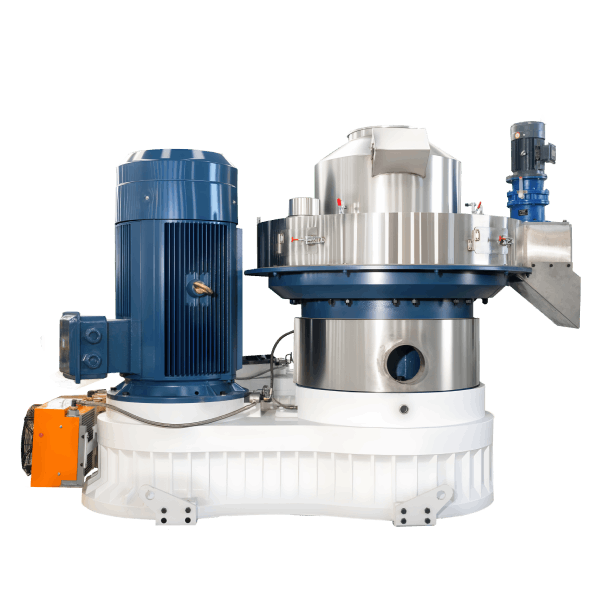
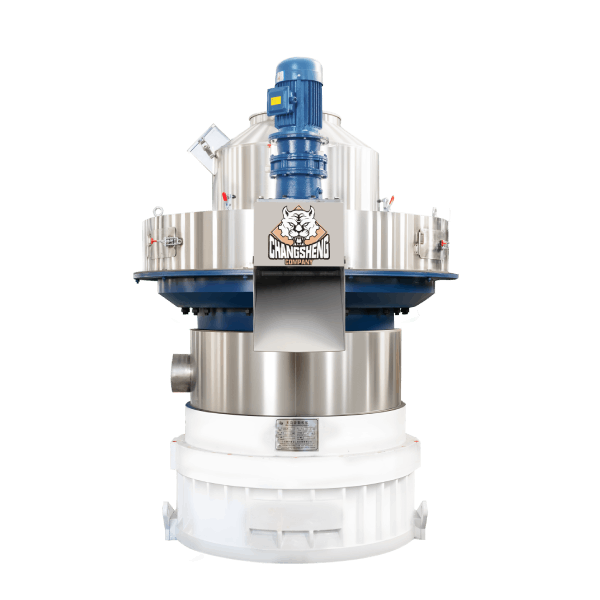
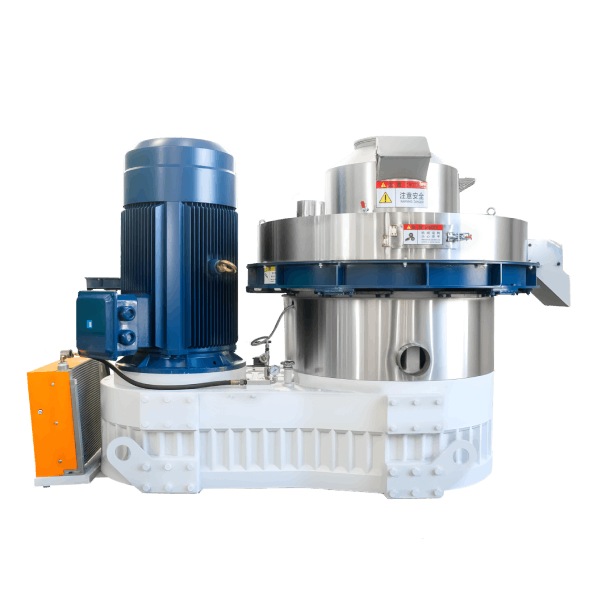
A small scale pig feed pellet machine is a compact, affordable machine designed to produce feed pellets for small to medium pig operations. It typically uses a flat die or small ring die and is designed for simple operation and low maintenance.
Types of Small Scale Machines
| Type | Capacity | Power | Advantages | Best For |
|---|---|---|---|---|
| Flat die (manual) | 20-50 kg/h | 3-5 kW | Lowest cost | Very small farms; hobby |
| Flat die (electric) | 50-150 kg/h | 5-11 kW | Affordable; simple | Small farms; 50-200 pigs |
| Ring die (small) | 150-500 kg/h | 15-30 kW | Better quality; higher output | Medium farms; 200-500 pigs |
Capacity Selection
Matching Capacity to Pig Numbers
| Number of Pigs | Daily Feed (kg) | Hourly Need (8h) | Recommended Capacity |
|---|---|---|---|
| 50 pigs | 100-150 | 12-19 | 50 kg/h |
| 100 pigs | 200-300 | 25-38 | 50-80 kg/h |
| 200 pigs | 400-600 | 50-75 | 80-150 kg/h |
| 500 pigs | 1,000-1,500 | 125-188 | 150-300 kg/h |
Feed Consumption by Pig Stage
| Pig Stage | Daily Feed (kg/pig) | Feed Need (100 pigs) |
|---|---|---|
| Weaner (8-20 kg) | 0.5-1.0 | 50-100 kg/day |
| Grower (20-50 kg) | 1.0-1.8 | 100-180 kg/day |
| Finisher (50-90 kg) | 1.8-2.5 | 180-250 kg/day |
| Sow (lactating) | 4.0-6.0 | 400-600 kg/day |
Equipment Types
Flat Die Pellet Mill (Small)
| Aspect | Details |
|---|---|
| Capacity | 20-150 kg/h |
| Power | 3-11 kW (single or 3-phase) |
| Pellet size | 2-8 mm |
| Advantages | Low cost; simple; portable |
| Limitations | Lower output; higher wear |
| Best for | 50-200 pigs |
Ring Die Pellet Mill (Small)
| Aspect | Details |
|---|---|
| Capacity | 150-500 kg/h |
| Power | 15-30 kW (3-phase) |
| Pellet size | 2-8 mm |
| Advantages | Better quality; higher output |
| Limitations | Higher cost; needs 3-phase |
| Best for | 200-500 pigs |
Complete Small Line
| Component | Purpose |
|---|---|
| Hammer mill | Grind ingredients |
| Mixer | Blend formulation |
| Pellet mill | Form pellets |
| Cooler | Cool and dry |
Key Specifications
Pellet Mill Specifications
| Specification | Flat Die (Small) | Ring Die (Small) |
|---|---|---|
| Capacity (kg/h) | 20-150 | 150-500 |
| Motor power | 3-11 kW | 15-30 kW |
| Power supply | 220V/380V | 380V only |
| Pellet diameter | 2-8 mm | 2-8 mm |
| Die diameter | 150-250 mm | 250-350 mm |
| Weight | 50-200 kg | 200-500 kg |
| Price | $300-2,000 | $2,000-8,000 |
Suitable Pellet Sizes for Pigs
| Pig Stage | Pellet Diameter | Notes |
|---|---|---|
| Weaner | 2.0-2.5 mm | Small pellets |
| Grower | 2.5-3.5 mm | Medium pellets |
| Finisher | 3.5-4.5 mm | Larger pellets |
| Sow | 4.0-5.0 mm | Large pellets |
Investment Analysis
Equipment Cost
| Type | Capacity | Estimated Cost (USD) |
|---|---|---|
| Flat die (manual) | 20-50 kg/h | $300-800 |
| Flat die (electric) | 50-150 kg/h | $800-2,000 |
| Ring die (small) | 150-300 kg/h | $2,000-5,000 |
| Ring die (medium) | 300-500 kg/h | $5,000-8,000 |
| Complete small line | 100-300 kg/h | $5,000-15,000 |
Complete System Cost
| Components | Est. Cost (USD) |
|---|---|
| Pellet mill only | $800-8,000 |
| + Hammer mill | +$500-2,000 |
| + Mixer | +$500-3,000 |
| + Cooler | +$500-2,000 |
| Total complete line | $2,300-15,000 |
Operating Cost Estimate
| Cost Item | Annual (100 pigs) |
|---|---|
| Electricity | $200-500 |
| Maintenance | $100-300 |
| Labor | Variable |
| Raw materials | $5,000-15,000 |
Profitability Example
Operation: 100 Pigs
| Item | Amount |
|---|---|
| Annual feed need | ~30 tons |
| Purchased feed cost | $400/ton = $12,000 |
| On-farm production cost | $300/ton = $9,000 |
| Annual savings | $3,000 |
| Equipment investment | $2,000-5,000 |
| Payback period | 8-20 months |
Operation and Maintenance
Daily Operation
| Step | Task | Notes |
|---|---|---|
| 1 | Grind ingredients | Fine grind (1-2 mm) |
| 2 | Mix formulation | Mix thoroughly |
| 3 | Condition (if available) | Add moisture; steam |
| 4 | Pelletize | Run through mill |
| 5 | Cool pellets | Air cool |
| 6 | Store | Dry; bagged |
Routine Maintenance
| Task | Frequency | Importance |
|---|---|---|
| Clean die | Daily | Prevent blocking |
| Lubricate bearings | Weekly | Prevent wear |
| Inspect rollers | Weekly | Check wear |
| Replace die | Annually (or as needed) | Maintain quality |
| Check belts | Monthly | Maintain power |
Feed Formulation for Pigs
Simple Starter Formula
| Ingredient | % | Purpose |
|---|---|---|
| Corn | 60 | Energy |
| Soybean meal | 25 | Protein |
| Wheat bran | 10 | Fiber |
| Premix | 5 | Vitamins/minerals |
Simple Grower/Finisher Formula
| Ingredient | % | Purpose |
|---|---|---|
| Corn | 65 | Energy |
| Soybean meal | 20 | Protein |
| Wheat bran | 10 | Fiber |
| Premix | 5 | Vitamins/minerals |
Procurement Checklist: Small Scale Pig Feed Mill
Farm Assessment
- □ Number of pigs confirmed
- □ Feed consumption calculated
- □ Power supply assessed (single/3-phase)
- □ Space for equipment available
Equipment Selection
- □ Type selected (flat die or ring die)
- □ Capacity matched to pig numbers
- □ Pellet size range suitable for pigs
- □ Motor power within available supply
Complete System
- □ Hammer mill (if not already available)
- □ Mixer (if not already available)
- □ Pellet mill
- □ Cooler (recommended)
Budget
- □ Equipment cost budgeted
- □ Operating cost estimated
- □ Payback period calculated
- □ Raw material cost confirmed
Supplier Evaluation
- □ Supplier experience with small farm equipment
- □ Spare parts availability
- □ Warranty and support terms
- □ Shipping cost included
Frequently Asked Questions
1. What is a small scale pig feed pellet machine?
A small scale pig feed pellet machine is a compact, affordable machine designed to produce feed pellets for small to medium pig operations. It typically uses a flat die or small ring die and is designed for simple operation and low maintenance.
2. What capacity do I need for my pigs?
A 100-pig operation needs approximately 50-100 kg/h of feed production. Use the formula: (pigs × daily feed per pig) ÷ (operating hours).
3. What is the difference between flat die and ring die?
Flat die is simpler, lower cost, and suitable for 20-150 kg/h. Ring die is more efficient, higher output, and suitable for 150-500+ kg/h. Ring die produces better quality pellets.
4. How much does a small pig feed pellet mill cost?
Flat die machines cost $300-2,000. Ring die machines cost $2,000-8,000. Complete lines cost $2,300-15,000.
5. Is it profitable to make pig feed on a small scale?
Yes. On-farm feed production can save 10-20% compared to purchased feed. For a 100-pig operation, savings of $2,000-4,000 per year are typical, with payback in 1-2 years.
6. What pellet size is best for pigs?
Weaners: 2.0-2.5 mm; growers: 2.5-3.5 mm; finishers: 3.5-4.5 mm; sows: 4.0-5.0 mm. Different sizes for different stages.
7. Do I need 3-phase power?
Flat die machines can run on single-phase (220V) for small capacities. Ring die machines require 3-phase power (380V) for larger capacities. Check your power supply before selecting equipment.
8. What are the main feed ingredients?
Corn (energy), soybean meal (protein), wheat bran (fiber), and mineral/vitamin premix. Local ingredients can substitute based on availability and cost.
About the Author
Zhang Wei – Senior International Sales Engineer, Shandong Changsheng Machinery Co., Ltd.
Zhang Wei has over 12 years of experience in the biomass and feed pellet mill industry, with a background in mechanical engineering and international project execution. He has worked with small farmers and feed producers across Southeast Asia, the Middle East, Africa, and Latin America, providing practical solutions for small-scale feed production.
With hands-on experience in both the manufacturing workshop and client-side operations, Zhang brings practical insights into successful equipment procurement—from the factory floor to the small farm.