Biomass Pellet Equipment for Investors: Complete Investment Guide

News 2026-09-08

Page SEO Summary: This investment guide helps investors evaluate biomass pellet equipment—covering market analysis, ROI projections, risk assessment, and equipment requirements for informed decisions.

Biomass pellets are one of the fastest-growing renewable energy sectors. With global demand rising 10-15% annually, driven by decarbonization policies, coal phase-out, and energy security concerns, pellet production offers significant investment opportunities.

For investors, the question is not whether the biomass pellet market is growing—it is whether a specific investment in pellet equipment can deliver the returns you expect. This guide provides the framework for evaluating that opportunity.


1. Market Overview

Global Market Size

MetricValue
Market size (2024)~$10-12 billion
Growth rate10-15% annually
Projected 2030~$20-25 billion
Key regionsEurope, North America, Asia

Demand Drivers

DriverImpact
Coal phase-outReplacement fuel needed
Carbon pricingEconomic advantage
Energy securityLocal fuel source
Waste utilizationCircular economy
Government policiesRenewable targets

Key Markets

RegionDemand CharacteristicsGrowth Rate
EuropeMature, stable5-8%
North AmericaGrowing, residential8-12%
AsiaRapid growth, industrial12-18%
OtherEmerging10-15%

A biomass pellet equipment investment from a manufacturer like Shandong Changsheng Machinery Co., Ltd. can be structured to serve local, regional, or export markets depending on the investor’s strategy.


2. Investment Scale Options

Plant Sizes

ScaleCapacity (t/h)Annual OutputInvestment Range
Small0.5-11,000-3,000 tons$200,000-400,000
Medium1-33,000-9,000 tons$400,000-800,000
Large3-59,000-15,000 tons$800,000-1,500,000
Industrial5-10+15,000-30,000+ tons$1,500,000-4,000,000

Investment by Scale

ScaleEquipment CostInstallationWorking CapitalTotal Investment
Small$100,000-200,000$50,000$50,000$200,000-400,000
Medium$200,000-500,000$100,000$100,000$400,000-800,000
Large$500,000-1,000,000$200,000$200,000$800,000-1,500,000
Industrial$1,000,000-3,000,000$300,000$300,000$1,500,000-4,000,000

3. Revenue and Profitability

Revenue Projections

ScaleAnnual OutputRevenue (Est.)
Small2,000 tons$300,000-500,000
Medium6,000 tons$900,000-1,500,000
Large12,000 tons$1,800,000-3,000,000
Industrial24,000 tons$3,600,000-6,000,000

Cost Structure

Cost Category% of RevenueTypical Range
Raw materials40-55%$50-100/ton
Energy10-15%$15-25/ton
Labor8-12%$10-20/ton
Maintenance5-8%$5-12/ton
Depreciation5-8%
Other5-10%

Profit Margin Analysis

ScaleRevenueOperating CostEBITDAEBITDA Margin
Small$400,000$250,000$150,00037%
Medium$1,200,000$750,000$450,00038%
Large$2,500,000$1,500,000$1,000,00040%
Industrial$5,000,000$3,000,000$2,000,00040%

4. Return on Investment

ROI Projections

ScaleInvestmentAnnual EBITDAPayback5-Year ROI
Small$300,000$150,0002 years150%
Medium$600,000$450,0001.3 years275%
Large$1,200,000$1,000,0001.2 years315%
Industrial$2,500,000$2,000,0001.25 years300%

Key Assumptions

AssumptionValue
Pellet price$150-250/ton
Utilization80%
Price growth3-5% annually
Raw material cost$50-100/ton
Operating life15-20 years

Sensitivity Analysis

Factor-10%Base+10%
Pellet price5%10%15%
Raw material cost12%10%8%
Utilization8%10%12%

pellet mill

5. Risk Assessment

Key Investment Risks

RiskLikelihoodImpactMitigation
Raw material supplyMediumHighLong-term contracts
Price volatilityMediumMediumForward contracts
Regulatory changesLow-MediumMediumDiversification
Equipment failureLow-MediumHighQuality equipment
Market competitionMediumMediumQuality, relationships

Risk Mitigation Strategies

RiskMitigation
Raw materialMultiple suppliers, contracts
PriceLong-term sales contracts
RegulationIndustry association
EquipmentPremium components, maintenance
CompetitionQuality product, relationships

6. Equipment Overview

Complete Production Line

StageEquipmentFunction
Raw materialReceiving, conveyorsIntake
PreparationDryer, hammer millPrep
PelletizingConditioner, pellet millCore
Post-processingCooler, screenerFinishing
StorageSilos, packagingProduct handling

Key Equipment Specifications

EquipmentSpecificationImportance
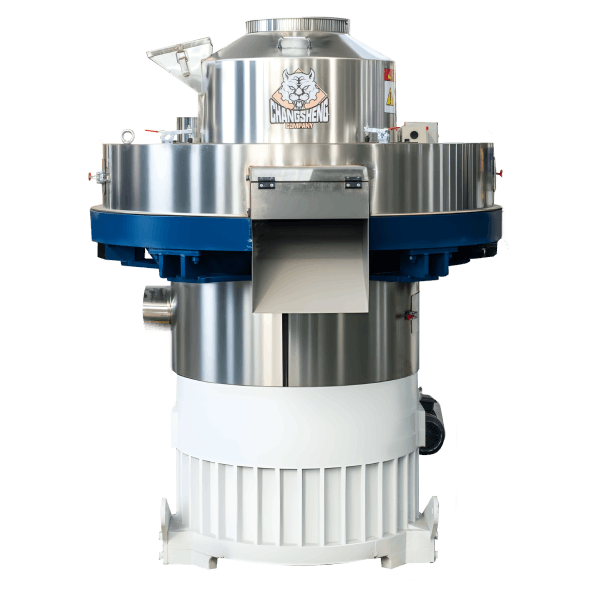
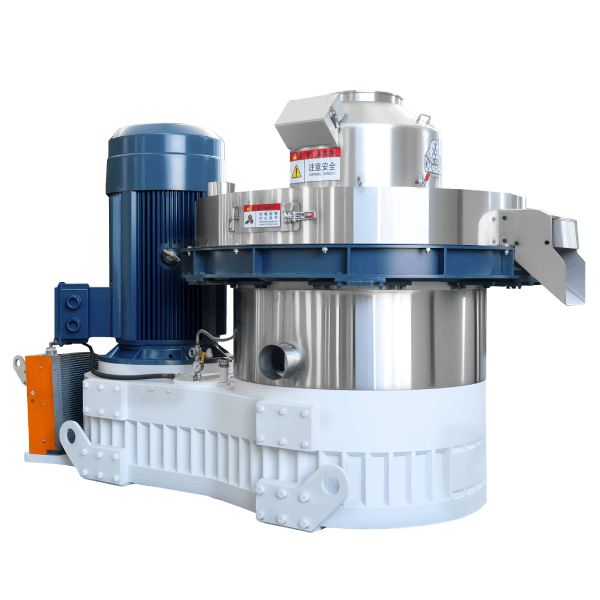
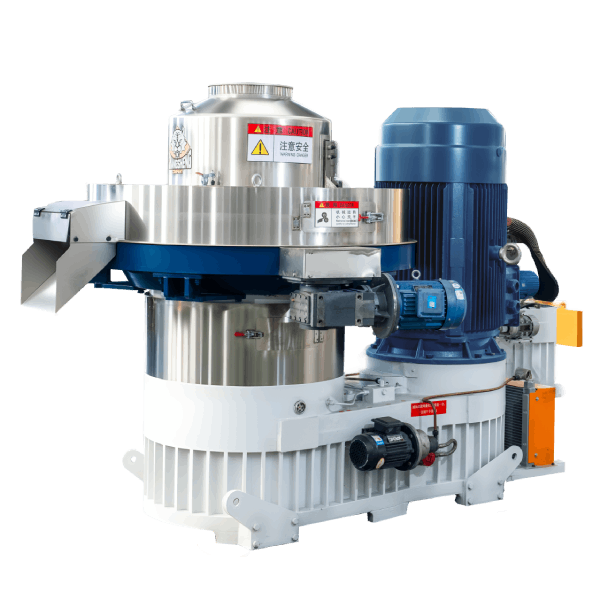
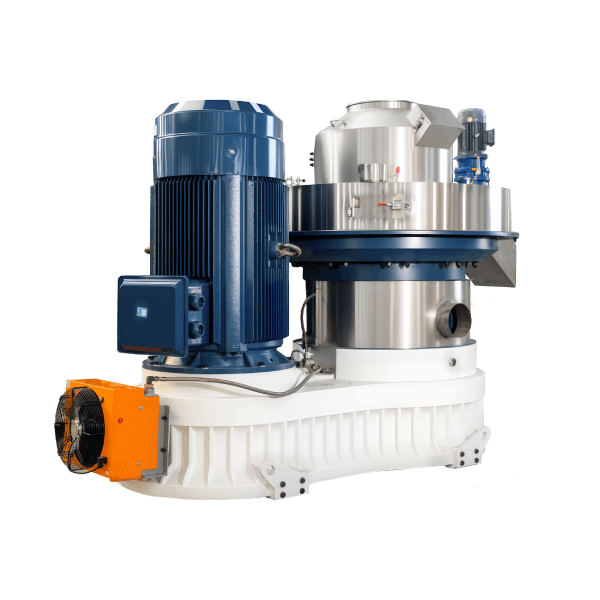
Pellet mill90-160kW, ring dieCore equipment
DryerMatched capacityCost driver
Hammer millMatched capacityQuality driver
CoolerMatched capacityQuality driver
Control systemPLC automationEfficiency

7. Exit Strategies

Exit Options

OptionDescriptionTiming
Sale to strategic buyerLarger pellet producer5-10 years
Sale to financial buyerPE, infrastructure fund5-7 years
IPOPublic offering7-10 years
Secondary salePartial exit3-5 years

Value Drivers

DriverImpact on Valuation
ScaleLarger = higher multiple
QualityPremium product
Customer baseDiversified, contracted
Raw material accessSecure, low-cost

8. Investment Checklist

Pre-Investment

  • □ Market research completed
  • □ Raw material supply confirmed
  • □ Site identified
  • □ Business plan developed

Financial Analysis

  • □ Investment budget confirmed
  • □ ROI projections completed
  • □ Sensitivity analysis performed
  • □ Financing identified

Risk Assessment

  • □ Key risks identified
  • □ Mitigation strategies developed
  • □ Regulatory requirements understood

Technical Assessment

  • □ Equipment specifications reviewed
  • □ Supplier evaluated
  • □ Installation planned

Frequently Asked Questions

1. What is the investment opportunity in biomass pellet equipment?

The biomass pellet market is growing 10-15% annually, driven by renewable energy policies. Pellet production offers EBITDA margins of 35-40% with payback periods of 1.2-2 years.

2. How much does a pellet plant cost?

Small plants: $200,000-400,000. Medium: $400,000-800,000. Large: $800,000-1,500,000. Industrial: $1,500,000-4,000,000.

3. What is the return on investment?

EBITDA margins of 35-40% with payback of 1.2-2 years. 5-year ROI of 150-315% depending on scale.

4. What are the main risks?

Raw material supply, price volatility, regulatory changes, equipment failure, and competition are the main risks.

5. What equipment is needed?

Complete line includes receiving, dryer, hammer mill, conditioner, pellet mill, cooler, screener, and storage.

6. How do I exit this investment?

Strategic sale, financial sale, IPO, or secondary sale are the main exit options.

7. What is the market outlook?

Strong growth driven by decarbonization policies. Projected market size of $20-25 billion by 2030.

8. What is the key success factor?

Secure, low-cost raw material supply is the most critical success factor.


About the Author

Zhang Wei – Senior International Sales Engineer, Shandong Changsheng Machinery Co., Ltd.

Zhang Wei has over 12 years of experience in the biomass and feed pellet mill industry, with a background in mechanical engineering and international project execution. He has worked with investors and financial institutions across Southeast Asia, the Middle East, Africa, Europe, and Latin America on pellet equipment investments.

With hands-on experience in both the manufacturing workshop and client-side operations, Zhang brings practical insights into successful equipment investment—from the factory floor to the investor’s portfolio.