Sawdust Pellet Machine Price in India: Cost, Capacity & Project Guide
News 2026-03-17
Sawdust pellet machine price in India does not have a single fixed number. It depends on capacity, machine type, motor power, die specification, whether a dryer and hammer mill are needed, cooling and screening scope, packing, automation level, shipping to India, installation, and spare parts included. A machine-only price and a complete sawdust pellet production line price are in clearly different categories.
This guide is written for Indian buyers, procurement managers, importers, EPC contractors, and project developers. It covers why prices vary, what determines price, sawdust preparation, wet sawdust handling, production line configuration, capacity, technical specifications, India-specific procurement points, applications, common problems, complete plant cost, project experience, and FAQ.
Sawdust Pellet Machine Price in India
Small-Capacity Machine
Small sawdust pellet machines usually range from about 30 to 300 kg/h. This range depends on sawdust type, moisture, particle size, and die specification. They suit small sawmills, furniture workshops, and pilot projects. A flat die machine is often used. The price for this category is in the lowest range because of smaller motor power, simpler structure, and lower auxiliary equipment scope. Exact price depends on configuration and whether a dryer or hammer mill is included.
Medium-Capacity Machine
Medium sawdust pellet machines usually range from about 300 kg/h to 1.5 t/h. This range depends on sawdust type, moisture, particle size, and die specification. They suit small commercial production, cooperatives, and furniture factories with regular sawdust supply. A small or medium ring die machine is often used. Price is higher than small capacity because of larger motor, larger die, and more auxiliary equipment.
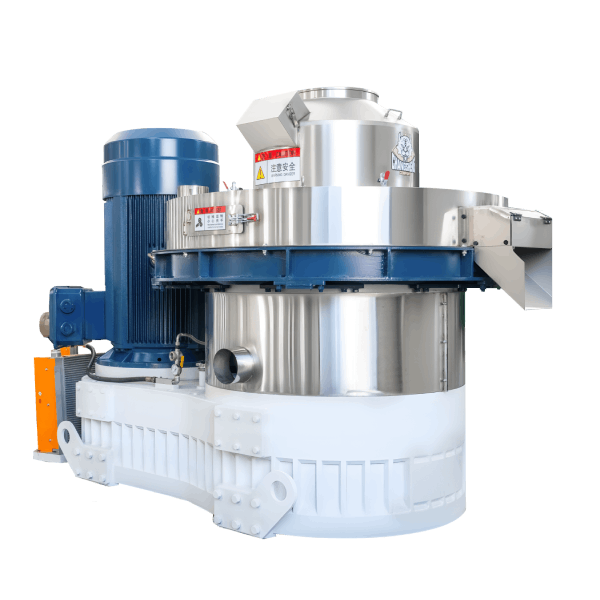
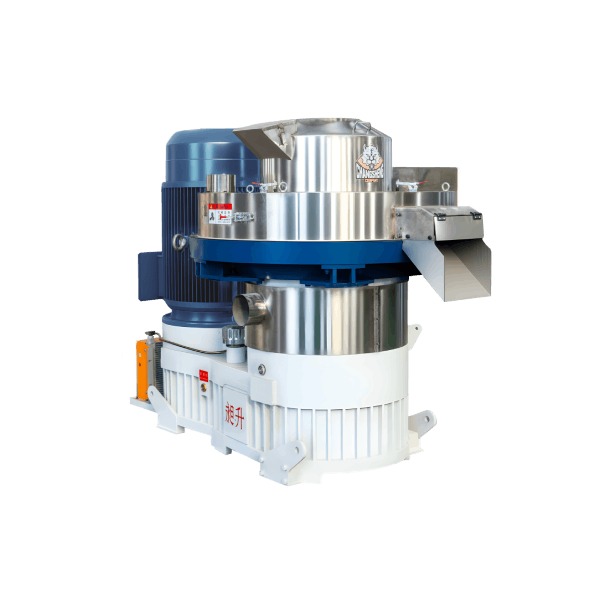
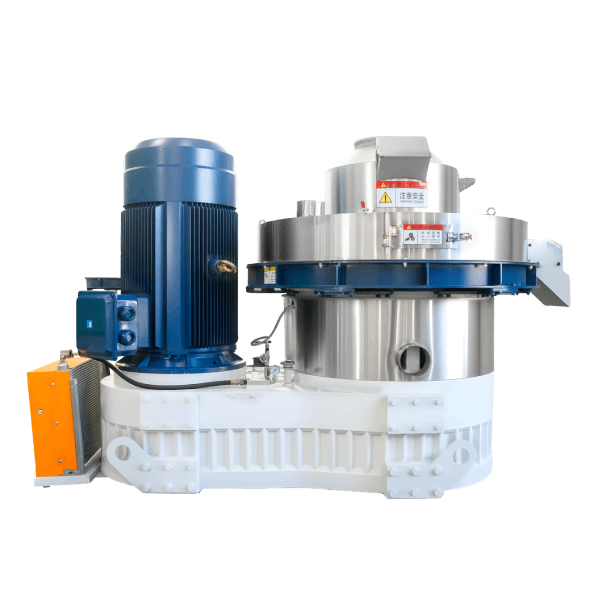
Industrial Ring Die Pellet Machine
Industrial ring die sawdust pellet machines usually range from about 1.5 to 6 t/h and above. This range depends on sawdust type, moisture, particle size, die specification, and operating hours. They suit commercial fuel production, sawmills with continuous sawdust supply, and export-oriented pellet plants. Price is higher because of larger die diameter, higher motor power, gearbox drive, automatic lubrication, and heavier structure.
Complete Sawdust Pellet Production Line
A complete sawdust pellet production line includes crushing or grinding, drying, pelletizing, cooling, screening, and packing. Price for a complete line is significantly higher than a machine-only price, because auxiliary equipment often represents a large part of total project cost.
Indicative price ranges vary by configuration and market. A small flat die machine, a medium ring die machine, and a complete industrial line are in clearly different price categories. Final price should be confirmed against a written scope of supply.
Machine-only price is not the same as complete line price. Buyers comparing quotations should compare scope of supply, not headline price.
What Determines Sawdust Pellet Machine Price?
Capacity: Larger capacity requires larger motor, die, and structure, which increases price.
Motor power: Higher motor power increases cost. Motor power must match capacity and sawdust density.
Die: Die size, hole diameter, compression ratio, material, and heat treatment all affect price.
Dryer: Required if sawdust moisture is above the suitable range. A dryer adds significant cost to the project.
Hammer Mill: Required if sawdust particle size is too coarse. A hammer mill adds cost and power demand.
Cooler: Required for commercial production to harden pellets and reduce fines.
Screening: Required to remove fines and oversize particles.
Packing: Required for bagged pellets. Bulk loading may not require a packing machine.
Automation: Higher automation reduces labor but increases initial cost.
Shipping and Installation: Freight to India, port charges, inland transport, installation, and commissioning add to total cost.
Spare Parts: First-order spare parts, including die, roller, bearings, belts, and seals, should be included in cost planning.
Sawdust Preparation Before Pelletizing
Moisture
Moisture is the most important variable in sawdust pelletizing. Typical target moisture before pelletizing is around 10 to 15 percent, depending on wood species, die compression ratio, and machine configuration. This is a typical range, not an absolute standard. The exact target should be confirmed with a pelletizing test using Indian sawdust.
Particle Size
Particle size affects feeding stability, compression, pellet density, and die wear. Target particle size for sawdust pelletizing is usually in the range of 2 to 5 mm, depending on die specification. If particle size is too coarse, feeding becomes uneven and pellets are weak. If too fine, material may bridge in the feeder and die blockage risk increases.
Foreign Material
Sawdust from furniture factories and plywood plants may contain nails, staples, plastic, sand, or glue residue. Foreign material damages dies and rollers. Cleaning or screening before pelletizing is recommended.
Drying
Drying reduces moisture to the range suitable for pelletizing. A rotary dryer or belt dryer is commonly used. Drying cost depends on initial moisture, target moisture, fuel type, and dryer efficiency.
Grinding
Grinding reduces particle size to the target range. A hammer mill is used, with screen size determining final particle size.
Can Wet Sawdust Be Used Directly?
Dry Sawdust
If sawdust already has moisture within the range suitable for pelletizing, it can be fed directly to the pellet machine. In this case, drying equipment may be reduced or omitted, depending on actual moisture and trial results.
Wet Sawdust
If sawdust moisture is above the suitable range, a drying system is required. Feeding wet sawdust directly causes soft pellets, die blockage, and unstable output.
Large Wood Waste
If the material includes large wood pieces, the process becomes crushing or chipping, then grinding, then drying, then pelletizing. This requires a complete line rather than a standalone pellet machine.
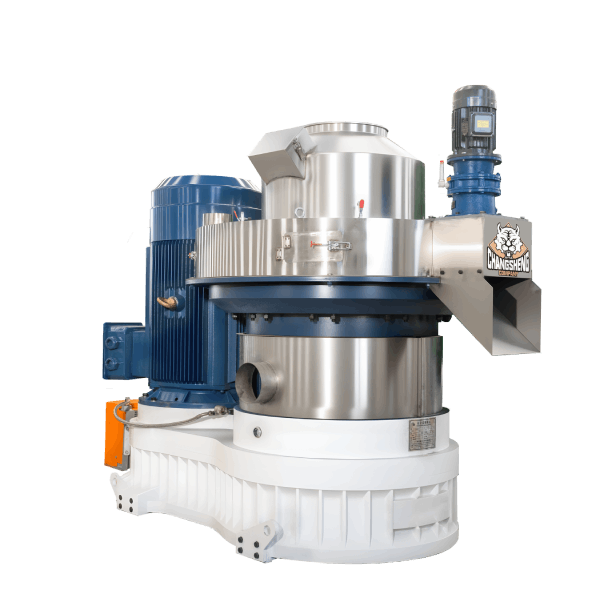
Sawdust Pellet Production Line
A typical sawdust pellet production line includes the following stages: sawdust receiving, screening or cleaning, crushing or grinding, drying, fine grinding, pelletizing, cooling, screening, and packing.
Screening or cleaning removes foreign material before grinding. Crushing or grinding reduces particle size. Drying reduces moisture. Fine grinding produces consistent particle size. Pelletizing forms pellets. Cooling hardens pellets. Screening removes fines and oversize. Packing prepares finished pellets for storage or sale.
Each stage is included for a specific reason. Omitting a stage that is needed for your sawdust condition causes quality or output problems.
Sawdust Pellet Machine Capacity
Rated Capacity
Rated capacity is the output stated by the manufacturer under specified conditions. It is only meaningful when material type, moisture, particle size, pellet diameter, die specification, and motor power are stated.
Actual Output
Actual output is the output achieved with your actual sawdust under real operating conditions. It is usually lower than rated capacity because of moisture variation, particle size variation, wood species variation, and operator skill.
A capacity margin of about 20 to 30 percent above the calculated requirement is a practical starting point. The exact margin depends on material consistency, operating hours, and maintenance planning.
Factors Affecting Output
Moisture, particle size, wood species, density, die compression ratio, pellet diameter, motor power, and feed rate all affect output. Machine rated capacity is not the same as guaranteed output for every sawdust. Actual capacity should be confirmed by a material test.
Technical Specifications for Sawdust Pellet Machines
Parameter: Capacity
What Buyer Should Confirm: Based on actual sawdust, moisture, and die specification. Small machines about 30 to 300 kg/h, medium about 300 kg/h to 1.5 t/h, industrial about 1.5 to 6 t/h and above.
Parameter: Motor power
What Buyer Should Confirm: According to model, capacity, and sawdust density. Industrial models commonly in the range of 90 to 250 kW depending on capacity.
Parameter: Die
What Buyer Should Confirm: Compression ratio matched to sawdust. Ring die diameter commonly in the range of 420 to 760 mm for industrial models.
Parameter: Pellet diameter
What Buyer Should Confirm: 6, 8, or 10 mm depending on application.
Parameter: Moisture
What Buyer Should Confirm: Based on material test. Typical target around 10 to 15 percent before pelletizing.
Parameter: Feeding
What Buyer Should Confirm: Continuous and stable; variable frequency recommended.
Parameter: Dryer
What Buyer Should Confirm: Required if sawdust is wet.
Parameter: Cooling
What Buyer Should Confirm: Required for commercial production.
Parameter: Packing
What Buyer Should Confirm: Optional according to sales model.
Actual values should be confirmed in a written technical agreement, not estimated from catalog images. Indicative ranges are for reference and depend on model and sawdust condition.
Which Sawdust Pellet Machine Configuration Fits Your Project?
Project: Small sawdust supply
Recommended Configuration: Small pellet machine, basic preparation
Project: Furniture factory
Recommended Configuration: Pellet machine with cleaning and basic preparation
Project: Sawmill
Recommended Configuration: Grinding, drying, pelletizing
Project: Commercial production
Recommended Configuration: Ring die machine with cooling and screening
Project: Large pellet plant
Recommended Configuration: Complete automated line with crushing, drying, pelletizing, cooling, screening, and packing
Buying a Sawdust Pellet Machine in India
Sawdust Sources in India
Common sawdust sources in India include sawmills, furniture factories, plywood plants, woodworking factories, timber processing units, and sawdust collection businesses. Sawdust quality varies by source, so material testing is recommended before finalizing machine configuration.
Power Supply
Confirm voltage, frequency, and phase before ordering. Motor configuration must match Indian power supply. State whether the local grid is stable, and whether a voltage stabilizer is needed.
Spare Parts Availability
Confirm spare parts list with part numbers. Dies, rollers, bearings, belts, and seals should be available for long-term supply. Recommended first-order stock should be included in the quotation.
Installation and Commissioning
Confirm whether installation supervision is available, and how it is arranged for Indian sites. Clarify scope: foundation, alignment, electrical connection, and trial run.
Common installation support models include remote technical guidance, on-site supervision by supplier engineers, or supervision combined with a local installation team. The most suitable model depends on site conditions, local labor availability, and project scale. Installation scope should be confirmed in the contract before shipment.
Shipping to India
Confirm trade terms, packing method, total weight and dimensions, and port of discharge. Sea freight, port charges, and inland transport should be planned separately.
Import Documentation
Import documentation, customs codes, HS Code, duty rates, and certification requirements such as BIS where applicable, should be confirmed with Indian customs or a qualified import agent. Requirements may change, so current official information should always be verified before shipment.
After-Sales Support
Confirm warranty scope, wear part definition, response process, and remote technical support. Clarify how replacement parts are shipped to India and expected lead time.
Sawdust Pellet Machine Applications in India
Sawmills: converting sawdust into fuel pellets for local sale or own use.
Furniture Manufacturing: recovering sawdust from furniture production.
Plywood and Woodworking Plants: converting wood waste into fuel pellets.
Biomass Fuel Producers: producing fuel pellets for industrial boilers.
Industrial Boiler Fuel Suppliers: supplying pellets to industrial users.
Pellet Production Businesses: producing pellets for regional fuel markets.
Common Problems in Sawdust Pellet Production
Sawdust Moisture Is Too High: causes soft pellets, die blockage, and unstable output. Drying is required.
Particle Size Is Too Large: causes uneven feeding and weak pellets. Grinding is required.
Sawdust Is Too Dry: causes poor binding, weak pellets, and excessive fines. Moisture conditioning may be needed.
Wood Species Change Production Output: different species have different density, lignin, and abrasiveness. Mix ratio should be consistent, or process settings adjusted.
Fine Powder Causes Feeding Problems: very fine powder may bridge in the feeder. Feeder type and moisture control should be reviewed.
Die Compression Ratio Is Incorrect: mismatch causes soft pellets, blockage, or fast die wear. Die selection should be confirmed with a test.
Cooling Is Insufficient: hot pellets are fragile and produce more fines. Cooling time and air flow should be reviewed.
Pellet Fines Are Too High: caused by weak pellets, poor cooling, or screening problems. Check die condition, cooling, and screen condition.
Complete Sawdust Pellet Plant Cost in India
A complete sawdust pellet plant cost includes the pellet machine, crusher or hammer mill, dryer, conveyor, cooler, screener, packing machine, electrical system, installation, shipping to India, and spare parts.
Pellet machine cost is only one part. Auxiliary equipment often represents a significant part of total project cost, especially drying and grinding. Shipping and installation add further cost. Final cost should be confirmed against a written scope of supply, not estimated from machine price alone.
Indian Project Experience
The following summarizes typical project parameters from sawdust pellet projects in India. Specific customer names, cities, and contact details are not included.
Typical project: sawdust pellet production from furniture manufacturing sawdust.
Raw material: sawdust from furniture manufacturing, screened for foreign material.
Initial moisture: reduced by drying to the range suitable for pelletizing.
Final pellet diameter: 6 to 8 mm.
Configuration: ring die pellet machine with crushing, drying, pelletizing, cooling, screening, and packing.
Application: industrial boiler fuel and local fuel market supply.
Acceptance: trial run with actual sawdust, output and pellet quality recorded before shipment.
The parameters above are typical ranges and should be confirmed with actual test records. Where a project cannot be documented with material, moisture, pellet diameter, capacity, and operating hours, it should not be presented as a case study.
Frequently Asked Questions
What is the price of a sawdust pellet machine in India?
Price depends on capacity, machine type, motor power, die specification, and whether a dryer, hammer mill, cooler, screener, and packing machine are included. A small flat die machine, a medium ring die machine, and a complete industrial line are in clearly different price categories. Final price should be confirmed against a written scope of supply.
What affects sawdust pellet machine price?
Capacity, motor power, die size and material, dryer, hammer mill, cooler, screening, packing, automation, shipping to India, installation, and spare parts all affect price.
How much does a complete sawdust pellet line cost?
Cost depends on capacity, sawdust condition, drying requirement, automation, cooling and screening scope, packing, electrical system, shipping, and spare parts. A small line and an industrial line are in clearly different price categories.
Is a dryer necessary for sawdust?
It depends on moisture. If sawdust moisture is above the suitable range for pelletizing, drying is required. Dry sawdust may not need a dryer.
What moisture content is suitable for sawdust pellet production?
Typical target moisture before pelletizing is around 10 to 15 percent, depending on wood species, die compression ratio, and machine configuration. The exact target should be confirmed by a pelletizing test.
What capacity can a sawdust pellet machine produce?
Small machines produce about 30 to 300 kg/h. Medium machines produce about 300 kg/h to 1.5 t/h. Industrial machines produce about 1.5 to 6 t/h and above. Actual output depends on sawdust type, moisture, particle size, die specification, and machine configuration.
Can furniture factory sawdust be pelletized?
Yes, but furniture factory sawdust may contain nails, staples, plastic, sand, or glue residue. Cleaning or screening before pelletizing is recommended to protect dies and rollers.
Can wet sawdust be used?
Wet sawdust should not be fed directly to the pellet machine. It causes soft pellets, die blockage, and unstable output. Drying is required before pelletizing.
Do I need a hammer mill?
If sawdust particle size is too coarse, a hammer mill is needed to reduce particle size to the target range. If sawdust is already fine and consistent, a hammer mill may not be needed.
What pellet diameter should I choose?
Common sawdust pellet diameters are 6 to 8 mm for heating and industrial fuel, with 10 mm also available depending on die specification and application.
What is the difference between machine-only and complete-line pricing?
Machine-only price covers the pellet machine and possibly a basic cooler. Complete-line price covers crushing, grinding, drying, pelletizing, cooling, screening, packing, electrical system, and installation. The two are in different cost categories.
Does the quoted price include installation?
It depends on the supplier and the agreed scope. Installation supervision, local labor, foundation, electrical connection, and commissioning should be clarified in the quotation.
Can equipment be supplied and installed in India?
Supply and installation support can be arranged based on the agreed scope. Common models include remote technical guidance, on-site supervision by supplier engineers, or supervision combined with a local installation team. Installation scope should be confirmed in the contract.
Can you test Indian sawdust before quotation?
Material trial testing is recommended for Indian sawdust projects. To arrange a trial, provide sawdust type and source, moisture, particle size, and target pellet diameter. Trial results typically include pellet quality, output, die selection, and power consumption data.
What information is required for an India quotation?
Provide sawdust type and source, moisture, particle size, target capacity, pellet diameter, operating hours, power supply, automation requirements, and shipping destination. This allows the supplier to recommend a suitable configuration.
Request a Sawdust Pellet Machine Quotation for India
If you are planning a sawdust pellet project in India and need help confirming machine type, capacity, die configuration, drying requirement, spare parts plan, or India-specific procurement points, you can request a technical proposal based on your sawdust material and required output. Share your sawdust type and source, moisture, particle size, target capacity, pellet diameter, local power supply, and shipping destination, and a suitable configuration can be recommended.
You can also request a quotation, ask for general arrangement drawings, request a spare parts list, or arrange a video factory inspection before making a final decision. If you already have a quotation from another supplier, you can send the technical data for a comparison of configuration and total cost of ownership.
Author Introduction
This article was prepared by a technical content specialist with over ten years of experience in industrial equipment, sawdust and biomass processing machinery, and B2B export projects. The author has worked with sawdust pellet projects in India and other regions, including furniture factory sawdust, sawmill waste, and mixed wood sources, and understands the practical challenges buyers face in material testing, machine selection, cost planning, and international procurement.
The content reflects real engineering practice in sawdust pellet machine selection, raw material preparation, cost analysis, and project execution. It is intended to help Indian buyers, procurement managers, importers, EPC contractors, and project developers make informed decisions and reduce project risk. The author is affiliated with Shandong Changsheng Machinery Co., Ltd.