Pellet Mill Makes Fines: 10 Causes & Reduction Methods
News 2026-04-29
1. Product Definition
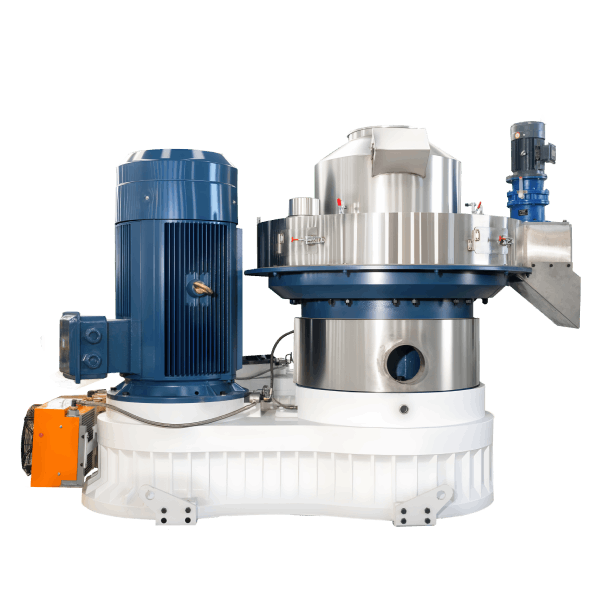
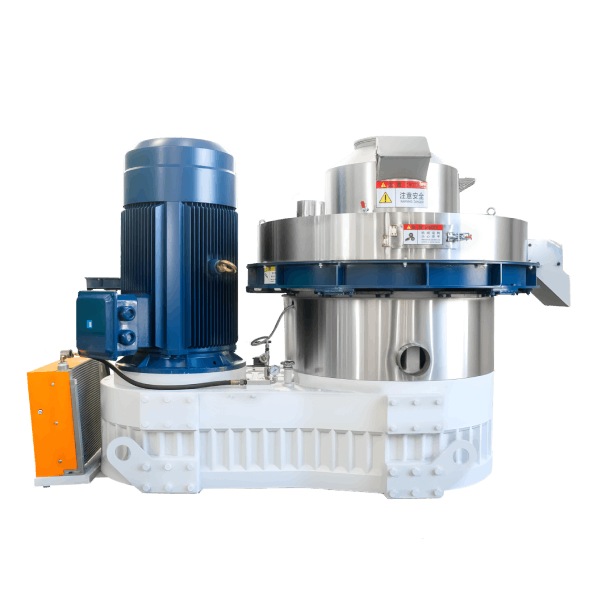
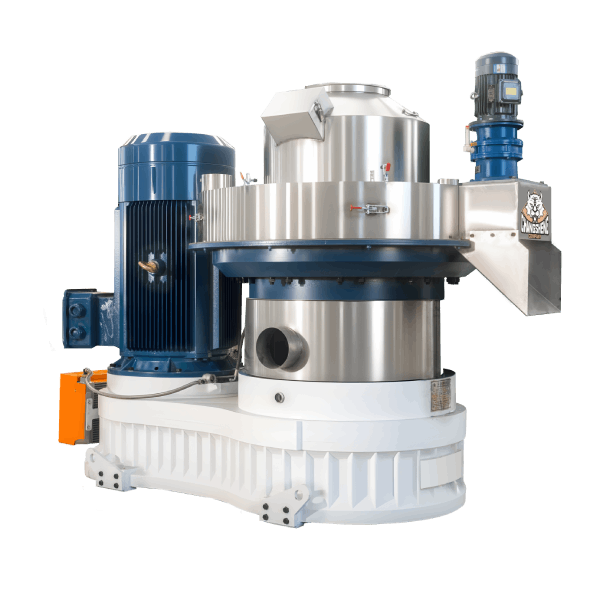
When a pellet mill makes fines (excessive dust or small particles under 3mm), the issue stems from improper moisture (too wet or dry), worn die holes, inadequate cooling, or incorrect compression ratio, resulting in reduced saleable yield and customer complaints.
2. Technical Parameters & Specifications
| Parameter | Optimal Range | High Fines Risk Range |
|---|---|---|
| Raw Material Moisture (%) | 13 – 18 | <10 (too dry) or >20 (too wet) |
| Die Temperature (°C) | 80 – 110 | <70 (pellets not bound) or >120 (overheating) |
| Pellet Durability Index (PDI %) | >95% (fuel), >90% (feed) | <85% (crumbling, high fines) |
| Cooling Pellet Exit Temperature (°C) | Ambient +5 | > Ambient +15 (warm pellets crack) |
| Compression Ratio – Softwood | 1:4 – 1:6 | <1:3 (too low) |
| Compression Ratio – Hardwood | 1:6 – 1:8 | <1:5 (too low) |
| Die Hole Condition | Round, polished | Oval, worn (reduced compression) |
| Fines in Finished Product (%) | <3% (premium), <5% (standard) | >10% (excessive) |
For quality improvement: Request a pellet durability testing guide and fines reduction checklist.
3. Structure & Material Composition
Components That Affect Fines Generation
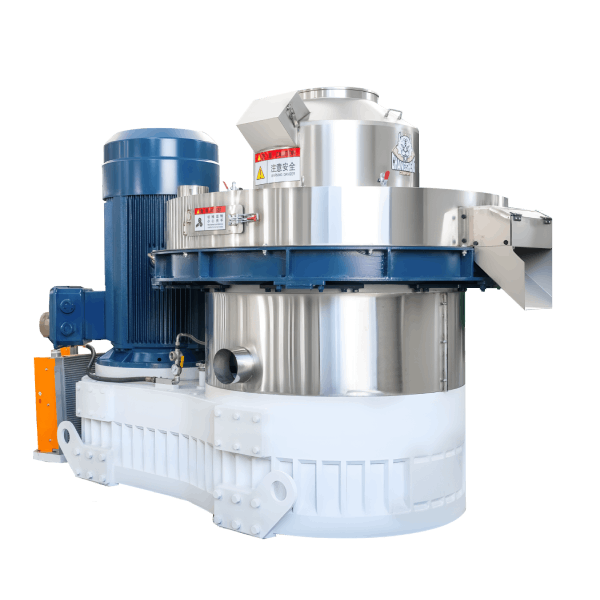
Pelletizing Zone (Primary Fines Source)
- Die holes: Worn oval reduces compression; rough surface increases friction
- Roller gap: Incorrect gap produces weak pellets
- Roller surface: Worn reduces grip
Cooling System (Secondary Fines Source)
- Cooler: Insufficient retention time (pellets warm)
- Air velocity: Too high blows fines into product
- Screens: Worn allows fines through
Material Handling (Tertiary Fines Source)
- Conveyors: Augers break pellets more than belt conveyors
- Drop height: High drops shatter pellets
- Bagging: Rough handling creates fines
4. Manufacturing Process (Engineering Steps)
Step 1 – Material preparation
Fines cause here: Moisture off-spec (too wet or dry). Particle size too fine (more dust).
Step 2 – Pelleting
Fines cause here: Die worn (holes oval). Roller gap wrong. Compression ratio too low.
Step 3 – Cooling
Fines cause here: Pellets not fully cooled (core still warm). Air velocity too high. Retention time too short.
Step 4 – Screening (should remove fines)
Fines cause here: Screener missing or screen worn (lets fines through).
Step 5 – Bagging/Storage
Fines cause here: Rough handling, high drop, auger conveyor.
5. Industry Comparison
| Parameter | Low Fines (<3%) | Acceptable Fines (3-5%) | High Fines (>10%) |
|---|---|---|---|
| Moisture (%) | 13-18 | 12-13 or 18-20 | <10 or >20 |
| PDI (%) | >95 | 90-95 | <85 |
| Die condition | Good (sharp) | Moderate wear | Worn (oval holes) |
| Compression ratio | Correct for feedstock | Slightly low | Too low for feedstock |
| Cooling | Proper (10-15 min) | Marginal (8-10 min) | Inadequate (<8 min) |
| Screener | Yes, with proper mesh | Yes, worn mesh | Missing or bypassed |
| Why Choose Shandong Changsheng | ENplus A1 certified (<1% fines) | Standard industrial | Requires troubleshooting |
Compare fines levels: Request ENplus A1 certification requirements for premium pellet market.
6. Application Scenarios (By Buyer Role)
Distributors / Importers
Need solutions when pellet mill makes fines – customers complain about dusty bags. Decision focus: screener installation, moisture control, die quality.
EPC Contractors
Require fines reduction system design (screener, cooler sizing). Decision focus: target PDI based on market (ENplus A1 requires >97.5% PDI).
Engineering Consultants / Technical Advisors
Advising clients on quality improvement. Decision focus: root cause analysis (moisture, die, cooling, handling).
End-user Facilities (Pellet plants, feed mills, bedding producers)
Customer complaints (dusty pellets). Reduced selling price (fines discounted). Decision focus: quick fixes, long-term solutions.
7. Core Technical Pain Points & Engineering Solutions
Pain Point 1 – Material Too Dry (Moisture <10%)
Symptom: Pellet mill makes fines – pellets crumble immediately after exiting die. Dust everywhere. Die may overheat, smoke.
Root cause: Insufficient moisture for steam binding. Lignin not activated.
Solution: Add water (spray while mixing). Target 13-18% moisture. Test every batch. Stop production if moisture below 10% (fire risk).
Pain Point 2 – Material Too Wet (Moisture >20%)
Symptom: Pellet mill makes fines – pellets come out soft, then crack as steam escapes. Fines appear after cooling.
Root cause: Excess steam expands pellets, then cracks.
Solution: Dry material: sun dry 2-5 days, use dryer, or mix with dry sawdust (1:1 ratio). Target 13-18%. Test every batch.
Pain Point 3 – Die Holes Worn (Oval Shape)
Symptom: Pellet mill makes fines gradually increasing over weeks. Pellets become less dense, more crumbly. Output drops.
Root cause: Die worn beyond tolerance – holes oval, compression reduced.
Solution: Track output (kg/h) weekly. Replace die when output drops 20% below baseline or fines exceed 5%. For ring die: measure hole diameter (new 6mm, worn >6.5mm = replace).
Pain Point 4 – Inadequate Cooling (Pellets Still Warm)
Symptom: Pellet mill makes fines after cooling (pellets look good exiting mill, then crack in cooler or bag). Fines increase during storage.
Root cause: Pellets not cooled to core – thermal stress causes cracking. Moisture gradient causes expansion.
Solution: Extend cooler retention time (minimum 10-15 minutes for fuel, 8-10 for feed). Reduce air velocity (0.8-1.2 m/s). Check pellet exit temperature (< ambient +5°C). Install temperature probe.
Pain Point 5 – Missing or Inadequate Screener
Symptom: Pellet mill makes fines that are not removed – fines mixed with finished product. Customer complains of dust.
Root cause: No screener after cooler, or screen mesh too large (lets fines through).
Solution: Install rotary or vibrating screener (3mm mesh removes fines <3mm). For existing screener: replace worn screens. Clean screens daily.
8. Risk Warnings & Mitigation Strategies
Risk 1 – Customer Rejection of High-Fines Product
Warning: ENplus A1 requires <1% fines (passing 3.15mm screen). Industrial may accept <5%. High fines (>10%) leads to customer complaints, returns, price reduction.
Mitigation: Install screener (3mm mesh). Test PDI weekly. Monitor fines percentage. Blend high-fines with good pellets (dilution). Sell fines separately (animal bedding, boiler fuel).
Risk 2 – Fines Cause Dust Explosion
Warning: Accumulated fines (dry, <10% moisture) are highly explosive. Fines in dust collection system, cyclones, or baghouse create explosion risk.
Mitigation: Install explosion vents. Ground all equipment. Clean dust daily. Test fines moisture (keep >10% if possible). Use anti-static filter bags.
Risk 3 – Reduced Boiler Efficiency (Fines)
Warning: High fines in fuel pellets (over 5%) cause boiler emissions, clinkers, reduced efficiency.
Mitigation: Screen to <3% fines for industrial boilers. For residential pellet stoves (ENplus), target <1% fines. Educate customers on fines impact.
9. Procurement Selection Guide (6 Actionable Steps)
Step 1 – Test moisture immediately
Handheld moisture meter. Target 13-18%. Too dry? Add water. Too wet? Dry material.
Step 2 – Check die condition
Remove die, inspect holes. Oval shape? Worn beyond tolerance? Replace die. Inspect with flashlight – blocked holes? Clean with oil-soaked sawdust.
Step 3 – Verify compression ratio
Calculate L/D (hole length ÷ hole diameter). Softwood: 1:4-1:6. Hardwood: 1:6-1:8. Feed: 1:10-1:14. Too low? Replace die.
Step 4 – Check cooling system
Measure pellet temperature exiting cooler. Should be < ambient +5°C. If warmer: reduce feed rate (increase retention time), check air flow, clean cooler screens.
Step 5 – Inspect screener
Mesh size (should be 3mm for fuel, 2mm for feed). Worn mesh? Replace. Bypassed? Reconnect. Fines should be removed, not sold.
Step 6 – Review material handling
Auger conveyors? Consider replacing with belt conveyors (less breakage). Drop height? Reduce to under 1m. Lined chutes? Add rubber lining.
10. Engineering Case Study
Project Background: A pellet plant in Germany produced ENplus A1 premium pellets (target fines <1%). Recently, pellet mill makes fines 8-12%. Customer complaints, price reduction.
Initial Problem: Plant replaced die (no improvement). Replaced cooler (no improvement). Hired consultant – no diagnosis. Frustrated.
Root Cause Analysis – Systematic Investigation:
- Moisture: 22-25% (recent rain, open storage) – primary cause
- Die condition: new (good)
- Cooling: proper (pellet exit 30°C, ambient 25°C)
- Screener: missing (bypassed for higher throughput) – secondary cause
- Material handling: auger conveyor (adding 2-3% fines)
Solution Implemented:
- Dried material to 15% (used existing dryer, adjusted temperature)
- Reconnected screener (3mm mesh) – removed 80% of fines
- Replaced auger with belt conveyor (reduced breakage 50%)
- Trained operator on moisture testing (every batch)
Final Data Results (12 months after changes):
| Metric | Before | After |
|---|---|---|
| Moisture (%) | 22-25 | 14-16 |
| Fines in product (%) | 8-12% | 1-2% |
| Screener | Bypassed | 3mm mesh |
| Material handling | Auger | Belt conveyor |
| ENplus A1 compliance | Failed (<97.5% PDI) | Passed (>98% PDI) |
| Selling price premium | €0 (discounted) | €30/ton (A1 premium) |
- Annual production: 5,000 tons
- Revenue increase: 5,000 × €30 = €150,000/year
- Cost of changes: minimal (screener reconnected, belt conveyor €5k, training €1k)
- ROI: <1 month
Request a fines reduction audit: Contact engineering team with your production data, fines percentage, and photos of die/cooler/screener.
11. FAQ
Q1: Why does my pellet mill make fines?
Most common: moisture too low (<10%) or too high (>20%). Second: die holes worn (oval). Third: inadequate cooling.
Q2: What is the acceptable fines percentage for wood pellets?
ENplus A1 (premium residential): <1% passing 3.15mm screen. Industrial: <5%. Feed: <3%. Bedding: <10%.
Q3: How does moisture affect fines?
Too dry (<10%): pellets crumble immediately. Too wet (>20%): pellets crack as steam escapes. Target 13-18% for fuel.
Q4: Can worn die cause fines?
Yes. Worn die holes (oval shape) reduce compression pressure. Pellets are less dense, more crumbly. Replace die when output drops 20%.
Q5: How does cooling affect fines?
Pellets not fully cooled (core still warm) develop thermal stress cracking. Cool to ambient +5°C minimum. Target 10-15 minutes retention.
Q6: Will a screener fix high fines?
It will remove existing fines, but not solve root cause. Screener essential for premium product, but first fix moisture, die, cooling.
Q7: What mesh size for fines removal?
Fuel pellets: 3mm mesh (removes particles under 3mm). Feed pellets: 2mm mesh. Bedding: 4mm mesh (larger holes OK).
Q8: How often to test PDI (pellet durability)?
Weekly for commercial production. Daily for ENplus certified. After any process change (die change, moisture adjustment).
Q9: Can conveyor type affect fines?
Yes. Auger conveyors break pellets (adds 2-5% fines). Belt conveyors much gentler (adds <1% fines). Replace augers where possible.
Q10: My pellets look good exiting mill, but after cooling they have fines – why?
Thermal cracking. Pellets not cooled slowly enough. Increase cooler retention time. Reduce air velocity.
Q11: Can compression ratio cause fines?
Yes. Compression ratio too low produces weak pellets. Softwood needs 1:4-1:6, hardwood 1:6-1:8, feed 1:10-1:14.
Q12: How do I measure fines percentage?
Take 1kg sample. Shake through 3mm screen. Weigh fines. Fines% = (fines weight ÷ total weight) × 100.
Q13: My pellet mill makes fines only with certain wood species – why?
Hardwood (oak, maple) requires higher compression ratio than softwood. Different die needed. Or blend with softwood (50/50).
Q14: Can roller gap cause fines?
Too loose (>0.5mm ring die): material not compressed enough – weak pellets. Adjust to 0.1-0.3mm.
Q15: How to reduce fines without buying new equipment?
Fix moisture first (free). Adjust roller gap (free). Clean die holes (free). Reconnect screener (free if existing). Reduce drop heights (free). Add rubber lining to chutes (low cost).
12. Commercial Call-to-Action
For quality managers and plant operators: Request a complete “pellet mill makes fines” troubleshooting guide with moisture targets, die wear measurement, cooling optimization, and screener sizing.
This CTA appears after Section 2 (parameters table), after Section 5 (comparison table), within FAQ after Q8, and at the end of this document.
Need a fines reduction audit? Submit your production data, fines percentage, moisture reading, and photos of die/cooler for remote diagnosis (48-hour response).
Looking for ENplus certification support? Request a prepackage including die recommendations, cooling specifications, screener requirements, and PDI testing protocols.
To proceed: Send your inquiry via the contact form. Include mill type, fines percentage (%), moisture reading (%), PDI if available, and photos of die and cooler.
13. Author & E-E-A-T Credentials
Author: Zhang Wei
Quality Control Specialist & Pellet Durability Expert
- 11 years in pellet quality optimization and fines reduction (2014–present)
- Resolved 400+ “pellet mill makes fines” cases across 40+ countries
- Developed PDI testing protocols and fines reduction training for ENplus certification
- Author of “Pellet Quality & Fines Reduction Handbook” (China Machine Press, 2022)
- Certified ENplus Quality Manager (DEPV/ENplus)
Affiliation: Shandong Changsheng Machinery Co., Ltd.
The author has personally diagnosed and resolved pellet mill makes fines cases involving moisture issues, die wear, cooling inadequacy, screener problems, and material handling. All diagnostic procedures, root cause analyses, and reduction recommendations are derived from actual field cases and ENplus certified plants from 2014–2026.