Sawdust Pellet Machine: Complete Buyer’s Guide
News 2026-08-19
Page SEO Summary: This comprehensive guide covers everything about sawdust pellet machines—definition, working principle, raw material requirements, selection criteria, and market overview.
Sawdust is one of the most common and valuable raw materials for wood pellet production. A sawdust pellet machine transforms this wood waste into high-quality fuel pellets, creating value from what would otherwise be a disposal problem.
This guide provides a comprehensive overview of sawdust pellet machines, helping you understand what they are, how they work, and how to choose the right one for your needs.
What Is a Sawdust Pellet Machine?
Basic Definition
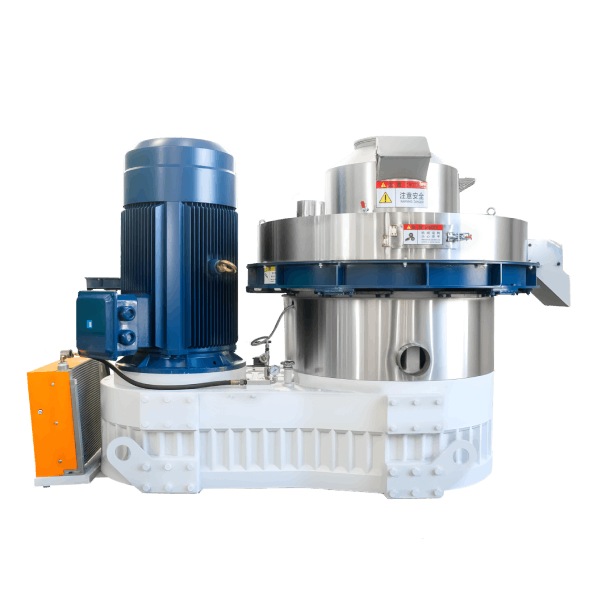
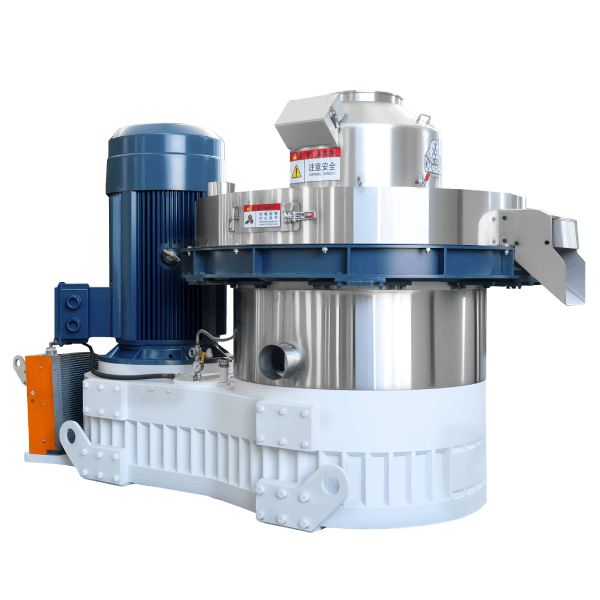
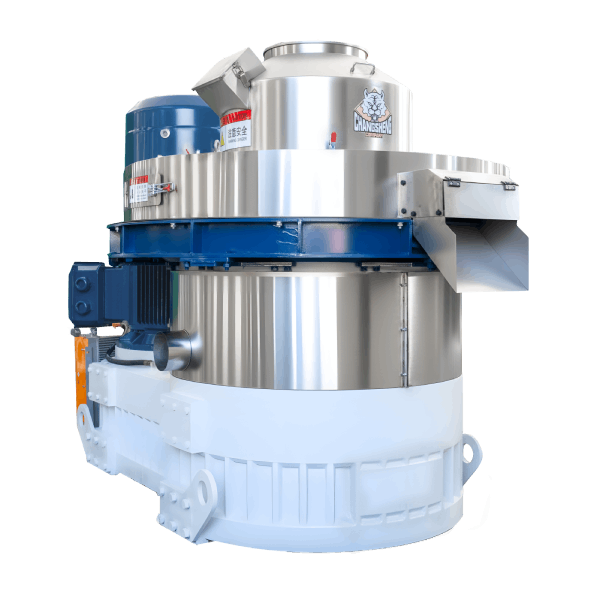
A sawdust pellet machine (also called a sawdust pellet mill) is a machine that compresses sawdust into dense, cylindrical wood pellets using heat and pressure. It is essentially a wood pellet machine specifically optimized for sawdust feedstocks.
Why Sawdust?
| Advantage | Benefit |
|---|---|
| Abundant | Available from sawmills, woodworking |
| High quality | Excellent for pellet production |
| Low cost | Often a waste product |
| Consistent | Relatively uniform material |
| High lignin | Natural binding |
Sawdust Requirements
Moisture Content
| Moisture Level | Effect | Requirement |
|---|---|---|
| <10% | Poor binding | Too dry |
| 10-12% | Optimal | Best quality |
| 12-15% | Acceptable | Still good |
| >15% | Requires drying | Not suitable |
Particle Size
| Particle Size | Effect | Requirement |
|---|---|---|
| <2 mm | Good flow | Optimal |
| 2-5 mm | Acceptable | Standard range |
| >5 mm | Poor pellets | Too coarse |
Sawdust Types
| Type | Quality | Notes |
|---|---|---|
| Softwood sawdust (pine, spruce) | Excellent | Best for pellets |
| Hardwood sawdust (oak, beech) | Excellent | Good quality |
| Mixed sawdust | Good | Acceptable |
| Bark-heavy sawdust | Lower | More ash |
How a Sawdust Pellet Machine Works
The Basic Principle
| Step | Description |
|---|---|
| 1 | Sawdust is fed into the machine |
| 2 | Rollers press sawdust through die holes |
| 3 | Friction generates heat (80-120°C) |
| 4 | Lignin (natural binder) softens and binds |
| 5 | Pellets exit the die and are cut to length |
Key Components
| Component | Function |
|---|---|
| Die | Perforated ring or plate that shapes pellets |
| Rollers | Press material through die holes |
| Motor | Powers the machine |
| Feeder | Controls material input |
| Cutter | Trims pellets to length |
Types of Sawdust Pellet Machines
Flat Die Pellet Machine
| Aspect | Detail |
|---|---|
| Die shape | Flat, horizontal plate with holes |
| Capacity | 30-300 kg/h |
| Best for | Small-scale; farms; home use |
| Advantages | Lower cost; simple; portable |
| Limitations | Lower capacity; higher wear per ton |
Ring Die Pellet Machine
| Aspect | Detail |
|---|---|
| Die shape | Vertical ring with holes |
| Capacity | 200-5,000+ kg/h |
| Best for | Commercial; industrial production |
| Advantages | Higher capacity; better quality; efficient |
| Limitations | Higher cost; larger footprint |
Which Type to Choose
| If You Need | Choose |
|---|---|
| Small production (<200 kg/h) | Flat die |
| Low budget | Flat die |
| Commercial production | Ring die |
| Highest quality pellets | Ring die |
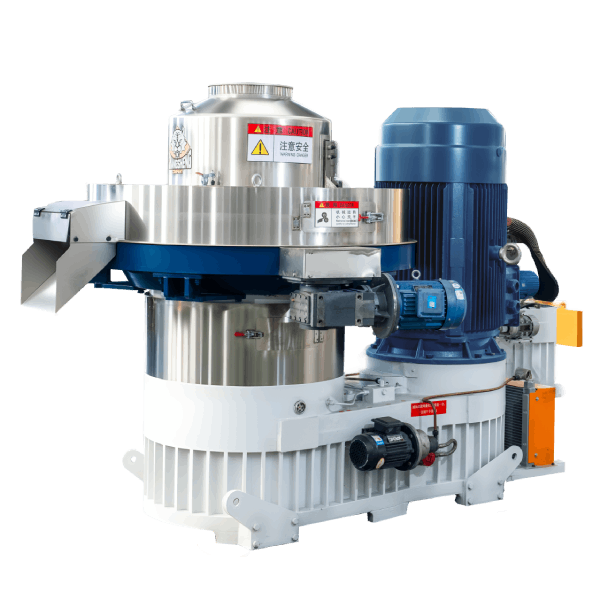
Capacity Selection
Sawdust Availability and Capacity
| Sawdust Supply | Recommended Capacity |
|---|---|
| Small workshop (<1 ton/month) | 30-50 kg/h |
| Small sawmill (1-5 tons/month) | 50-100 kg/h |
| Medium sawmill (5-20 tons/month) | 100-200 kg/h |
| Large sawmill (>20 tons/month) | 200+ kg/h |
Production Capacity Examples
| Machine | Annual Output | Sawdust Needed |
|---|---|---|
| 50 kg/h | 100-150 tons/year | 150-200 tons |
| 100 kg/h | 200-300 tons/year | 300-400 tons |
| 200 kg/h | 400-600 tons/year | 600-800 tons |
| 500 kg/h | 1,000-1,500 tons/year | 1,500-2,000 tons |
Raw Material Considerations
Where to Get Sawdust
| Source | Quality | Availability |
|---|---|---|
| Sawmills | Good-Excellent | High |
| Woodworking shops | Good | High |
| Furniture manufacturers | Excellent | Moderate |
| Wood processing plants | Excellent | High |
| Plywood plants | Good | High |
Sawdust Quality Factors
| Factor | Impact | Requirement |
|---|---|---|
| Moisture | Binding | 10-12% |
| Particle size | Pellet quality | 2-5 mm |
| Bark content | Ash content | Low (<5%) |
| Contaminants | Equipment damage | None |
Price Overview
Price Ranges
| Type | Capacity | Price Range (USD) |
|---|---|---|
| Flat die (small) | 30-100 kg/h | $500-2,000 |
| Flat die (medium) | 100-300 kg/h | $2,000-5,000 |
| Ring die (small) | 200-500 kg/h | $5,000-15,000 |
| Ring die (medium) | 500-1,500 kg/h | $15,000-35,000 |
| Ring die (large) | 1.5-5 t/h | $35,000-80,000 |
| Complete line | 1-3 t/h | $50,000-150,000 |
Selection Considerations
Key Questions
| Question | Why Important |
|---|---|
| “How much sawdust do you have?” | Capacity |
| “What is the moisture content?” | Drying need |
| “What is your power supply?” | Motor specification |
| “What is your budget?” | Options |
| “What space do you have?” | Footprint |
Equipment Needed
| Equipment | Required? | Notes |
|---|---|---|
| Pellet machine | Yes | Core equipment |
| Dryer | Maybe | If moisture >15% |
| Hammer mill | Maybe | If particle size >5 mm |
| Cooler | Optional | Better storage |
Procurement Checklist
Requirements
- □ Sawdust supply confirmed
- □ Moisture content measured
- □ Particle size assessed
- □ Capacity confirmed
- □ Budget established
Evaluation
- □ Multiple suppliers compared
- □ Component quality reviewed
- □ Warranty terms understood
- □ Support capability confirmed
Decision
- □ Best option selected
- □ Supplier chosen
- □ Order placed
Frequently Asked Questions
1. What is a sawdust pellet machine?
A sawdust pellet machine is a machine that compresses sawdust into dense wood pellets for fuel and other applications. It uses heat and pressure to bind the sawdust using its natural lignin.
2. What sawdust is best for pellet production?
Softwood sawdust (pine, spruce) is best due to high lignin content and low ash. Hardwood sawdust also produces good pellets. Bark-heavy sawdust is lower quality.
3. What moisture content is needed?
Sawdust should have 10-12% moisture for optimal pelletizing. Higher moisture requires drying; lower moisture reduces binding.
4. What particle size is needed?
Sawdust should be 2-5 mm for optimal pelletizing. Finer material is better, but too fine can cause feeding issues.
5. How much does a sawdust pellet machine cost?
Small flat die machines cost $500-2,000. Medium flat die cost $2,000-5,000. Ring die machines cost $5,000-80,000+.
6. What capacity do I need?
Match capacity to your sawdust supply. Small workshop: 30-50 kg/h. Small sawmill: 50-100 kg/h. Large sawmill: 200+ kg/h.
7. Do I need a dryer?
If your sawdust moisture is above 15%, you need a dryer. Most sawdust from sawmills is 40-60% moisture and requires drying.
8. What are the main challenges?
Moisture control is the biggest challenge. Sawdust must be properly dried. Particle size and contaminants also affect quality.
About the Author
Zhang Wei – Senior International Sales Engineer, Shandong Changsheng Machinery Co., Ltd.
Zhang Wei has over 12 years of experience in the biomass and feed pellet mill industry, with a background in mechanical engineering and international project execution. He has helped sawmills and woodworking operations across Southeast Asia, the Middle East, Africa, Europe, and Latin America turn sawdust waste into valuable wood pellets.
With hands-on experience in both the manufacturing workshop and client-side operations, Zhang brings practical insights into successful equipment procurement—from the factory floor to the sawmill.