Biomass pellet machine price: industrial cost and specification guide
News 2026-03-12
Biomass Pellet Machine Price: Engineering Cost Analysis and Procurement Guide
Product Definition
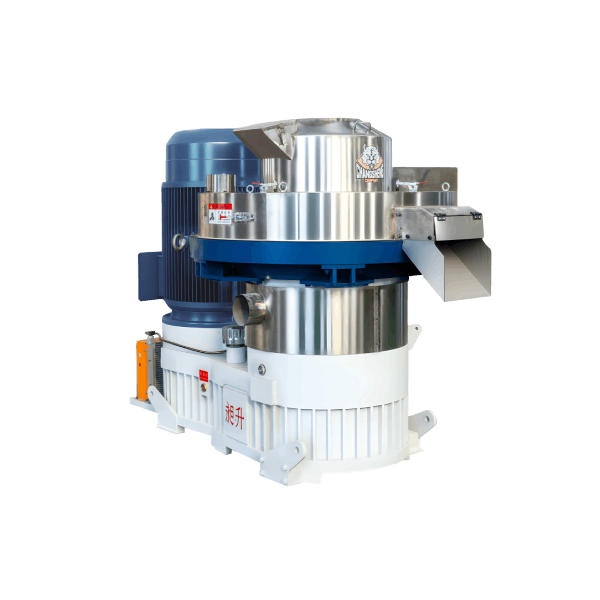
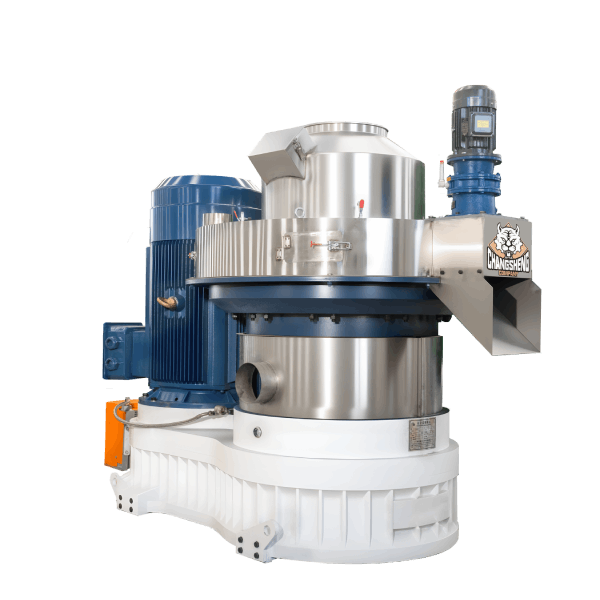
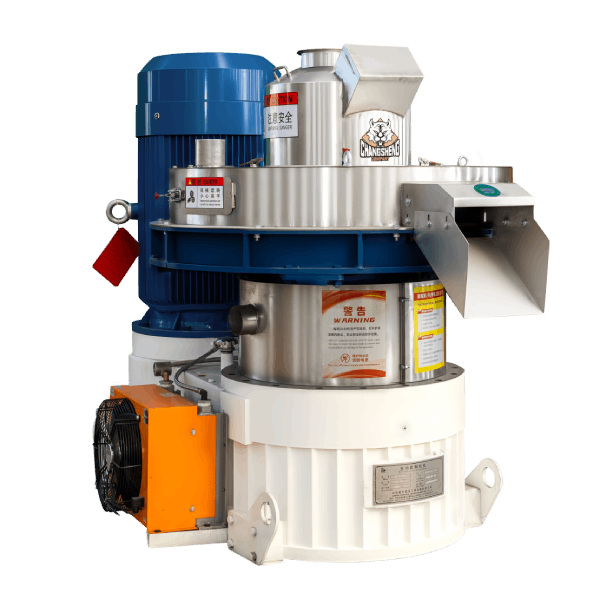
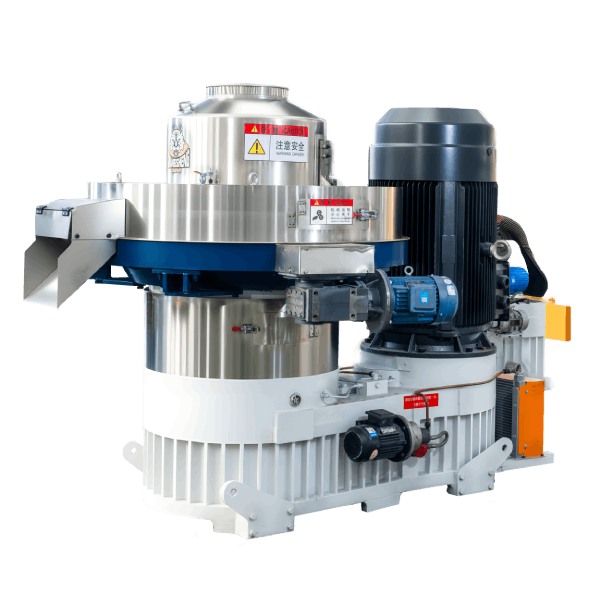
A biomass pellet machine is an industrial pelletizing system used to compress organic materials such as sawdust, wood chips, straw, rice husk, and agricultural residues into high-density biomass fuel pellets. The biomass pellet machine price varies depending on production capacity, engineering configuration, component materials, and manufacturing quality.
For procurement managers, EPC contractors, and renewable energy developers, understanding biomass pellet machine price is essential for budgeting biomass pellet plants and ensuring long-term operational efficiency.
Technical Parameters and Specifications
The biomass pellet machine price is closely linked to equipment specifications, including machine capacity, motor power, and structural configuration.
Typical technical parameters include:
Production capacity: 1–6 tons per hour per machine
Main motor power: 90–250 kW
Ring die diameter: 420–760 mm
Pellet diameter: 6–10 mm for biomass fuel pellets
Compression rollers: 2–3 heavy-duty rollers
Raw material moisture requirement: 10–15 percent
Pelletizing temperature: 80–100°C
Main shaft rotation speed: 250–320 rpm
Machine weight: 3–12 tons depending on model
Machines with larger ring dies and higher motor power generally have a higher biomass pellet machine price but provide greater production capacity and operational stability.
Structure and Material Composition
The engineering structure of the pellet machine is a key factor influencing equipment durability and the biomass pellet machine price.
Main frame structure
Heavy-duty welded steel frame designed to support continuous industrial operation.
Ring die system
High-strength alloy steel ring die with precision pellet channels controlling pellet size and compression ratio.
Compression rollers
Wear-resistant chromium alloy steel rollers that apply high pressure during pellet formation.
Main shaft assembly
Forged alloy steel shaft responsible for transferring torque to the pelletizing chamber.
Bearing system
Heavy-load industrial bearings ensuring stable operation under high mechanical stress.
Transmission system
Gearbox or belt drive mechanism controlling rotational speed and torque transmission.
Higher-grade materials and precision machining increase the biomass pellet machine price but significantly improve operational lifespan and pellet production efficiency.
Manufacturing Process
Industrial pellet machines are produced using a series of controlled engineering processes to ensure reliability and performance.
Step 1 Engineering design
Engineers design the pellet machine structure based on production capacity requirements and raw material characteristics.
Step 2 Raw material preparation
High-strength structural steel and alloy steel components are selected for critical machine parts.
Step 3 CNC machining
Precision CNC equipment processes shafts, rollers, and ring dies.
Step 4 Heat treatment
Wear components undergo quenching and tempering to improve hardness and durability.
Step 5 Precision die drilling
Advanced drilling equipment creates uniform pellet holes to ensure pellet consistency.
Step 6 Equipment assembly
Mechanical components are assembled using calibrated tools to ensure precise alignment.
Step 7 Operational testing
Manufacturers such as Shandong Changsheng Machinery conduct pelletizing tests with biomass materials to verify machine performance before delivery.
Manufacturing quality control plays a significant role in determining the final biomass pellet machine price.
Industry Comparison
Equipment Type | Investment Cost | Production Efficiency | Typical Application
Ring die pellet machine | Medium–High | High | Industrial biomass pellet plants
Flat die pellet machine | Low | Low–Medium | Small workshops and farms
Biomass briquette press | Medium | Medium | Biomass heating briquettes
Extrusion pellet machine | Medium | Medium | Specialized biomass products
Although ring die machines have a higher biomass pellet machine price, they are widely preferred for industrial pellet production due to higher output and pellet durability.
Application Scenarios
Equipment purchased based on biomass pellet machine price analysis is widely used across renewable energy industries.
Biomass fuel pellet manufacturers
Producing standardized pellets for industrial boilers and heating systems.
Wood processing factories
Converting sawdust and wood waste into biomass fuel pellets.
Equipment distributors and importers
Supplying pellet machines to regional biomass markets.
EPC contractors and engineering companies
Designing and constructing biomass pellet production plants.
Renewable energy project developers
Utilizing forestry residues and agricultural waste for sustainable energy production.
In these sectors, balancing biomass pellet machine price with equipment reliability is critical for project profitability.
Core Pain Points and Engineering Solutions
Problem 1 High equipment investment
Cause
Industrial pellet machines require powerful motors and heavy-duty components.
Solution
Evaluate lifecycle cost instead of focusing solely on purchase price.
Problem 2 Inconsistent pellet density
Cause
Improper raw material preparation or incorrect die specifications.
Solution
Install crushing and drying equipment to ensure stable raw material conditions.
Problem 3 Rapid wear of dies and rollers
Cause
Abrasive biomass materials or inadequate maintenance.
Solution
Use high-quality alloy components and implement scheduled maintenance.
Problem 4 High energy consumption
Cause
Low-efficiency motors or poor transmission systems.
Solution
Adopt high-efficiency motors and optimized gearbox designs.
Risk Warning and Prevention Strategies
Improper evaluation of biomass pellet machine price can result in operational risks and unexpected expenses.
Potential risks include
Low pellet production efficiency
Frequent equipment downtime
High maintenance costs
Premature component failure
Unstable pellet quality
Recommended preventive measures include
Maintaining stable raw material moisture levels
Installing appropriate crushing and drying equipment
Conducting regular equipment inspections
Monitoring pelletizing temperature and pressure
Providing professional operator training
Procurement and Equipment Selection Guide
Step 1 Analyze raw material characteristics
Different biomass materials require specific compression ratios and machine configurations.
Step 2 Determine production capacity
Daily pellet output requirements determine pellet machine size and quantity.
Step 3 Compare biomass pellet machine price and specifications
Higher capacity machines may reduce long-term production cost per ton.
Step 4 Evaluate manufacturer engineering capability
Reliable manufacturers provide technical support and installation guidance.
Step 5 Verify spare parts availability
Ensure access to replacement dies, rollers, and bearings.
Step 6 Analyze long-term operating costs
Electricity consumption and maintenance costs affect overall project profitability.
Step 7 Request equipment testing documentation
Review performance data and pellet production testing reports before procurement.
Engineering Case Study
A biomass energy developer in Southeast Asia established a pellet production facility using palm fiber and wood residues as raw materials.
The project installed two pellet machines supplied by Shandong Changsheng Machinery, each equipped with a 560 mm ring die and a 160 kW motor.
The pellet production line included raw material crushing, rotary drying, pelletizing, cooling, screening, and automated packaging systems.
After commissioning, the facility achieved stable pellet production of approximately 5 tons per hour per machine. Pellet density met international biomass fuel standards, and the project significantly reduced raw material waste while producing renewable fuel.
This case demonstrates how evaluating biomass pellet machine price alongside engineering design can improve the economic performance of biomass pellet plants.
FAQ
What factors influence biomass pellet machine price
Production capacity, motor power, ring die size, and structural materials.
What pellet size is commonly produced
Most biomass fuel pellets range from 6 to 10 mm in diameter.
Does raw material moisture affect pellet production
Yes. Biomass materials usually require moisture levels between 10 and 15 percent.
How often should pellet machines be maintained
Routine maintenance is generally recommended every 200–300 operating hours.
Can pellet machines process different biomass materials
Yes, provided materials are properly crushed and dried.
What are the most common wear parts
Ring dies and compression rollers.
Is drying required before pelletizing
Most biomass materials require drying before pellet production.
How long does a pellet machine operate in industrial production
With proper maintenance, equipment can operate for many years.
Which industries use biomass pellet machines
Renewable energy, biomass fuel production, and wood processing industries.
How can buyers reduce operational costs
By selecting efficient machines and maintaining proper production conditions.
Request Technical Information and Quotation
Procurement managers, EPC contractors, and renewable energy developers may request equipment quotations, technical specifications, engineering drawings, and pellet production testing samples from Shandong Changsheng Machinery for project evaluation.
E-E-A-T Author Expertise
This article was prepared by engineers with more than ten years of experience in biomass pellet equipment manufacturing and pellet plant engineering. The technical content reflects practical industry experience gained from designing and supplying industrial biomass pellet production systems worldwide, including equipment developed by Shandong Changsheng Machinery.