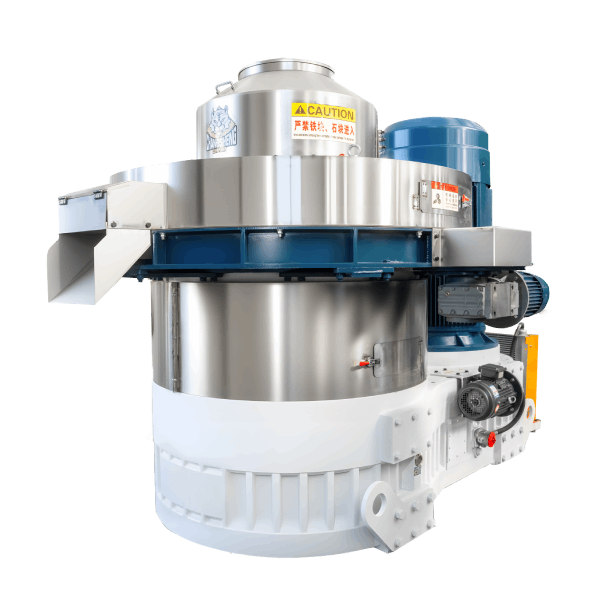
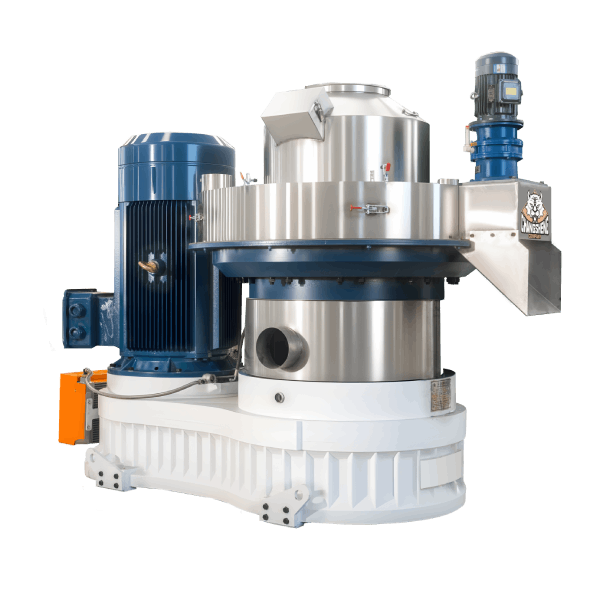
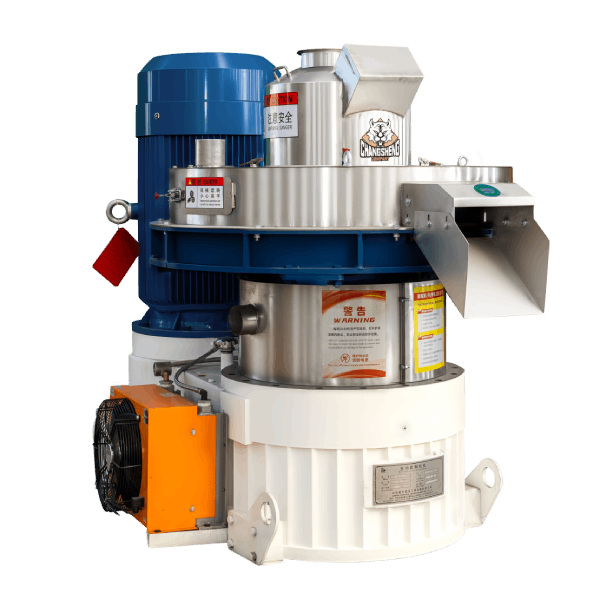
Page SEO Summary: This comprehensive sourcing guide helps international buyers find and evaluate pellet mill factories in China—covering industry overview, factory verification, evaluation criteria, and procurement best practices.
China is the world’s largest manufacturer of pellet mills and pellet production equipment. For international buyers, sourcing directly from a Chinese factory offers significant cost advantages, access to a wide range of equipment, and the opportunity to build long-term supplier relationships.
However, navigating the Chinese manufacturing landscape requires knowledge, due diligence, and a systematic approach. This guide provides a comprehensive framework for sourcing from pellet mill factories in China.
China’s Pellet Mill Manufacturing Industry
Industry Scale
Aspect
Detail
Global position
World’s largest manufacturer
Number of manufacturers
Hundreds of active factories
Product range
Small machines to large industrial lines
Export volume
Significant; equipment exported worldwide
Supply chain
Complete domestic supply chain
Export experience
10-20+ years for established factories
Key Manufacturing Regions
Region
Key Cities
Specialization
Characteristics
Shandong
Dezhou, Linyi, Jinan
Pellet mills, complete lines
Largest cluster; integrated supply chain
Henan
Zhengzhou, Xinxiang
Agricultural machinery; feed mills
Good value; strong supply chain
Jiangsu
Changzhou, Jiangyin
High-end equipment; advanced manufacturing
Higher quality; export focus
Guangdong
Guangzhou, Dongguan
Export manufacturing; packaging systems
Logistics advantage
Why Shandong Is the Largest Cluster
Factor
Advantage
Supply chain integration
Foundries, machine shops, assembly within 150 km
Skilled workforce
Generations of manufacturing experience
Industry concentration
Critical mass of suppliers and customers
Export infrastructure
Proximity to Qingdao and Tianjin ports
Cost advantage
Competitive labor and material costs
Types of Chinese Pellet Mill Factories
Factory Classification
Type
Description
Headcount
Typical Products
Large integrated factory
Owns foundry, machining, assembly, R&D
100-500+
Full range; complete lines
Mid-sized factory
Owns assembly; some in-house production
30-100
Standard machines
Specialist factory
Focused on specific equipment
20-50
Niche products
Small workshop
Basic assembly; limited capability
5-20
Basic machines
Capability Comparison
Capability
Large Factory
Mid-Sized
Small Workshop
Casting/foundry
Often in-house
Subcontracted
No
Machining
In-house
Partial
No
Assembly
In-house
In-house
In-house
Engineering
Full team
Limited
Minimal
R&D
Yes
Minimal
No
Quality control
Systematic
Basic
Minimal
Export documentation
In-house
In-house
Limited
Factory vs. Trading Company
How to Identify a Real Factory
Indicator
Genuine Factory
Trading Company
Factory address
Specific, verifiable industrial address
Often vague or generic
Factory photos/videos
Detailed, specific, current
Generic or stock images
Engineering staff
Mentioned and accessible
Sales staff only
Technical questions
Answered knowledgeably
Vague or redirected
Product range
Focused, consistent
Broad, sometimes inconsistent
Years in business
Typically longer
Can be recent
Factory visit
Welcome
Hesitant
Verification Questions
Question
What to Look For
“Can you show me your factory?”
Specific video tour
“What is your main production line?”
Specific product focus
“What is your production capacity?”
Concrete numbers
“How many workers do you have?”
Specific number
“Can I visit your factory?”
Welcome response
“What certifications do you have?”
ISO; CE
Factory Evaluation Criteria
1. Manufacturing Capability
Criterion
What to Check
How to Verify
Factory size
Production capacity
Photos; video tour
Production equipment
Quality of machinery
Factory visit
Production lines
Quantity and capability
Ask about capacity
Component sourcing
Where components come from
Component list
Inventory
Stock levels
Check inventory area
2. Technical Capability
Criterion
What to Check
How to Verify
Engineering team
Size and expertise
Ask about engineering
Product design
Equipment quality
Review specifications
Customization ability
Flexibility
Discuss custom requirements
R&D
Innovation
Ask about developments
3. Quality Assurance
Criterion
What to Check
How to Verify
ISO certification
Quality management
Request certificate
CE certification
European compliance
Request certificate
Component brands
Quality of components
Component list
Testing
Pre-shipment inspection
Discuss process
Warranty
Duration and coverage
Review terms
4. Commercial Capability
Criterion
What to Check
How to Verify
Export experience
Countries and volume
Export list; references
Financial stability
Business longevity
Registration check
Communication
Responsiveness and clarity
Test during inquiry
Documentation
Export documents
Request samples
Factory Verification Methods
For Remote Buyers
Method
Effectiveness
How to Do It
Video factory tour
Very High
Schedule video call; see entire production floor
Detailed photos
High
Request specific photos
Google Maps/Earth
Moderate
Verify address and facility size
Third-party inspection
Very High
Hire inspection company
Reference checks
High
Contact other international customers
Certification verification
High
Verify through official channels
Video Tour Checklist
□ Production floor visible (not just office)
□ Manufacturing equipment seen (not just assembly)
□ Quality control area visible
□ Workers seen (not empty workshop)
□ Component storage seen
□ Finished machines visible
□ Factory address matches listing
□ Environment appears professional
For Buyers Who Can Visit
Activity
What to Check
Factory tour
Production equipment; cleanliness; organization
Meet engineering team
Technical capability
Quality control
Inspection processes; testing
Inventory
Spare parts; component stock
Current production
Quality of machines being built
Procurement Process from China
Step-by-Step Guide
Step
Activity
Timeline
1
Research and identify factories
1-2 weeks
2
Initial contact and inquiry
1 week
3
Preliminary assessment
1 week
4
Factory verification
2-4 weeks
5
Shortlist and detailed evaluation
2 weeks
6
Quotation and negotiation
1-2 weeks
7
Contract and payment
1-2 weeks
8
Production and quality control
4-12 weeks
9
Shipping and logistics
2-6 weeks
Risk Management
Common Risks
Risk
Mitigation
Factory vs trading company
Factory verification
Quality issues
Clear specifications; pre-shipment inspection
Delivery delays
Milestone payments; clear schedule
Communication issues
Written confirmation; key contact
Hidden costs
Detailed scope; exclusions list
Warranty execution
Clear warranty terms; retention payment
Red Flags
Red Flag
What It May Indicate
No verifiable factory
Trading company
Too good to be true price
Quality compromised
Vague technical responses
Limited capability
Reluctance to provide references
Poor reputation
No warranty details
Support issues
Pressure to buy
Potential problems
Procurement Checklist: China Factory Sourcing
Pre-Sourcing
□ Product requirements defined
□ Target price range established
□ Required certifications known
Factory Discovery
□ 10-20 potential factories identified
□ Initial contact made
□ Factory address verified
Factory Verification
□ Video factory tour completed
□ Business license reviewed
□ Certifications verified
□ References contacted
Commercial Phase
□ Detailed quotation received
□ Component brands confirmed
□ Payment terms negotiated
□ Delivery terms confirmed
□ Warranty terms reviewed
Quality Control
□ Specifications clearly defined
□ Pre-shipment inspection arranged
□ Quality standards documented
Frequently Asked Questions
1. What is a pellet mill factory in China?
A pellet mill factory in China is a manufacturing facility that produces pellet mills and related equipment. The best factories have in-house foundries, machining, assembly, and engineering capabilities.
2. How do I find a real pellet mill factory in China?
Use B2B platforms, industry referrals, and trade shows. Always verify with video tours, address checks, and technical questions. Shortlist 3-5 factories for detailed evaluation.
3. How can I tell if a Chinese company is a real factory?
Check for a verifiable factory address, request video tours, test technical knowledge, look for consistency in product range, and verify business license.
4. What are the major manufacturing regions in China?
Shandong (Dezhou, Linyi) is the largest cluster. Other regions include Henan (Zhengzhou), Jiangsu (Changzhou), and Guangdong (Guangzhou, Dongguan).
5. How much can I save by buying from a Chinese factory?
Typically 30-50% compared to buying through local distributors or trading companies. Direct factory prices are the base price.
6. What certifications should a Chinese factory have?
ISO 9001 is the most important quality certification. CE certification is important for European markets. Additional certifications may be required.
7. What is the typical lead time from a Chinese factory?
Zhang Wei has over 12 years of experience in the biomass and feed pellet mill industry, with a background in mechanical engineering and international project execution. He has helped clients across Southeast Asia, the Middle East, Africa, Europe, and Latin America source from Chinese pellet mill factories.
With hands-on experience in both the manufacturing workshop and client-side operations, Zhang brings practical insights into successful equipment procurement—from the factory floor to the customer’s site.