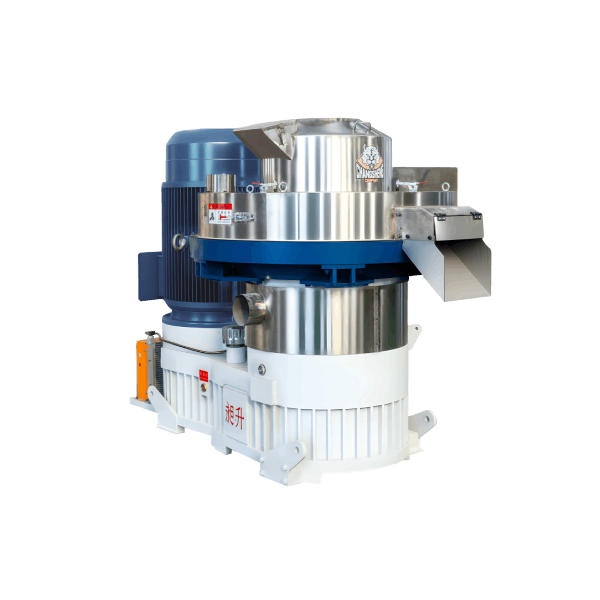
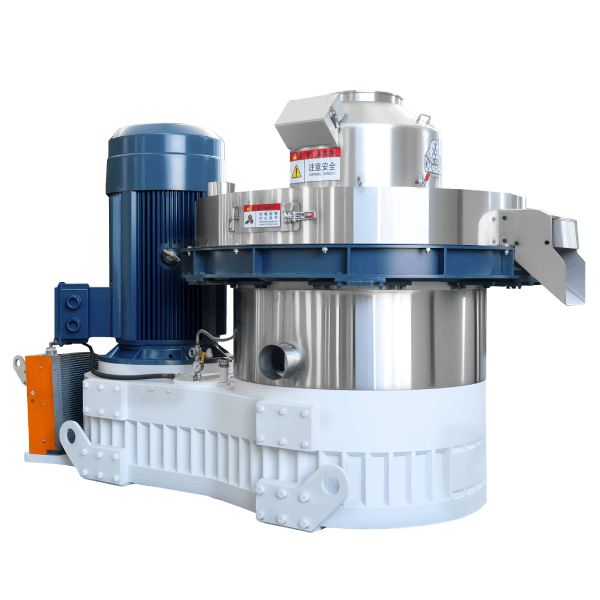
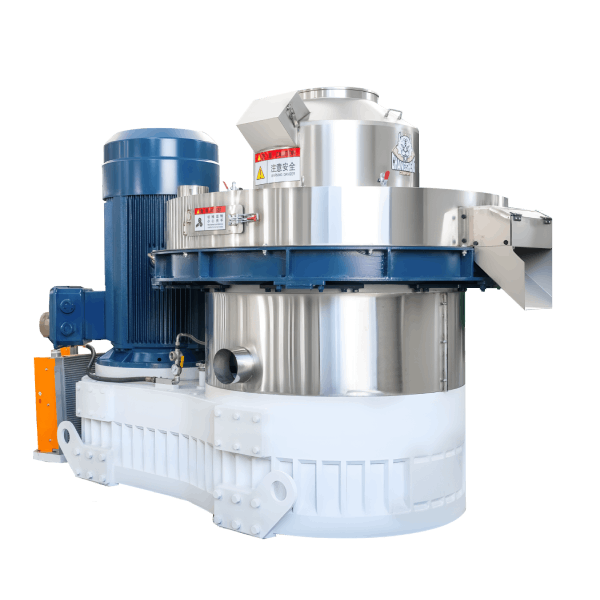
Pellet Machine Keeps Jamming: How to Diagnose and Fix Repeated Jamming Step by Step
News 2026-10-10
A pellet machine keeps jamming is a different problem from a pellet machine that does not feed. Repeated jamming means the machine runs, produces pellets for a period, then blocks. It may recover after cleaning, then block again. This pattern points to a recurring cause, not to a single fault.
The practical question for an operator or maintenance engineer is not which part is broken. The real question is what condition changes during operation that causes the die chamber to block again. This guide answers that question in order.
This page is written for plant operators, maintenance engineers, and procurement managers who need to diagnose repeated jamming without replacing the whole machine. It covers the definition of jamming, the common causes, a step-by-step diagnosis, the difference between flat die and ring die jamming behavior, the difference between feed pellet and biomass pellet jamming behavior, cold climate and humid climate effects, and the operating and design changes that prevent jamming from returning. For the feeding-specific problem, see the pellet mill not feeding page on this site. For the general machine concept, see the pellet mill page on this site. For ring die machine details, see the ring die pellet machine page on this site.
What “Keeps Jamming” Actually Means
“Keeps jamming” is used to describe several different symptoms. They should be separated before diagnosis begins.
The die chamber blocks during production, then recovers after cleaning.
The die chamber blocks during startup, before steady output.
The die chamber blocks when the feedstock changes, but runs normally on the previous feedstock.
The die chamber blocks at a specific feed rate, but runs at lower rate.
The die chamber blocks after a period of stable operation, at what appears to be the same setting.
The die chamber blocks after a shutdown, at the next startup.
Each pattern points to a different cause. Treating them as one problem leads to unnecessary part replacement and to repeated downtime.
The Jam Chain: Where Blockage Forms
Material moves through several stages before it reaches the die. Each stage can contribute to a jam.
Feedstock moisture and particle size.
Hopper and feeder.
Feeder discharge into the die chamber.
Die chamber and roller pick-up zone.
Die holes and compression zone.
Cooling and die temperature balance.
A jam usually forms in the die chamber, but the cause may be upstream or downstream. Diagnosis should follow the material path in order.
Die Hole Blockage vs Die Chamber Blockage
These two conditions are often described with the same word, but they are different and require different treatment.
Die hole blockage is a condition where individual die holes are blocked with hardened material. Material in the die chamber is not compacted, but the die holes cannot pass material. This condition is usually caused by moisture, wrong compression ratio, or a long shutdown without cleaning. Die hole blockage reduces output and increases die pressure, and in severe cases it causes the die chamber to fill up.
Die chamber blockage is a condition where the die chamber itself is filled with compacted material, and the rollers cannot press it through the die. This condition is usually caused by feed rate too high, roller clearance out of adjustment, or die temperature too low. Die chamber blockage stops production and often requires opening the die chamber to clear.
The two conditions can occur together, but they should be diagnosed separately. Die hole blockage is usually cleared by punching the die holes with the correct tool. Die chamber blockage is usually cleared by removing compacted material from the chamber before resuming production at reduced rate.
Flat Die vs Ring Die Jamming Behavior
The jamming behavior differs between flat die and ring die machines.
A flat die machine uses a flat plate die. The die chamber is open and material distribution depends on gravity and roller rotation. Flat die machines tend to jam when material is unevenly distributed across the die, when the feeder discharges too much at one point, or when moisture is too high. Flat die jamming is often visible from the top of the die and can usually be cleared from the top.
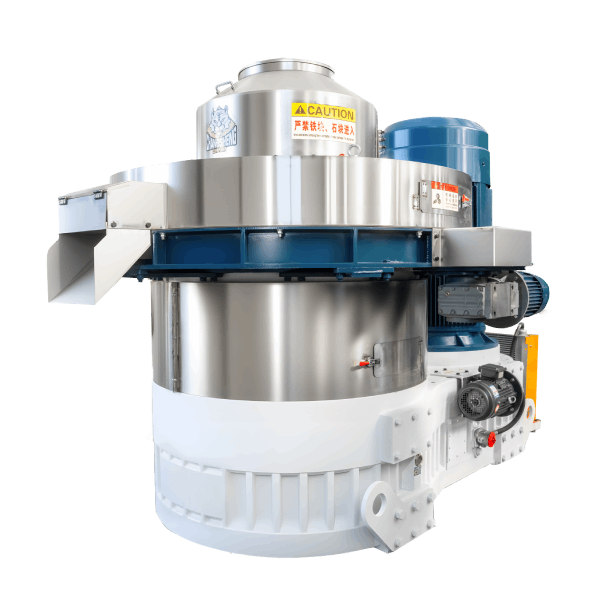
A ring die machine uses a vertical ring die. Material is fed into the center of the ring, and rollers press it outward against the die. Ring die machines tend to jam when the feed window between the rollers is blocked, when the feeder is misaligned, or when moisture or particle size is out of range. Ring die jamming can be more difficult to clear because the die chamber is enclosed, and the die must be accessed from the side.
In practice, a jam that looks the same on the operator panel may have different causes on a flat die machine and on a ring die machine. The diagnosis should start by confirming which machine type is in use, and by checking how the jam formed.
Feed Pellet vs Biomass Pellet Jamming Behavior
The jamming behavior also differs between feed pellet and biomass pellet production.
Feed pellets usually use steam conditioning. The material enters the die chamber warm and with a controlled moisture. This improves binding and reduces friction, but it also makes the material stickier. Feed pellet jamming is usually related to conditioner performance, moisture consistency, and die temperature balance.
Biomass pellets usually rely on friction heat generated in the die. The material enters the die chamber at ambient temperature. Biomass materials are often more fibrous, lower in bulk density, and more variable in moisture. Biomass pellet jamming is usually related to moisture variation, particle size variation, die compression ratio, and die temperature balance.
A configuration that works well for feed pellets may not work well for biomass pellets, and vice versa. The die, compression ratio, and operating procedure should be selected based on the actual application.
Cold Climate and Humid Climate Jamming Problems
Climate affects jamming behavior.
In cold climate, material can freeze or become stiff, especially if it contains high moisture. Frozen lumps do not soften in the die, and they can block the die chamber. Condensation can also form on cold metal surfaces and cause material to stick. Cold climate jamming is usually related to material temperature, condensation, and insufficient die warm-up.
In humid climate, material can absorb moisture from the air during storage and feeding. This increases stickiness, reduces friction in the die, and lowers die temperature. Humid climate jamming is usually related to moisture regain, hopper design, and ventilation.
In both climates, moisture should be checked at the feeder inlet, not only at storage, because material conditions can change between storage and feeding.
Common Causes of Repeated Jamming
Moisture Too High
High moisture is the most common cause of repeated jamming. Wet material compresses poorly, sticks in the die chamber, and blocks die holes. High moisture also reduces friction in the die, which lowers die temperature and weakens pellets. In repeated jamming, moisture is often slightly above the suitable range rather than far above it, which makes the problem hard to see from a single check. The effect depends on feedstock type, die specification, and feeder design.
Moisture Too Low
Very dry material is less common as a jamming cause, but it can cause jamming when combined with fine particle size and high die temperature. Dry, fine material can compact into hard plugs in the die chamber and block the feed window. It also increases fines and reduces pellet durability. The effect depends on feedstock type, particle size, and ambient humidity.
Particle Size Out of Range
Fine material tends to compact into lumps and to block the feed window. Coarse material tends to separate and to feed unevenly, which causes local overload. Both cause repeated jamming when the feedstock is not consistent. The correct range depends on feeder design and die specification.
Die Compression Ratio Mismatch
If the die compression ratio is too high for the feedstock, the material cannot pass through the die easily, and the die chamber fills up. If the compression ratio is too low, pellets are weak and fines increase, which can also cause jamming in the feed window. The correct compression ratio depends on feedstock density, fiber content, and moisture. In many cases, compression ratio mismatch shows up first as low output, and only later as jamming. Compression ratio should be confirmed with a pelletizing test, and the correct value is project-specific.
Die Temperature Out of Range
Die temperature is generated by friction during pelletizing. If the temperature is too low, the material does not soften enough and the die chamber fills up. If the temperature is too high, the material can scorch and stick to the die. Repeated jamming often appears when die temperature drifts during production, especially after a feedstock change or a feed rate change. The correct range depends on feedstock and die specification, and should be confirmed with a pelletizing test.
Roller Clearance Out of Adjustment
If roller clearance is too large, rollers do not grip the material, and it accumulates in the die chamber. If clearance is too small, rollers and die wear faster and motor load rises. Both conditions cause repeated jamming. Roller clearance should be set according to the supplier procedure, and the exact value depends on die size, roller size, feedstock, and machine design.
Feeder Rate Too High or Too Low
If the feeder rate is too high, the die chamber receives more material than it can press through the die. If the rate is too low, die temperature drops and the material does not soften. Both cause repeated jamming. The correct feed rate depends on feedstock, moisture, and die specification.
Feeder rate and die temperature form a feedback loop. A higher feed rate increases friction and raises die temperature. A lower feed rate reduces friction and lowers die temperature. In stable production, the operator adjusts feed rate to keep die temperature within the target range. In practice, feed rate should be increased or decreased in small steps, and die temperature should be observed before the next adjustment.
Feeder Position and Alignment
On a ring die machine, off-center discharge causes uneven die load and local jamming. On a flat die machine, incorrect discharge height causes uneven material distribution across the die. Feeder position should be checked against the supplier drawing.
Blocked or Worn Die Holes
Blocked die holes cause the die chamber to fill up and jam. Worn die holes cause uneven compression and unstable output. Both conditions cause repeated jamming, especially after a period of production. Die hole condition should be checked at planned intervals, and blocked holes should be cleared with the correct tool.
Motor Overload and Protection Trips
If the motor trips on overload, the die chamber may still contain material, and the next startup may jam. Overload can be caused by feed rate, hard material, wrong die, low voltage, or worn bearings. Motor current should be compared against the motor nameplate and against the normal operating current for the current feedstock. Normal operating current should be taken from a stable production record for the same feedstock and die.
Insufficient or Excessive Cooling
If cooling is insufficient, pellets remain soft and can block the discharge. If cooling is excessive, pellets become brittle and produce more fines, which can also cause problems in the feed window.
Wrong Startup and Shutdown Procedure
Starting the mill with material already in the die chamber, feeding a cold die at full rate, or shutting down without running out the die all cause repeated jamming. Operating procedure is often overlooked because the machine itself is fine.
Step-by-Step Diagnosis
The diagnosis should follow the jam chain in order.
Step 1: Confirm the Pattern
Record exactly when the jam occurs. Does it occur at startup, at steady state, after a feedstock change, or after a shutdown? Write down the sequence, because the sequence points to the cause.
Step 2: Check Feedstock Conditions
Check moisture at the feeder inlet, not only at storage. Check particle size distribution. Check for contamination. If the feedstock changed recently, this is the first place to look. Where steam conditioning is used, also check conditioner temperature and steam pressure, because feedstock moisture at the feeder inlet may differ from moisture after conditioning.
Step 3: Check the Hopper and Feeder
Look for bridging and rat-holing. Check feeder screw wear and discharge opening. Check the variable frequency drive setting. Check feeder position and alignment.
Step 4: Check the Die Chamber and Rollers
Stop the mill and lock out the power. Open the die chamber. Check whether material is compacted in the chamber. Check roller clearance against the supplier specification. Check roller condition and die hole condition. Check for blocked die holes.
Die chamber cleaning should follow the supplier procedure. The general sequence is: lock out the power, remove the die chamber cover, remove compacted material with the correct tool, clear blocked die holes with the correct punch, inspect the die and rollers, and reassemble with the correct torque. Do not use force on the die surface, do not use water or solvent unless the supplier approves it, and do not leave the die chamber open longer than necessary.
Die hole cleaning should use the correct punch size for the die hole diameter. Using the wrong punch can damage the die hole surface. Die hole cleaning should be done with the power locked out, and the die should be cleaned from the inside toward the outside where possible. Do not use hardened steel tools that can chip the die surface.
Step 5: Check Die Temperature
Check the die temperature during stable production and during the period before the jam. Compare against the normal operating range for the current feedstock. If die temperature drifts down before a jam, moisture or feed rate may be too high. If it drifts up before a jam, feed rate may be too low or the die may be worn.
During startup, die temperature rises from ambient to the target range. During steady-state production, die temperature should stay within the target range. The control objective is different in the two phases: during startup, the goal is to reach the target range without overheating; during steady-state, the goal is to stay within the target range without drifting.
Step 6: Check the Motor and Electrical System
Check motor current at no load and at load. Compare against the motor nameplate and against the normal operating current for the current feedstock. Check voltage and frequency. Check overload protection settings. Check for worn bearings or unusual vibration.
Step 7: Check the Operating Procedure
Review the startup procedure, the feed rate ramp-up, and the shutdown procedure. Check whether the operator is running at the correct feed rate for the current moisture and particle size. Check whether the die is being warmed up before full rate is applied. Check whether the die is being run out at shutdown.
Step 8: Check Compression Ratio and Die Selection
Compare the current die compression ratio against the supplier recommendation for the feedstock. If the feedstock changed and the die did not change, the compression ratio may now be wrong. Confirm the correct die selection with a pelletizing test.
Decision Guide: What to Do Next
If the feedstock is out of specification, correct moisture or particle size before adjusting the mill.
If the die compression ratio is wrong, replace the die with the correct specification for the current feedstock. Die replacement should be done with the power locked out, using the correct lifting equipment, and following the supplier’s torque and alignment procedure.
If roller clearance is wrong, adjust clearance according to the supplier procedure. Roller clearance adjustment should be done with the power locked out, using the correct feeler gauge or clearance tool, and following the supplier’s torque and locking procedure.
If die holes are blocked, clean the die and correct the moisture or compression ratio.
If the feed rate is wrong, adjust feed rate to match the current moisture and die temperature. Adjust in small steps and observe die temperature before the next adjustment.
If the feeder position is wrong, adjust it according to the supplier drawing.
If the motor trips, check feed rate, material hardness, die condition, voltage, and overload settings before replacing the motor.
If the operating procedure is wrong, retrain operators and update the startup and shutdown procedure.
Preventive Measures
Repeated jamming can be prevented with a few routine practices.
Test feedstock moisture and particle size before every production run, or at least at each feedstock change.
Match the die compression ratio to the actual feedstock.
Warm up the die before applying full feed rate.
Run out or clean the die at shutdown to prevent hardening overnight.
Check roller clearance and die condition at planned intervals.
Keep a log of feedstock, moisture, feed rate, die temperature, motor current, and output, so that changes are visible before they become failures.
Keep spare die and roller components on site for quick replacement.
Review the feeder position and alignment after any maintenance.
Effect on Energy Consumption, Die Life and Pellet Quality
Repeated jamming increases energy consumption and reduces die life. When the die chamber blocks, the motor continues to draw power while producing no output. When the die chamber fills up, part of the die works harder than the rest, which accelerates local wear and shortens die life. When the die overheats during a jam, the die surface can lose hardness, which further reduces die life.
Repeated jamming also affects pellet quality. When the machine blocks and restarts, pellet durability typically drops and fines increase, because die temperature is not stable and because partially processed material is mixed with fresh material. This affects both the value of the finished product and the cost per ton. For this reason, repeated jamming should be corrected quickly, not only for output reasons but also for cost per ton, die replacement frequency, and pellet quality.
When to Call the Supplier
Contact the supplier if the die chamber is blocked with hardened material, if die holes cannot be cleared, if motor current is abnormal at no load, if the gearbox or main shaft shows unusual vibration, if the die compression ratio appears wrong for the feedstock, or if the jamming returns after corrective action. These conditions require technical support, and often require a new die or feeder configuration.
Frequently Asked Questions
Why does my pellet machine keep jamming?
Repeated jamming is usually caused by moisture out of range, particle size out of range, die compression ratio mismatch, die temperature out of range, roller clearance out of adjustment, feeder rate out of range, feeder position out of alignment, blocked die holes, or wrong startup and shutdown procedure. Diagnosis should follow the jam chain from feedstock to die chamber.
Can moisture cause repeated jamming?
Yes. Moisture slightly above the suitable range is one of the most common causes of repeated jamming. Wet material compresses poorly, sticks in the die chamber, blocks die holes, and lowers die temperature. Moisture should be checked at the feeder inlet, not only at storage.
Can die temperature cause jamming?
Yes. If die temperature is too low, material does not soften enough and the die chamber fills up. If die temperature is too high, material can scorch and stick to the die. Die temperature should be monitored during production, and feed rate should be adjusted in small steps to keep it within the target range. During startup, the goal is to reach the target range; during steady-state, the goal is to stay within the target range.
How do I check if the die compression ratio is the problem?
Compare the current die compression ratio against the supplier recommendation for the feedstock. If the feedstock changed and the die did not change, the compression ratio may now be wrong. In many cases, compression ratio mismatch shows up first as low output, and only later as jamming. The correct die selection should be confirmed with a pelletizing test.
What should I do if the die chamber is blocked?
Stop the mill, lock out the power, and clean the die chamber and die holes according to the supplier procedure. Die hole cleaning should use the correct punch size. Then correct the moisture, compression ratio, or feed rate that caused the blockage, and run the mill at reduced rate until output is stable.
How can I prevent repeated jamming in the future?
Test feedstock moisture and particle size before each run, match the die compression ratio to the feedstock, warm up the die before full rate, run out or clean the die at shutdown, check roller clearance and die condition at planned intervals, and keep a log of feedstock, feed rate, die temperature, motor current, and output.