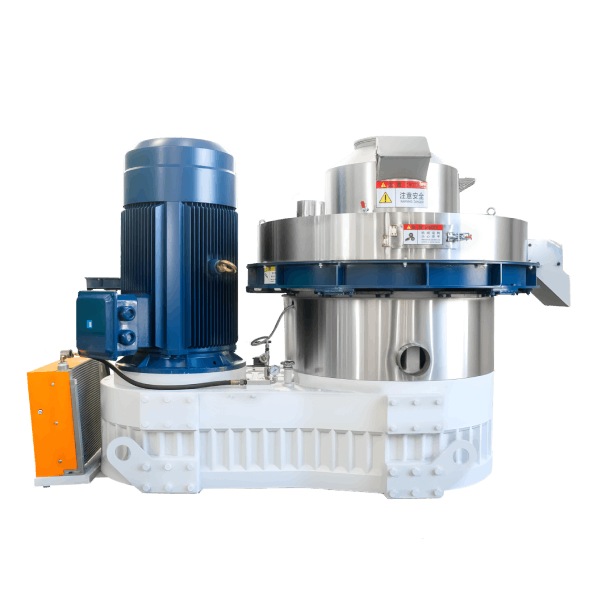
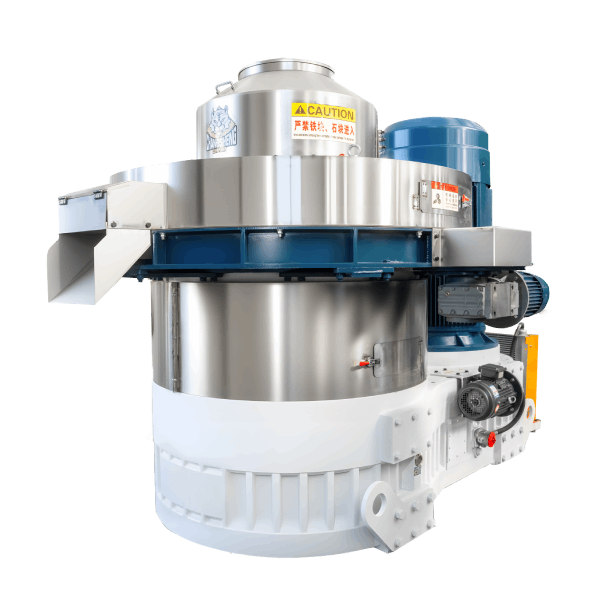
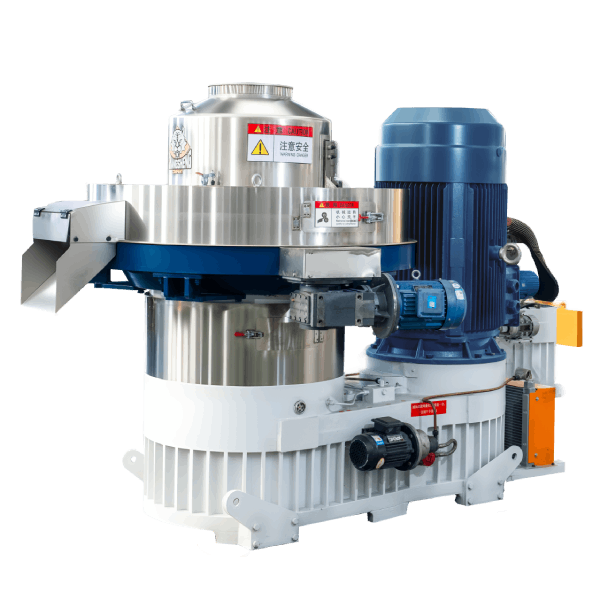
Pellet Mill for Farmer: Selection, Cost and Buying Guide
News 2026-09-15
This article helps overseas farmers, procurement managers, and importers choose a pellet mill for farmer use. It covers raw material suitability, flat die vs ring die, capacity matching, cost and payback, common problems, supplier checks, and import risks. The goal is to reduce purchase risk and improve project success.
Pellet Mill for Farmer: How to Choose the Right Machine, Avoid Costly Mistakes, and Protect Your Investment
If you are a farmer, ranch owner, cooperative manager, or agricultural contractor, a pellet mill for farmer use is not just a piece of equipment. It is a long-term production asset. The wrong choice can lead to blocked dies, high power consumption, poor pellet quality, frequent downtime, and a payback period that never arrives.
This guide is written for buyers who need practical answers, not sales language. It covers raw material suitability, flat die vs ring die selection, capacity matching, power supply, cost analysis, maintenance planning, supplier verification, and import risks. The goal is simple: help you choose a pellet mill that fits your farm, your feedstock, your electricity, and your budget.
Why Farmers Invest in a Pellet Mill
Farmers usually invest in pelletizing for one or more of the following reasons:
- Reduce feed waste and improve feed intake
- Turn agricultural residues into usable fuel or bedding
- Increase storage density and reduce transport cost
- Create a new revenue stream by selling pellets locally
- Improve feed consistency for poultry, cattle, sheep, or aquaculture
- Use on-farm waste such as straw, rice husk, sawdust, or manure
However, the decision should not be based only on the machine price. The real cost includes raw material preparation, moisture control, power supply, labor, spare parts, and maintenance. A pellet mill for farmer use must match the whole production chain, not just the pelletizing step.
Step 1: Check Your Raw Material Before Choosing a Machine
The most common mistake is buying a pellet mill before confirming whether the raw material can be pelletized economically. Different materials behave very differently in a pellet mill.
Raw Material: Alfalfa, hay, straw
Typical Moisture: 12 to 18 percent
Pelletizing Difficulty: Medium
Key Risk: Fiber content, die wear
Raw Material: Corn stover, rice husk
Typical Moisture: 12 to 15 percent
Pelletizing Difficulty: Medium to High
Key Risk: Low binding, high ash
Raw Material: Sawdust, wood shavings
Typical Moisture: 10 to 15 percent
Pelletizing Difficulty: Medium
Key Risk: Lignin content, moisture
Raw Material: Poultry manure, manure mix
Typical Moisture: 15 to 25 percent
Pelletizing Difficulty: High
Key Risk: Odor, corrosion, drying cost
Raw Material: Compound feed
Typical Moisture: 12 to 14 percent
Pelletizing Difficulty: Low to Medium
Key Risk: Formulation, fat content
Before requesting a quotation, prepare the following information:
- Raw material type and mix ratio
- Moisture content after drying or conditioning
- Target pellet size, usually 4 to 8 mm for feed or 6 to 10 mm for fuel
- Required output per hour or per day
- Available voltage, phase, and frequency
- Whether the farm needs a complete line or only the pellet mill
Engineering note: A pellet mill can only produce good pellets when the raw material is within a suitable moisture range, usually 12 to 16 percent depending on material. If the material is too wet, pellets will be soft and the die may block. If too dry, the material may not bind well and power consumption may rise. The exact range also depends on raw material type, die compression ratio, ambient temperature, and local humidity.
Step 2: Flat Die or Ring Die? Choose by Farm Scale and Feedstock
This is the most important technical decision for a pellet mill for farmer use.
Comparison: Typical capacity
Flat Die Pellet Mill: 50 to 800 kg/h
Ring Die Pellet Mill: 1 to 20 t/h
Comparison: Best for
Flat Die Pellet Mill: Small farm, start-up, varied materials
Ring Die Pellet Mill: Commercial feed or fuel production
Comparison: Die structure
Flat Die Pellet Mill: Horizontal or vertical flat die
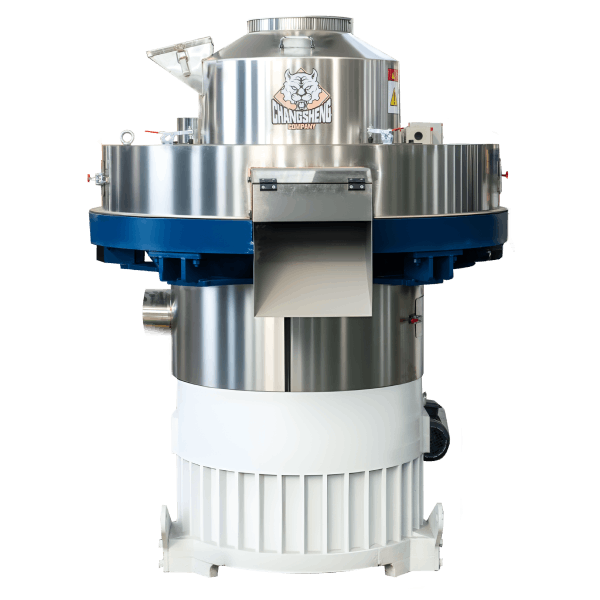
Ring Die Pellet Mill: Vertical ring die
Comparison: Material adaptability
Flat Die Pellet Mill: Good for small batches and mixed materials
Ring Die Pellet Mill: Better for large volume, uniform material
Comparison: Pellet quality
Flat Die Pellet Mill: Acceptable for farm use
Ring Die Pellet Mill: Higher density and durability
Comparison: Investment
Flat Die Pellet Mill: Lower
Ring Die Pellet Mill: Higher
Comparison: Maintenance
Flat Die Pellet Mill: Simple, lower cost
Ring Die Pellet Mill: More complex, higher cost
Comparison: Power requirement
Flat Die Pellet Mill: Usually 15 to 45 kW
Ring Die Pellet Mill: Usually 55 to 160 kW or more
Practical recommendation:
- If your farm needs less than 500 kg/h and uses different materials, a flat die pellet mill is often more practical.
- If you need 1 t/h or more and produce consistently, a ring die pellet mill is usually more efficient.
- If you are new to pellet production, start with a smaller flat die machine to learn the process before scaling up.
Note: Capacity and power figures depend on raw material density, moisture, die condition, feeder setting, and local voltage stability. Actual output may be lower than rated output under real farm conditions.
Step 3: Match Capacity to Your Real Daily Demand
Many buyers overestimate capacity and underestimate downtime. A machine rated at 500 kg/h may produce only 300 to 400 kg/h in real farm conditions after moisture variation, material preparation, and operator breaks.
Farm Scale: Small farm or hobby
Daily Need: 100 to 300 kg/day
Recommended Capacity: 50 to 150 kg/h
Typical Machine Type: Flat die, 7.5 to 15 kW
Farm Scale: Family farm
Daily Need: 300 to 800 kg/day
Recommended Capacity: 150 to 400 kg/h
Typical Machine Type: Flat die, 15 to 30 kW
Farm Scale: Medium farm or cooperative
Daily Need: 1 to 3 t/day
Recommended Capacity: 400 to 800 kg/h
Typical Machine Type: Flat die or small ring die, 30 to 55 kW
Farm Scale: Commercial farm or small plant
Daily Need: 3 to 10 t/day
Recommended Capacity: 1 to 3 t/h
Typical Machine Type: Ring die, 55 to 110 kW
Farm Scale: Industrial feed or fuel plant
Daily Need: 10 t/day and above
Recommended Capacity: 3 to 20 t/h
Typical Machine Type: Ring die, 110 to 250 kW
Rule of thumb: Calculate your daily demand, then divide by the actual working hours you can realistically operate. If you plan to run 8 hours per day, choose a capacity about 20 to 30 percent higher than your hourly need. This buffer absorbs material changes, maintenance, and operator fatigue.
Step 4: Understand the Key Technical Parameters
When reviewing a quotation for a pellet mill for farmer use, do not focus only on price. Check these parameters carefully:
Die diameter and compression ratio: Determines pellet hardness and material adaptability. Different materials require different compression ratios.
Roller and die material: Alloy steel or stainless steel affects wear life. Ask for hardness and expected working hours.
Main motor power: Must match capacity and raw material density. Undersized motors cause overload and blockages.
Feeder and conditioner: Important for uniform feeding and moisture control. Steam conditioning improves pellet quality but adds cost.
Pellet size range: Usually 2 to 12 mm depending on die. Confirm your target size before ordering.
Cooler and sieving: Needed if you produce more than 500 kg/h or require durable pellets.
Voltage, phase, frequency: Must match your local power supply. This is a common import mistake.
Spare parts availability: Dies, rollers, bearings, and belts should be standard and easy to source.
Engineering warning: A pellet mill rated at a certain capacity under ideal conditions may not reach that output with high-fiber or high-moisture materials. Always ask the supplier to specify the rated capacity under your actual raw material and moisture condition. Also confirm whether the quoted power refers to the main motor only or the total connected load.
Step 5: Calculate the Real Cost and Payback Period
The purchase price is only one part of the total cost. A realistic cost analysis should include:
Cost Item: Machine purchase
Typical Consideration: Flat die lower, ring die higher
Impact on Payback: Initial investment
Cost Item: Drying and grinding
Typical Consideration: Crusher, dryer, mixer
Impact on Payback: Often 30 to 50 percent of total line cost
Cost Item: Power consumption
Typical Consideration: 15 to 160 kW depending on capacity
Impact on Payback: Major ongoing cost
Cost Item: Labor
Typical Consideration: 1 to 3 operators depending on automation
Impact on Payback: Affects daily operating cost
Cost Item: Spare parts
Typical Consideration: Dies, rollers, bearings, belts
Impact on Payback: Periodic replacement cost
Cost Item: Maintenance and downtime
Typical Consideration: Schedule and repair time
Impact on Payback: Affects annual output
Labor cost should be calculated based on local wage levels. Higher automation reduces the number of operators needed but increases initial investment. Farmers should weigh this against their own labor situation.
Dies and rollers are wear parts. Different raw materials cause very different wear rates. High-fiber and high-ash materials significantly shorten die life. Before purchase, ask the supplier about expected die working hours under similar raw materials, and confirm spare part prices and lead times.
Downtime losses are often overlooked. If the pellet mill stops due to blockage, die damage, or power issues, the entire production line is affected. Choosing a machine with simple structure, easy maintenance, and commonly available spare parts can significantly reduce downtime.
How to estimate payback period:
First, calculate the production cost per ton of pellets, including raw material, electricity, labor, depreciation, and maintenance. Then compare this with the local market price of pellet feed or fuel. The difference multiplied by annual output gives annual benefit. Divide the total equipment investment by the annual benefit to get the approximate payback period.
Note that the actual payback period is strongly affected by raw material price, electricity price, sales volume, and equipment utilization rate. Use conservative data for calculation to avoid overestimating returns.
Step 6: Common Problems and How to Avoid Them
The most common problems in pellet mill operation include:
Blockage. Main causes include raw material moisture too high, feeding speed too fast, die compression ratio mismatch, and unstable voltage. The solution is to start with raw material pretreatment, control moisture, feed evenly, and choose a die suitable for the material.
Poor pellet formation and high fines. Usually related to raw material formula, moisture, compression ratio, and cooling effect. Adjust the raw material mix, increase binding components, or change to a die with suitable compression ratio.
Output lower than expected. Besides the machine itself, raw material particle size, moisture, and operator skill all affect output. Low output during the initial startup period is normal and requires a running-in period.
Dies and rollers wear too fast. Besides raw material factors, this is also related to die material, heat treatment process, and roller clearance adjustment. Check clearance regularly and adjust according to operating specifications, avoiding too tight or too loose settings.
Motor overload or tripping. Common causes are excessive feeding, raw material too hard, insufficient voltage, or undersized motor. Ensure stable power supply and operate within rated capacity. Do not run at overload for extended periods.
Excessive noise and vibration. May be caused by loose anchor bolts, damaged bearings, or unbalanced main shaft. Check fasteners and bearing condition regularly.
Step 7: Supplier and Import Checklist for Overseas Buyers
When purchasing a pellet mill from overseas, supplier verification and import procedures are equally important. Complete the following checks before inquiry and order placement:
Confirm whether the supplier has actual production capacity and export experience. Request factory photos, production videos, and export record summaries.
Confirm that equipment parameters are clearly stated in writing, including capacity, power, voltage, frequency, phase, die specifications, and pellet size range.
Confirm spare parts list and prices. Dies, rollers, bearings, belts, and other wear parts should be available for long-term supply.
Confirm packaging and shipping method. Large equipment usually requires reinforced wooden cases or frame boxes. Moisture-proof and rust-proof treatment should be done before sea shipment.
Confirm accompanying documents. These should include operation manual, electrical diagram, wear parts list, and certificate of conformity. Documents should preferably be in English or a buyer-specified language.
Confirm warranty scope and period. Clarify what is covered under warranty, what is considered a wear part, and how responses are handled during the warranty period.
Confirm acceptance method. Pre-shipment test run video acceptance or third-party inspection can be arranged.
Confirm payment terms and delivery time. Common payment methods in international trade include telegraphic transfer and letter of credit, chosen based on amount and trust level.
For import, also note destination country voltage standards, customs codes, tariffs, and certification requirements. Different countries have different safety certification requirements for electrical equipment. Confirm these before purchase.
Step 8: A Practical Case from Farm Use
A medium-sized farm mainly used its own straw and some purchased concentrate to produce cattle and sheep pellet feed. Initially, the farm purchased a small flat die pellet mill with an output of about 200 kg per hour. As the livestock scale expanded, output became insufficient, and the high fiber content of straw caused relatively fast die wear.
Later, the farm upgraded to a ring die pellet mill with output increased to about 1.5 tons per hour, and added crushing, mixing, cooling, and sieving stages. After the upgrade, unit power consumption decreased, pellet density increased, and fines rate dropped significantly. Although initial investment increased, overall operating cost actually decreased because feed self-sufficiency improved and purchased feed was reduced.
This case shows that selection should be combined with long-term planning. If the farm has plans to expand, space for upgrading should be reserved at the initial stage to avoid repeated investment in a short period.
Frequently Asked Questions
Is a pellet mill for farmer use worth the investment?
It depends on your scale, raw material availability, and local pellet price. If you have consistent raw material and can operate the machine regularly, the investment can pay back within a reasonable period. Small farms with irregular production may find it harder to justify.
Can I make pellets from straw or hay on my farm?
Yes, but straw and hay require proper grinding, moisture control, and suitable die compression ratio. Pure straw pellets may be less durable than wood or feed pellets. Mixing with other materials can improve quality.
What is the difference between flat die and ring die for farm use?
Flat die machines are simpler and better for small scale and varied materials. Ring die machines are more efficient at higher capacity and produce denser pellets, but cost more and require more careful operation.
What moisture content is suitable for pelletizing?
Most materials work best at around 12 to 16 percent moisture. The exact range depends on the material. Too wet causes blockage, too dry causes poor binding and higher power consumption.
How much power does a farm pellet mill need?
Small flat die machines typically use 7.5 to 30 kW. Medium machines use 30 to 55 kW. Ring die machines may use 55 to 160 kW or more. Power supply must match the machine requirement.
How long do dies and rollers last?
It depends on material abrasiveness, moisture, and operation. High-fiber or high-ash materials wear dies faster. Under normal feed production, dies may last several hundred to over a thousand hours. Always confirm with the supplier based on your material.
Can I use a pellet mill for both feed and fuel pellets?
In principle yes, but the die compression ratio, moisture control, and downstream equipment differ. It is better to define the primary application before purchase, or choose a machine with interchangeable dies and adjustable process.
What should I check before importing a pellet mill?
Check voltage and frequency, certification requirements, spare parts availability, packaging, shipping terms, warranty, and after-sales support. Also confirm the machine capacity under your actual raw material.
Author Introduction
This article was prepared by a technical content specialist with over ten years of experience in industrial equipment, agricultural processing machinery, and B2B export projects. The author has worked with feed mills, biomass pellet plants, and farm-scale pelletizing projects in multiple regions, and understands the practical challenges buyers face in selection, installation, operation, and maintenance.
The content reflects real engineering practice in pellet mill selection, raw material adaptation, cost analysis, and international procurement. It is intended to help farmers, procurement managers, importers, and project consultants make informed decisions and reduce purchase risk.
Call to Action
If you are planning a farm pellet project and need help confirming machine type, capacity, voltage, or spare parts list, you can request a technical proposal based on your raw material and daily output. Share your material type, moisture, target pellet size, and local power supply, and a suitable configuration can be recommended. You can also request a quotation, ask for general arrangement drawings, or arrange a video factory inspection before making a final decision.