feed pellet production line setup guide
News 2026-02-03
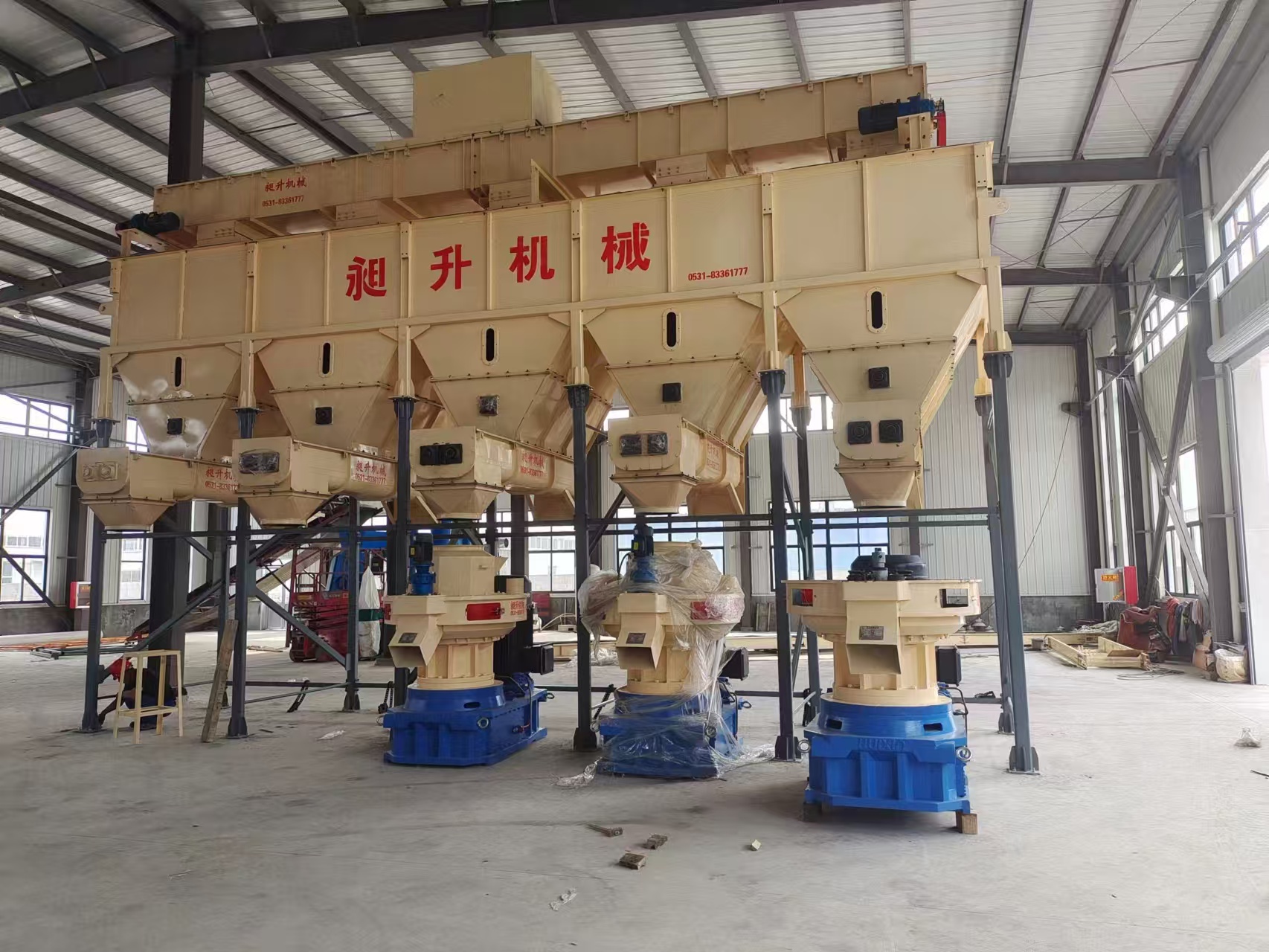
A feed pellet production line is an integrated industrial system used to convert powdered feed raw materials into uniform, nutritionally stable pellets through grinding, mixing, conditioning, pelleting, cooling, and screening. A feed pellet production line setup guide focuses on engineering configuration, equipment matching, and process optimization for commercial feed plants.
Technical Parameters and Specifications
When preparing a feed pellet production line setup guide, the following technical parameters must be defined early, as they directly affect output quality, energy consumption, and overall investment:
- Design capacity: 1–30 tons/hour
- Pellet diameter: 2–8 mm (poultry, livestock, aquaculture)
- Main pellet mill power: 55–315 kW
- Conditioning temperature: 70–90°C
- Moisture content before pelleting: 15–18%
- Finished pellet moisture: ≤12%
- Pellet durability index (PDI): ≥90%
- Control system: PLC with temperature and load monitoring
Structure and Material Composition
A standard feed pellet production line setup guide includes the following structural modules and material configurations:
- Raw material receiving system: Steel silos, belt conveyors, bucket elevators
- Grinding system: Hammer mill with high-carbon alloy steel hammers
- Batching & mixing system: Stainless steel or carbon steel ribbon mixer
- Conditioning unit: Stainless steel conditioner with steam injection
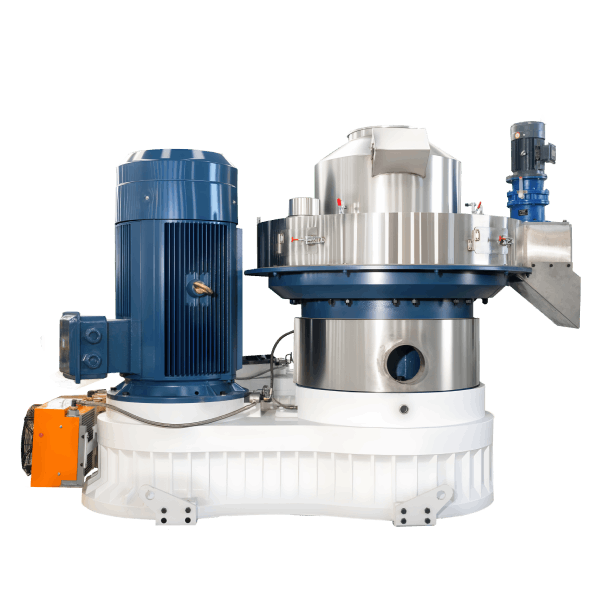
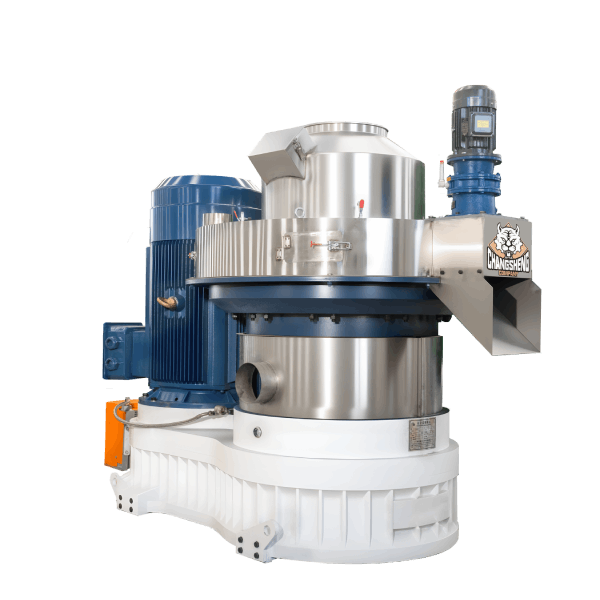
- Pelletizing unit: Ring die pellet mill with alloy steel die and rollers
- Cooling system: Counterflow cooler with galvanized structure
- Screening system: Vibrating screen for pellet size classification
- Electrical control system: Central PLC cabinet with safety interlocks
Manufacturing Process and Engineering Workflow
A practical feed pellet production line setup guide must clearly define each process step, required equipment, and critical control points:
- Raw Material Intake: Bulk ingredients are conveyed from storage to grinding.
- Grinding: Hammer mill reduces particle size to improve pellet quality.
- Batching & Mixing: Ingredients are dosed and mixed uniformly.
- Conditioning: Steam and heat improve starch gelatinization.
- Pelletizing: Conditioned mash is compressed through ring die.
- Cooling: Hot pellets cooled to ambient temperature.
- Screening & Packing: Fines separated; finished pellets packed or stored.
Industry Comparison
| Feed Form | Nutrient Stability | Handling Efficiency | Equipment Complexity | Market Acceptance |
|---|---|---|---|---|
| Pelleted Feed | High | High | Medium–High | High |
| Mash Feed | Medium | Low | Low | Medium |
| Extruded Feed | High | High | High | Medium–High |
Application Scenarios
A feed pellet production line setup guide is commonly used by:
- Feed distributors planning standardized pellet feed supply
- EPC contractors delivering turnkey feed mill projects
- Large-scale livestock and poultry farming groups
- Importers and wholesalers establishing regional feed plants
Core Pain Points and Engineering Solutions
- Inconsistent pellet durability: Solved through optimized conditioning temperature and die compression ratio
- High feed conversion loss: Reduced by precise batching and uniform mixing
- Excessive energy consumption: Mitigated with proper motor sizing and efficient hammer mills
- Frequent die blockage: Addressed by raw material moisture control and die selection
Risk Warnings and Mitigation Strategies
Common risks identified in feed pellet production line setup guide assessments include:
- Incorrect formulation not suitable for pelleting
- Undersized conditioner causing low pellet quality
- Ignoring steam supply stability and quality
- Inadequate dust collection and hygiene design
Procurement and Selection Guide
- Confirm feed type (poultry, livestock, aquaculture)
- Define target pellet size and nutritional requirements
- Select production capacity with future expansion margin
- Request detailed equipment list and power consumption data
- Review layout drawings and hygiene zoning
- Evaluate supplier experience in feed industry projects
- Clarify commissioning, training, and technical support scope
Engineering Case Example
A 10 tons/hour feed pellet production line was commissioned for a poultry feed manufacturer. The line included dual-shaft mixers, double-layer conditioners, and a 160 kW pellet mill. The system achieved a pellet durability index above 92% with stable daily output exceeding 220 tons.
FAQ
- Q1: What is the minimum capacity for a feed pellet line?
A: Typically 1 ton/hour. - Q2: Is steam conditioning mandatory?
A: Yes, for high-quality pellets. - Q3: Typical pellet size for poultry feed?
A: 3–4 mm. - Q4: Power consumption per ton?
A: 60–90 kWh. - Q5: How many operators are required?
A: 2–4 per shift. - Q6: Pellet mill die lifespan?
A: 1,000–1,500 operating hours. - Q7: Installation period?
A: 30–60 days. - Q8: Can one line produce multiple feed formulas?
A: Yes, with recipe control. - Q9: Is PLC control necessary?
A: Strongly recommended. - Q10: Typical ROI period?
A: 12–30 months.
Call to Action
To obtain a detailed feed pellet production line setup guide, including equipment configuration, layout drawings, and a customized quotation, please request technical documentation from an experienced feed processing engineering supplier.
E-E-A-T Author Credentials
This article is prepared by a senior feed processing engineer with over 15 years of experience in feed mill design, pelletizing technology, and EPC project management for commercial feed production facilities worldwide.