Pellet Machine Dealer Wanted: Complete Guide to Distribution Opportunities

News 2026-09-08

Page SEO Summary: This guide explores pellet machine dealer opportunities—covering market potential, dealer requirements, manufacturer support, and profitability for industrial equipment distributors.

The global pellet market is growing rapidly, creating significant opportunities for equipment dealers and distributors. As demand for wood pellets, feed pellets, and biomass pellets rises, so does the need for reliable local suppliers who can provide equipment, service, and support.

For established industrial equipment dealers, entrepreneurs, and sales professionals, becoming a pellet machine dealer offers a growing business opportunity. Manufacturers like Shandong Changsheng Machinery Co., Ltd. are actively seeking qualified dealers to expand their global distribution network.

This guide provides a comprehensive overview of pellet machine dealer opportunities.


1. The Pellet Machine Market Opportunity

Market Growth

MetricValue
Global pellet market growth10-15% annually
Equipment demandStrong and growing
Key regionsEurope, North America, Asia
Market driversRenewable energy, feed demand

Why Dealers Are Needed

ReasonWhy
Local presenceCustomers prefer local support
Service capabilityEquipment needs maintenance
RelationshipsTrust is essential
Market coverageManufacturers need reach

Target Customers

Customer TypeVolumeRequirements
FarmersSmall-mediumFeed pellets
BusinessesMediumCommercial production
IndustrialLargeIndustrial production

2. What a Pellet Machine Dealer Does

Core Responsibilities

ResponsibilityDescription
SalesPromote and sell pellet machines
SupportInstallation, maintenance
TrainingCustomer training
Parts supplySpare parts inventory
MarketingLocal promotion

Dealer Types

TypeDescriptionBest For
Exclusive dealerSingle brand in regionEstablished markets
Non-exclusive dealerMultiple brandsDeveloping markets
DistributorWholesale to sub-dealersLarge territories
AgentSales representativeSpecific customers

3. Dealer Requirements

Experience and Capability

RequirementWhy Important
Industry experienceUnderstands market
Sales teamCan reach customers
Service capabilityCan support customers
Financial stabilityCan invest in inventory
Local presenceHas local facilities
Market knowledgeKnows customer needs

Facilities

FacilityRequirement
ShowroomDisplay equipment
Service workshopRepair and maintenance
Parts inventoryStock spare parts
OfficeAdministration

Investment

InvestmentTypical RangeNotes
Inventory$50,000-200,000Varies by scope
Showroom$10,000-50,000Space and setup
Service equipment$5,000-20,000Tools and equipment
Marketing$5,000-20,000Local promotion

4. Manufacturer Support

What Dealers Can Expect

SupportDescription
Product trainingTechnical and sales training
Marketing materialsBrochures, videos
Technical supportEngineering assistance
Warranty supportWarranty coverage
Spare partsParts availability
Lead generationSales leads
Co-marketingShared marketing

Training Programs

TrainingContentDuration
Product trainingEquipment knowledge1-2 weeks
Sales trainingSelling techniques1 week
Technical trainingInstallation, service1-2 weeks
Ongoing supportUpdates, refreshersRegular

Benefits

BenefitValue to Dealer
Premium pricingHealthy margins
Exclusive territoryLimited competition
Brand recognitionEasier sales
Quality productCustomer satisfaction
Long-term partnershipBusiness stability

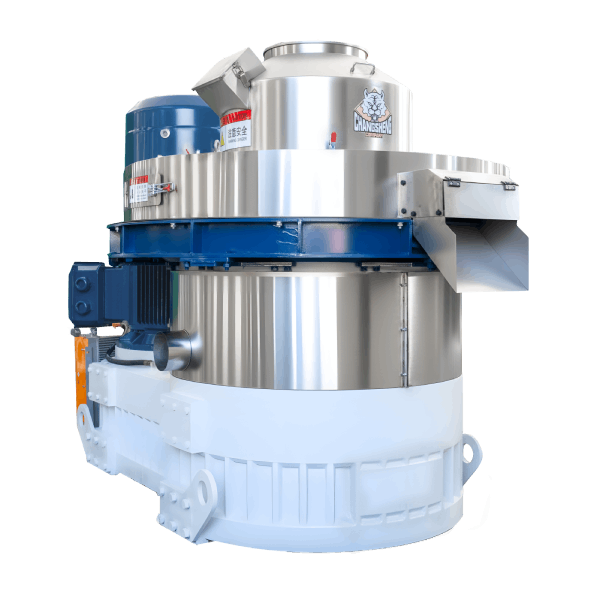
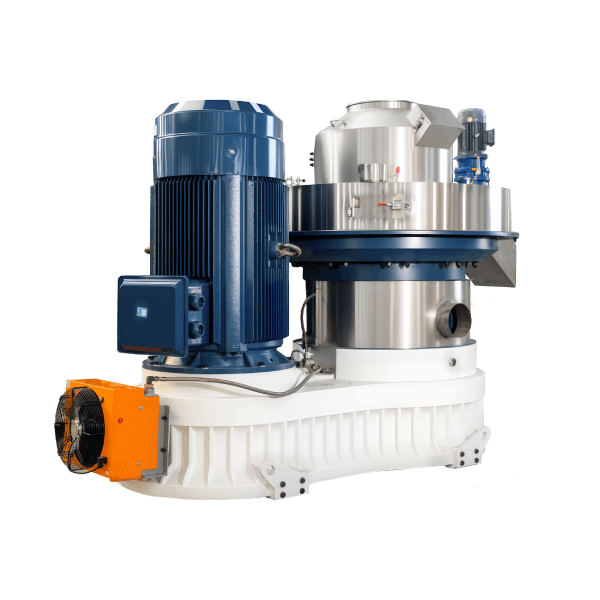
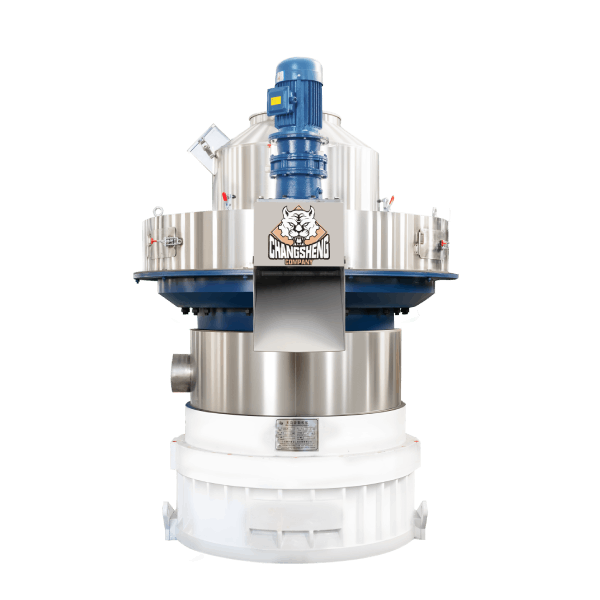
Changsheng 850 pellet mill heavy-duty 850mm diameter ring die for large-scale production

5. Profitability

Revenue Sources

SourceDescriptionTypical Margin
Equipment salesNew machines10-25%
Spare partsReplacement parts20-40%
Maintenance servicesService contracts15-35%
Installation servicesSetup and installation15-30%
TrainingCustomer trainingHourly

Profit Model Example

Medium Dealer: $1M Annual Revenue

Revenue SourceAmountMarginProfit
Equipment sales$700,00015%$105,000
Spare parts$150,00030%$45,000
Services$150,00025%$37,500
Total$1,000,000$187,500

Growth Potential

StageRevenueGrowth Strategy
Year 1$500,000Establish presence
Year 2$1,000,000Build customer base
Year 3$1,500,000Expand territory

6. How to Become a Dealer

Application Process

StepActionTimeline
1InquiryDay 1
2Application1 week
3Evaluation2-4 weeks
4Interview1 week
5Approval1 week
6Training1-2 weeks

What to Prepare

ItemPurpose
Company profileBackground
Financial statementsFinancial capability
Business planMarket strategy
Facility photosCapability
ReferencesTrack record

Questions to Ask Manufacturers

QuestionWhy Ask
“What are your dealer requirements?”Qualifications
“What support do you provide?”Partnership value
“What is the territory?”Market opportunity
“What is the dealer margin?”Profitability
“What are your expectations?”Performance

7. Success Factors

Key to Success

FactorWhy Important
Market knowledgeKnow customer needs
Sales capabilityClose deals
Service abilityKeep customers happy
Relationship buildingLong-term customers
Product expertiseCredibility
Financial managementBusiness sustainability

Common Mistakes to Avoid

MistakeWhy ProblematicBetter Approach
Underestimating service needsCustomer dissatisfactionBuild service capability
Insufficient inventoryLost salesStock common items
Poor trainingPoor performanceInvest in training
Weak marketingNo customersPromote actively

Procurement Checklist: Dealer Opportunity

Self-Assessment

  • □ Industry experience assessed
  • □ Sales capability confirmed
  • □ Service capability confirmed
  • □ Financial capacity confirmed

Manufacturer Evaluation

  • □ Product quality reviewed
  • □ Support offering understood
  • □ Territory confirmed
  • □ Margins understood

Business Planning

  • □ Business plan developed
  • □ Investment budget established
  • □ Revenue projections completed
  • □ Growth strategy defined

Frequently Asked Questions

1. What is a pellet machine dealer?

A pellet machine dealer is a local business that sells, services, and supports pellet machines on behalf of a manufacturer, providing customers with local sales and support.

2. What are the requirements to become a dealer?

Industry experience, sales capability, service capability, financial stability, and local presence are the key requirements.

3. What support do manufacturers provide?

Product training, marketing materials, technical support, warranty support, and spare parts are typically provided.

4. How profitable is being a dealer?

Typical margins are 10-25% on equipment, 20-40% on parts, and 15-35% on services. A well-run dealership can generate $150,000-300,000+ annually.

5. What is the investment required?

$50,000-200,000 in inventory plus showroom, equipment, and marketing costs.

6. How do I apply to become a dealer?

Submit company profile, financial statements, business plan, and facility information to the manufacturer. The process typically takes 2-4 weeks.

7. What is the territory?

Territory is typically defined by geography or market segment, and may be exclusive or non-exclusive.

8. What is the most important success factor?

Sales capability combined with service ability is the most important success factor.


About the Author

Zhang Wei – Senior International Sales Engineer, Shandong Changsheng Machinery Co., Ltd.

Zhang Wei has over 12 years of experience in the biomass and feed pellet mill industry, with a background in mechanical engineering and international project execution. He has worked with dealers and distributors across Southeast Asia, the Middle East, Africa, Europe, and Latin America to establish successful distribution networks.

With hands-on experience in both the manufacturing workshop and client-side operations, Zhang brings practical insights into successful dealer partnerships—from the factory floor to the local dealership.