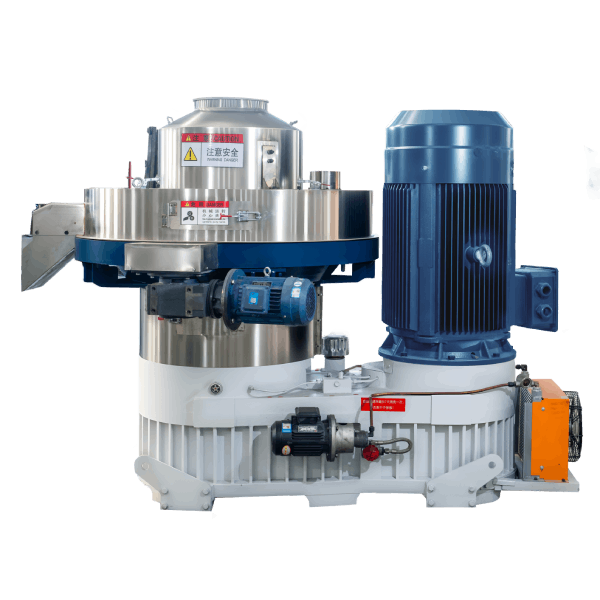
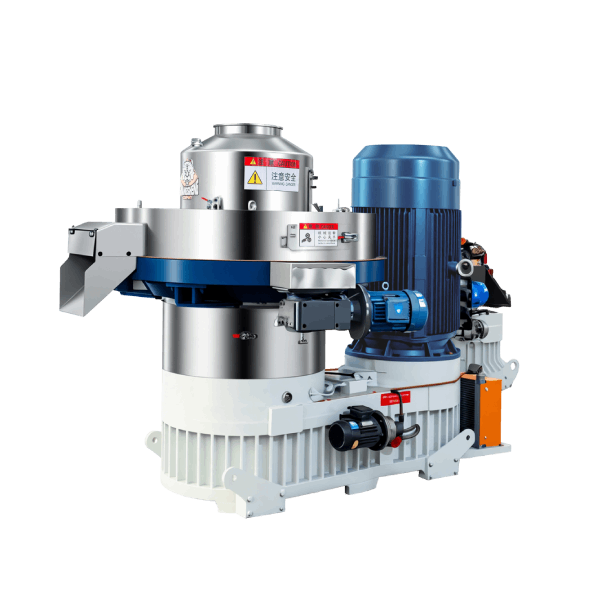
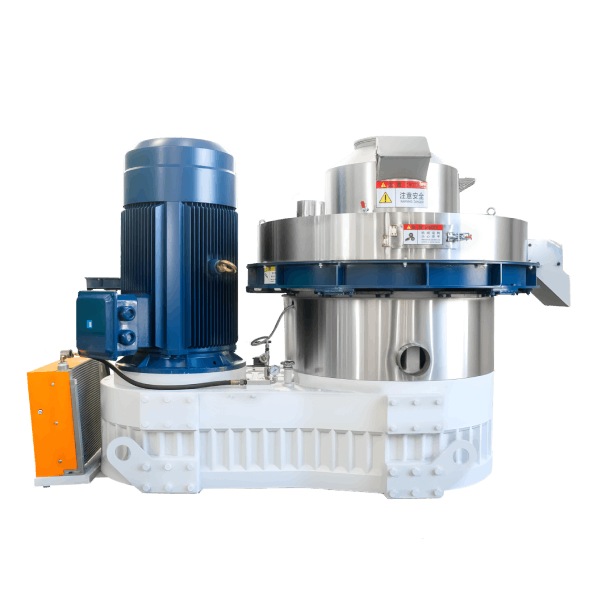
How to choose pellet machine for biomass business
News 2026-02-13
How to Choose Pellet Machine for Biomass Business: A Technical Selection Guide for Industrial Buyers
Product Definition
A pellet machine for biomass business is an industrial mechanical system designed to densify processed biomass into standardized fuel pellets. Selecting the right machine requires aligning raw material characteristics, production scale, energy efficiency, and lifecycle cost with long-term commercial and operational objectives.
Technical Parameters and Specifications
Understanding how to choose pellet machine for biomass business begins with objective, verifiable technical parameters rather than advertised capacity alone.
Key specifications to evaluate include:
• Rated output capacity: 0.5–15 tons per hour
• Applicable biomass types: wood sawdust, agricultural residues, energy crops
• Pellet diameter range: 6 mm, 8 mm, optional 10 mm
• Required raw material moisture: 10–15 percent
• Main motor power: 55–355 kW
• Transmission system: belt drive or industrial gearbox drive
• Die configuration: flat die or ring die
• Ring die diameter: 420–850 mm
• Operating mode: intermittent or continuous duty
• Control system: manual control or PLC with frequency regulation
Machines that lack clear specification disclosure pose higher operational and financial risk.
Structure and Material Composition
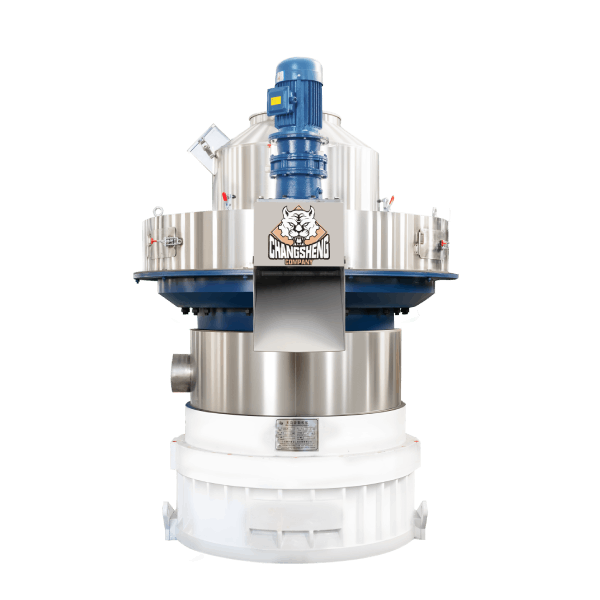
The internal structure defines whether a pellet machine can support a sustainable biomass business.
Core structural components include:
Main frame
• Thick carbon steel construction
• Stress-relieved welding for vibration resistance
Pelletizing assembly
• Alloy steel ring die with precision-drilled holes
• Heat-treated surface to resist abrasion
Roller system
• Dual or triple roller configuration
• Adjustable compression clearance
Drive system
• Industrial gearbox with hardened gears
• High-efficiency motor with overload protection
Lubrication and protection
• Centralized or semi-automatic lubrication
• Bearing temperature and load monitoring
Choosing low-grade materials may reduce initial cost but increases downtime and maintenance expense.
Manufacturing and Pelletizing Process
A correct understanding of how to choose pellet machine for biomass business requires evaluating the full pelletizing process:
Step 1: Raw material feeding
Equipment: variable-speed feeder
Process focus: consistent feed rate prevents die clogging
Step 2: Compression and extrusion
Equipment: pellet machine
Process focus: matching compression ratio to biomass fiber structure
Step 3: Cutting and discharge
Equipment: adjustable knife system
Process focus: uniform pellet length improves cooling efficiency
Step 4: Cooling and stabilization
Equipment: pellet cooler
Process focus: moisture and temperature reduction to ensure durability
Step 5: Screening and packaging
Equipment: vibrating screen and packing system
Process focus: removal of fines to improve commercial grade
Machine selection must align with each step, not just pellet formation.
Industry Comparison: Pellet Machine Types for Biomass Business
| Machine Type | Flat Die Pellet Machine | Ring Die Pellet Machine | Briquette Press |
|---|---|---|---|
| Suitable scale | Small | Medium–Large | Medium |
| Pellet density | Medium | High | Medium |
| Energy efficiency | Medium | High | Low |
| Continuous operation | Limited | Excellent | Medium |
| Maintenance interval | Short | Moderate | Short |
| Commercial pellet quality | Limited | High | Medium |
This comparison explains why ring die machines dominate commercial biomass pellet operations.
Application Scenarios
Biomass fuel producers
Select machines based on output stability, pellet durability, and energy consumption per ton.
EPC contractors
Integrate pellet machine selection into complete plant CAPEX and layout planning.
Distributors and importers
Evaluate machine reliability and after-sales capability for resale markets.
Engineering consultants
Use technical parameters for feasibility studies and financial modeling.
Core Buyer Pain Points and Engineering Solutions
Pain Point 1: Capacity mismatch with business scale
Solution: size machine based on daily output and operating hours
Pain Point 2: High wear of die and rollers
Solution: specify alloy steel with documented heat treatment
Pain Point 3: Excessive energy consumption
Solution: select gearbox-driven systems with optimized compression ratio
Pain Point 4: Unstable pellet quality
Solution: require adjustable roller pressure and speed control
Risk Warnings and Mitigation Recommendations
• Over-reliance on nominal capacity claims
Mitigation: verify motor power, die size, and reference projects
• Low initial cost masking high lifecycle expense
Mitigation: calculate cost per ton over equipment lifespan
• Inadequate electrical protection
Mitigation: require overload and temperature monitoring
• Limited spare part availability
Mitigation: confirm long-term die and roller supply
Procurement and Selection Guide (Actionable Steps)
Step 1: Define biomass type and moisture range
Step 2: Determine target hourly and annual output
Step 3: Select flat die or ring die based on pellet quality requirements
Step 4: Match motor power and drive system to duty cycle
Step 5: Request detailed technical drawings and datasheets
Step 6: Compare energy consumption per ton
Step 7: Evaluate warranty, service, and spare parts support
Following these steps ensures rational decision-making when learning how to choose pellet machine for biomass business.
Engineering Application Example
A biomass energy project in South America selected two 6 t/h ring die pellet machines for eucalyptus residues. Although the initial investment was higher than flat die alternatives, the plant achieved continuous 20-hour daily operation with reduced maintenance downtime and stable export-grade pellet quality.
Frequently Asked Questions
- What is the most important factor when choosing a pellet machine?
Matching machine design to biomass characteristics. - Is flat die suitable for commercial biomass business?
Only for small or local operations. - How does moisture affect machine selection?
High moisture requires stronger compression and drying capacity. - Are gearbox-driven machines always better?
Yes for continuous industrial operation. - How long does a ring die last?
Typically 1,000–2,000 operating hours. - Can one machine handle multiple biomass types?
Yes within defined limits. - Is PLC control necessary?
Strongly recommended for stability. - What is typical installation time?
3–7 days depending on system complexity. - How often are rollers replaced?
Every 6–12 months under normal conditions. - Should spare parts be included in procurement?
Yes to reduce startup risk.
Call to Action
For professional guidance on how to choose pellet machine for biomass business, submit your biomass type, target capacity, operating schedule, and pellet specifications to receive a technically matched equipment recommendation and detailed quotation.
E-E-A-T Author Credentials
This article is authored by industrial biomass engineers and procurement specialists with over 15 years of experience in pellet plant design, equipment evaluation, EPC project execution, and operational optimization for commercial biomass energy projects worldwide.