Page SEO Summary: This comprehensive guide helps buyers understand biomass pellet mills—covering types, applications, materials, selection criteria, and market opportunities for biomass pellet production.
The global push for renewable energy has made biomass pellets a rapidly growing industry. From agricultural residues to forestry waste, biomass offers a sustainable energy source that reduces carbon emissions and utilizes materials that might otherwise go to waste.
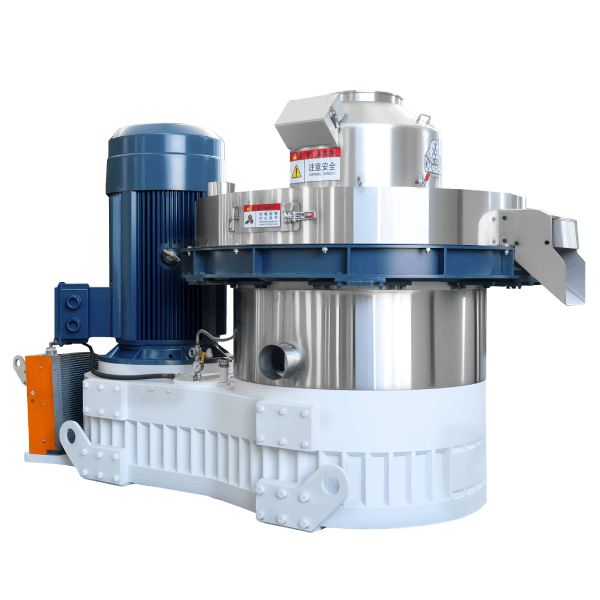
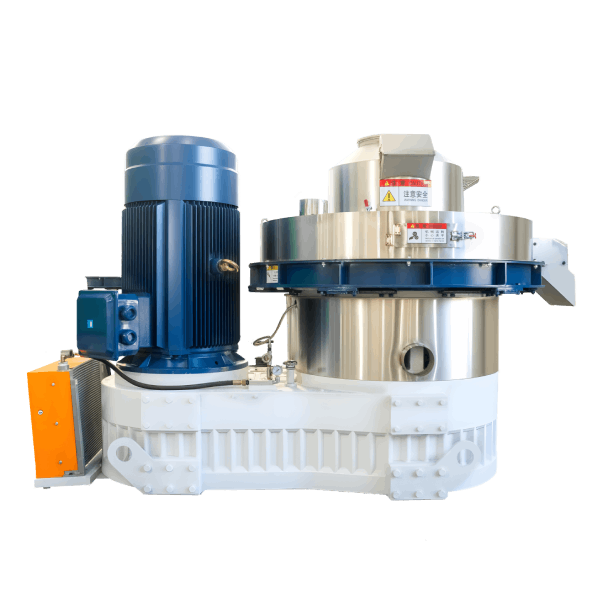
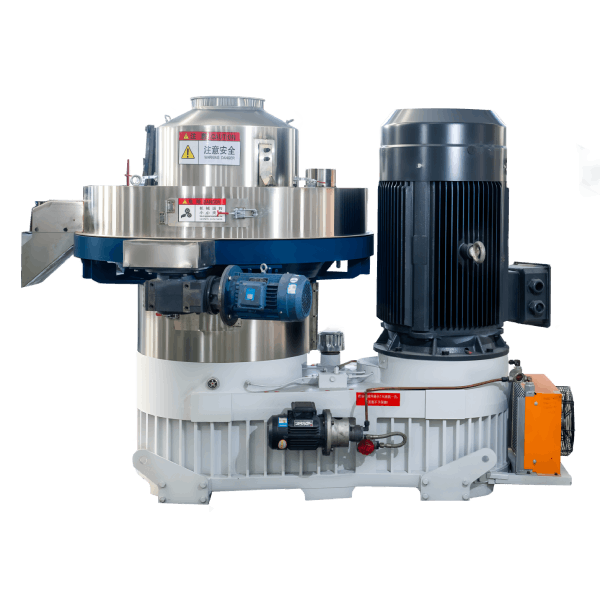
A biomass pellet mill is the key equipment that transforms these materials into dense, uniform pellets suitable for heating, power generation, and industrial applications. This guide provides a comprehensive framework for understanding, selecting, and procuring biomass pellet mills.
What Is a Biomass Pellet Mill?
Definition
A biomass pellet mill is a machine that compresses organic materials—wood, agricultural residues, energy crops, and other biomass—into dense cylindrical pellets. The process uses heat and pressure to bind the material without chemical additives.
How It Works
Stage
Description
Grinding
Raw material is ground to uniform particle size
Conditioning
Heat and moisture are added (optional)
Pelletizing
Material is forced through die holes under pressure
Cutting
Extruded pellets are cut to length
Cooling
Pellets are cooled for storage
Key Components
Component
Function
Die
Shapes the pellets
Rollers
Press material through the die
Motor
Powers the machine
Feeder
Controls material input
Conditioner
Adds heat and moisture
Cutter
Cuts pellets to length
Materials That Can Be Pelleted
Agricultural Residues
Material
Suitability
Notes
Rice husk
Good
Abrasive; requires hard die
Straw
Moderate
Requires binders; high wear
Corn stover
Good
Good availability
Bagasse
Good
Available in sugar regions
Olive pomace
Good
Available in Mediterranean
Groundnut shell
Excellent
Good energy value
Forestry Materials
Material
Suitability
Notes
Sawdust
Excellent
Best for pellets
Wood chips
Good
Requires grinding
Bark
Moderate
Can be pelleted
Wood shavings
Good
Requires grinding
Energy Crops
Material
Suitability
Notes
Miscanthus
Good
High yield
Switchgrass
Good
Good energy value
Pennisetum
Good
Available in tropical regions
Willow
Good
Fast-growing
Other Materials
Material
Suitability
Notes
Palm kernel shell
Excellent
Premium biomass fuel
EFB (palm waste)
Moderate
Requires pre-processing
Coffee husks
Good
Available in coffee regions
Coconut shell
Excellent
High energy value
Types of Biomass Pellet Mills
By Die Type
Type
Capacity
Advantages
Best For
Flat die
30-300 kg/h
Low cost; simple; portable
Small-scale; farms
Ring die
300-5,000+ kg/h
Higher output; better quality
Commercial; industrial
By Scale
Scale
Capacity
Recommended Type
Typical Users
Small
30-100 kg/h
Flat die
Farms; small businesses
Medium
100-500 kg/h
Flat die or ring die
Commercial operations
Large
500-2,000 kg/h
Ring die
Industrial plants
Industrial
2,000-5,000+ kg/h
Ring die (multiple lines)
Large-scale production
Applications of Biomass Pellets
Heating
Application
Pellet Grade
Market
Residential
Premium
Home heating
Commercial
Standard
Buildings; hotels
Industrial
Industrial
Factories; processes
District heating
Industrial
Municipal heating
Power Generation
Application
Pellet Grade
Market
Co-firing
Industrial
Power plants
Biomass power plants
Industrial
Renewable energy
CHP (Combined Heat and Power)
Industrial
Cogeneration
Other Applications
Application
Pellet Grade
Notes
Animal bedding
Low grade
Absorbent
Barbecue briquettes
Premium
High quality
Export
Premium
International trade
Biomass vs. Wood Pellet Mills
Comparison
Aspect
Wood Pellet Mill
Biomass Pellet Mill
Primary material
Wood only
Multiple materials
Flexibility
Limited
High (multi-material)
Die design
Optimized for wood
Optimized for various materials
Wear components
Standard
May need heavy-duty for abrasive materials
Pre-processing
Standard
May need more pre-processing
When to Choose a General Biomass Mill
Factor
Recommendation
Multiple materials
Choose biomass-specific mill
Abrasive materials
Choose heavy-duty biomass mill
Agricultural residues
Choose biomass mill with appropriate die
Flexibility needed
Choose biomass mill
Selection Considerations
Key Questions
Question
Why Important
“What materials will you process?”
Determines machine configuration
“What is your target capacity?”
Sizing
“What is your power supply?”
Motor specification
“What is your budget?”
Options
“Do you have pre-processing equipment?”
Complete system needs
Material-Specific Considerations
Material
Consideration
Wood
Standard configuration
Agricultural residues
May need stronger components; higher wear
High-fiber materials
Need higher compression
Abrasive materials
Need wear-resistant components
High-moisture materials
Need drying system
Price and Investment
Price Ranges
Type
Capacity
Price Range (USD)
Flat die
30-300 kg/h
$500-5,000
Ring die (small)
300-1,000 kg/h
$5,000-25,000
Ring die (medium)
1,000-3,000 kg/h
$25,000-60,000
Ring die (large)
3,000-5,000+ kg/h
$60,000-120,000+
Complete Line Cost
Capacity
Complete Line Cost (USD)
0.5-1 t/h
$50,000-100,000
1-2 t/h
$100,000-200,000
2-5 t/h
$200,000-500,000
5+ t/h
$500,000+
Market and Investment Outlook
Global Biomass Pellet Market
Aspect
Current Status
Market size
Growing (10-15% annual)
Key markets
Europe, North America, Asia
Demand drivers
Renewable energy targets; carbon reduction
Price trends
Stable to increasing
Competition
Increasing
Investment Considerations
Factor
Assessment
Raw material availability
Critical for success
Market demand
Strong in most regions
Regulatory support
Good (renewable incentives)
Competition
Increasing
Capital requirement
Moderate to high
Procurement Checklist: Biomass Pellet Mill
Requirements Definition
□ Material type(s) identified
□ Target capacity (kg/h) confirmed
□ Pellet size (mm) determined
□ Power supply confirmed
□ Space availability confirmed
Equipment Selection
□ Type (flat die/ring die) selected
□ Capacity matched to need
□ Configuration suitable for materials
□ Wear protection included
Supplier Evaluation
□ Multiple quotes obtained
□ Supplier experience verified
□ References checked
□ Component brands reviewed
□ Warranty terms reviewed
Total Cost
□ Equipment price confirmed
□ Shipping cost calculated
□ Installation cost estimated
□ Total landed cost calculated
Frequently Asked Questions
1. What is a biomass pellet mill?
A biomass pellet mill is a machine that compresses organic materials (wood, agricultural residues, energy crops) into dense pellets for fuel, heating, and industrial applications.
2. What materials can a biomass pellet mill process?
Wood sawdust, wood chips, agricultural residues (rice husk, straw, corn stover), bagasse, olive pomace, palm kernel shell, coconut shell, and many other biomass materials.
3. What is the difference between a biomass pellet mill and a wood pellet mill?
A biomass pellet mill can process multiple materials, while a wood pellet mill is typically optimized for wood only. Biomass mills offer more flexibility but may need different configurations for different materials.
4. What capacity do I need?
Match capacity to your production target. Small farms: 30-100 kg/h. Commercial operations: 100-500 kg/h. Industrial: 500+ kg/h.
5. How much does a biomass pellet mill cost?
Flat die machines: $500-5,000. Ring die machines: $5,000-120,000+. Complete lines: $50,000-500,000+.
6. Is biomass pelleting profitable?
Yes, with proper raw material access and market demand. The biomass pellet market is growing, driven by renewable energy targets. Profitability depends on raw material cost, energy cost, and market price.
7. What is the best type of biomass pellet mill?
It depends on scale and materials. Flat die is best for small scale and simple materials. Ring die is best for commercial and industrial production, especially for challenging materials.
8. How long does a die last?
Die life depends on material abrasiveness. For wood, dies may last 200-500 hours. For abrasive materials like rice husk, die life is shorter. Premium dies last longer.
Zhang Wei has over 12 years of experience in the biomass and feed pellet mill industry, with a background in mechanical engineering and international project execution. He has managed biomass pellet mill projects for clients across Southeast Asia, the Middle East, Africa, Europe, and Latin America, covering a wide range of materials and applications.
With hands-on experience in both the manufacturing workshop and client-side operations, Zhang brings practical insights into successful equipment procurement—from the factory floor to the customer’s production site.