Page SEO Summary: This operations guide helps plant managers select, operate, and maintain pellet mills—covering equipment selection, installation, maintenance strategies, and cost optimization.
As a plant manager, your priorities are different from a procurement specialist or a line operator. You need equipment that runs reliably, produces consistent quality, and stays within budget—day after day, shift after shift. A pellet mill is a significant investment, and its performance directly affects your plant’s productivity and profitability.
This guide addresses the specific concerns of plant managers: how to select the right pellet mill, how to operate it effectively, and how to manage it for long-term reliability.
1. Selecting the Right Pellet Mill
Key Considerations for Plant Managers
Factor
Why It Matters
What to Check
Reliability
Minimizes downtime
Component quality, track record
Serviceability
Ease of maintenance
Access, spare parts availability
Efficiency
Operating costs
Energy consumption
Capacity
Production targets
Rated vs actual output
Durability
Long-term value
Construction quality
Questions to Ask Suppliers
Question
Why Ask
“What is the expected uptime?”
Reliability
“What is the maintenance schedule?”
Planning
“What is the energy consumption per ton?”
Operating cost
“What is the die life expectancy?”
Maintenance budget
“What support do you provide?”
After-sales
“What is the warranty?”
Protection
Key Specifications to Review
Specification
What to Look For
Motor brand
ABB, Siemens, WEG
Bearing brand
SKF, FAG, NSK
Gearbox type
Heavy-duty, hardened
Die material
X46Cr13 or equivalent
Control system
PLC with HMI
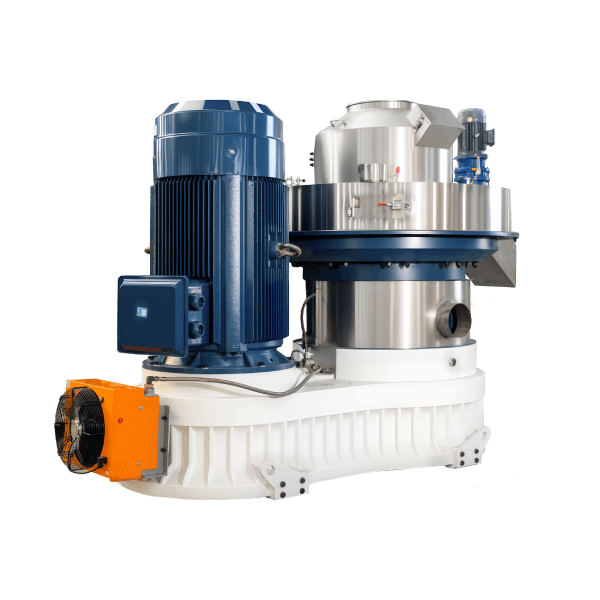
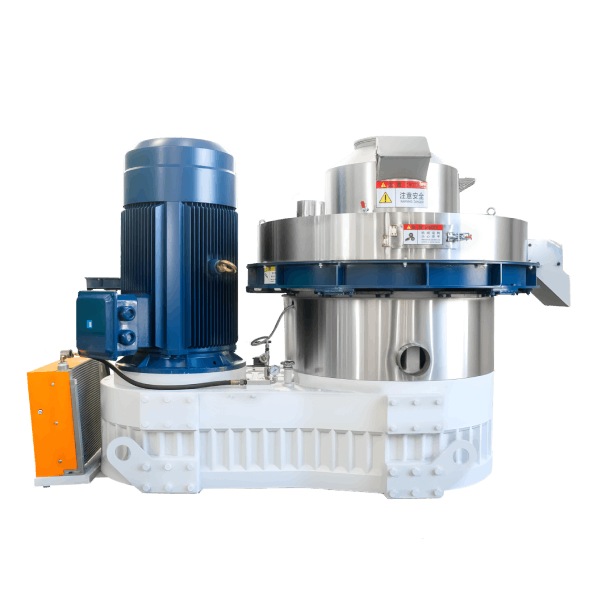
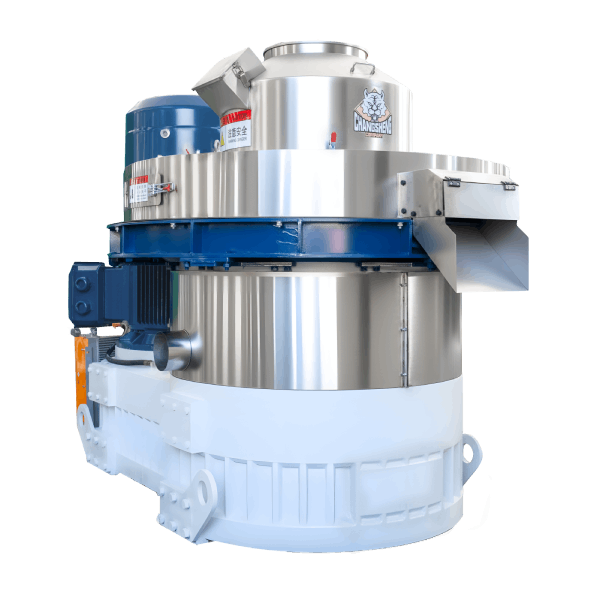
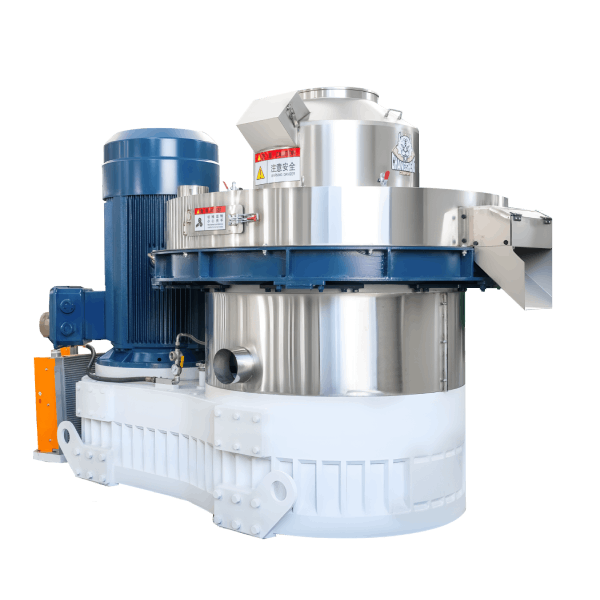
A pellet mill for plant manager consideration from a manufacturer like Shandong Changsheng Machinery Co., Ltd. should include premium components and comprehensive documentation to support long-term operation.
2. Installation and Commissioning
Installation Checklist
Item
What to Check
Foundation
Level, reinforced, vibration-damped
Power supply
Correct voltage, adequate capacity
Alignment
Motor and gearbox alignment
Safety guards
All guards in place
Utilities
Cooling water, compressed air
Commissioning Checklist
Item
What to Check
Startup
Smooth, no unusual noise
Idle run
Vibration, temperature
Load test
Capacity, quality
Controls
All functions working
Training
Operators trained
3. Operations Management
Daily Operations
Task
Frequency
Responsibility
Startup check
Daily
Operator
Material monitoring
Continuous
Operator
Pellet quality check
Each batch
Operator/Supervisor
Machine inspection
Daily
Operator
Production logging
Each shift
Supervisor
Key Operating Parameters
Parameter
Target Range
Monitoring Method
Motor current
80-95% of rated
Ammeter
Die temperature
80-120°C
Sensor
Material moisture
10-12%
Moisture meter
Particle size
2-5 mm
Sieve analysis
Pellet durability
>95%
PDI tester
Production Monitoring
Metric
Why Important
Target
Throughput (t/h)
Production rate
Rated capacity
Uptime
Machine availability
>90%
Quality yield
Good product percentage
>95%
Energy consumption
Cost efficiency
As per spec
Pellet quality
Customer satisfaction
As per grade
4. Maintenance Management
Maintenance Strategy
Strategy
Description
Application
Preventive
Scheduled maintenance
Regular intervals
Predictive
Condition-based
Based on monitoring
Corrective
Repair after failure
Emergency only
Maintenance Schedule
Task
Frequency
What to Do
Daily inspection
Daily
Check for leaks, noise, vibration
Lubrication
Weekly
Grease bearings, check oil
Die inspection
Weekly
Check wear, condition
Roller inspection
Monthly
Check wear, bearing play
Gearbox oil change
Annually
Replace oil, check condition
Full inspection
Annually
Complete system check
Spare Parts Inventory
Part
Quantity
Lead Time
Die
1-2
Order when current is 50% worn
Roller shells
2-4
Stock critical
Bearings
1 set
Stock critical
Belts
1 set
Stock
Gearbox seals
1 set
Stock
Sensors
1 set
Stock
5. Cost Management
Operating Cost Breakdown
Cost Category
Typical %
Control Strategy
Raw materials
40-60%
Supplier contracts
Energy
15-25%
Efficiency monitoring
Labor
10-15%
Shift optimization
Maintenance
5-10%
Preventive maintenance
Other
5-10%
Process optimization
Cost Reduction Strategies
Strategy
Potential Savings
Implementation
Energy efficiency
5-15%
IE3 motors, VFDs
Die life extension
10-20%
Proper operation
Waste reduction
3-8%
Quality control
Maintenance optimization
10-15%
Predictive maintenance
Staff training
5-10%
Skills improvement
6. Personnel Management
Staffing Requirements
Position
Number
Skills Required
Plant manager
1
Overall operations
Shift supervisors
2-4
Production management
Operators
4-8
Machine operation
Maintenance technicians
2-4
Equipment repair
Quality control
1-2
Testing
Training Program
Training
Content
Frequency
Initial
Machine operation, safety
Before operation
Refresher
Best practices
Annual
Maintenance
Repair procedures
As needed
Safety
Emergency procedures
Regular
7. Supplier Relationship
What to Expect from Suppliers
Service
Why Important
Technical support
Problem resolution
Spare parts availability
Minimize downtime
Training
Operator competence
Warranty
Protection
Process optimization
Continuous improvement
Building a Partnership
Practice
Benefit
Regular communication
Early issue resolution
Feedback
Product improvement
Maintenance contracts
Guaranteed support
Training collaboration
Skilled staff
Long-term agreements
Better pricing
Procurement Checklist: Plant Manager Edition
Selection Phase
□ Reliability and serviceability assessed
□ Operating cost estimated
□ Maintenance requirements reviewed
□ Supplier support confirmed
Installation Phase
□ Foundation prepared
□ Power supply confirmed
□ Commissioning witnessed
□ Training completed
Operations Phase
□ Standard operating procedures developed
□ Maintenance schedule established
□ Spare parts inventory created
□ Performance metrics defined
Frequently Asked Questions
1. What is the most important factor for a plant manager in choosing a pellet mill?
Reliability is the most important factor. Downtime costs money, and equipment that fails frequently disrupts production and increases costs.
2. How often should pellet mill maintenance be performed?
Daily inspections, weekly lubrication, monthly die and roller inspections, and annual full inspections are typical. Frequency depends on operating hours and conditions.
3. What is the typical uptime expectation?
A well-maintained pellet mill should achieve >90% uptime. Premium equipment and good maintenance can achieve >95%.
4. How can I reduce operating costs?
Focus on energy efficiency (IE3 motors, VFDs), proper operation (extending die life), waste reduction (quality control), and preventive maintenance (avoiding failures).
5. What spare parts should I stock?
Die, roller shells, bearings, belts, gearbox seals, and sensors. Critical parts should be in stock to minimize downtime.
6. How do I train operators?
Initial training before operation, refresher training annually, and ongoing on-the-job training. Supplier-provided training is valuable.
7. What performance metrics should I track?
Throughput, uptime, quality yield, energy consumption, and pellet quality. Track daily, weekly, and monthly.
8. How do I manage the supplier relationship?
Regular communication, provide feedback, consider maintenance contracts, and build a long-term partnership for better pricing and support.
Zhang Wei has over 12 years of experience in the biomass and feed pellet mill industry, with a background in mechanical engineering and international project execution. He has worked closely with plant managers across Southeast Asia, the Middle East, Africa, Europe, and Latin America to optimize pellet mill selection, operation, and maintenance.
With hands-on experience in both the manufacturing workshop and client-side operations, Zhang brings practical insights into successful equipment management—from the factory floor to the plant manager’s office.