Pellet Machine with Visible Observation Window 0.5-5 t/h | Supplier Guide
News 2026-06-21
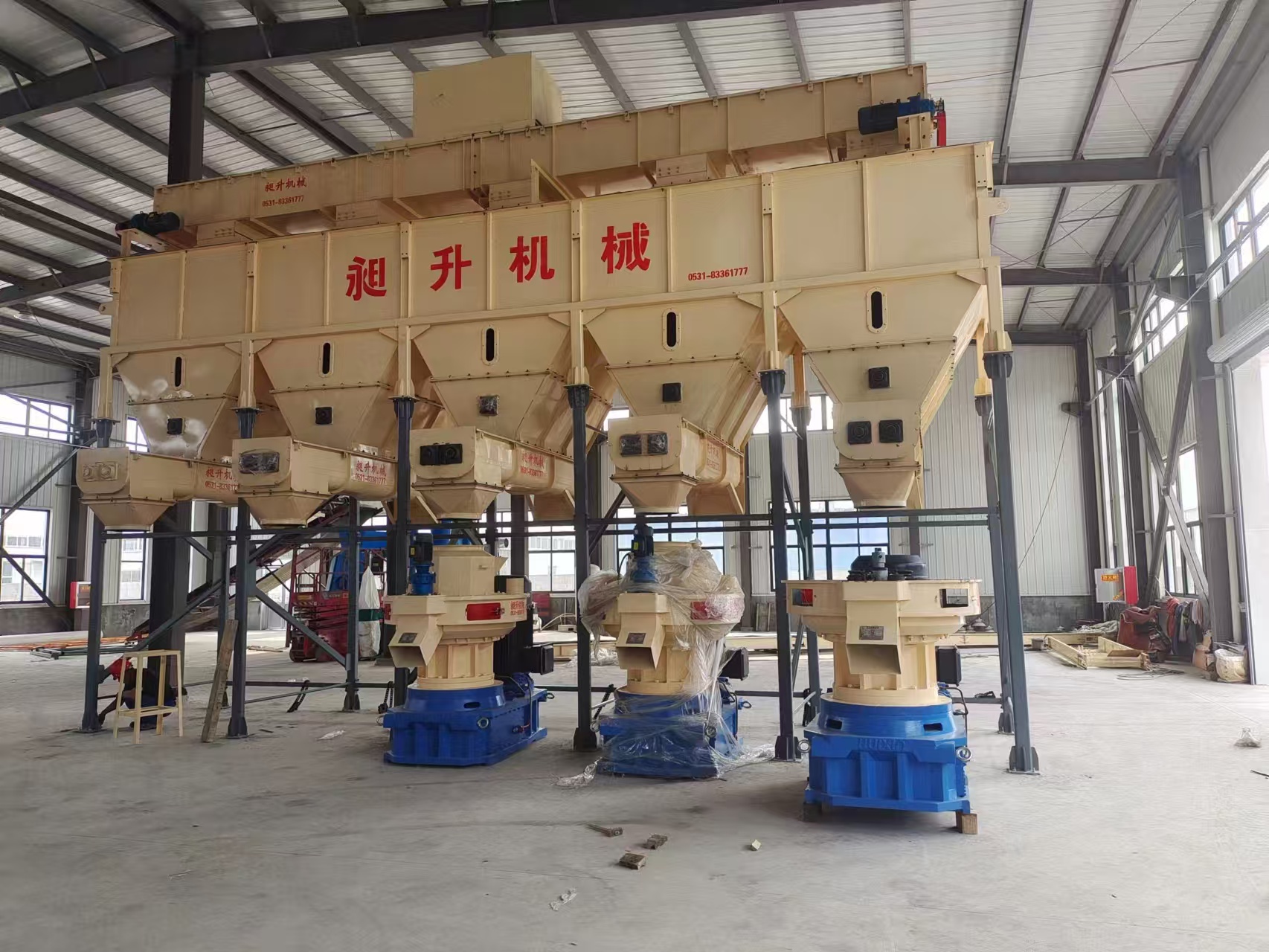
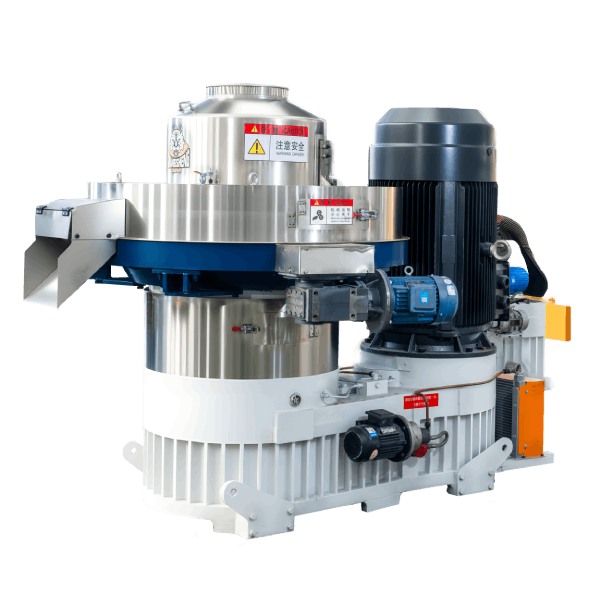
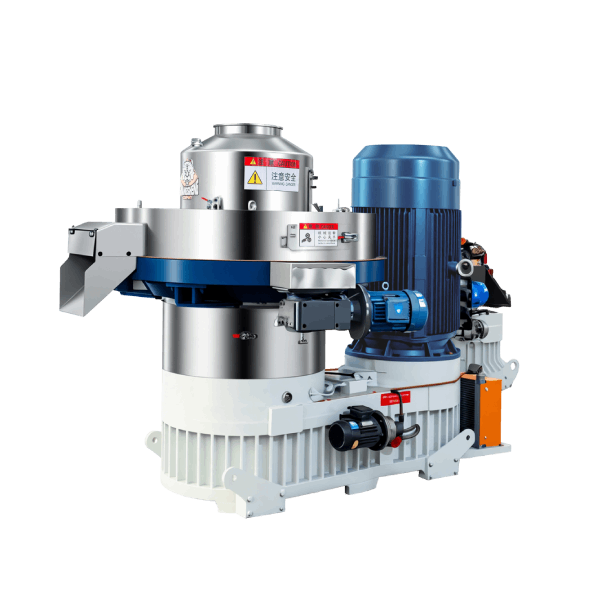
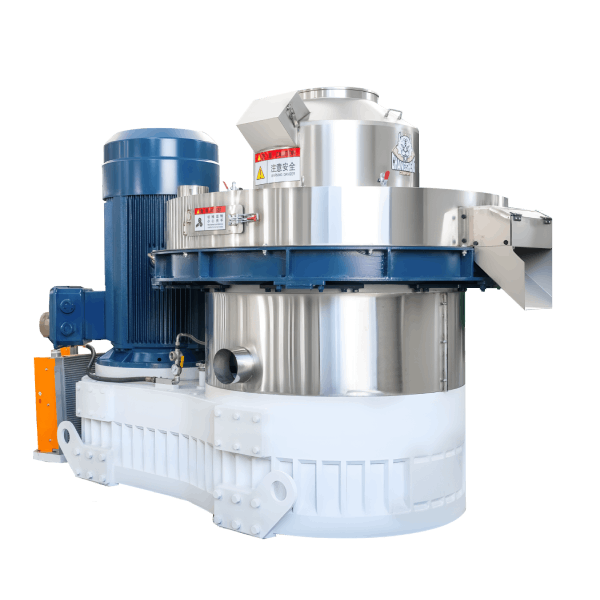
A pellet machine with visible observation window is a mechanical compaction system that converts biomass residues, feed ingredients, or agricultural by-products into dense cylindrical pellets. The integrated observation window provides operators with direct visual access to the pelletising chamber, enabling real-time monitoring of material flow, roller operation, and die condition during production.
Technical Specifications & Performance Parameters
| Parameter | Value Range / Specification |
|---|---|
| Throughput capacity | 0.5 – 5.0 t/h (feedstock-dependent) |
| Main motor power | 55 – 160 kW (IE3 / IE4 compatible) |
| Ring die inner diameter | 400 – 800 mm |
| Observation window dimensions | 120 × 80 mm to 200 × 150 mm |
| Window material | Tempered glass (5–8 mm) with anti-fog coating |
| Pellet diameter | 6 – 12 mm (customisable) |
| Pellet bulk density | 600 – 750 kg/m³ |
| Raw material moisture | 12% – 18% (optimal: 14% – 16%) |
| Specific energy consumption | 28 – 35 kWh/t |
| Core wear parts service life | Ring die: 800 – 1,200 h; Roller shells: 600 – 900 h |
| Scheduled maintenance man-hours | 4 – 6 h / month |
📄 Download the full technical datasheet with observation window specifications and mounting details.
[Request Quotation / Get PDF Technical Datasheet]
Structural Composition & Material Selection
The pellet machine with visible observation window integrates four functional subsystems with defined material grades:
Mechanical System
- Ring die: Forged alloy steel (20CrMnTi) with carburised hardening layer (HRC 58–62)
- Roller shells: High-chromium cast iron (Cr26) with wear-resistant overlay
- Main shaft: Heat-treated 42CrMo4 steel with induction-hardened journals
- Gearbox: Helical-gear configuration, case-hardened to HRC 58–60
Observation System
- Window frame: Cast aluminium or stainless steel with sealed mounting
- Window glass: Tempered glass (5–8 mm) with anti-fog and anti-scratch coating
- LED lighting: Integrated low-heat illumination for clear visibility
- Wiper mechanism: Manual or pneumatic wiper for glass cleaning (optional)
Support System
- Bearing housings: Ductile cast iron (QT600-3) with precision-machined seating
- Base frame: Welded structural steel, stress-relief annealed, with vibration-damping mounts
Lubrication System
- Centralised grease lubrication for bearings (NLGI grade 2)
- Forced oil circulation for gearbox (ISO VG 460) with temperature monitor
Control System
- PLC with HMI touchscreen for process monitoring
- Observation window interlock (optional) – prevents door opening during operation
Manufacturing Process – Engineering Workflow
Step 1 – Raw Material Preparation & Grinding
Hammer mill with 2.0–3.0 mm screen for feed; 4.0–6.0 mm for biomass. Magnetic separator removes ferrous contaminants. Moisture adjusted to 14%–16% via batch dryer.
Step 2 – Conditioning & Steam Treatment
Double-shaft paddle conditioner with steam injection at 0.2–0.4 MPa. Retention time 45–60 seconds. Mash temperature elevated to 80–95°C for starch gelatinisation.
Step 3 – Pelletising (Core Forming Process)
Main motor drives ring die rotation at 4–8 m/s peripheral speed. Roller gap maintained at 0.15–0.30 mm. Observation window allows operators to monitor material distribution, roller tracking, and die hole condition.
Step 4 – Counterflow Cooling
Ambient air drawn counter-current through pellet bed. Retention time 6–10 minutes. Pellet exit temperature ≤ ambient +5°C. Final moisture ≤12%.
Step 5 – Screening & Bagging
Vibrating screener (two decks: 4 mm and 2 mm apertures) removes fines and broken pellets. Fines recirculated to conditioning. Automatic bagging scale with ±0.2% tolerance.
Industry Comparison – Alternative Technologies
| Machine Type | Visual Monitoring | Capacity (t/h) | Diagnostic Capability | Typical Application |
|---|---|---|---|---|
| Pellet Machine with Observation Window | Direct visual | 0.5 – 5.0 | Real-time – roller, die, material flow | Feed, biomass, fertiliser |
| Pellet Machine – No Window | None | 0.5 – 5.0 | Blind – must stop to inspect | Single-product operations |
| Camera-Monitored Pellet Mill | Remote video | 0.5 – 5.0 | Remote monitoring + recording | Automated/controlled facilities |
| Transparent Guard Panel | Partial | 0.5 – 5.0 | Limited – may fog or scratch | Laboratory/pilot plants |
Differentiation (Shandong Changsheng Machinery):
Our observation window features tempered glass with anti-fog coating and integrated low-heat LED illumination – ensuring clear visibility even during steam conditioning. The window is positioned at optimal viewing angle for both roller and die monitoring. Optional pneumatic wiper maintains visibility during extended production runs. Unlike blind machines, our design enables early detection of roller slippage, uneven material distribution, and die blockage without stopping production.
Application Scenarios by Buyer Role
Distributors / Importers
Focus on observation window durability and replacement glass availability. Require window cleaning and maintenance procedures for end-user support.
EPC Contractors
Integrating the pellet machine into automated production lines. Need observation window location drawings and lighting specifications for control room camera integration.
Engineering Consultants / Technical Advisors
Evaluate diagnostic value – observation window enables early detection of process issues, reducing unplanned downtime. Require operational benefits analysis.
End-user Production Facilities
Running 24/7 operations with variable feedstock. Demand real-time visual monitoring to identify roller wear, material bridging, or die blockage before they cause production interruptions.
Core Pain Points & Engineering Solutions
Pain Point 1 – Inability to monitor pelletising chamber during operation
Root cause: Machines without observation windows require stopping production to inspect internal conditions, causing downtime.
Solution: Observation window provides continuous visual access. Operators can monitor roller rotation, material distribution, and die condition in real-time without stopping.
Pain Point 2 – Window fogging during steam conditioning
Root cause: Temperature differential between internal chamber (80–95°C) and ambient causes condensation on window surface.
Solution: Anti-fog coating and integrated low-heat LED lighting maintain visibility. Optional pneumatic wiper removes condensation during operation.
Pain Point 3 – Delayed detection of die blockage
Root cause: Without visual monitoring, die blockage is only detected when motor current spikes or pellet output stops.
Solution: Observation window enables early detection of material bridging or partial hole blockage. Operators can take corrective action before complete blockage occurs.
Pain Point 4 – Difficulty diagnosing roller wear
Root cause: Roller shell wear cannot be inspected without stopping and opening the machine.
Solution: Observation window allows visual inspection of roller surface condition during operation. Uneven wear or roller slippage is immediately visible.
Critical Risk Warnings & Mitigation Measures
Risk 1 – Glass breakage from ejected material
Mitigation: Use tempered glass (5–8 mm) with impact-resistant rating. Install protective wire mesh over glass for high-impact applications. Replace glass annually or if scratched.
Risk 2 – Window contamination reducing visibility
Mitigation: Schedule window cleaning at each shift change (daily minimum). Use non-abrasive cleaners to avoid scratching glass surface.
Risk 3 – Operator distraction from window observation
Mitigation: Train operators on proper observation procedures. Emphasise that window is for diagnostic monitoring – not continuous viewing. Post warning signs near window.
Procurement Selection Guide – 7 Executable Steps
Step 1 – Determine required window size and position
Calculate optimal viewing angle for your machine. Larger windows (200×150 mm) provide better visibility but may require stronger mounting.
Step 2 – Verify window material suitability for your process
Confirm tempered glass rating for temperature (up to 100°C) and impact resistance. Specify anti-fog coating if steam conditioning is used.
Step 3 – Evaluate lighting requirements
Integrated LED lighting is recommended for 24/7 operations. Verify lighting intensity (minimum 200 lux at window surface).
Step 4 – Consider optional wiper mechanism
For continuous operation (> 8 hours) or dusty feedstocks, specify pneumatic or manual wiper. Plan for compressed air supply if pneumatic.
Step 5 – Review window interlock requirements
If operators may open window during operation, interlock is required. Specify safety interlock switch if window is designed to open.
Step 6 – Plan for spare glass availability
Stock one spare glass panel per machine. Lead time for tempered glass typically 2–4 weeks.
Step 7 – Establish cleaning and inspection schedule
Define window cleaning frequency (daily minimum). Include window inspection in monthly maintenance checklist.
Engineering Case Study – Feed Mill in Malaysia
Project Background
A swine feed mill in Johor processes 4.5 t/h of corn-soya mash at 14%–16% moisture. Plant operates 24/6 with three shifts.
Initial Problem
Operators reported frequent unplanned stops (8–10 per month) due to die blockage and roller slippage. Machine had no observation window – issues detected only after production stopped or motor current spiked. Diagnostic time averaged 30–45 minutes per event.
Root Cause Analysis
Without visual monitoring, operators could not detect early warning signs: material bridging in the die chamber, uneven roller tracking, or partial hole blockage. Production continued until complete blockage occurred.
Solution Implemented
Installed Shandong Changsheng observation window (180×120 mm) with tempered glass and anti-fog coating. Added integrated LED lighting. Trained operators on diagnostic monitoring procedures.
Final Data Results (12-month average)
| Metric | Before (No Window) | After (Observation Window) |
|---|---|---|
| Unplanned stops / month | 9.2 | 3.4 (-63%) |
| Average diagnostic time (min) | 38 | 8 |
| Preventive interventions / month | 2 | 8 |
| Production downtime (h/month) | 14.5 | 5.2 |
| Operator confidence (self-rated) | 62% | 94% |
Frequently Asked Questions (FAQ)
1. What is the observation window used for?
Real-time monitoring of roller operation, material flow, die condition, and early detection of blockage or wear.
2. What material is the window made of?
Tempered glass (5–8 mm thickness) with anti-fog and anti-scratch coating – impact-resistant and heat-rated to 100°C.
3. Does the window fog up during operation?
Anti-fog coating prevents condensation. Optional pneumatic wiper provides additional cleaning during operation.
4. Is lighting included with the observation window?
Integrated low-heat LED lighting (200+ lux) is standard for clear visibility in all lighting conditions.
5. How do I clean the observation window?
Use non-abrasive glass cleaner and soft cloth. Schedule cleaning at each shift change. Avoid abrasive materials that may scratch the glass.
6. Can the window be opened during operation?
Not recommended. If opening is required, specify safety interlock switch that stops the machine when window is opened.
7. What is the typical window size?
120×80 mm to 200×150 mm depending on machine model and viewing requirements.
8. How long does the glass last?
Tempered glass typically lasts 2–3 years under normal operation. Replace if scratched, chipped, or visibly damaged.
9. Is the observation window compatible with all machine models?
Available for 400–800 mm die diameter models. Retrofit kits available for older machines with compatible guard design.
10. Can a camera be mounted to the observation window?
Yes – camera mounting brackets are available for remote monitoring integration.
11. What should I look for during window observation?
Monitor roller rotation (even tracking), material flow (uniform distribution), die condition (blocked holes), and unusual vibration.
12. How much does the observation window cost?
Contact our sales team for pricing – cost varies by window size, lighting, and wiper options.
Author & E-E-A-T Credentials
Author: Dr. Chen Wei
Title: Senior Mechanical Engineer, Pelletising Systems Division
Experience: 14 years in biomass densification and feed processing equipment design
Notable Projects:
- Commissioned 15 pellet lines with observation window systems across Malaysia, Indonesia, and Vietnam (2018–2025)
- Developed operator diagnostic training programme for visual monitoring
- Co-author of “Industrial Pellet Mill Maintenance and Optimisation” (Engineering Press, 2022)
Affiliation: Shandong Changsheng Machinery Co., Ltd.