Page SEO Summary: This comprehensive business guide shows you how to become a wood pellet manufacturer—covering market analysis, equipment investment, operations, sales, and profitability.
The global wood pellet market is growing rapidly, driven by the transition to renewable energy and sustainable heating. For entrepreneurs and businesses, entering wood pellet manufacturing offers significant opportunities. But how do you actually become a wood pellet manufacturer?
This guide provides a comprehensive roadmap for starting and operating a wood pellet manufacturing business—from market analysis to production and sales.
1. Understand the Market
Market Overview
Aspect Details Global market size Growing 10-15% annually Key applications Residential heating, power generation, industrial Key regions Europe, North America, Asia Price range $150-300/ton
Demand Drivers
Driver Impact Renewable energy targets Government support Carbon reduction Environmental policies Coal phase-out Replacement fuel needed Energy security Local fuel source Waste utilization Circular economy
Target Markets
Market Description Entry Level Residential heating Pellet stove users Premium grade Industrial Boilers, factories Standard grade Power generation Co-firing Industrial grade Export International Various grades
2. Develop a Business Plan
Key Sections
Section What to Include Executive summary Business overview Market analysis Demand, competition Operations plan Production, logistics Financial plan Investment, revenue, profit Risk assessment Challenges, mitigation
Questions to Answer
Question Why Important “Who are your customers?” Market focus “Where will you get raw materials?” Supply security “What capacity do you need?” Investment scale “What is your budget?” Financial feasibility “Who are your competitors?” Market positioning
3. Secure Raw Materials
Suitable Materials
Material Quality Availability Sawdust Excellent Sawmills Wood chips Good Forestry Wood shavings Good Woodworking Bark Moderate Sawmills Wood residues Variable Various
Supply Strategy
Strategy Benefit Long-term contracts Price stability Multiple suppliers Supply security Local sourcing Lower transport cost Seasonal storage Year-round supply
Material Requirements
Requirement Specification Moisture <15% (before drying) Bark content <10% (for premium) Contaminants None
4. Choose Equipment
Production Line Components
Stage Equipment Function Receiving Hopper, conveyor Material intake Preparation Dryer, hammer mill Prep Pelletizing Conditioner, pellet mill Core process Post-processing Cooler, screener Finishing Storage Silos, packaging Product handling
Capacity Options
Scale Capacity (t/h) Investment Range Small commercial 0.5-1 $100,000-200,000 Medium commercial 1-3 $200,000-500,000 Large commercial 3-5 $500,000-1,000,000 Industrial 5-10+ $1,000,000-3,000,000
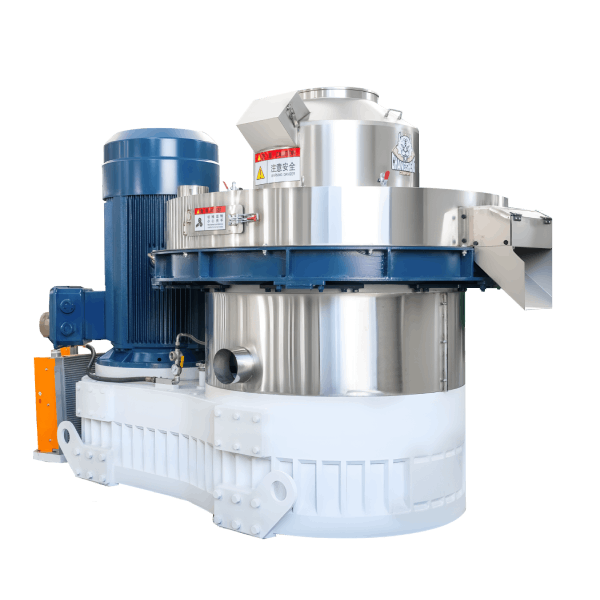
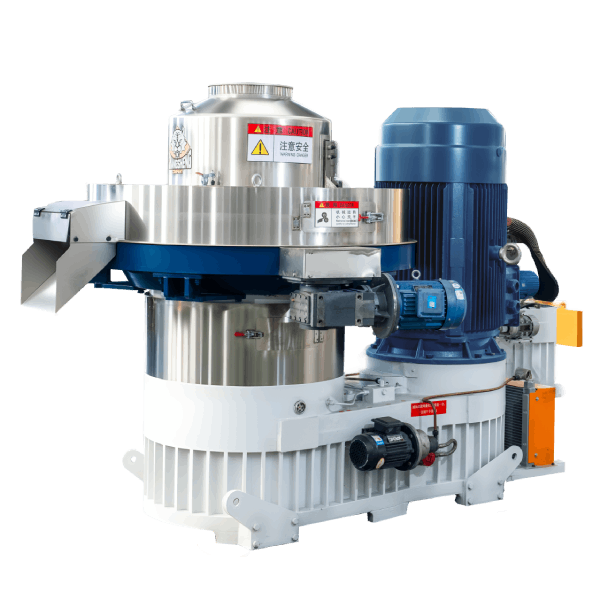
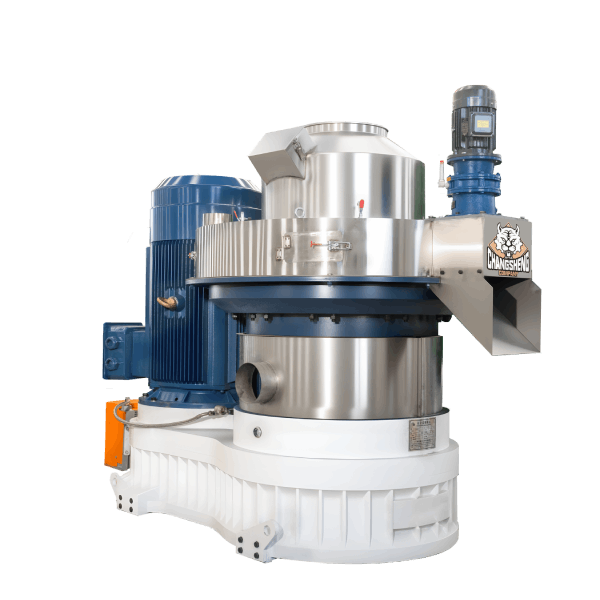
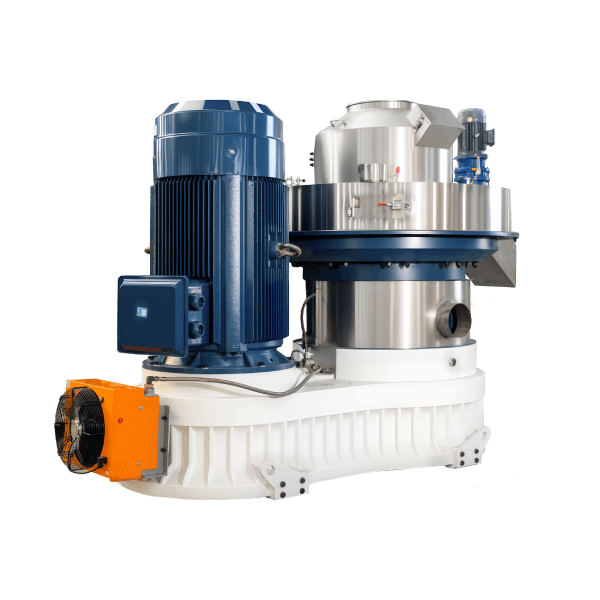
A wood pellet production line from a manufacturer like Shandong Changsheng Machinery Co., Ltd. can be configured to match your capacity and budget requirements.
5. Set Up Operations
Facility Requirements
Requirement Details Building Production, storage space Power 3-phase, adequate capacity Water For cooling, processing Access Truck access for deliveries Ventilation Dust control
Staffing
Position Role Number Plant manager Overall operations 1 Operators Machine operation 2-4 Maintenance Equipment upkeep 1-2 Logistics Material handling 1-2 Sales/Admin Business support 1-2
Quality Control
Parameter Target Frequency Moisture 8-10% Every batch Durability >95% Every batch Ash As per grade Regular Size Consistent Every batch
6. Sales and Distribution
Sales Channels
Channel Description Best For Direct sales End customers Local market Distributors Wholesale Regional Retailers Stores Consumer Export International Large volumes B2B Industrial customers Bulk sales
Pricing Strategy
Factor Consideration Production cost Base price Market price Competitive positioning Grade Premium pricing for quality Volume Bulk discounts Season Higher winter demand
Customer Types
Customer Volume Requirements Homeowners Small Bagged, premium quality Businesses Medium Bagged/bulk, consistent Industrial Large Bulk, industrial grade Exporters Large Container, certification
7. Financial Analysis
Investment Costs
Cost Category Small Plant Medium Plant Large Plant Equipment $100,000 $300,000 $700 ,000 Building $50,000 $100,000 $200,000 Installation $30,000 $60,000 $150,000 Working capital $50,000 $100,000 $250,000 Total $230,000 $560 ,000 $1,300,000
Annual Operating Costs (Medium Plant, 5,000 tons/year)
Cost Category Annual Cost Cost per Ton Raw material $200,000-400,000 $40-80 Energy $50,000-80,000 $10-16 Labor $40,000-80,000 $8-16 Maintenance $15,000-30,000 $3-6 Other $20,000-40,000 $4-8 Total $325,000-630,000 $65-126
Revenue and Profit
Item Low Scenario High Scenario Production 5,000 tons 5,000 tons Selling price $150/ton $200/ton Revenue $750,000 $1,000,000 Operating cost $475,000 $475,000 Gross profit $275,000 $525,000
Payback Period
Scenario Payback Moderate market 2-3 years Good market 1.5-2 years Strong market 1-1.5 years
Common Mistakes to Avoid
Mistake Why Problematic Better Approach Underestimating raw material costs Budget overrun Secure long-term contracts Buying cheap equipment Quality, downtime Invest in reliable equipment Ignoring quality control Lost customers Implement QC system No market research No customers Understand demand first Underestimating working capital Cash flow issues Plan for 6 months
Procurement Checklist
Business Planning
□ Market research completed
□ Business plan developed
□ Raw material sources confirmed
□ Budget established
Equipment
□ Equipment specifications defined
□ Multiple suppliers compared
□ Investment budget confirmed
□ Installation planned
Operations
□ Facility identified
□ Staffing planned
□ QC procedures developed
□ Sales channels identified
Frequently Asked Questions
1. How do I become a wood pellet manufacturer?
Research the market, develop a business plan, secure raw materials, invest in equipment, set up operations, and establish sales channels.
2. How much does it cost to start?
Small plant: $200,000-400,000. Medium plant: $400,000-800,000. Large plant: $800,000-2,000,000+.
3. What equipment do I need?
A complete production line includes receiving, drying, grinding, pelletizing, cooling, screening, and packaging equipment.
4. Where do I get raw materials?
Sawmills, wood processing plants, forestry operations, and agricultural sources provide raw materials.
5. Who buys wood pellets?
Homeowners (bagged), businesses, industrial users, power plants, and export markets.
6. Is wood pellet manufacturing profitable?
Yes, with good market conditions. Profit margins typically range from 15-40% depending on scale and market.
7. What is the biggest challenge?
Raw material supply consistency and market price competition are the biggest challenges.
8. How long does it take to start?
From planning to production: 6-18 months depending on scale and complexity.
About the Author
Zhang Wei – Senior International Sales Engineer, Shandong Changsheng Machinery Co., Ltd.
Zhang Wei has over 12 years of experience in the biomass and feed pellet mill industry, with a background in mechanical engineering and international project execution. He has helped entrepreneurs and businesses across Southeast Asia, the Middle East, Africa, Europe, and Latin America start and grow their pellet manufacturing operations.
With hands-on experience in both the manufacturing workshop and client-side operations, Zhang brings practical insights into successful pellet business ventures—from the factory floor to the customer’s operation.