Pellet machine price request
News 2026-02-12
Pellet Machine Price Request: Technical Cost Evaluation and Procurement Guide for Industrial Buyers
Product Definition (40–60 words)
A pellet machine price request is a formal technical and commercial inquiry used by industrial buyers to obtain accurate pricing for pelletizing equipment based on capacity, raw material, duty cycle, and compliance requirements, ensuring the quoted machine meets production, reliability, and regulatory expectations.
Technical Parameters and Specification Factors Affecting Price
When submitting a pellet machine price request, buyers must define measurable technical parameters that directly influence equipment cost and performance:
• Rated capacity: 0.5–10 tons per hour per machine
• Pellet diameter range: 4–10 mm
• Applicable raw materials: wood chips, sawdust, agricultural residues
• Input moisture tolerance: 12–20 percent after drying
• Installed motor power: 55–315 kW
• Drive system: belt drive or gearbox drive
• Continuous operation time: 16–24 hours per day
• Die material: alloy steel or stainless alloy
• Bearing configuration: heavy-duty industrial bearings
• Control system: local control or PLC-based automation
Clear definition of these parameters prevents inaccurate pricing and post-contract change orders.
Machine Structure and Material Composition
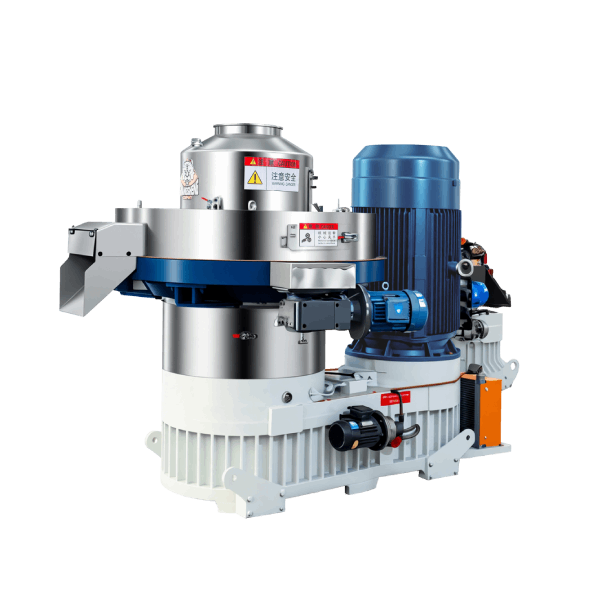
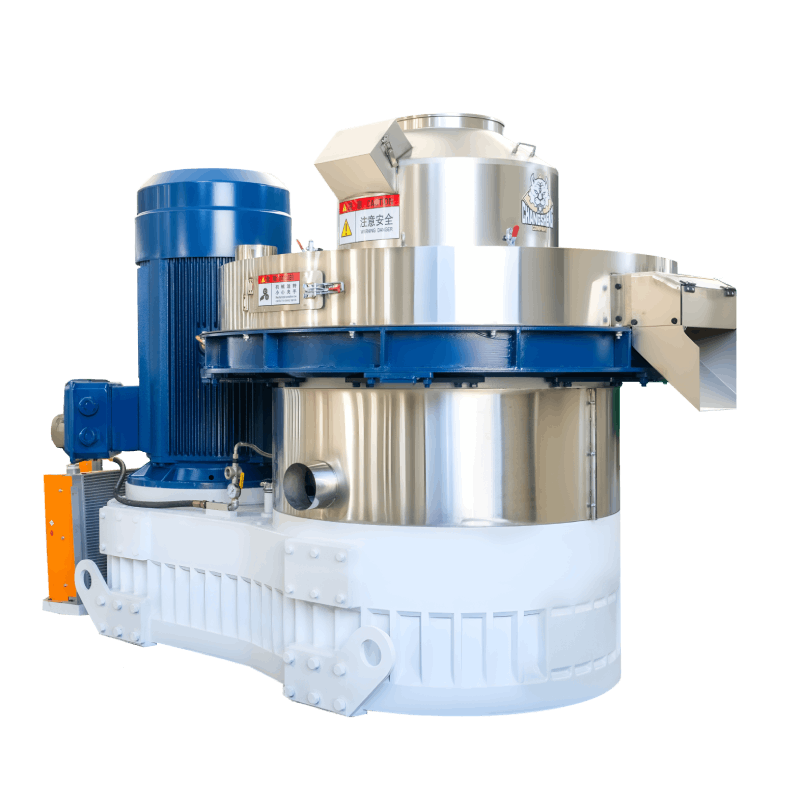
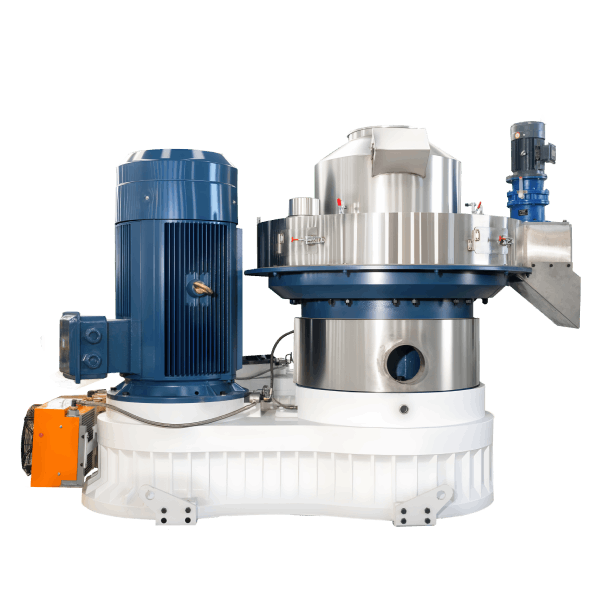
A standard industrial pellet machine is composed of the following structural and material elements:
Main frame
• Carbon steel welded structure
• Stress-relieved for continuous vibration loads
Pelletizing chamber
• Ring die manufactured from forged alloy steel
• Rollers with wear-resistant surface treatment
Drive system
• Industrial gearbox with hardened gears
• High-efficiency electric motor
Feeding system
• Variable-speed screw feeder
• Stainless steel contact parts where required
Lubrication system
• Automatic grease supply to bearings and rollers
Safety components
• Overload protection
• Emergency stop and access guards
Material selection affects wear life, maintenance cost, and long-term total ownership cost.
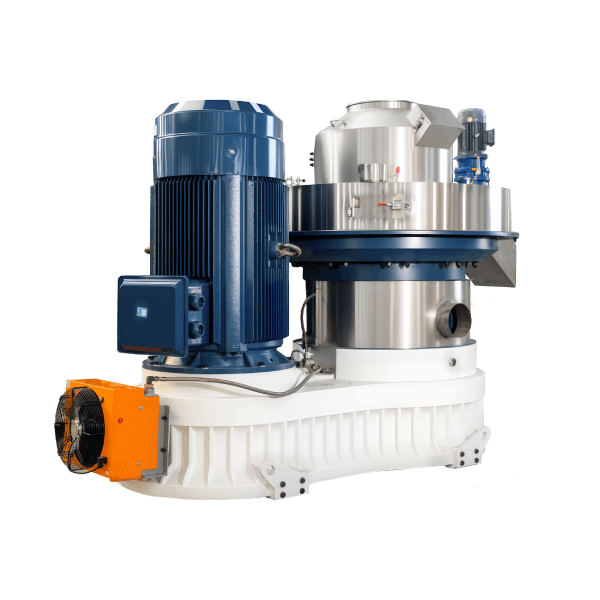
Manufacturing and Pelletizing Process Overview
Step 1: Conditioned material feeding
Equipment: screw feeder
Key point: stable feed rate avoids die overload
Step 2: Compression and extrusion
Equipment: ring die pellet machine
Key point: roller pressure matched to material hardness
Step 3: Pellet cutting
Equipment: adjustable cutter assembly
Key point: pellet length consistency
Step 4: Discharge and cooling transfer
Equipment: discharge chute
Key point: prevent pellet deformation before cooling
While the pellet machine is the core unit, its performance depends on upstream drying and downstream cooling systems.
Industry Comparison: Pellet Machines vs Alternative Densification Equipment
| Equipment Type | Pellet Machine | Briquette Press | Extruder |
|---|---|---|---|
| Product density | High | Medium | Medium |
| Size uniformity | Excellent | Limited | Variable |
| Automation level | High | Medium | Low |
| Spare part cost | Medium | Low | Medium |
| Export market acceptance | High | Low | Medium |
| Typical price range | Medium–High | Low | Medium |
This comparison explains why pellet machines command higher pricing but deliver superior standardization and market acceptance.
Application Scenarios and Buyer Profiles
Distributors and wholesalers
Request pricing to match regional resale margins and after-sales capability.
EPC contractors
Require detailed pellet machine price requests for budget control and tender submissions.
Industrial plant operators
Evaluate price against energy consumption and maintenance cost.
Engineering consultants
Use price data for feasibility studies and financial modeling.
Core Buyer Pain Points and Engineering Solutions
Pain Point 1: Large price differences between suppliers
Solution: standardize technical specifications before requesting quotes
Pain Point 2: Hidden costs after contract signing
Solution: request a complete scope including dies, rollers, and spares
Pain Point 3: Machine underperformance in real operation
Solution: verify reference projects with similar raw materials
Pain Point 4: High wear part replacement frequency
Solution: specify die hardness, roller material, and heat treatment
Risk Warnings and Avoidance Recommendations
• Low-price machines often use undersized bearings
Avoidance: request bearing brand and load rating
• Incomplete quotations exclude control systems
Avoidance: confirm electrical and automation scope
• Inadequate testing before shipment
Avoidance: require no-load and load testing records
• Poor after-sales support increases downtime risk
Avoidance: verify spare part availability and response time
Procurement and Pellet Machine Selection Guide
Step 1: Define production capacity and operating hours
Step 2: Specify raw material type and moisture condition
Step 3: Select drive type based on duty cycle
Step 4: Request detailed technical datasheets
Step 5: Compare energy consumption per ton
Step 6: Evaluate warranty and spare parts policy
Step 7: Confirm installation and commissioning support
This structured approach ensures price comparisons reflect real engineering value.
Engineering Application Example
A biomass fuel project required two 3 t/h pellet machines for hardwood sawdust. The buyer issued a detailed pellet machine price request specifying gearbox drive, alloy steel ring dies, and PLC integration. Final selection reduced unplanned downtime by over 20 percent compared to previous belt-driven machines.
Frequently Asked Questions
- What information is required for a pellet machine price request?
Capacity, material type, pellet size, and operating hours. - Why do pellet machine prices vary widely?
Differences in materials, drive systems, and component quality. - Is gearbox drive always better than belt drive?
For continuous industrial operation, yes. - Does price include spare parts?
Not always; confirmation is required. - How many dies are typically included?
Usually one set unless specified otherwise. - Are installation services included?
Only if clearly stated in the quotation. - How long is the manufacturing lead time?
Typically 30–60 days depending on configuration. - Can pellet machines be customized?
Yes, within capacity and material limits. - Does higher price guarantee better performance?
Only when supported by verified specifications. - Should testing be required before shipment?
Yes, at minimum a no-load test.
Call to Action
For a precise pellet machine price request, submit your production capacity, raw material details, and operating conditions to qualified industrial pellet machine suppliers to receive a technically comparable quotation package.
E-E-A-T Author Credentials
This guide is prepared by industrial pelletizing engineers and procurement consultants with more than 15 years of experience in pellet machine design, supplier evaluation, EPC project execution, and cost benchmarking for biomass and industrial fuel projects worldwide.