Heavy Duty Biomass Pellet Machine: Complete Selection Guide
News 2026-08-29
Page SEO Summary: This guide helps buyers select heavy duty biomass pellet machines—covering key features, standard vs heavy duty comparison, and investment analysis for challenging feedstocks.
Not all pellet mills are built for the same work. A machine that runs smoothly on clean sawdust may struggle—or fail—when processing rice husk, straw, or palm fiber. These challenging feedstocks require a different class of equipment: heavy duty biomass pellet machines.
“Heavy duty” is not a marketing term. It is a technical specification that means thicker steel, larger bearings, heavier gearboxes, and more robust construction throughout. This guide explains what makes a machine truly heavy duty and when you need one.
What Makes a Pellet Machine “Heavy Duty”?
The Technical Definition
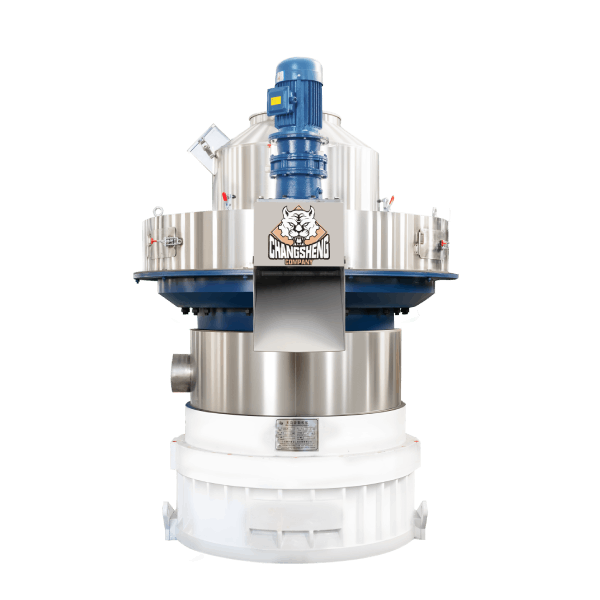
A heavy duty biomass pellet machine is designed and built for continuous operation with challenging feedstocks. It features oversized components, premium materials, and reinforced construction throughout.
Key Differentiators
| Component | Standard | Heavy Duty | Difference |
|---|---|---|---|
| Steel thickness | Standard gauge | Thicker (+30-50%) | More rigidity |
| Bearings | Standard size | Oversized (+20-40%) | Higher load capacity |
| Gearbox | Standard | Heavy-duty, hardened gears | 2× torque capacity |
| Rollers | Standard | Larger, harder | Better compression |
| Die | Standard alloy | Premium alloy, thicker | Longer life |
| Motor power | Standard | +15-25% higher | More torque |
| Weight | Base | +30-50% heavier | Mass = stability |
Heavy Duty vs. Standard: Detailed Comparison
Structural Differences
| Feature | Standard | Heavy Duty | Why It Matters |
|---|---|---|---|
| Housing | Standard casting | Reinforced, ribbed | Handles vibration |
| Shaft | Standard diameter | Oversized | Handles higher torque |
| Frame | Standard | Heavy gauge | Stability |
| Fasteners | Standard | Heavy-duty, larger | Prevents loosening |
Performance Differences
| Metric | Standard | Heavy Duty | Difference |
|---|---|---|---|
| Continuous operation | 8-12 hours | 24/7 | 2-3× runtime |
| Feedstock tolerance | Limited | Wide | Handles abrasives |
| Die life (abrasive material) | 500-1,000 hrs | 1,500-3,000 hrs | 2-3× longer |
| Maintenance frequency | Regular | Extended | Less downtime |
Price Differences
| Scale | Standard | Heavy Duty | Premium |
|---|---|---|---|
| Small (200-500 kg/h) | $8,000-12,000 | $12,000-18,000 | +40-50% |
| Medium (500-1,500 kg/h) | $18,000-28,000 | $28,000-42,000 | +50% |
| Large (1.5-5 t/h) | $40,000-60,000 | $60,000-90,000 | +50% |
Components That Make It Heavy Duty
1. Gearbox
| Feature | Heavy Duty Standard | Standard | Why |
|---|---|---|---|
| Gear teeth | Hardened and ground | Cut only | Longer life |
| Bearing size | Oversized | Standard | Higher load |
| Housing | Heavy cast, ribbed | Standard | Rigidity |
| Oil capacity | Larger | Standard | Better cooling |
| Service factor | 2.0+ | 1.2-1.5 | Safety margin |
2. Bearings
| Aspect | Heavy Duty | Standard | Difference |
|---|---|---|---|
| Size | Oversized | Standard | +20-40% capacity |
| Brand | Premium (SKF/FAG) | Premium or mid | Reliability |
| Sealing | Heavy-duty seals | Standard | Contamination protection |
| Expected life | 20,000+ hours | 10,000-15,000 hours | 50% longer |
3. Rollers
| Aspect | Heavy Duty | Standard | Difference |
|---|---|---|---|
| Diameter | Larger | Standard | Better compression |
| Material | Hardened alloy | Hardened steel | Wear resistance |
| Shell thickness | Thicker | Standard | Longer life |
| Bearing size | Oversized | Standard | Higher load |
4. Die
| Aspect | Heavy Duty | Standard | Difference |
|---|---|---|---|
| Material | X46Cr13 premium | Standard alloy | Wear resistance |
| Thickness | Thicker | Standard | Longer life |
| Compression ratio | Optimized for biomass | Standard | Better quality |
| Expected life | 3,000-4,000 hrs | 1,500-2,500 hrs | 2× longer |
5. Motor
| Aspect | Heavy Duty | Standard | Difference |
|---|---|---|---|
| Power rating | +15-25% higher | Standard | More torque |
| Efficiency | IE3 minimum | IE2-IE3 | Lower operating cost |
| Cooling | Enhanced | Standard | Continuous operation |
When Do You Need Heavy Duty?
Materials That Require Heavy Duty
| Material | Standard Machine | Heavy Duty Required |
|---|---|---|
| Clean sawdust | Yes | No |
| Wood chips | Yes | Maybe (if abrasive) |
| Rice husk | No | Yes |
| Straw | No | Yes |
| Corn stover | No | Yes |
| Bagasse | Maybe | Yes (if abrasive) |
| Palm kernel shell | No | Yes |
| EFB palm fiber | No | Yes |
| Olive pomace | Maybe | Yes (if abrasive) |
Operating Conditions
| Condition | Standard | Heavy Duty |
|---|---|---|
| 8-hour shifts | Acceptable | Overkill |
| 16-hour shifts | Maybe | Recommended |
| 24/7 operation | Not recommended | Required |
| Variable feedstocks | Acceptable | Recommended |
The Decision Matrix
| If You Process | Choose |
|---|---|
| Clean wood only | Standard |
| Mixed wood + occasional biomass | Standard (with upgrades) |
| Agricultural residues regularly | Heavy Duty |
| Abrasive materials regularly | Heavy Duty |
| 24/7 operation | Heavy Duty |
| 16+ hours/day operation | Heavy Duty |
Investment Analysis
Total Cost Comparison (5 Years)
Medium machine, 2,000 hours/year, rice husk feedstock
| Cost Factor | Standard | Heavy Duty | Difference |
|---|---|---|---|
| Purchase price | $25,000 | $38,000 | +$13,000 |
| Die replacements | $12,000 (4×) | $8,000 (2×) | -$4,000 |
| Maintenance | $10,000 | $5,000 | -$5,000 |
| Downtime loss | $15,000 | $3,000 | -$12,000 |
| Total 5-year cost | $62,000 | $54,000 | -$8,000 |
Key Insight: Heavy duty costs more upfront but saves money over 5 years with challenging materials.
When Standard Makes Sense
| If You Process | Choose |
|---|---|
| Clean wood, <8 hours/day | Standard |
| Budget-constrained, short-term | Standard |
| Pilot or trial operation | Standard |
Identifying a Genuine Heavy Duty Machine
Questions to Ask
| Question | What to Look For |
|---|---|
| “What is the gearbox service factor?” | 2.0+ indicates heavy duty |
| “What bearing brands and sizes?” | SKF/FAG, oversized |
| “What die material?” | X46Cr13 or equivalent |
| “What is the machine weight?” | 30-50% heavier = heavy duty |
| “What is the warranty on the gearbox?” | 3+ years = confidence |
| “What is the expected die life with abrasive materials?” | 1,500+ hours = heavy duty |
Visual Indicators
| Indicator | Heavy Duty | Standard |
|---|---|---|
| Steel thickness | Visible thickness | Standard |
| Welding | Full penetration | Standard |
| Fasteners | Heavy gauge | Standard |
| Overall mass | Heavy | Light |
Procurement Checklist: Heavy Duty Biomass Pellet Machine
Material Assessment
- □ Feedstock type identified
- □ Abrasiveness assessed
- □ Operating hours confirmed
Heavy Duty Requirements
- □ Gearbox service factor verified (2.0+)
- □ Bearing brands confirmed (SKF/FAG)
- □ Die material confirmed (X46Cr13)
- □ Machine weight compared to standard
- □ Motor power confirmed
Investment Analysis
- □ Heavy duty premium calculated
- □ 5-year total cost compared
- □ Payback period estimated
Supplier Verification
- □ Factory verified
- □ References from heavy duty applications
- □ Component documentation provided
Frequently Asked Questions
1. What makes a pellet machine “heavy duty”?
Heavy duty machines have thicker steel, oversized bearings, heavier gearboxes, premium die material, and higher motor power than standard machines.
2. When do I need a heavy duty machine?
When processing abrasive materials (rice husk, straw), continuous operation (24/7), or challenging agricultural residues.
3. How much more does a heavy duty machine cost?
Typically 40-60% more than a standard machine. The premium is justified by longer life and lower operating costs with challenging materials.
4. What materials require heavy duty?
Rice husk, straw, corn stover, palm fiber, bagasse (abrasive), and other agricultural residues.
5. Is heavy duty worth the extra cost?
Yes, for challenging materials or continuous operation. Total 5-year cost is often lower due to reduced maintenance and downtime.
6. What is the most important heavy duty feature?
The gearbox is the most critical. A heavy-duty gearbox with hardened gears and a 2.0+ service factor is essential.
7. How can I verify a machine is truly heavy duty?
Check gearbox specifications, bearing brands and sizes, die material, and machine weight. Ask for component documentation.
8. What is the expected life of a heavy duty machine?
15-20+ years with proper maintenance, compared to 8-12 years for standard machines with challenging materials.
About the Author
Zhang Wei – Senior International Sales Engineer, Shandong Changsheng Machinery Co., Ltd.
Zhang Wei has over 12 years of experience in the biomass and feed pellet mill industry, with a background in mechanical engineering and international project execution. He has helped clients across Southeast Asia, the Middle East, Africa, Europe, and Latin America select heavy duty biomass pellet machines for challenging applications.
With hands-on experience in both the manufacturing workshop and client-side operations, Zhang brings practical insights into successful equipment procurement—from the factory floor to the customer’s production site.