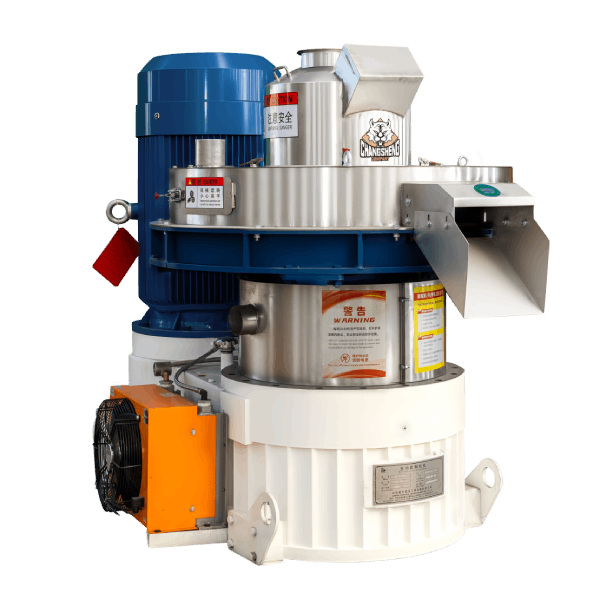
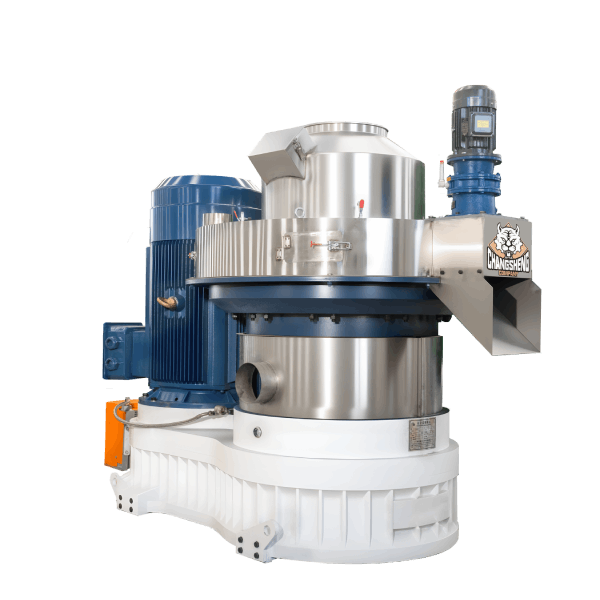
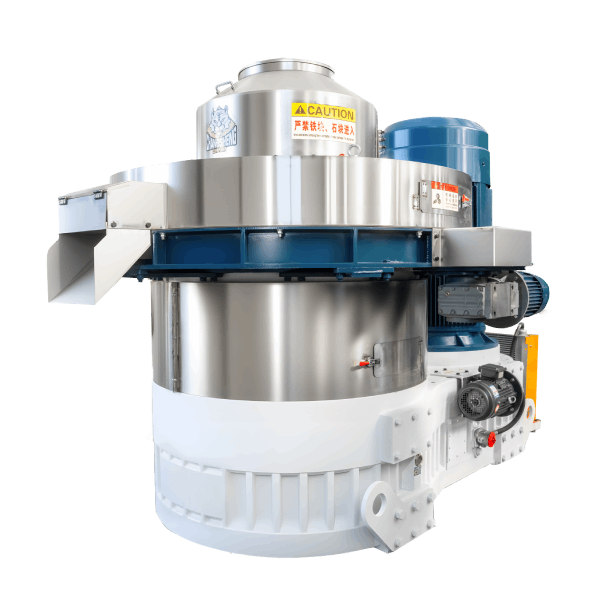
pellet production line raw material preparation
News 2026-02-07
Pellet Production Line Raw Material Preparation: Engineering Guide for Industrial Pellet Plants
Product Definition (40–60 words)
Pellet production line raw material preparation refers to the engineered processes, equipment, and control parameters used to condition biomass or industrial residues into a consistent size, moisture, and cleanliness level suitable for stable, high-efficiency pelletizing under continuous industrial operation.
Technical Parameters and Preparation Specifications
Pellet production line raw material preparation directly determines pellet quality, equipment lifespan, and line stability. The following parameters are commonly applied in industrial projects.
Raw Material Input Requirements
Initial moisture content: 20–60% depending on material type
Target moisture before pelletizing: 10–15%
Acceptable contamination (sand, metal): ≤0.5% by weight
Bulk density (incoming): 150–350 kg/m³
Particle Size Specifications
Maximum particle size before milling: ≤50 mm
Final particle size before pellet mill: ≤5 mm (90% passing)
Recommended fiber length for wood biomass: 2–4 mm
Thermal and Energy Parameters
Drying temperature (hot air inlet): 250–450°C
Material outlet temperature: ≤90°C
Specific thermal energy demand: 800–1,200 kcal per kg of evaporated water
Process Stability Targets
Moisture fluctuation at pellet mill inlet: ±1%
Feed rate variation: ≤5%
Continuous operation capability: ≥20 hours per day
Structural and Material Composition of Preparation Systems
Pellet production line raw material preparation systems must be designed for abrasion resistance, moisture exposure, and continuous duty.
Raw Material Receiving and Storage
Carbon steel receiving hoppers with wear liners
Chain or belt conveyors with sealed covers
Magnetic separators for metal removal
Size Reduction Equipment
Hammer mills with alloy steel hammers
Replaceable screens with standardized perforation sizes
Heavy-duty bearings designed for dust environments
Drying and Moisture Control
Rotary drum dryers or belt dryers
Heat-resistant steel for hot air contact zones
Cyclones and wet scrubbers for exhaust treatment
Feeding and Dosing
Variable-frequency screw feeders
Buffer bins with level sensors
Load cells for mass flow monitoring
Manufacturing Process and Engineering Flow
Pellet production line raw material preparation is an integrated, multi-stage engineering process.
- Raw Material Reception
Bulk biomass or residues are unloaded and buffered to stabilize upstream supply and protect downstream equipment. - Contaminant Removal
Magnetic separators and screening remove metals, stones, and oversized debris to reduce wear and downtime. - Pre-Size Reduction
Large materials are reduced to manageable size using shredders or crushers, improving drying efficiency. - Thermal Drying
Moisture is reduced to the pelletizing window using controlled hot air flow while preserving fiber structure. - Fine Milling
Dried material is milled to uniform particle size suitable for die compression and pellet durability. - Moisture Equalization
Buffer bins allow moisture stabilization and continuous, uniform feeding to the pellet mill.
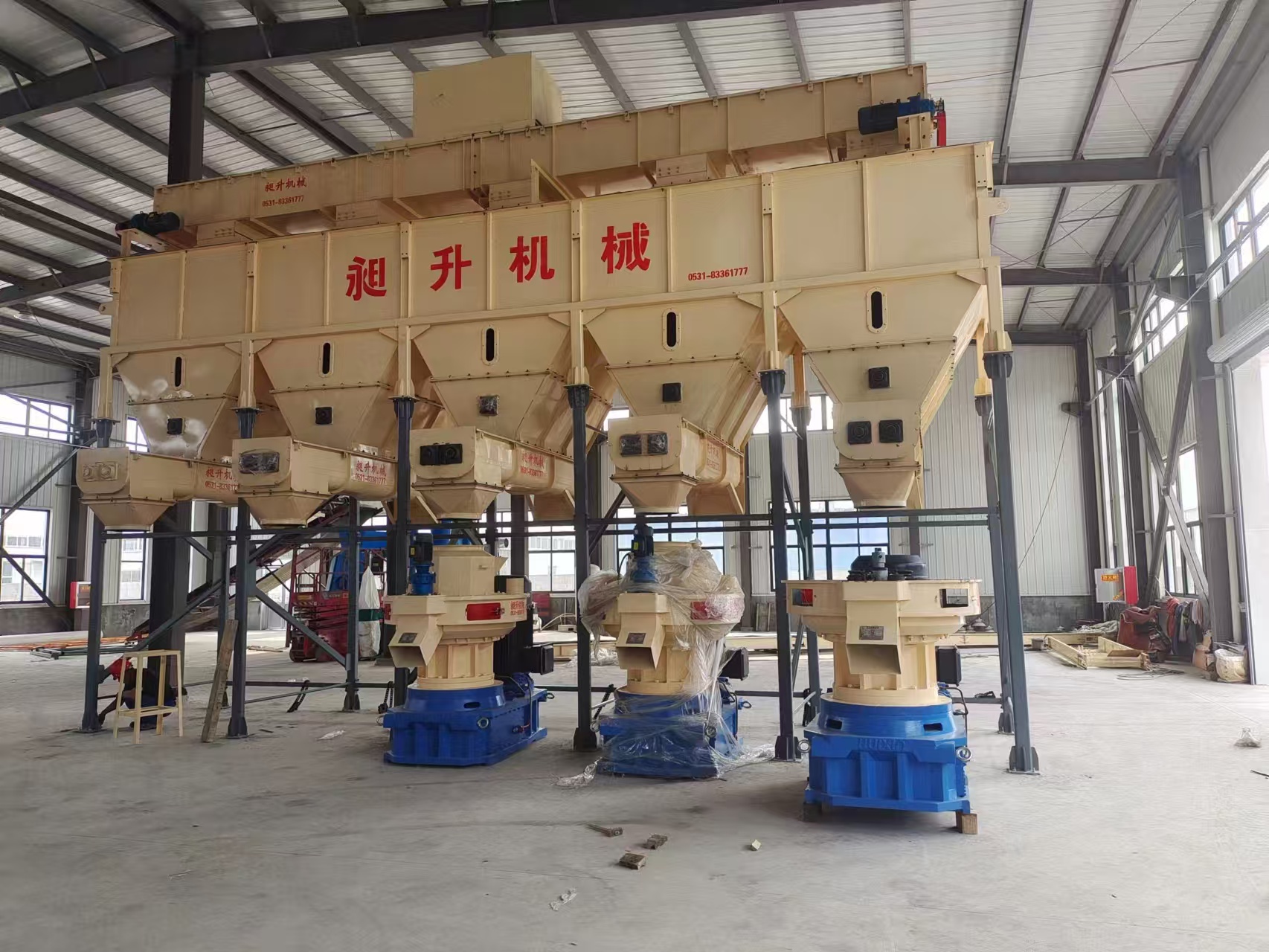
Industry Comparison
Raw Material Preparation Approaches Comparison
Parameter | Integrated Preparation Line | Minimal Preparation | Direct Pelletizing
Moisture Control | Precise | Limited | Poor
Pellet Quality | High | Medium | Low
Equipment Wear | Low | Medium | High
Operational Stability | High | Medium | Low
Long-Term Cost | Optimized | Unstable | High
Effective pellet production line raw material preparation significantly reduces downstream operational risk.
Application Scenarios
Pellet production line raw material preparation is critical for the following users:
Distributors sourcing consistent pellet fuel quality
EPC contractors delivering turnkey pellet plants
Engineering consultants designing biomass processing facilities
Importers evaluating complete pellet line solutions
Industrial plants utilizing internal biomass residues
Core Pain Points and Engineering Solutions
Inconsistent Moisture Content
Cause: uncontrolled drying and storage
Solution: closed-loop moisture monitoring and buffer bins
Excessive Equipment Wear
Cause: contaminants and oversized particles
Solution: magnetic separation and staged size reduction
Unstable Pellet Output
Cause: variable feed density and particle size
Solution: mass-flow-controlled feeding systems
High Energy Consumption
Cause: inefficient drying strategy
Solution: optimized dryer sizing and waste heat integration
Risk Warnings and Mitigation Strategies
Ignoring Raw Material Variability
Risk: frequent line interruptions
Mitigation: seasonal material analysis and design margin
Underestimating Drying Load
Risk: bottlenecks and pellet mill overload
Mitigation: moisture balance calculation during design
Poor Dust Control
Risk: safety hazards and regulatory issues
Mitigation: sealed conveyors and dust extraction systems
Over-Simplified Preparation Design
Risk: short equipment lifespan
Mitigation: industrial-duty component selection
Procurement and Selection Guide
- Identify raw material type, origin, and seasonal variation
- Measure average and peak moisture content
- Define target pellet quality requirements
- Specify contamination limits and cleaning requirements
- Evaluate preparation equipment duty ratings
- Request process flow and moisture balance calculations
- Review energy integration options
- Confirm spare parts and wear component strategy
Engineering Case Scenario
A 6-ton-per-hour pellet plant processing mixed hardwood sawdust and bark implemented a dedicated pellet production line raw material preparation system. The design included magnetic separation, dual-stage size reduction, and a rotary dryer. Stable moisture control at 12% enabled continuous operation at 93% design load and reduced pellet mill die wear by over 20%.
Frequently Asked Questions (FAQ)
Why is raw material preparation critical for pelletizing?
It determines pellet quality, stability, and equipment lifespan.
What moisture level is optimal before pelletizing?
Typically 10–15% depending on material type.
Can one preparation system handle multiple materials?
Yes, within similar moisture and density ranges.
Is drying always required?
Yes, if incoming moisture exceeds pelletizing limits.
What is the role of buffer bins?
They stabilize feed rate and moisture consistency.
How is metal contamination removed?
Through magnetic separators and screening.
Does finer particle size always improve pellets?
No, excessive fines can reduce pellet durability.
What preparation step consumes the most energy?
Thermal drying.
Can preparation be retrofitted to existing lines?
Yes, with proper layout and integration planning.
What documentation should buyers request?
Material test reports, process flow, and energy balance.
Call to Action
For project-specific pellet production line raw material preparation design, procurement teams may request technical datasheets, process layouts, material testing, or engineering consultation to ensure stable pellet quality and long-term operational reliability.
E-E-A-T Author Credentials
This article is prepared by an industrial process engineer with over 15 years of experience in biomass pellet plant design, raw material conditioning systems, and EPC project execution for commercial-scale pellet production facilities.