Durable Pellet Production Line: Complete Selection Guide

News 2026-08-26

Page SEO Summary: This comprehensive guide explains what makes a durable pellet production line—covering key components, quality indicators, lifespan expectations, and selection criteria for long-term reliability.

A pellet production line is a major capital investment. Durability—the ability to operate reliably over many years—is one of the most important factors in equipment selection. A durable production line minimizes downtime, reduces maintenance costs, and delivers a better return on investment.

This guide explains what makes a pellet production line durable, how to evaluate durability, and why investing in durable equipment pays off.


What Is a Durable Pellet Production Line?

Definition

durable pellet production line is a system designed and built to withstand continuous operation, resist wear, and maintain performance over many years with minimal maintenance and downtime.

What Durability Means

AspectDurableStandard
Service life15-20+ years8-12 years
Downtime<5%10-15%
MaintenancePredictable; manageableFrequent; unpredictable
Component lifeLongModerate
PerformanceConsistentDeclines over time

Key Durable Components

1. Pellet Mill

ComponentDurable FeatureWhy It Matters
MotorPremium brand (ABB, Siemens)Reliability
BearingsSKF, FAG, NSKLong life
GearboxHeavy-duty; hardened gears20+ year life
DiePremium alloy3,000-4,000 hours
HousingHeavy cast/fabricatedRigidity

2. Dryer

ComponentDurable FeatureWhy It Matters
DrumHeavy gauge steelWear resistance
SealsPremium sealsLeak prevention
BearingsHeavy-dutyLong life
LiftersHardenedWear resistance

3. Hammer Mill

ComponentDurable FeatureWhy It Matters
HammersHardened alloyLonger life
ScreensHeavy-dutyWear resistance
BearingsHeavy-dutyLong life
HousingHeavy gaugeRigidity

4. Conveying Systems

ComponentDurable FeatureWhy It Matters
BeltsHeavy-dutyLonger life
BearingsSealedLess maintenance
StructureHeavy gaugeDurability
MotorsPremiumReliability

Durability Indicators

Materials and Construction

IndicatorWhat to Look For
Steel thicknessHeavy gauge throughout
Weld qualityProfessional; consistent
Surface treatmentProper painting/coating
FastenersHigh-quality; corrosion-resistant

Component Quality

IndicatorWhat to Look For
Motor brandPremium (ABB, Siemens)
Bearing brandSKF, FAG, NSK
Gearbox typeHeavy-duty
Die materialPremium alloy
Control componentsPremium brands

Design Features

IndicatorWhat to Look For
RedundancyBackup systems
AccessibilityEasy maintenance
ProtectionOverload; overheat
LubricationAutomatic systems

Lifespan Expectations

Component Lifespan

ComponentDurableStandardDifference
Pellet mill15-20 years8-12 years+7-8 years
Motor15-20 years10-15 years+5 years
Gearbox20+ years10-15 years+10 years
Die3,000-4,000 hrs2,000-3,000 hrs+1,000 hrs
Rollers2,000-3,000 hrs1,000-2,000 hrs+1,000 hrs

Production Line Lifespan

FactorDurableStandard
Total life15-20 years8-12 years
Major overhaul10+ years5-7 years
Minor maintenanceAnnualQuarterly
Uptime95%+85-90%

Durable vs Standard

Comparison

AspectDurableStandardDifference
Initial cost1.3-1.5×+30-50%
Life expectancy15-20 years8-12 years+7-8 years
Annual maintenance3-5% of cost8-12% of cost50% less
Downtime<5%10-15%50% less
Replacement cycle1.5-2×2× longer

Total Cost Comparison (20 Years)

Cost FactorDurableStandard (2 lines)
Initial purchase$1,500,000$1,000,000 × 2
Maintenance$200,000$400,000
Downtime cost$100,000$300,000
Total$1,800,000$2,700,000
Savings$900,000

Why Durability Pays Off

Benefits

BenefitImpact
Lower total costFewer replacements
Less downtimeHigher production
Lower maintenanceLess cost and effort
Consistent qualityBetter product
Higher resale valueBetter asset value
Less hasslePeace of mind
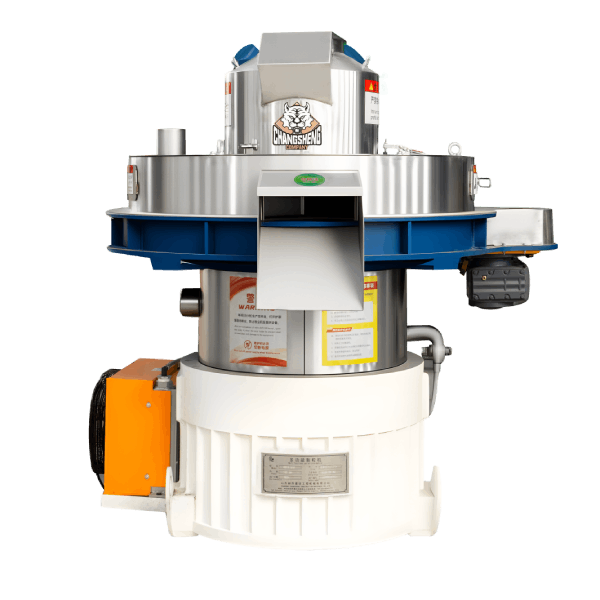
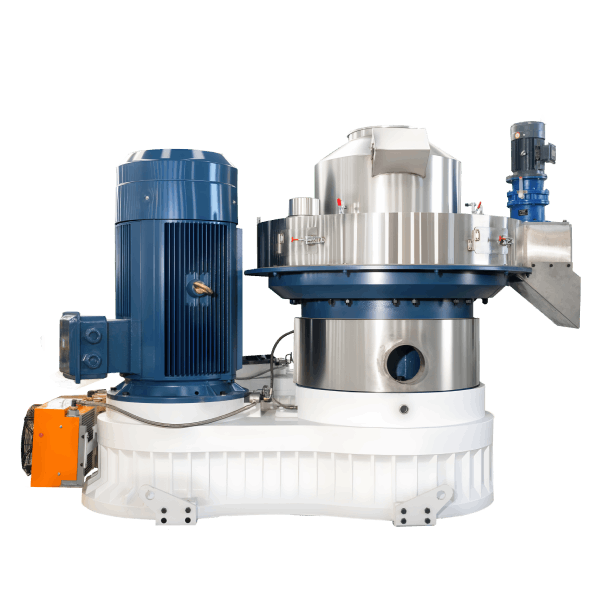
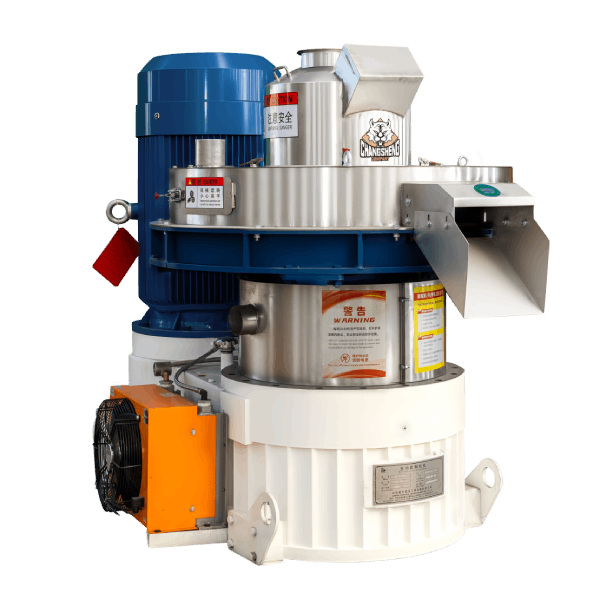
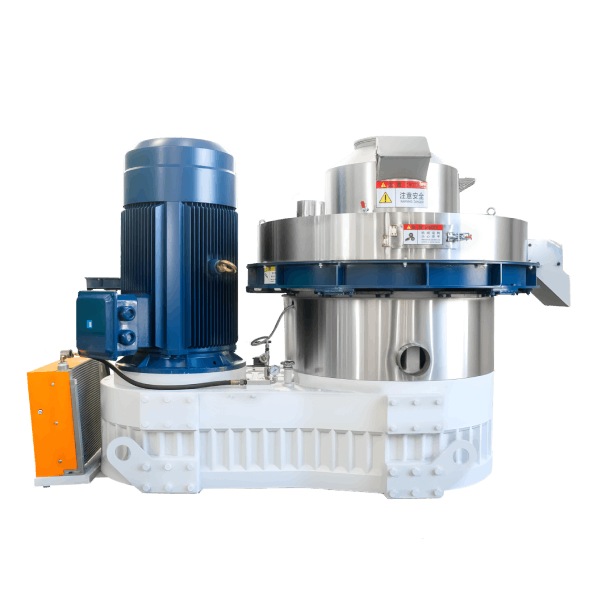
Changsheng GZLH560 pellet mill heavy-duty wear-resistant ring die and roller for long lifespan

ROI Example

FactorValue
Premium cost+$500,000
Annual savings$50,000-100,000
Payback5-10 years
Additional life7-10 years

How to Evaluate Durability

Questions to Ask

QuestionWhy Ask
“What is the expected service life?”Longevity
“What component brands are used?”Quality
“What is the maintenance schedule?”Reliability
“What is the warranty?”Confidence
“What is the uptime track record?”Reliability
“Are spare parts available?”Support

Factory Visit Checklist

ItemWhat to Check
Construction qualitySteel gauge; welds
Component brandsVerify labels
Quality controlTesting procedures
DesignAccessibility; protection
Spare partsInventory levels
WarrantyCoverage; terms

Maintenance Impact

Maintenance Requirements

AspectDurableStandard
Routine maintenanceWeeklyDaily
Major maintenanceAnnualQuarterly
Wear part replacementLess frequentMore frequent
Downtime for maintenanceLessMore

Maintenance Cost Comparison

Cost FactorDurableStandardSavings
Annual maintenance3-5% of cost8-12% of cost50%
Wear parts2-4× longer50-75%
LaborLess frequentMore frequent40-60%

Procurement Checklist

Durability Assessment

  • □ Expected service life confirmed
  • □ Component brands verified
  • □ Construction quality inspected
  • □ Warranty terms reviewed
  • □ Maintenance requirements understood

Supplier Evaluation

  • □ Supplier reputation verified
  • □ References contacted
  • □ Factory visited or toured
  • □ Spare parts availability confirmed

Value Assessment

  • □ Total cost of ownership calculated
  • □ Payback period estimated
  • □ Best value selected

Frequently Asked Questions

1. What makes a pellet production line durable?

Durable production lines use premium components (SKF bearings, ABB motors), heavy-gauge construction, and are designed for accessibility and maintainability.

2. How long should a pellet production line last?

A durable production line should last 15-20 years. Standard lines last 8-12 years. Premium construction extends life significantly.

3. Is durable equipment worth the extra cost?

Yes. While initial cost is 30-50% higher, total cost over the equipment’s life is often lower due to reduced maintenance, less downtime, and longer life.

4. What components are most important for durability?

Motor, bearings, gearbox, and die are the most critical. Premium brands in these areas indicate durability.

5. How much maintenance does a durable line require?

Durable lines require less frequent maintenance—weekly routine checks and annual major maintenance vs. daily checks and quarterly major maintenance for standard lines.

6. What is the payback period for durable equipment?

Typically 5-10 years, considering reduced maintenance, less downtime, and longer service life.

7. How can I verify durability before purchase?

Check component brands, inspect construction quality, review warranty, and contact references. Visit the factory if possible.

8. What is the biggest benefit of durability?

Lower total cost of ownership over the equipment’s life is the biggest benefit. Peace of mind and less hassle are also significant.


About the Author

Zhang Wei – Senior International Sales Engineer, Shandong Changsheng Machinery Co., Ltd.

Zhang Wei has over 12 years of experience in the biomass and feed pellet mill industry, with a background in mechanical engineering and international project execution. He has helped clients across Southeast Asia, the Middle East, Africa, Europe, and Latin America select durable pellet production lines for long-term reliability.

With hands-on experience in both the manufacturing workshop and client-side operations, Zhang brings practical insights into successful equipment procurement—from the factory floor to the customer’s production site.