Page SEO Summary: This comprehensive guide covers everything about small wood pellet machines—types, capacities, applications, prices, and selection criteria for small-scale production.
A small wood pellet machine is the perfect entry point for homeowners, small farms, and entrepreneurs looking to produce their own wood pellets. Whether for home heating, small-scale feed production, or a side business, small pellet machines offer an affordable way to get started.
This guide provides a comprehensive overview of small wood pellet machines, helping you understand what they are, how they work, and how to choose the right one for your needs.
What Is a Small Wood Pellet Machine?
Basic Definition
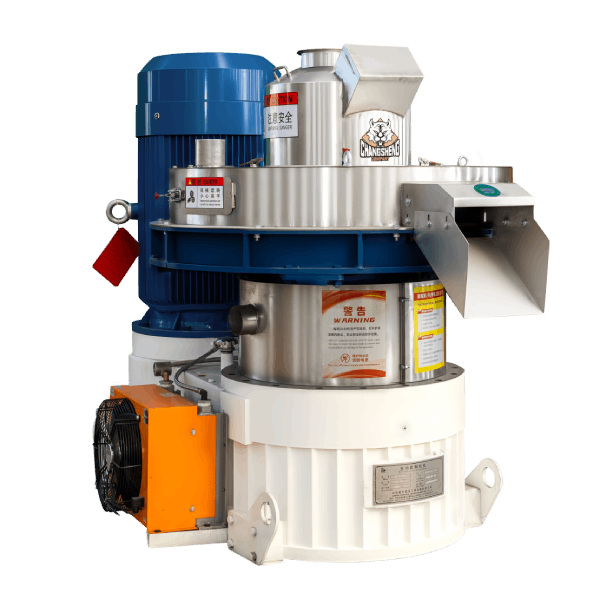
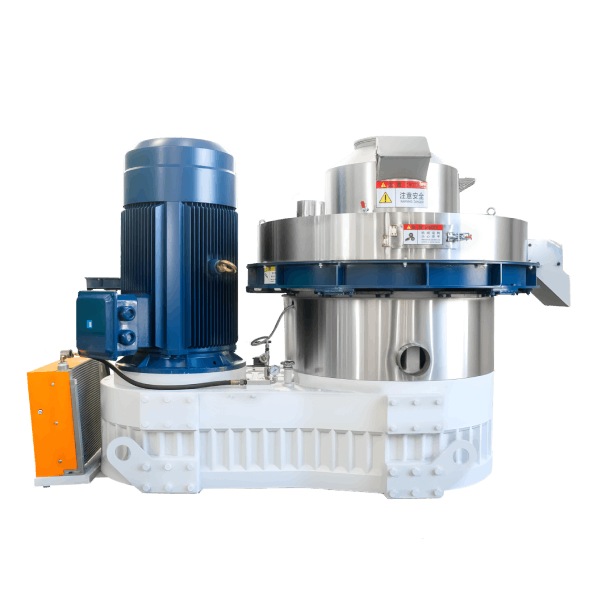
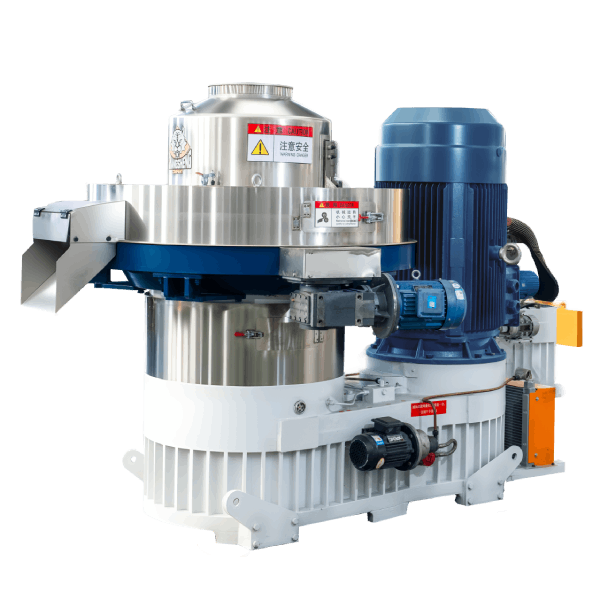
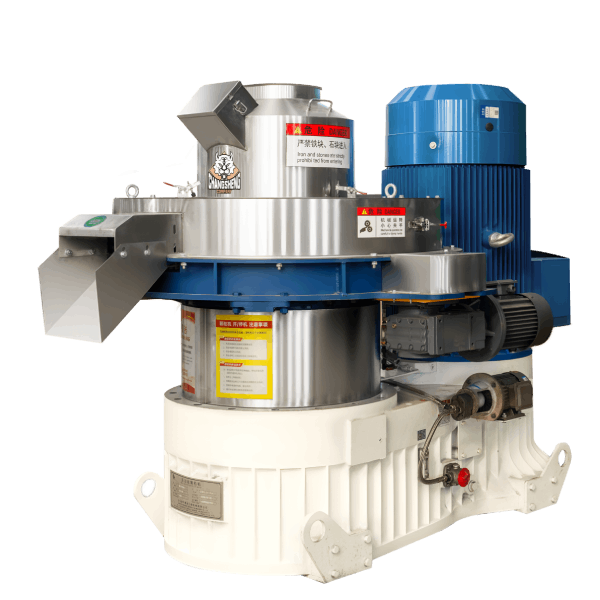
A small wood pellet machine (also called a small pellet mill) is a compact, affordable machine designed for small-scale production of wood pellets. Typically using a flat die design, these machines are suitable for capacities ranging from 30 to 200 kg/h.
Who It’s For
User Type
Typical Capacity
Application
Homeowner
30-50 kg/h
Home heating
Small farm
50-100 kg/h
On-farm use
Small business
100-200 kg/h
Commercial use
Hobbyist
30-50 kg/h
Personal use
How a Small Wood Pellet Machine Works
The Basic Principle
Step
Description
1
Wood material (sawdust, chips) is ground to 2-5 mm
2
Material enters the die chamber
3
Rollers press material through die holes
4
Friction generates heat, activating lignin
5
Pellets exit the die and are cut to length
Key Components
Component
Function
Die
Flat plate with holes that shapes pellets
Rollers
Press material through die holes
Motor
Powers the machine
Feeder
Controls material input
Cutter
Trims pellets to length
Types of Small Wood Pellet Machines
By Capacity
Capacity
Typical Motor
Best For
30-50 kg/h
3-5 kW
Home/hobby
50-80 kg/h
5-7.5 kW
Small farm
80-120 kg/h
7.5-11 kW
Medium farm
120-200 kg/h
11-15 kW
Small commercial
By Power Source
Type
Advantages
Disadvantages
Electric
Clean; quiet; lower running cost
Requires power connection
Diesel/Petrol
Portable; no power needed
Noisy; higher running cost
By Configuration
Type
Description
Best For
Standalone machine
Just the pellet mill
If you have grinding equipment
Complete small line
Mill + hammer mill + cooler
Complete production
Capacity and Scale
What Capacity Do You Need?
Application
Daily Production
Recommended Capacity
Home heating (1 stove)
20-40 kg/day
30-50 kg/h
Home heating (2 stoves)
40-80 kg/day
50-80 kg/h
Small farm (heating)
50-100 kg/day
80-120 kg/h
Small farm (feed + heating)
100-200 kg/day
120-200 kg/h
Side business
200-500 kg/day
150-200 kg/h
Annual Production Example
Capacity
Operating Hours
Annual Production
50 kg/h
1,000 hours/year
50 tons/year
80 kg/h
1,000 hours/year
80 tons/year
120 kg/h
1,000 hours/year
120 tons/year
200 kg/h
1,000 hours/year
200 tons/year
Applications of Small Wood Pellet Machines
Home Heating
Use
Description
Pellet stoves
Heat individual rooms
Pellet boilers
Heat entire homes
Supplemental heat
Reduce heating costs
Small Farm
Use
Description
Barn heating
Warm livestock areas
Greenhouse heating
Extend growing season
Drying crops
Post-harvest drying
Side Business
Use
Description
Selling to neighbors
Local pellet sales
Selling to local stores
Small retail business
Online sales
E-commerce pellets
What You Need Before Buying
Equipment Needed
Equipment
Required?
Notes
Pellet machine
Yes
Core equipment
Hammer mill
Yes
If raw material isn’t ground
Dryer
Sometimes
If moisture >15%
Cooler
Optional
For better storage
Space Requirements
Area
Size
Notes
Machine footprint
1-2 m²
Varies by model
Work area
5-10 m²
Operation and movement
Storage
10-20 m²
Raw material and pellets
Raw Material Preparation
Requirement
Details
Moisture
10-12%
Particle size
2-5 mm
Clean material
No stones or metal
Price Overview
Price Ranges
Capacity
Type
Price Range (USD)
30-50 kg/h
Flat die (electric)
$500-1,000
50-80 kg/h
Flat die (electric)
$1,000-1,800
80-120 kg/h
Flat die (electric)
$1,800-2,800
120-200 kg/h
Flat die (electric)
$2,800-4,500
Any capacity
Diesel/petrol
+20-40%
Complete Small Line
Capacity
Complete Line Cost (USD)
50 kg/h
$2,000-4,000
100 kg/h
$3,500-6,000
200 kg/h
$5,000-10,000
Operation and Maintenance
Daily Operation
Step
Task
1
Check material moisture
2
Start machine
3
Feed material gradually
4
Monitor pellet quality
5
Adjust as needed
6
Clean after use
Routine Maintenance
Task
Frequency
Clean die
After each use
Lubricate bearings
Weekly
Inspect rollers
Monthly
Check belts
Monthly
Replace die
As needed (hours of use)
Common Issues
Issue
Cause
Solution
Poor quality pellets
Wrong moisture
Adjust moisture
Machine jamming
Feed too fast
Slow feed rate
Excessive fines
Material too dry
Add moisture
Selection Considerations
Key Questions
Question
Why Important
“What is your target capacity?”
Sizing
“What is your power supply?”
Motor specification
“What is your budget?”
Options
“What material will you use?”
Configuration
“Where will you operate it?”
Indoor/outdoor
Decision Matrix
If You
Choose
Have limited space
Compact flat die
Have no power connection
Diesel/petrol model
Want simplest operation
Electric flat die
Need higher capacity
Larger flat die
Procurement Checklist
Requirements
□ Capacity confirmed
□ Power supply confirmed (electric/diesel)
□ Space confirmed
□ Budget established
□ Raw material source confirmed
Evaluation
□ Multiple suppliers compared
□ Component quality reviewed
□ Warranty terms understood
□ Support capability confirmed
Decision
□ Best option selected
□ Supplier chosen
□ Order placed
Frequently Asked Questions
1. What is a small wood pellet machine?
A small wood pellet machine is a compact, affordable machine designed for small-scale production of wood pellets. It typically uses a flat die design with capacities of 30-200 kg/h.
2. What capacity do I need?
A home user needs 30-50 kg/h. A small farm needs 50-100 kg/h. A small business needs 100-200 kg/h. Choose based on your annual pellet requirement.
3. How much does a small wood pellet machine cost?
Prices range from $500-1,000 for 30-50 kg/h models to $2,800-4,500 for 120-200 kg/h models. Complete small lines cost $2,000-10,000.
4. Can I make wood pellets at home?
Yes, with a small wood pellet machine. You need dry, ground wood material (sawdust or wood chips) and the machine to pelletize it.
5. Is it cheaper to make my own pellets?
Yes, if you have access to low-cost raw materials. Self-production can save 30-50% compared to buying commercial pellets.
6. Do I need a hammer mill?
If your raw material is not already ground to 2-5 mm, you need a hammer mill. Most small wood pellet machines require pre-ground material.
7. How long does a small pellet machine last?
With proper maintenance, a small pellet machine can last 5-10+ years. The die is a consumable component that needs periodic replacement.
8. Can I make other materials besides wood?
Many small pellet machines can process other materials like feed grains, agricultural residues, and some biomass materials with appropriate die settings.
Zhang Wei has over 12 years of experience in the biomass and feed pellet mill industry, with a background in mechanical engineering and international project execution. He has helped small farmers, homeowners, and entrepreneurs across Southeast Asia, the Middle East, Africa, Europe, and Latin America find the right small wood pellet machines for their needs.
With hands-on experience in both the manufacturing workshop and client-side operations, Zhang brings practical insights into successful equipment procurement—from the factory floor to the small farm.