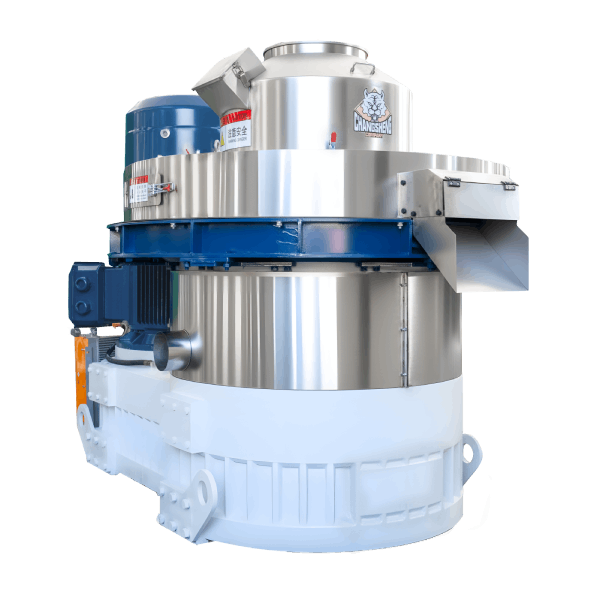
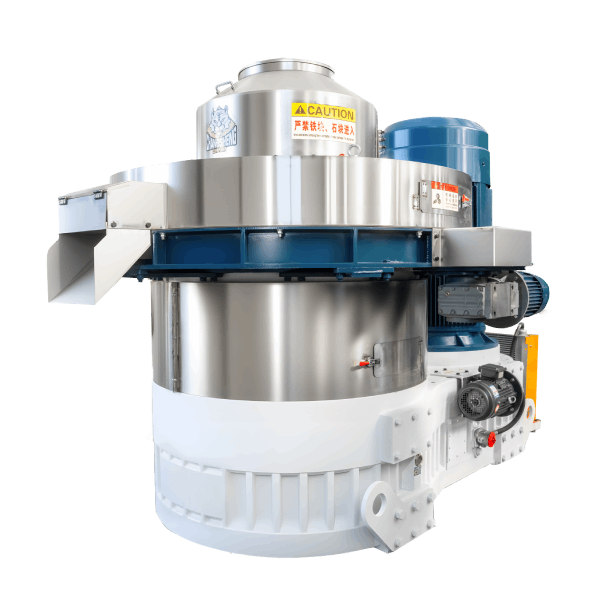
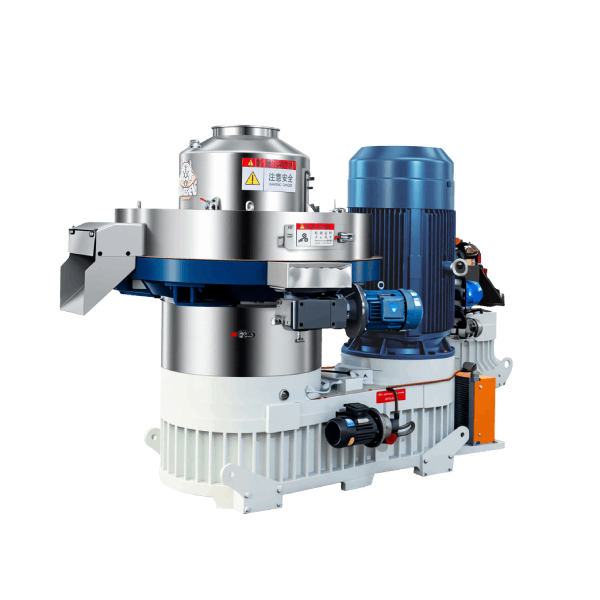
Page SEO Summary: This comprehensive guide helps Australian buyers find small pellet mills—covering supplier options, price ranges, RCM compliance, and buying guidance for small-scale production.
Australia’s growing interest in renewable energy and sustainable agriculture has increased demand for small pellet mills. From farmers making animal feed to small businesses producing biomass fuel, small pellet mills offer an affordable entry point into pellet production.
This guide provides a comprehensive overview of the Australian small pellet mill market, helping you make informed purchasing decisions.
Australian Small Pellet Mill Market
Market Context
Aspect
Details
Market size
Growing; driven by agriculture and renewable energy
Key applications
Animal feed; biomass fuel; hobby
User types
Farmers; small businesses; home users
Quality standards
RCM; AS/NZS
Common Applications
Application
Description
Typical Users
Animal feed
Feed for poultry, pigs, rabbits
Farmers; small farms
Wood pellets
Heating; residential
Homeowners; small businesses
Biomass fuel
Agricultural waste utilization
Farmers; entrepreneurs
Hobby
Personal use
Home users
Buying Options
Option
Description
Best For
Australian distributors
Local dealers with inventory
Quick delivery; local support
Online retailers
E-commerce sales
Convenience
Direct import
From overseas manufacturers
Best price
Used equipment
Second-hand machines
Budget-conscious
Suppliers and Options
Types of Suppliers
Type
Characteristics
Pros
Cons
Australian distributors
Import and sell
Local support; stock
Higher price
Online retailers
E-commerce sales
Convenient
Limited support
Direct import
From manufacturer
Best price
No local support
Key States
State
Characteristics
New South Wales
Largest market; diverse users
Victoria
Growing demand; agriculture
Queensland
Agriculture; biomass
Western Australia
Mining; agriculture
South Australia
Agriculture
Price Ranges (Australian Market)
Estimated Prices in AUD
Type
Capacity
Price Range
Small flat die (hobby)
30-80 kg/h
$800-2,000
Medium flat die
80-150 kg/h
$2,000-4,000
Large flat die
150-300 kg/h
$4,000-7,000
Ring die (small)
200-500 kg/h
$7,000-15,000
Complete small line
50-200 kg/h
$5,000-12,000
Price Comparison
Source
Price
Delivery Time
Support
Australian distributor
Highest
1-5 days
Excellent
Online retailer
High
1-2 weeks
Moderate
Direct import (China)
Lowest (25-40% savings)
6-12 weeks
Limited
Local Purchase vs Import
Comparison
Aspect
Australian Purchase
Direct Import
Price
Higher
Lower (25-40% savings)
Delivery
1-7 days
6-12 weeks
RCM compliance
Guaranteed
Must verify
Support
Local; immediate
Remote; limited
Spare parts
Readily available
May take time
Warranty
Australian service
International service
Customs
None (local stock)
Buyer responsible
When to Choose Australian Purchase
Scenario
Reason
Need machine quickly
Fast delivery
Want local support
Easy communication
Limited import experience
No customs hassle
Budget allows
Premium for convenience
First-time buyer
Simpler process
When to Consider Direct Import
Scenario
Reason
Large budget savings
25-40% lower cost
Import experience
Know the process
Not time-sensitive
Can wait for delivery
Previous experience
Know what to expect
Australian Compliance Requirements
Key Standards
Standard
Requirement
Applicability
RCM
Regulatory Compliance Mark
All electrical equipment
AS/NZS 4024
Machinery safety
Machinery
AS/NZS 3000
Electrical wiring
Installation
AS 1145
Electrical equipment
Equipment
Certification Requirements
Certification
When Required
RCM
Electrical equipment sold in Australia
Supplier Declaration
Compliance declaration
Test reports
Evidence of compliance
Documentation Required
Document
Purpose
RCM certificate
Compliance
Declaration of conformity
Compliance declaration
User manual
Operating instructions
Warranty
Terms and conditions
Common Applications in Australia
Agricultural Feed
Livestock
Pellet Size
Typical Need
Poultry
2-4 mm
Small-medium farms
Pigs
2-5 mm
Small-medium farms
Rabbits
3-4 mm
Small operations
Sheep/Goats
4-6 mm
Farms
Wood Pellets
Application
Pellet Size
Typical Users
Home heating
6 mm
Homeowners
Small business
6-8 mm
Businesses
Hobby
6 mm
Home users
Biomass from Agricultural Waste
Material
Application
Regions
Straw
Fuel
Grain-growing areas
Hay residues
Fuel
Pastoral areas
Cotton stalks
Fuel
Cotton-growing areas
Buying Process
Steps to Buy in Australia
Step
Action
Timeline
1
Define your needs
1-2 weeks
2
Research suppliers
1-2 weeks
3
Request quotes
1 week
4
Compare options
1-2 weeks
5
Select supplier
1 week
6
Order and payment
1 week
7
Delivery
1-7 days (local)
8
Installation
1-2 weeks
9
Commissioning
1 week
Questions to Ask Australian Suppliers
Question
Why
“Do you have RCM compliance?”
Legal requirement
“Do you have stock in Australia?”
Delivery time
“What is the warranty?”
Protection
“Do you have spare parts?”
Maintenance
“Can you provide installation support?”
Setup help
Procurement Checklist: Australian Purchase
Needs Assessment
□ Application defined (feed/fuel/hobby)
□ Capacity requirement confirmed
□ Budget established
□ Timeline confirmed
Supplier Evaluation
□ 3-5 suppliers compared
□ Australian stock checked
□ Support capability verified
□ References contacted
Compliance
□ RCM compliance verified
□ Documentation available
□ AS/NZS standards met
□ Warranty reviewed
Final Decision
□ Price compared (total delivered)
□ Support confirmed
□ Delivery date confirmed
Frequently Asked Questions
1. Where can I buy a small pellet mill in Australia?
You can buy from Australian distributors, online retailers, and directly from overseas manufacturers. Local distributors offer the fastest delivery and best support.
2. What is the price range in Australia?
Small hobby machines: $800-2,000 AUD. Commercial small machines: $2,000-7,000 AUD. Complete small lines: $5,000-12,000+ AUD.
3. Is it cheaper to import from China?
Yes. Direct import from China can save 25-40% on equipment cost. However, consider shipping time, import duties, and support availability.
4. What compliance is required in Australia?
RCM (Regulatory Compliance Mark) is required for electrical equipment. Equipment must meet AS/NZS safety standards.
5. Do Australian suppliers offer support and spare parts?
Yes. Australian distributors typically offer local support, installation assistance, and readily available spare parts. This is a key advantage over direct import.
6. What materials can I pelletize?
Common materials: animal feed ingredients, wood sawdust, agricultural residues (straw, hay), and biomass materials. Small pellet mills are versatile.
7. Can I make wood pellets in Australia?
Yes. Australia has growing demand for wood pellets for heating and industrial use. Small pellet mills can produce wood pellets from sawdust and wood chips.
8. What is the delivery time?
Australian distributors with stock: 1-7 days. Direct imports: 6-12 weeks. Plan accordingly.
Zhang Wei has over 12 years of experience in the biomass and feed pellet mill industry, with a background in mechanical engineering and international project execution. He has helped Australian clients across New South Wales, Victoria, Queensland, and other states find the right small pellet mills for their needs.
With hands-on experience in both the manufacturing workshop and client-side operations, Zhang brings practical insights into successful equipment procurement—from the factory floor to the Australian customer’s site.