Pellet Mill Running In Procedure: Start-Up, Loading and Shutdown
News 2026-11-04
A pellet mill that is started cold and loaded straight away will usually block, slip, or produce a batch of soft pellets. The operator sees a blocked die or a slipping roller and concludes that the machine or the material is at fault, when the fault is in the running-in procedure. The die has to be brought up to temperature with a material it can accept while cold, the rollers have to be set and checked, the feed has to come up in steps, and the shutdown has to clear the die before the material sets inside it.
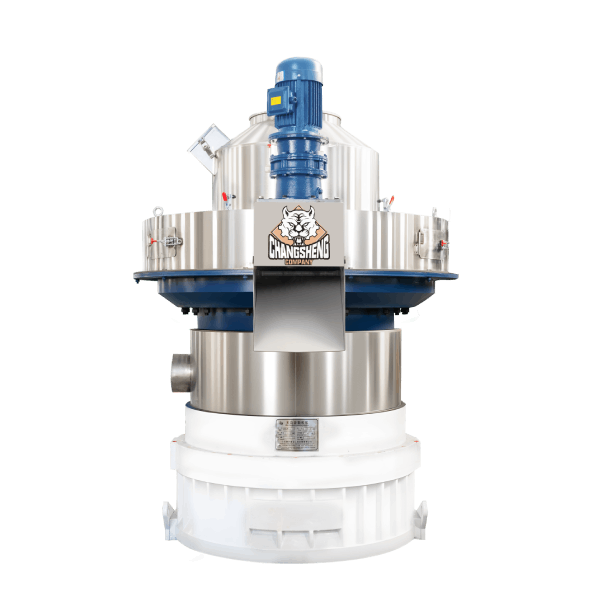
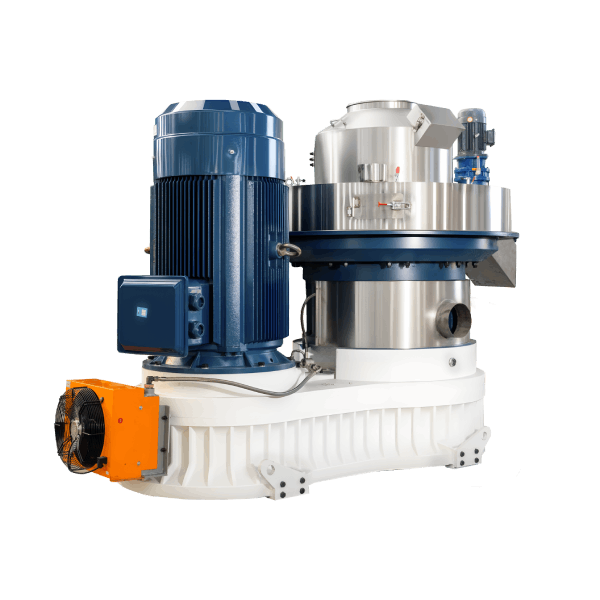
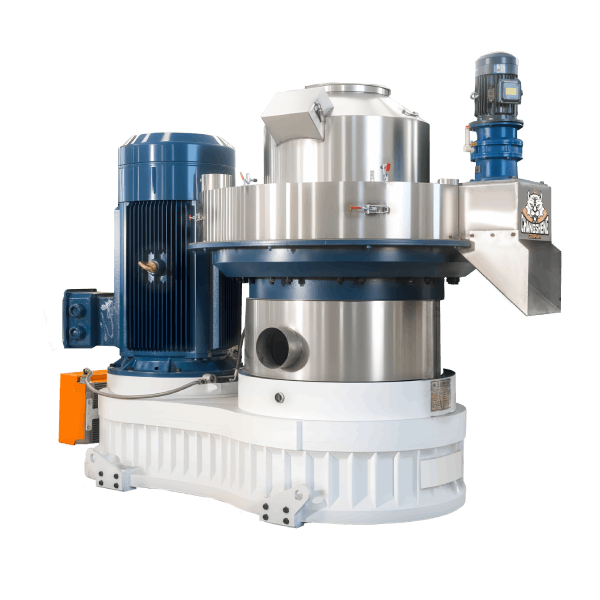
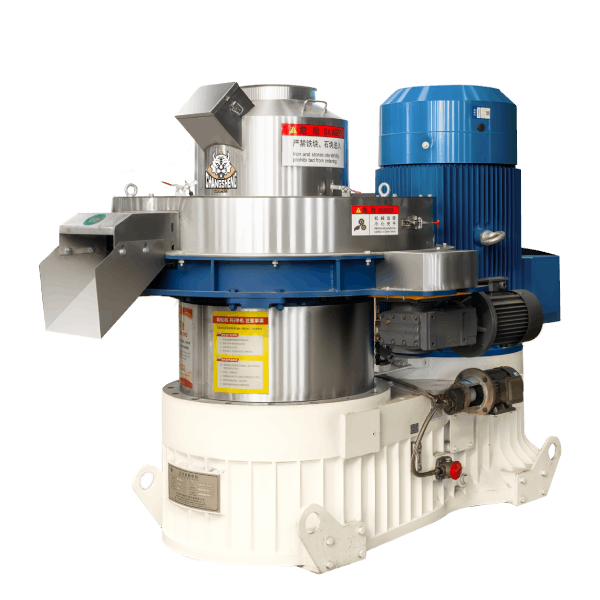
This page sets out the running-in procedure for an industrial ring die pellet mill, from the pre-start checks through the die loading, the steady running, the stop signals, and the shutdown. Shandong Changsheng Machinery supplies ring die pellet mills and complete biomass lines, and the procedure below reflects how these machines are commissioned and how operators are trained to run them. It is written for the operator at the control panel and for the supervisor who has to decide whether a stop is routine or a fault.
The short answer
The running-in procedure has four stages: pre-start checks, die loading and warm-up, steady running, and shutdown with die clearing.
The practical rule: load the die with a prepared loading material rather than production material, bring the feed up in steps while watching the current and the die temperature, hold the feed, the moisture, and the temperature steady once the die is loaded, and clear the die before the machine stops for any length of time. If the current or the die temperature moves outside the range recorded on the previous run and does not recover after the feed is reduced, stop the feed and inspect rather than continuing to adjust.
Pre-start checks
Most start-up faults begin before the motor turns, so the checks below are part of the procedure and not a formality.
The die and rollers should be checked for condition and fit. The die should be seated correctly, the roller gap should be set according to the manufacturer’s procedure, and the roller assembly should turn freely by hand. A roller that does not turn freely, or a gap that is too wide, will slip and block holes as soon as the feed starts.
The lubrication and the drive should be checked. The gearbox oil level, the lubrication points, and the belt or coupling condition should be confirmed against the maintenance schedule, and any alarm or fault from the control system should be cleared before start-up.
The feed system and the material should be checked. The feeder should be empty and able to turn, the bin should hold material that matches the specification the die was set for, and the moisture of the material should be measured rather than assumed from the dryer reading. A die set for one moisture level behaves differently on material that is wetter or drier.
The cooler, the screen, and the conveying downstream should be ready to receive pellets, so that the mill is not stopped shortly after start-up because the downstream cannot keep up.
Die loading and warm-up
The die loading is the stage that decides whether the run will be stable, and it is the stage operators most often rush.
The loading material is normally a dry material of the same family as the production material, prepared so that it slides through the die holes without blocking them, and mixed with a small amount of oil or water where the manufacturer recommends it. The purpose is not to make saleable pellets, but to fill the holes gradually, lubricate the die, and bring it up to temperature through the friction of the material passing through the holes. Production material should not be used to load a cold die: it is the material the die is not yet warm enough to press, and it is the material most likely to block the holes during start-up.
The mill is started with the feeder at a low rate, and the loading material is fed in. During loading, the operator watches three things: the die temperature, the main motor current, and the discharge. The current rises as the die fills and should rise steadily rather than jump. A current that rises sharply, or a die temperature that does not come up, indicates that the die is not filling evenly, or that the feed, the moisture, or the roller gap has changed. In either case the feed rate should be reduced while the cause is checked, not increased.
The loading stage is complete when the die produces pellets steadily at a temperature close to the value recorded during the trial run on this material, and the current has stabilized. Only then should the feed be changed to production material and brought up to the target rate.
Steady running
Once the die is loaded, the aim is to hold the feed, the moisture at the die, and the die temperature steady, because the mill performs best when those three are stable rather than when any one of them is at an extreme.
The feed rate should be brought up in steps and held at each step long enough to see the current and the temperature settle. Raising the feed faster than the die can accept raises the current and the temperature and can block the die; raising it too slowly wastes capacity and can cool the die.
The moisture at the die should be measured at the mill inlet rather than taken from the dryer outlet, because the material can change between the two points. The target moisture for the material and the die should have been established in the trial, and the running procedure should hold the material at that target.
The operator should watch the current, the die temperature, the pellet appearance, and the fines. A rise in fines, a fall in pellet durability, or a change in the pellet surface usually means that the moisture, the feed, or the die condition has moved, and the cause should be found before the feed is increased.
When to stop the feed and inspect
Not every deviation is a fault, and continuing to adjust when the machine is already outside its normal range is how a recoverable problem becomes a damaged die. The practical rule is to stop the feed and inspect when the current or the die temperature moves outside the range recorded on the previous run and does not recover within a short period after the feed is reduced.
The signals to act on are these. A current that stays above the recorded range after the feed has been reduced points to a partial blockage in the die, a change in the material, or a roller gap problem. A die temperature that keeps falling while the feed is steady points to a die that is not filling, a moisture that is too high, or a feed that is too low for the die to hold heat. Pellets that come out scorched or discoloured point to local overheating, a blocked hole, or a roller that is not turning. Abnormal vibration or noise from the main drive points to a bearing, a roller, or a main shaft problem, and it should be investigated before the mill is run again. A current that fluctuates widely rather than settling points to an uneven feed, a moisture that is varying, or a feeder that is surging.
Any of these should be treated as a reason to stop the feed, keep the mill turning with the loading or purge material, and inspect the die, the rollers, the feed, and the moisture before production resumes.
Shutdown and die clearing
The shutdown is part of the procedure, not an afterthought. If the die is left full of material that cools and sets, the next start-up will require the die to be cleaned or reamed, and die life is shortened.
For a short stop, the feeder is stopped and the die is left turning with a small amount of material to keep it warm, following the manufacturer’s recommendation. For a longer stop, the die should be cleared by running a purge material through it, of the kind used for loading, until the discharge runs clear. The die should then be inspected and, where the manufacturer recommends it, protected against corrosion.
Running the mill dry to clear the die does not work as a method, because dry running generates heat without the material to carry it away and can damage the die and the rollers, even for a short period.
What to check after the run
After the run, the die and rollers should be inspected, the current and the die temperature records should be reviewed against the normal range, and any change in pellet quality should be noted. The moisture of the finished pellet should be measured after cooling and resting, because a pellet that is within specification at the die can pick up moisture in storage if it is bagged warm.
The records from the run are what make the next start-up easier. They show what the normal current and temperature look like on this material and this die, and they give the operator a baseline against which to judge a change on the next run.
Common mistakes in the running-in procedure
Starting with production material at full feed. The die is cold and the holes are empty, and the material blocks or slips instead of filling the die evenly.
Raising the feed faster than the die can accept. The current and the temperature rise, the die blocks, and the operator reduces the feed, which then cools the die and produces soft pellets.
Judging the moisture from the dryer outlet. The material changes between the dryer and the die, and the mill runs on a moisture the die was not set for.
Leaving the die full at shutdown. The material sets in the holes, and the next start-up requires cleaning and reaming.
Running the mill dry to clear the die. The die and rollers overheat without the material to carry the heat away.
Continuing to adjust when the current or the temperature has already moved outside the recorded range. The adjustment hides the fault, and the die or the rollers are damaged before the cause is found.
Bottom line
The pellet mill running-in procedure has four stages: pre-start checks, die loading and warm-up, steady running, and shutdown with die clearing. Load the die with a prepared loading material rather than production material on a cold die, and treat the loading as complete only when the die temperature reaches the value recorded on the trial run and the current has stabilized. Hold the feed, the moisture at the die, and the temperature steady once the die is loaded, and stop the feed to inspect when the current or the temperature leaves the recorded range and does not recover. Shutdown is part of the procedure, because a die left full of material that sets will cost a cleaning and a reaming at the next start-up, and running the mill dry is not a way to clear it. Record the current, the temperature, and the pellet quality on each run, because those records are the baseline for judging the next one.
If you are commissioning a ring die pellet mill and need the running-in procedure set for your material, send the material type, the moisture range, the die specification, and the target pellet diameter, and the Shandong Changsheng Machinery team can provide the start-up procedure and the die loading recommendations for that configuration.