Pellet Machine Motor Overload Reason and Engineering Solutions
News 2026-03-06
Pellet Machine Motor Overload Reason: Engineering Diagnosis and Operational Control
Product Definition
Pellet machine motor overload reason refers to the mechanical or process conditions that cause the main drive motor of a biomass pellet mill to exceed its rated current during operation. Overload conditions reduce production efficiency, increase energy consumption, accelerate component wear, and may trigger automatic shutdowns in continuous industrial pellet manufacturing systems.
- Technical Overview
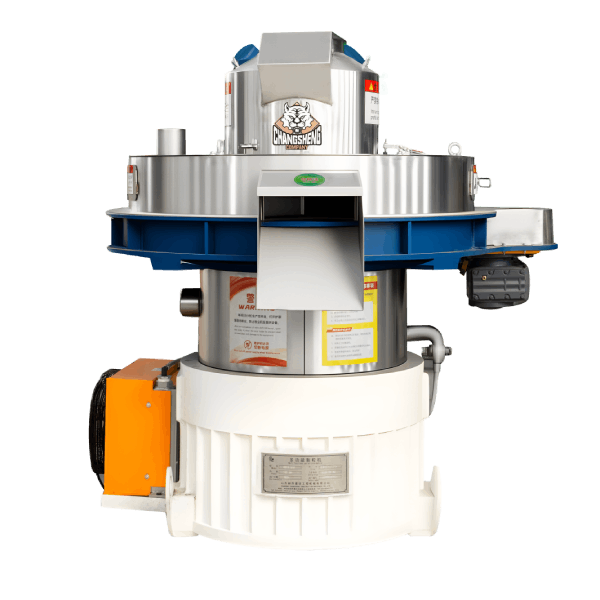
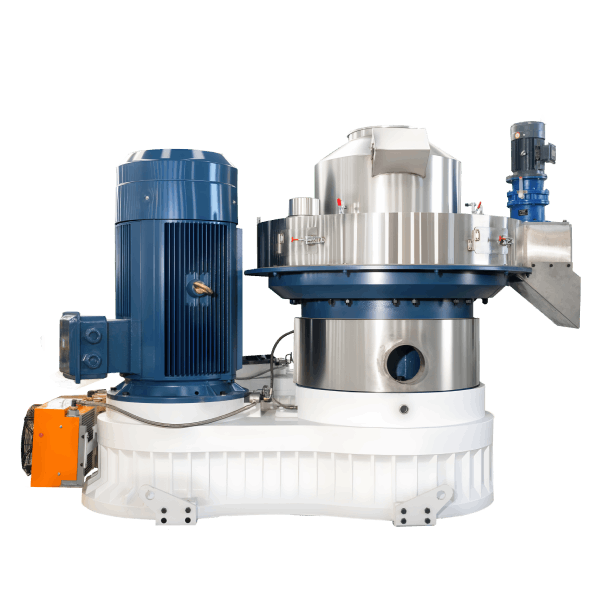
In industrial pellet production plants, the main motor is responsible for driving the ring die and press rollers that compress biomass into high-density pellets. When the system experiences abnormal resistance or operational imbalance, the motor current rises above its rated limit.
Understanding the pellet machine motor overload reason is critical for plant engineers and procurement managers because continuous overload can cause winding overheating, gearbox damage, and unplanned production downtime.
Typical symptoms include:
• Motor current exceeding 100% rated load
• Sudden drop in pellet output
• Frequent overload alarms in the control panel
• Elevated gearbox or die temperature
Accurate identification of the pellet machine motor overload reason allows operators to restore mechanical balance and maintain stable pellet production.
- Technical Parameters and Operating Specifications
Industrial pellet mills must operate within defined electrical and mechanical limits to avoid overload conditions.
Main Motor Power
• Small pellet mills: 22–55 kW
• Medium capacity mills: 90–160 kW
• Industrial plants: 200–315 kW
Motor Load Ratio
• Recommended continuous load: 85–95% rated current
• Warning zone: >100% rated current
Feed Rate
• Typical range: 1.5–5 tons per hour depending on die size
Die Compression Ratio
• Wood biomass: 1:6 – 1:8
• Agricultural residues: 1:4 – 1:6
Material Moisture
• Wood chips: 10–15%
• Straw materials: 12–18%
When these parameters deviate significantly, the pellet machine motor overload reason is usually related to increased compression resistance or mechanical friction.
- Structural Design and Material Composition
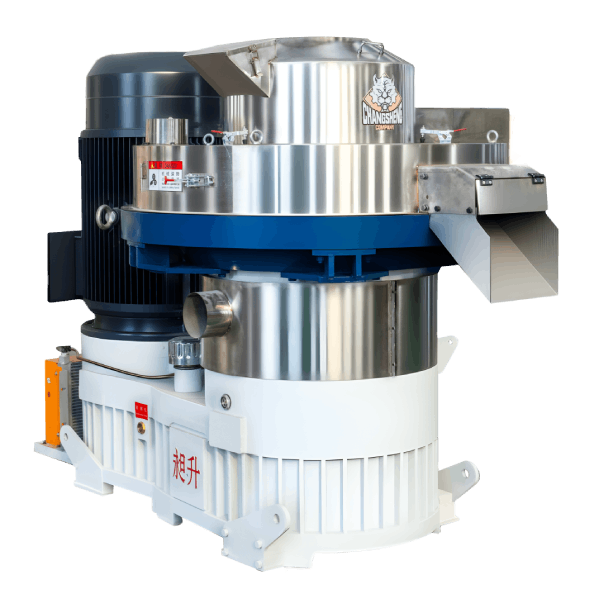
The main power transmission system of a pellet mill consists of several critical components that influence load balance.
Main Drive Motor
• High-efficiency industrial electric motor
• IE3 or IE4 efficiency class
Gearbox System
• Helical gear transmission
• Hardened alloy gear sets
Ring Die
• Forged 42CrMo alloy steel
• Heat-treated hardness 52–58 HRC
Press Rollers
• Replaceable wear-resistant roller shells
• High-load bearing system
Main Shaft
• Forged steel shaft with dynamic balancing
Lubrication System
• Automatic grease lubrication for roller bearings
If any of these components experience wear, misalignment, or improper adjustment, they may contribute to pellet machine motor overload reason during operation.
- Manufacturing and Engineering Process
Manufacturing precision plays a major role in maintaining balanced load distribution.
Step 1: Raw Material Preparation
Biomass is crushed to 3–5 mm particle size and dried to controlled moisture content.
Step 2: Pellet Mill Component Machining
CNC machining ensures accurate die hole geometry and shaft alignment.
Step 3: Heat Treatment of Wear Components
Dies and rollers undergo controlled quenching to achieve high hardness and durability.
Step 4: Assembly and Alignment
Main shaft, gearbox, and motor alignment are calibrated using precision tools.
Step 5: Factory Load Testing
Machines are tested under simulated production loads to verify motor performance stability.
Poor machining tolerance or misalignment during assembly can significantly increase mechanical resistance and create pellet machine motor overload reason in actual operation.
- Industry Comparison Table
Operational Stability Comparison
Parameter | Balanced Pellet Mill | Overload-Prone System
Motor Load | 85–95% rated | >105% rated
Feed Consistency | Stable | Irregular surges
Die Condition | Smooth extrusion | Blocked or worn
Material Moisture | Controlled | Too dry or wet
Maintenance | Preventive | Reactive
Facilities that implement preventive maintenance programs report far fewer pellet machine motor overload reason incidents.
- Application Scenarios
Pellet mill systems experiencing motor overload are commonly found in:
Biomass Fuel Production Plants
Continuous pellet manufacturing lines operating 16–24 hours daily.
EPC Industrial Projects
New pellet plants during commissioning phase.
Equipment Distributors
Providing technical troubleshooting for end users.
Agricultural Waste Processing Facilities
Handling variable-density materials such as straw or husk.
Engineering Consultants
Evaluating operational efficiency in biomass energy facilities.
Understanding pellet machine motor overload reason helps stakeholders maintain stable production performance.
- Core Pain Points and Engineering Solutions
Pain Point 1: Material Moisture Too Low
Low moisture increases friction resistance during compression.
Solution
Adjust drying process to maintain moisture between 10–15%.
Pain Point 2: Blocked or Worn Ring Die
Material cannot pass smoothly through die holes.
Solution
Clean blocked holes or replace worn dies.
Pain Point 3: Excessive Feed Rate
Overfeeding increases mechanical load beyond motor capacity.
Solution
Install variable speed feeders to control input flow.
Pain Point 4: Incorrect Roller–Die Clearance
Too tight clearance increases friction.
Solution
Adjust clearance to approximately 0.2 mm.
Pain Point 5: Bearing or Gearbox Wear
Mechanical friction increases power demand.
Solution
Conduct vibration monitoring and replace worn bearings.
Resolving these factors eliminates most pellet machine motor overload reason scenarios in industrial plants.
- Risk Warnings and Preventive Measures
Ignoring early signs of overload can lead to severe mechanical damage.
Important preventive measures include:
• Monitor motor current continuously through PLC systems
• Maintain consistent raw material moisture levels
• Inspect die and rollers regularly for wear
• Ensure lubrication systems operate correctly
• Avoid sudden feed rate increases
A structured maintenance program significantly reduces pellet machine motor overload reason risks.
- Procurement and Equipment Selection Guide
When purchasing pellet machines, buyers should consider the following steps.
Step 1
Determine required hourly production capacity.
Step 2
Select motor power with a 10–20% safety margin.
Step 3
Verify gearbox torque rating and durability.
Step 4
Review die compression ratio suitability for raw materials.
Step 5
Confirm automated lubrication systems are included.
Step 6
Evaluate manufacturer load testing data.
Step 7
Assess spare parts availability and maintenance support.
Proper equipment selection minimizes pellet machine motor overload reason in long-term operation.
- Engineering Case Study
Project
Biomass pellet plant producing 3 tons per hour of hardwood pellets.
Initial Problem
Frequent shutdowns due to motor overload alarms. Motor load reached 110% rated capacity.
Root Cause Analysis
Investigation identified three factors:
• Raw material moisture reduced to 8%
• Die holes partially clogged with resin
• Feed system delivering uneven material flow
Corrective Measures
• Moisture adjusted to 12%
• Die cleaned and polished
• Variable frequency feeder installed
Operational Results After Adjustment
• Motor load stabilized at 90–93% rated current
• Pellet output increased by 15%
• No further pellet machine motor overload reason incidents recorded for six months.
This case demonstrates how systematic diagnostics can restore stable production performance.
- FAQ – Pellet Machine Motor Overload Reason
- What is the most common cause of motor overload?
Low material moisture and excessive compression resistance. - Can worn dies cause overload?
Yes, worn dies increase friction during pellet extrusion. - Is overfeeding a major factor?
Yes, excessive feed rate increases motor torque demand. - Does raw material type affect motor load?
Different biomass materials require different compression forces. - How often should motor load be monitored?
Continuously through the control system. - Can poor lubrication cause overload?
Yes, bearing friction increases power consumption. - Is motor power margin important?
A 10–20% margin improves operational stability. - Can gearbox wear increase motor load?
Yes, internal friction raises energy demand. - Should die holes be cleaned regularly?
Yes, blocked holes increase compression resistance. - Can temperature affect motor overload?
High friction temperatures usually accompany overload conditions. - Request Technical Documentation and Quotation
For technical assistance related to pellet machine motor overload reason, request the following documentation:
• Pellet mill technical specification sheet
• Motor power configuration report
• Die compression ratio recommendations
• Maintenance and troubleshooting guide
• Spare parts quotation
Provide your raw material type, expected capacity, and operating conditions for engineering evaluation and customized equipment recommendations.
Author Expertise Statement (E-E-A-T)
This article is prepared by biomass equipment engineers and industrial pellet production consultants with more than 15 years of experience in pellet mill design, commissioning, and operational diagnostics. The technical insights are based on field data from commercial biomass pellet plants and mechanical performance testing of industrial pelletizing equipment.
For further engineering consultation regarding pellet machine motor overload reason, contact our technical team for professional evaluation and project support.