How to Make Money with a Pellet Mill: Complete Business Guide

News 2026-08-05

Page SEO Summary: This business guide shows you how to make money with a pellet mill—covering business models, profit analysis, investment returns, and step-by-step startup guidance.

A pellet mill is more than just a piece of equipment—it’s a business opportunity. From producing animal feed for local farmers to manufacturing wood pellets for the growing renewable energy market, a pellet mill can generate significant income with the right strategy.

This guide explores how to make money with a pellet mill, covering different business models, profit potential, investment requirements, and practical steps to get started.


Business Models

1. Animal Feed Production

AspectDetails
WhatMake feed pellets for livestock, poultry, and aquaculture
CustomersLocal farmers; feed stores; livestock operations
EquipmentFeed pellet mill + hammer mill + mixer
Investment$3,000-20,000
Profit potentialModerate to high

2. Wood Pellet Production (Heating)

AspectDetails
WhatMake wood pellets for residential and commercial heating
CustomersHomeowners; businesses; pellet stove users
EquipmentWood pellet mill + hammer mill + cooler
Investment$5,000-30,000
Profit potentialHigh (growing market)

3. Biomass Pellet Production (Industrial)

AspectDetails
WhatMake pellets from agricultural residues
CustomersPower plants; industrial boilers; exporters
EquipmentBiomass pellet mill + dryer + cooler
Investment$20,000-100,000+
Profit potentialHigh (large volumes)

4. Custom Pellet Service

AspectDetails
WhatProcess customer’s materials into pellets
CustomersFarmers; woodworkers; waste generators
EquipmentPellet mill + hammer mill
Investment$5,000-15,000
Profit potentialModerate (service-based)

5. Pellet Retail/Wholesale

AspectDetails
WhatBuy in bulk (or produce) and sell pellets
CustomersStores; businesses; homeowners
EquipmentPellet mill (if producing)
InvestmentVariable
Profit potentialModerate (trading margin)

Profit Analysis

Feed Pellet Business

ItemAmount
Raw material cost$200-300/ton
Production cost$50-100/ton
Total cost$250-400/ton
Selling price$350-500/ton
Profit per ton$50-150
Annual production (500 tons)$25,000-75,000

Wood Pellet Business

ItemAmount
Raw material cost$50-150/ton
Production cost$50-100/ton
Total cost$100-250/ton
Selling price$150-250/ton
Profit per ton$50-100
Annual production (500 tons)$25,000-50,000

Biomass Pellet Business

ItemAmount
Raw material cost$10-50/ton (waste)
Production cost$50-100/ton
Total cost$60-150/ton
Selling price$100-180/ton
Profit per ton$30-80
Annual production (1,000 tons)$30,000-80,000

Investment Requirements

Investment by Scale

ScaleEquipmentTotal InvestmentAnnual Revenue Potential
Small (hobby/side)$500-3,000$1,000-5,000$2,000-10,000
Small commercial$3,000-10,000$8,000-20,000$15,000-40,000
Medium commercial$10,000-30,000$25,000-60,000$40,000-100,000
Large commercial$30,000-80,000$60,000-150,000$100,000-250,000

Equipment Investment Breakdown

EquipmentSmallMediumLarge
Pellet mill$2,000$10,000$30,000
Hammer mill$500$2,000$5,000
Mixer$500$2,000$5,000
Cooler$2,000$5,000
Other$1,000$4,000$10,000
Total equipment$4,000$20,000$55,000

Payback Period

Small Scale ($5,000 Investment)

MetricValue
Investment$5,000
Monthly production5 tons
Profit per ton$80
Monthly profit$400
Payback period12-18 months

Medium Scale ($25,000 Investment)

MetricValue
Investment$25,000
Monthly production30 tons
Profit per ton$60
Monthly profit$1,800
Payback period14-20 months

Large Scale ($60,000 Investment)

MetricValue
Investment$60,000
Monthly production80 tons
Profit per ton$50
Monthly profit$4,000
Payback period15-24 months

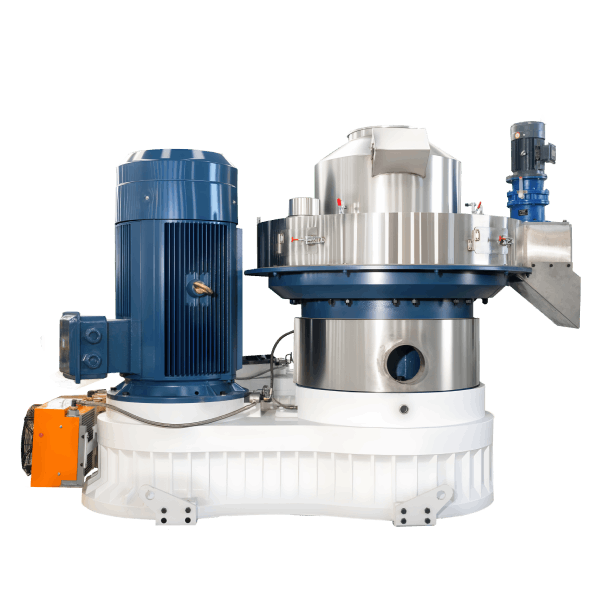
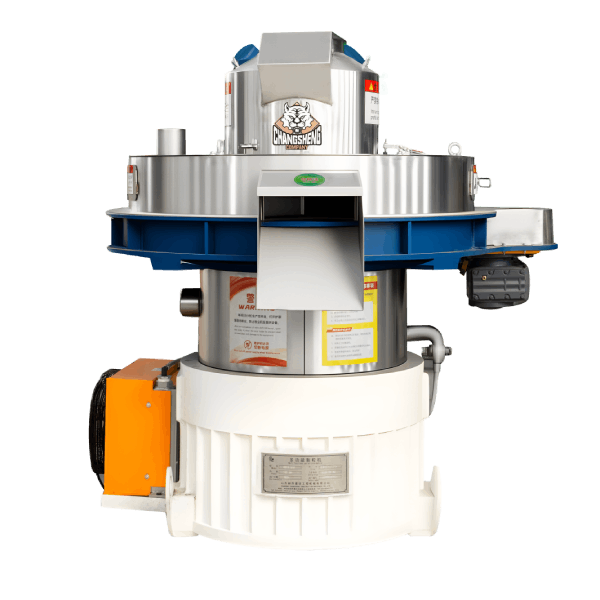
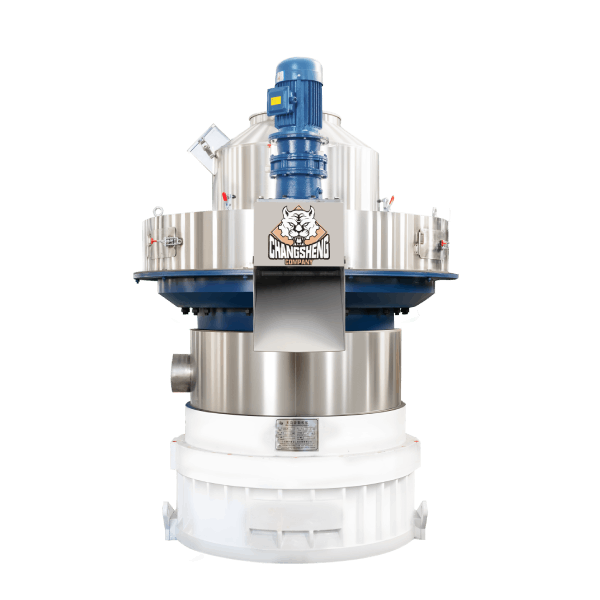
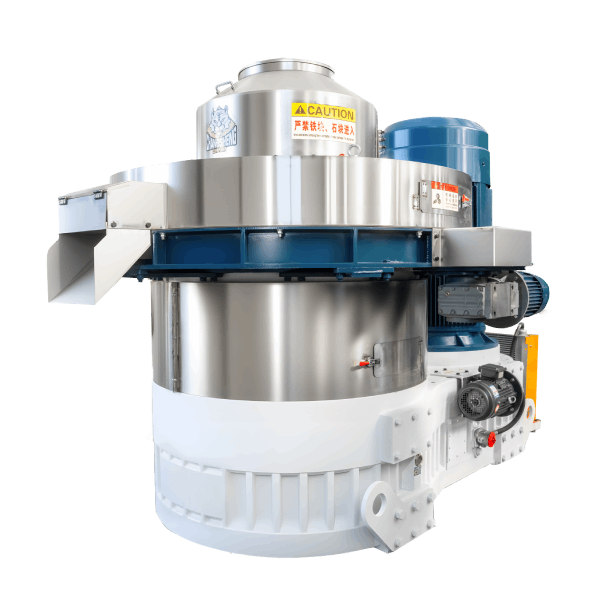
Changsheng 850 heavy-duty wood pellet machine with 850mm diameter ring die for large-scale production

Market Opportunities

Who Buys Pellets?

Customer TypeProductTypical Volume
FarmersAnimal feedSmall to medium
Pet storesAnimal feedSmall
Pellet stove ownersWood pelletsSmall
Hardware storesWood pelletsMedium
Feed storesAnimal feedMedium
Power plantsBiomass pelletsVery large
Industrial boilersBiomass/wood pelletsLarge
ExportersWood/biomass pelletsVery large

Pricing by Market

ProductPrice (USD/ton)Market
Animal feed pellets$350-500Local
Wood pellets (retail)$200-300Local/regional
Wood pellets (wholesale)$150-200Regional
Biomass pellets$100-180Industrial

Success Factors

Key Factors for a Profitable Pellet Business

FactorWhy Important
Low-cost raw materialsBiggest cost factor
Efficient operationsLower production cost
Reliable equipmentMinimize downtime
Good marketingFind customers
Quality productBuild reputation
ScaleLarger = better margins

Tips for Success

TipExplanation
Source materials locallyReduce transport cost
Focus on qualityBetter product = better price
Build relationshipsRepeat customers
Start small, growManage risk
Diversify productsMore revenue streams

Common Mistakes

MistakeWhy ProblematicHow to Avoid
Underestimating costsBudget overrunsDetailed planning
Buying cheap equipmentDowntime; quality issuesInvest in quality
Ignoring marketingNo customersPlan sales strategy
Poor quality controlBad reputationQuality testing
No contingency planDifficultiesPlan for problems

Step-by-Step Startup Guide

Phase 1: Planning

StepAction
1Research market and demand
2Identify raw material sources
3Calculate costs and profit potential
4Write a business plan
5Secure funding

Phase 2: Equipment

StepAction
6Select right equipment for your scale
7Source reliable supplier
8Order and arrange shipping
9Install and test equipment

Phase 3: Operations

StepAction
10Source raw materials
11Start production
12Quality testing
13Find customers
14Scale up

Procurement Checklist: Business Planning

Business Assessment

  • □ Market demand researched
  • □ Raw material sources identified
  • □ Costs calculated
  • □ Profit potential estimated
  • □ Investment budget confirmed

Equipment Selection

  • □ Capacity matched to business plan
  • □ Equipment type selected
  • □ Supplier verified
  • □ Total cost calculated (including shipping)

Operations Planning

  • □ Sales/marketing plan
  • □ Production schedule
  • □ Quality control plan
  • □ Staffing plan
  • □ Contingency plan

Frequently Asked Questions

1. Can you make money with a pellet mill?

Yes. A pellet mill can generate significant income through feed production, wood pellets, or biomass pellets. Profit depends on scale, raw material cost, and market prices.

2. What is the most profitable pellet business?

Animal feed pellets often have the highest profit margin. Wood pellets have strong demand. The best opportunity depends on your local market.

3. How much investment do I need?

Small scale: $1,000-5,000. Small commercial: $8,000-20,000. Medium commercial: $25,000-60,000. Large commercial: $60,000-150,000.

4. How quickly can I make money?

With small scale, you can start making money within weeks. Payback typically takes 12-24 months, depending on scale and market conditions.

5. Who buys pellets?

Farmers (animal feed), homeowners and businesses (wood pellets), power plants and industrial boilers (biomass pellets), and retailers.

6. What is the best raw material?

Low-cost or free materials are best: sawdust, agricultural residues, waste products. The lower your raw material cost, the higher your profit.

7. Is a pellet mill business risky?

Like any business, there are risks: equipment breakdown, market price changes, raw material availability. Good planning mitigates these risks.

8. Do I need experience to start?

Technical experience helps but isn’t essential. Start small, learn the business, and scale up. Training from equipment suppliers is valuable.


About the Author

Zhang Wei – Senior International Sales Engineer, Shandong Changsheng Machinery Co., Ltd.

Zhang Wei has over 12 years of experience in the biomass and feed pellet mill industry, with a background in mechanical engineering and international project execution. He has helped hundreds of entrepreneurs start pellet businesses across Southeast Asia, the Middle East, Africa, Europe, and Latin America.

With hands-on experience in both the manufacturing workshop and client-side operations, Zhang brings practical business insights into successful pellet production—from the factory floor to the customer’s business.