Page SEO Summary: This comprehensive guide explains how wood pellets are made—covering raw material preparation, production steps, equipment requirements, and quality control.
Wood pellets are a clean, renewable fuel source made from compressed wood waste. But how are they actually made? The manufacturing process transforms sawdust, wood chips, and other wood residues into uniform, energy-dense pellets.
This guide provides a comprehensive overview of how wood pellets are made, from raw material to finished product.
Overview: The Simple Answer
In One Sentence
Wood pellets are made by drying, grinding, and compressing wood material under high pressure—with the wood’s natural lignin acting as a glue to hold them together.
The Process at a Glance
Step
What Happens
1
Wood waste (sawdust, chips) is collected
2
Material is dried to 10-12% moisture
3
Material is ground to 2-5 mm particles
4
Material is heated and conditioned
5
Heat and pressure compress material through holes
6
Pellets are cut to length
7
Pellets are cooled and packaged
1. Raw Materials
What Is Used?
Material
Description
Quality
Sawdust
By-product from sawmills
Excellent
Wood chips
Chipped wood
Good
Wood shavings
From woodworking
Good
Wood residues
Offcuts and waste
Variable
Where Do They Come From?
Source
Description
Sawmills
Primary source
Wood processing plants
Secondary source
Forestry operations
Harvest residues
Furniture manufacturers
Wood waste
Material Requirements
Requirement
Specification
Why
Moisture
10-12% (after drying)
Essential for binding
Particle size
2-5 mm
Uniform pellets
Cleanliness
No contaminants
Equipment protection
2. Drying
Why Material Must Be Dried
Reason
Impact
Optimal moisture
10-12% needed for binding
Better burning
Lower moisture = cleaner burn
Storage stability
Prevents degradation
Efficiency
Less energy in pelletizing
How Drying Works
Method
Description
Rotary dryer
Rotating drum with hot air
Belt dryer
Moving belt with hot air
Flash dryer
Rapid drying
Moisture Effects
Moisture Level
Result
<10%
Pellets brittle; poor binding
10-12%
Optimal (best quality)
12-15%
Acceptable but lower quality
>15%
Poor pellets; steam problems
3. Grinding
Why Grinding Matters
Reason
Impact
Uniform size
Consistent pellets
Better binding
More surface area
Smooth flow
Even feeding
Particle Size
Size
Effect
<2 mm
Best binding
2-5 mm
Standard (acceptable)
>5 mm
Poor quality
4. Conditioning
What Happens
Process
Effect
Heat applied
Softens lignin
Steam added
Improves binding
Temperature rises
Prepares for pelletizing
Key Parameters
Parameter
Value
Temperature
80-100°C
Steam
2-5% of material
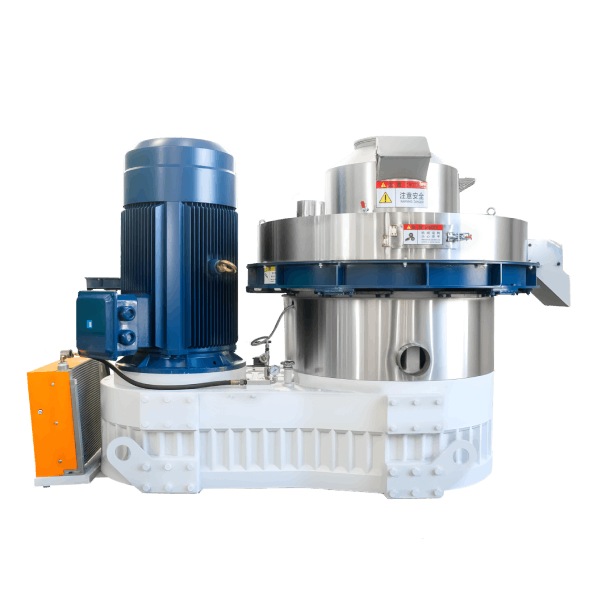
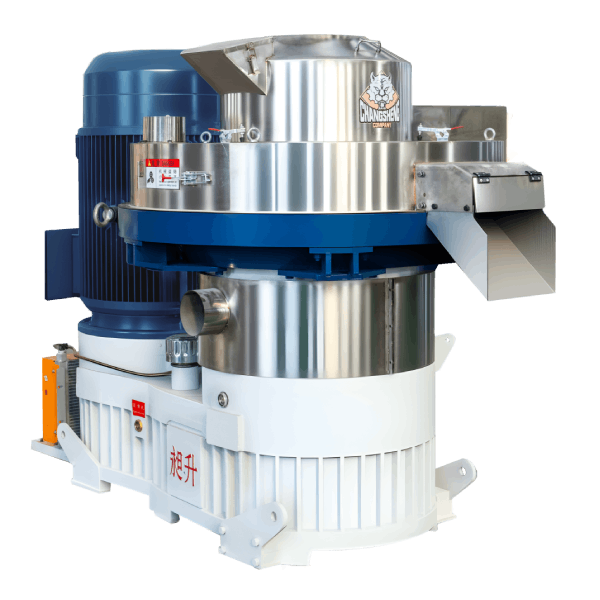
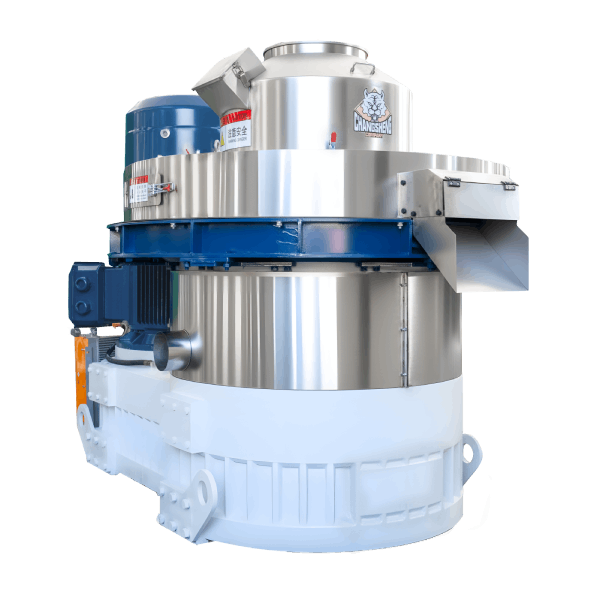
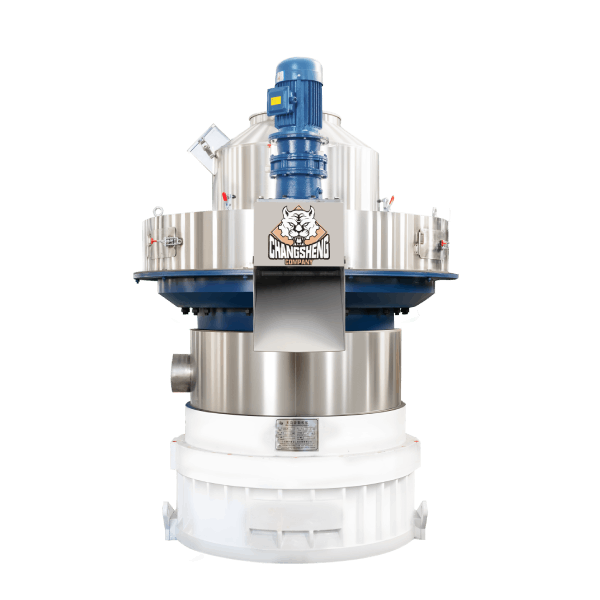
5. Pelletizing
The Core Process
Step
Description
1
Material enters the die chamber
2
Rollers force material through holes
3
Friction creates heat (80-120°C)
4
Lignin melts and binds particles
5
Pellets emerge from the die
6
Blades cut pellets to length
How Pellets Hold Together
Factor
How It Works
Lignin
Natural wood glue that melts under heat
Pressure
Forces particles together
Heat
Activates the lignin
No additives or chemicals are needed—the wood binds itself.
Wood pellets are made by drying wood material, grinding it to a fine powder, and compressing it under high pressure through a die. The wood’s natural lignin binds the pellets together.
2. What are wood pellets made from?
Wood pellets are made from sawdust, wood chips, wood shavings, and other wood residues from sawmills and wood processing operations.
3. Are there additives in wood pellets?
High-quality wood pellets are 100% wood with no additives. The wood’s natural lignin acts as a binder.
4. How hot does the pelletizing process get?
The temperature reaches 80-120°C due to friction. This heat is essential for activating the lignin binder.
5. What moisture is needed for wood pellets?
The wood material must be dried to 10-12% moisture before pelletizing for optimal results.
6. How long does it take to make wood pellets?
The pelletizing process itself takes seconds, but drying and cooling add time. The complete process from raw material to finished pellets takes minutes.
7. Can any wood be made into pellets?
Most wood types can be made into pellets. Softwoods (pine, spruce) are easiest due to higher lignin content. Hardwoods work too.
Zhang Wei has over 12 years of experience in the biomass and feed pellet mill industry, with a background in mechanical engineering and international project execution. He has helped clients across Southeast Asia, the Middle East, Africa, Europe, and Latin America understand wood pellet manufacturing and set up production facilities.
With hands-on experience in both the manufacturing workshop and client-side operations, Zhang brings practical insights into successful equipment procurement—from the factory floor to the customer’s pellet plant.