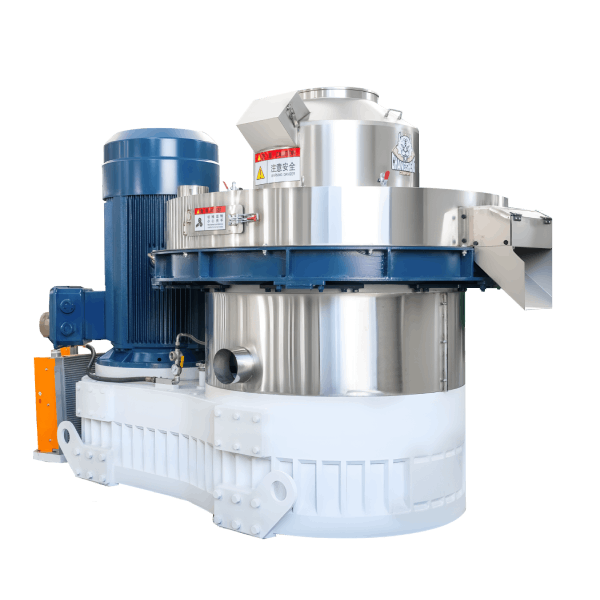
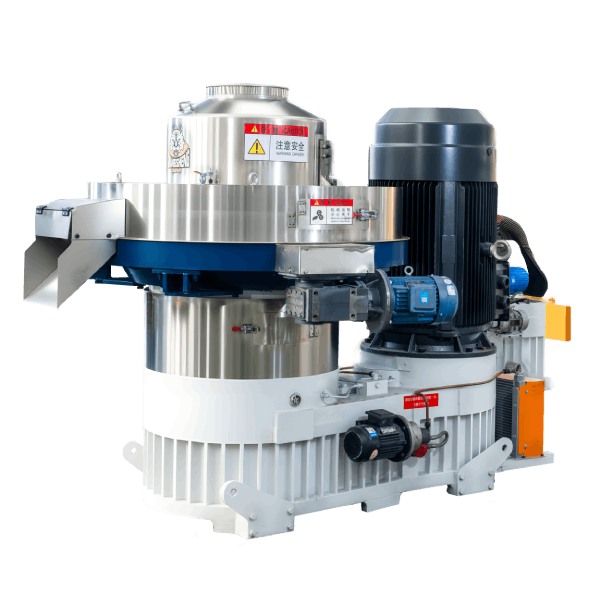
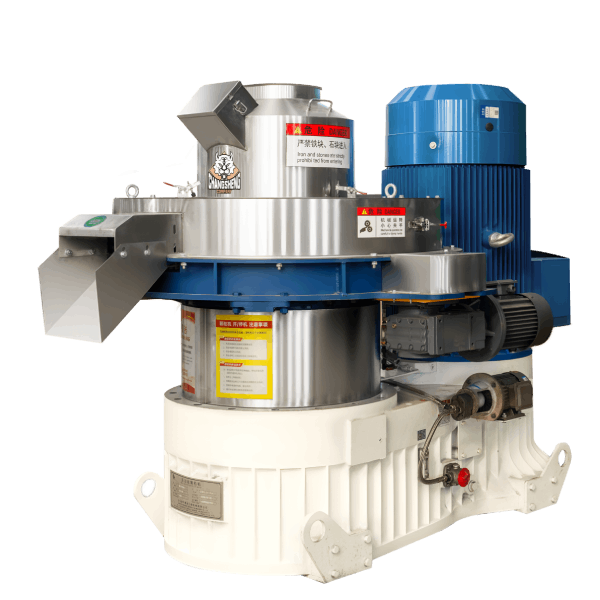
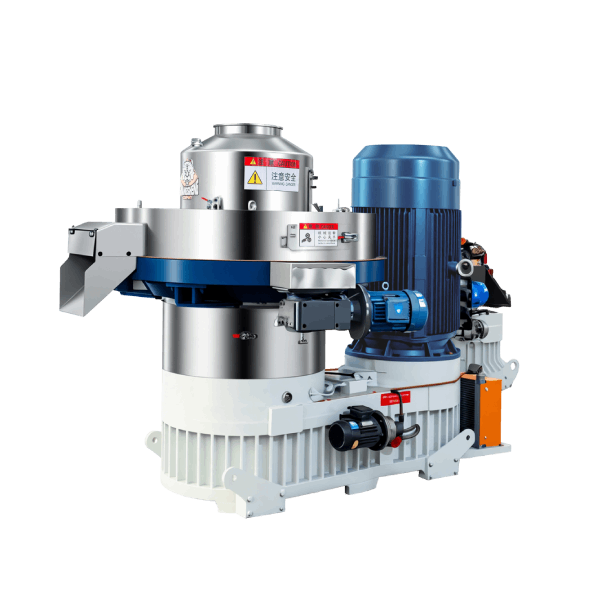
Page SEO Summary: This guide helps greenhouse operators evaluate wood pellet machines for heating—covering fuel requirements, equipment selection, cost economics, and practical considerations for integrating pellet production with greenhouse heating.
Greenhouse heating is one of the largest operating expenses for commercial growers. Traditional fuels—natural gas, propane, heating oil—are subject to price volatility and increasing environmental scrutiny. Wood pellets offer a compelling alternative: a renewable, cost-stable, and increasingly available fuel that can significantly reduce heating costs for greenhouses.
For growers with access to wood waste, agricultural residues, or other biomass materials, producing their own pellets adds another layer of benefit. A wood pellet machine for greenhouse heating enables self-sufficiency, further cost reduction, and the ability to utilize on-farm waste materials.
This guide provides greenhouse operators and agricultural professionals with a comprehensive framework for evaluating wood pellet production for greenhouse heating applications—from fuel requirements to equipment selection and economic analysis.
Basic machine; produce pellets from prepared material
Small operations; existing hammer mill
Complete small line
Hammer mill + pellet mill + cooler
Medium operations; self-contained
Integrated system
Full production line with drying, grinding, pelleting
Large operations; waste utilization
Specification Guidance by Scale
Parameter
Small (<500 m²)
Medium (500-2,000 m²)
Large (>2,000 m²)
Capacity
20-50 kg/h
50-150 kg/h
150-400 kg/h
Motor power
7.5-15 kW
15-30 kW
30-55 kW
Voltage
220V/380V
380V
380V
Floor space
5-10 m²
10-20 m²
20-30 m²
Feedstock Options for Greenhouse Growers
Suitable Materials
Material
Suitability
Preparation Required
Wood sawdust
Excellent
Drying to 10-12% moisture
Wood shavings
Good
Grinding; drying
Agricultural residues
Variable
Grinding; drying; blending
Straw
Moderate
Grinding; high pressure needed
Horticultural waste
Variable
Sorting; drying
Poultry litter
Limited
Specialized equipment
What to Consider
Factor
Importance
Notes
Moisture content
Critical
Must be <15% for good pellets
Particle size
Important
2-4 mm before pelletizing
Availability
Key
Need consistent year-round supply
Cost
Important
Ideally low-cost or free
Storage
Moderate
Need covered storage
On-Farm Waste Utilization
Waste Type
Potential Use
Benefits
Prunings
Chipped and pelleted
Use on-farm waste
Dead plants
Dried and pelleted
Reduce disposal costs
Wood pallets
Recycled
Free or low-cost feedstock
Agricultural residues
Local waste streams
Low-cost fuel
Economic Analysis
Cost Comparison: Self-Production vs. Purchase
Scenario
Cost Factor
Estimated Cost (per ton)
Purchased pellets
Market price
$150-250
Self-produced (from purchased wood)
Raw material + energy + labor
$100-150
Self-produced (from waste)
Energy + labor (material free)
$40-80
Investment Payback Example
Scenario: 1,000 m² Greenhouse
Parameter
Value
Annual pellet demand
110 tons/year
Purchased pellet cost
$200/ton
Annual purchase cost
$22,000
Self-production cost (waste)
$60/ton
Annual production cost
$6,600
Annual savings
$15,400
Equipment investment
$15,000-25,000
Payback period
1-2 years
Additional Benefits
Benefit
Value
Waste disposal savings
Avoid landfill/removal costs
Energy security
Less exposed to price volatility
Carbon credits
Potential revenue
Marketing value
“Sustainable” branding
System Integration
Typical Configuration
Component
Function
Notes
Hammer mill
Grind raw material
2-4 mm particle size
Pellet mill
Form pellets
Size to match boiler
Cooler
Cool pellets
Essential for storage
Storage bin
Store pellets
Weatherproof; dry
Boiler
Burn pellets
Commercial wood pellet boiler
Heat distribution
Transfer heat to greenhouse
Hot water or air
Integration Options
Option
Description
Best For
Full integration
Production + storage + boiler
New construction; large operations
Production only
Make pellets; use boiler separately
Existing boiler; flexibility
Semi-integrated
Production and storage with boiler
Mid-size operations
Regulatory and Environmental Considerations
Environmental Benefits
Benefit
Impact
Carbon neutral
Trees absorb CO₂ during growth
Renewable
Sustainable resource
Waste reduction
Uses agricultural and wood waste
Local economy
Supports local fuel production
Regulatory Considerations
Aspect
What to Check
Emissions
Local air quality regulations
Permitting
Boiler and dust permits
Fuel quality
Pellet standards (ENplus, PFI)
Safety
Fire codes; dust explosion
Procurement Checklist: Wood Pellet Machine for Greenhouse
Heating Assessment
□ Greenhouse size and heating requirement calculated
□ Annual fuel demand estimated
□ Existing heating system assessed
□ Integration requirements defined
Equipment Selection
□ Pellet machine capacity matched to demand
□ Motor power and voltage confirmed
□ Raw material type and availability assessed
□ Drying and grinding requirements considered
□ Storage capacity planned
Economic Assessment
□ Purchase cost vs. self-production cost compared
□ Equipment investment estimated
□ Payback period calculated
□ Waste disposal savings considered
Installation and Operation
□ Space requirements confirmed
□ Power supply adequate
□ Installation plan developed
□ Training plan created
□ Maintenance plan established
Frequently Asked Questions
1. Can wood pellets effectively heat a greenhouse?
Yes. Wood pellets are an excellent fuel for greenhouse heating. They can be burned in automated pellet boilers that operate similarly to gas or oil systems. Pellets offer consistent heat output and can maintain precise temperatures.
2. How many tons of pellets does a greenhouse need?
A typical heated greenhouse (covering 1,000 m²) with a heating requirement of 150 W/m² needs approximately 100-120 tons of pellets per year. The exact amount depends on climate, greenhouse construction, and growing requirements.
3. What size pellet machine do I need for my greenhouse?
Match the machine capacity to your fuel demand. For a 1,000 m² greenhouse needing 100 tons/year, a pellet machine producing 30-50 kg/h (operating 8-10 hours/day) is appropriate.
4. Is it cheaper to make your own wood pellets?
Yes, especially if you have access to low-cost or free feedstocks. Self-production typically costs $40-100/ton compared to $150-250/ton for purchased pellets, offering significant savings.
5. What materials can I use to make pellets for greenhouse heating?
Sawdust, wood shavings, wood chips, agricultural residues (straw, corn stover), and some horticultural wastes can be used. The key is proper drying (to <15% moisture) and grinding (to 2-4 mm).
6. What is the payback period for a pellet production system?
For a mid-sized greenhouse, payback is typically 1-3 years. Larger operations with waste feedstocks can see payback in under 1 year.
7. Can I use the same pellets for heating that I make for other purposes?
Yes. Wood pellets have consistent specifications regardless of their end use. However, if you plan to sell pellets, you may need quality certification (ENplus, PFI).
8. What are the maintenance requirements for a pellet mill?
Regular maintenance includes cleaning, lubrication, checking die and roller wear, and monitoring motor condition. For a greenhouse operation producing 100-200 tons/year, die replacement is typically needed annually or semi-annually.
Zhang Wei has over 12 years of experience in the biomass and feed pellet mill industry, with a background in mechanical engineering and international project execution. He has worked with greenhouse operators and agricultural businesses across multiple regions, providing pellet production solutions for on-farm heating applications.
With hands-on experience in both the manufacturing workshop and client-side operations, Zhang brings practical insights into successful equipment procurement—from the factory floor to the customer’s greenhouse.